Spring Garden, Plate 5 (Hortus Eystettensis) — History & Facts
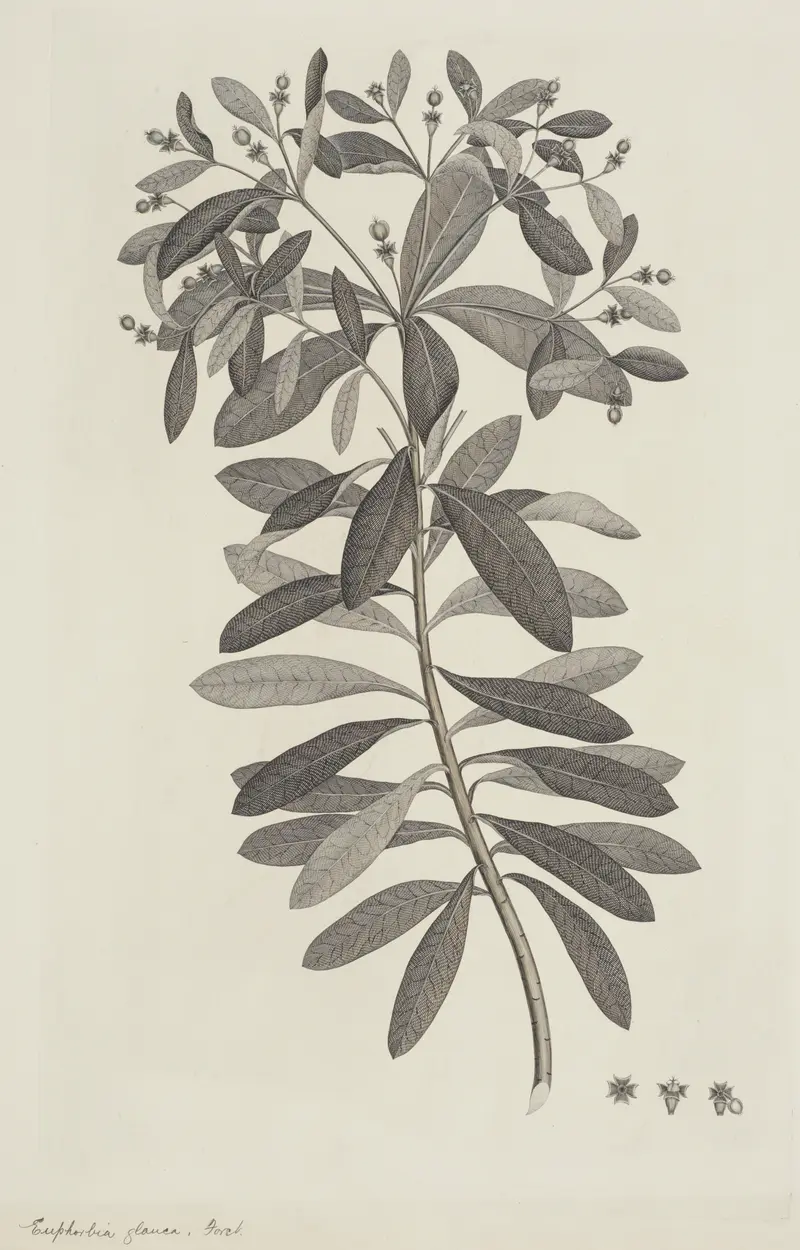
What first draws the eye in this botanical engraving is the almost sculptural fullness of the central bloom, its petals rendered with such precision that one can almost feel their waxy texture. The artist’s hand guides us from the clustered roots at the base, up through the elegantly twisting stems, to the triumphant flowers at their peak. Each leaf and petal is etched with a care that borders on reverence, the veins and serrated edges described in sharp, deliberate lines.
The subtle play of light and shadow across the foliage gives the plants a three-dimensional clarity, as if they have just been plucked from a garden and pressed onto the page. Here, the arrangement is not random: the tallest stems frame the central flower, drawing attention to its layered complexity, while the Latin names anchor each specimen in the world of learned inquiry. Created in 1640, this plate belongs to a period when botanical illustration was both a scientific pursuit and a display of artistic skill. Works like this, often commissioned for princely collections or scholarly gardens, served as vital records in an age when new plants were flooding into Europe from distant lands.
The Hortus Eystettensis, from which this plate comes, was a landmark in the history of botanical books, marrying meticulous observation with the era’s hunger for order and beauty. Though little is recorded about the individual journey of this particular sheet, its survival in a modern digital collection speaks to the enduring fascination with early modern attempts to catalogue and celebrate the natural world. Let your eye linger on the details—the careful hatching, the subtle gradations of tone—and imagine the world of curiosity and discovery from which it sprang.
More Artworks by Basilius Besler
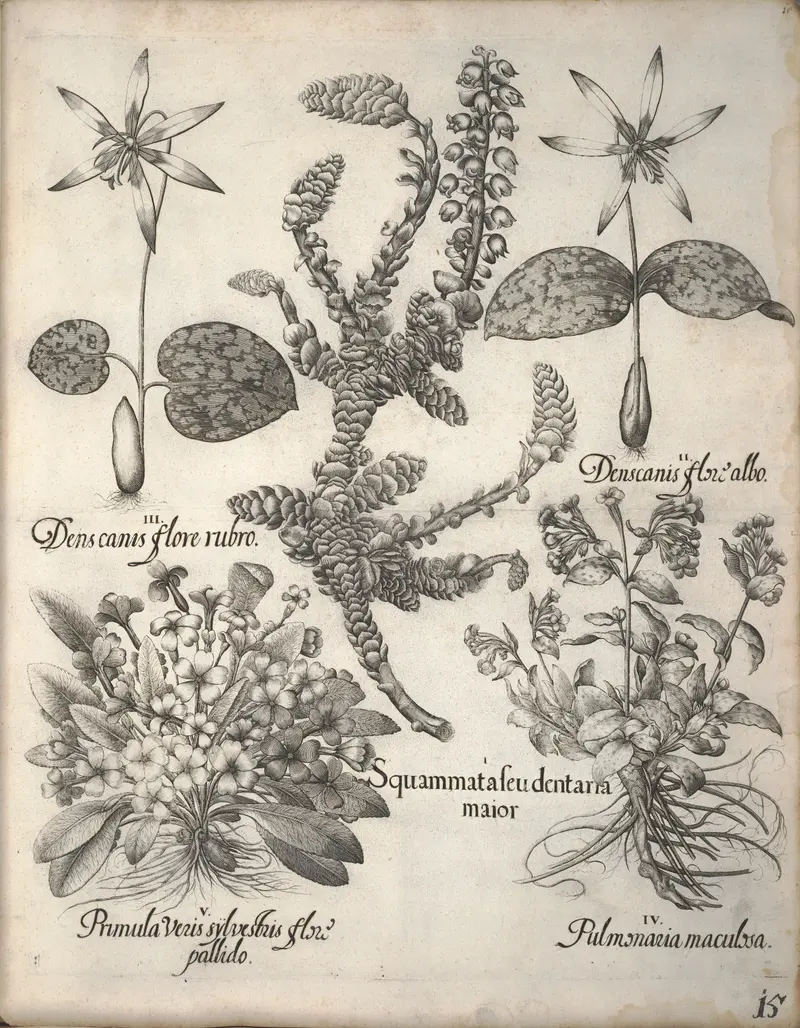
Spring Garden, Plate 15 (Hortus Eystettensis)
Basilius Besler
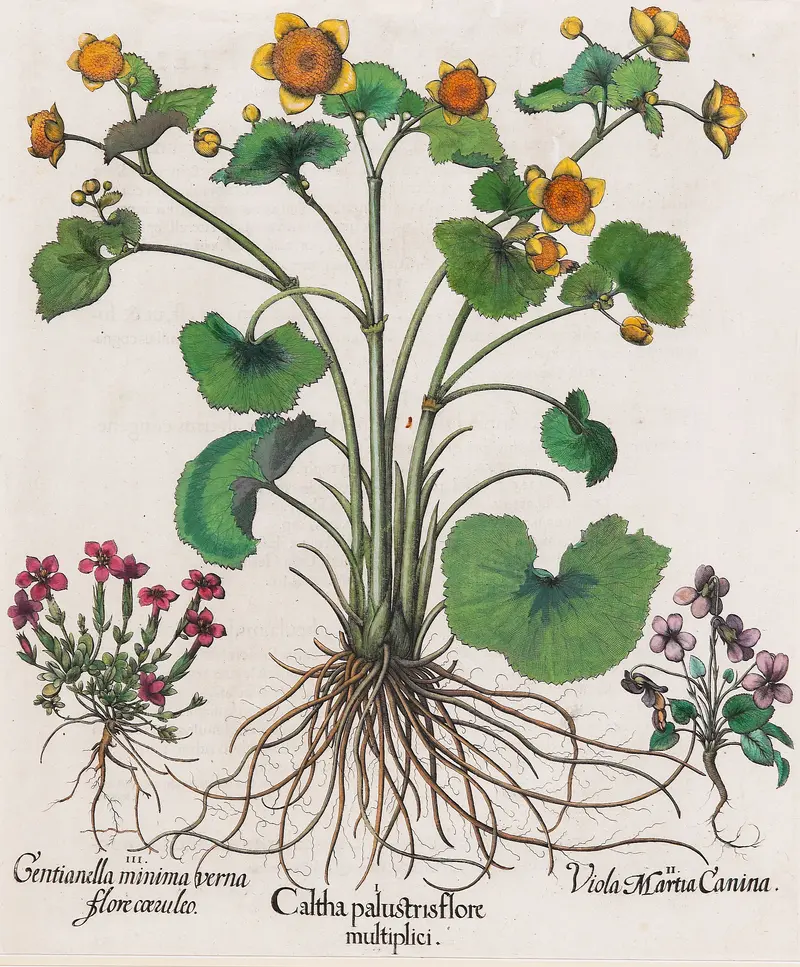
Marsh Marigold (Caltha palustris)
Basilius Besler

Tulips (Hortus Eystettensis)
Basilius Besler

Tulips II (Hortus Eystettensis)
Basilius Besler

Snapdragons (Antirrhinum)
Basilius Besler
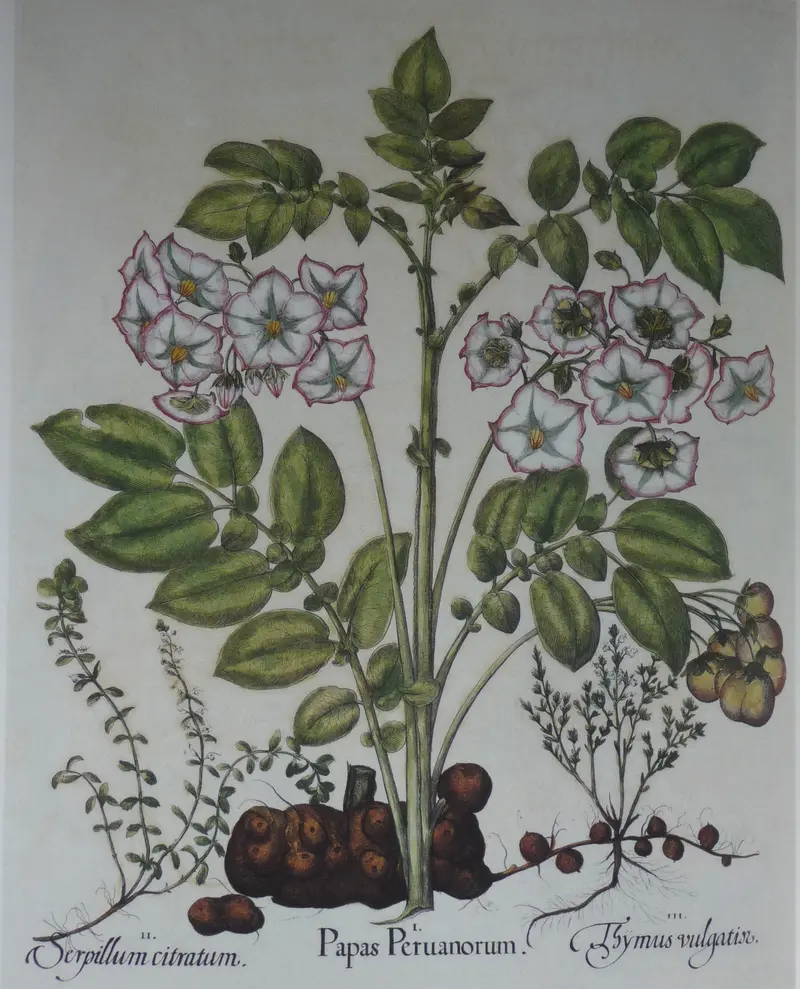
Peruvian Potato Flower (Papas Peruanorum)
Basilius Besler
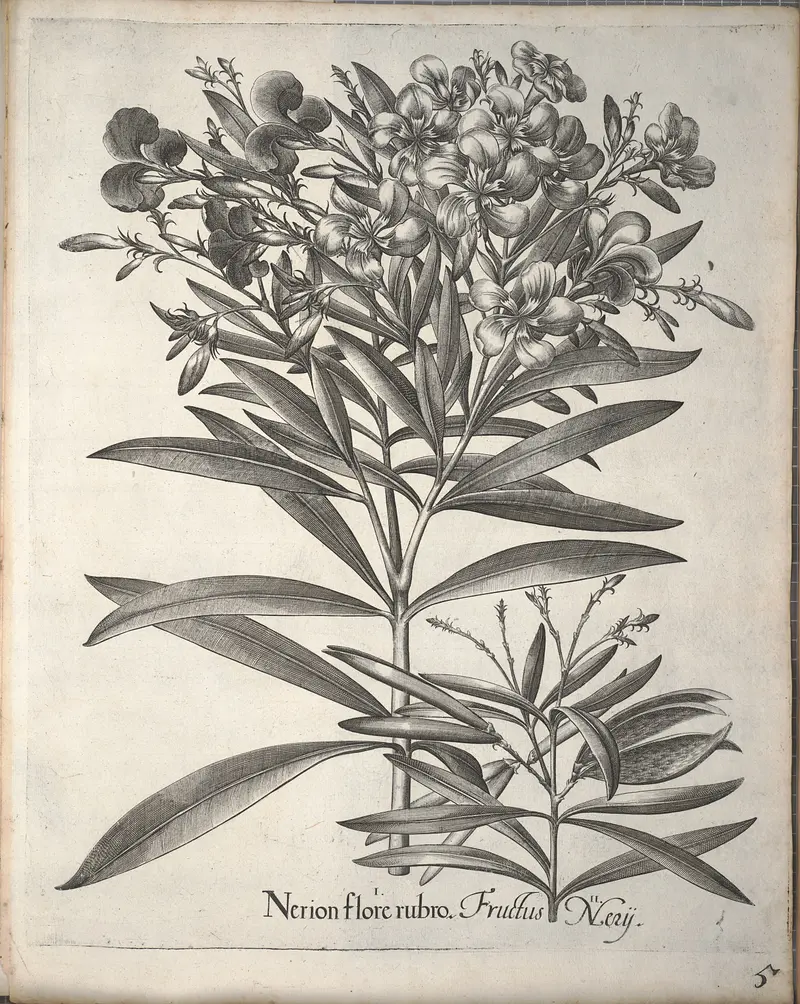
Summer Garden, Plate 5 (Hortus Eystettensis)
Basilius Besler
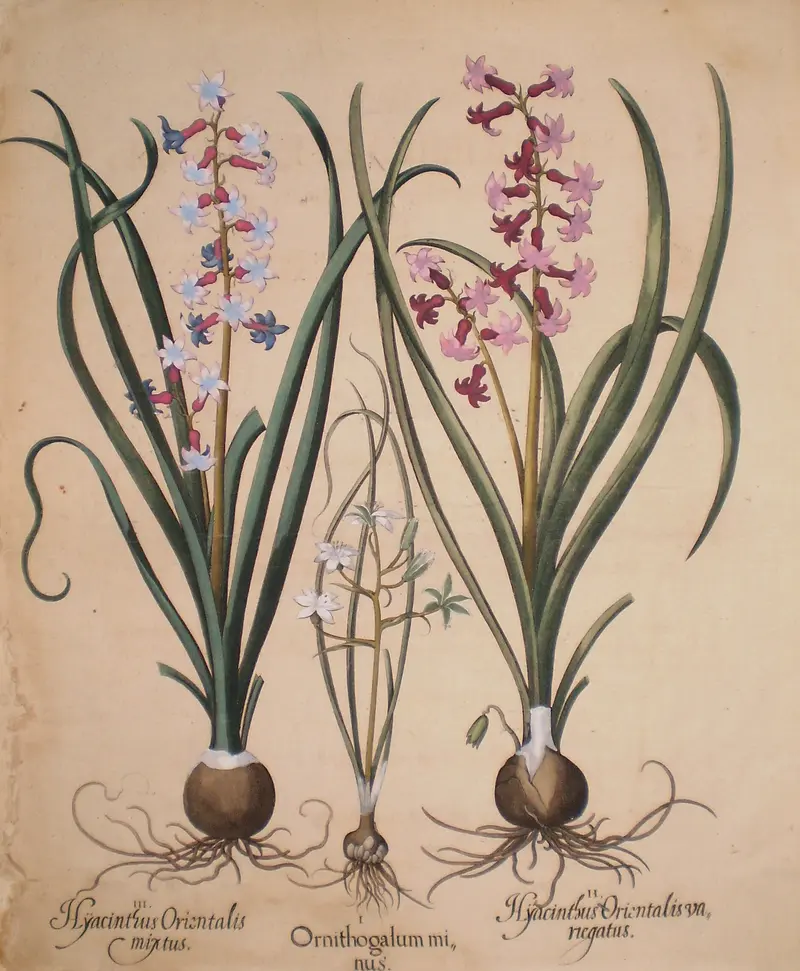
Hyacinths and Star-of-Bethlehem
Basilius Besler
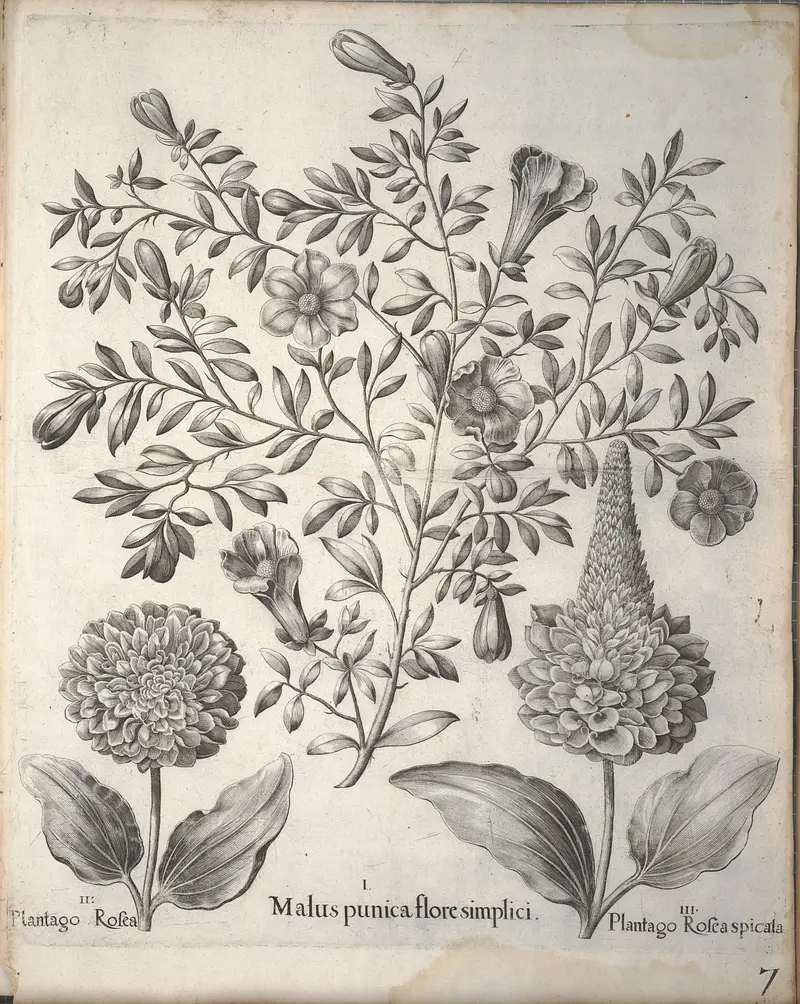
Summer Garden, Plate 7 (Hortus Eystettensis)
Basilius Besler
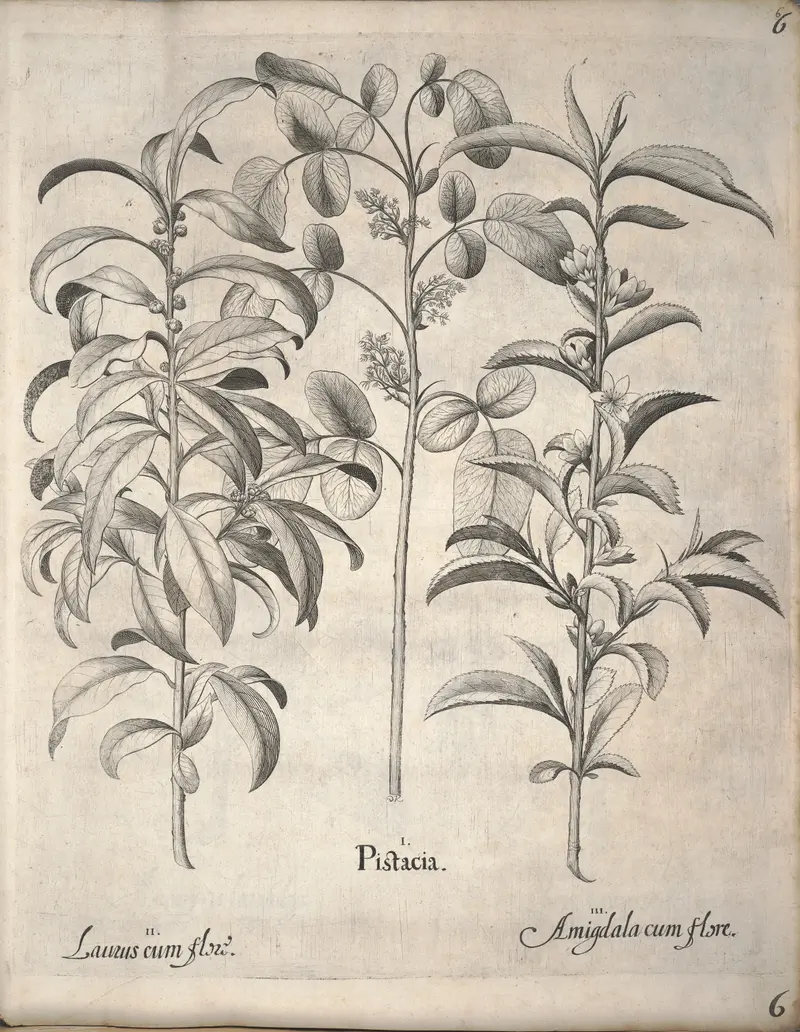
Spring Garden, Plate 6 (Hortus Eystettensis)
Basilius Besler