Spring Garden, Plate 8 (Hortus Eystettensis) — History & Facts
What first catches the eye in this plate is the precision with which each plant is rendered—roots, leaves, fruit, and blossom all given equal weight, as if the page itself were a garden bed. The central specimen, labeled Staphylodendron, anchors the composition with its heavy, pendulous fruit, while the surrounding clematis varieties seem to lean in, their roots exposed and curling, as if seeking the same soil. Every vein and petal is etched with a clarity that invites close inspection, the artist’s hand guiding the viewer to notice not just the beauty but the structure and individuality of each species.
The absence of color sharpens the focus on form and texture, making the botanical details feel almost sculptural. This is a page that rewards the curious eye; every cluster of berries and tangle of roots is a quiet revelation. Created in 1640, this work belongs to a world where the boundaries between art and science were being redrawn. Botanical illustration in this era was both a tool for knowledge and a display of wealth and curiosity, often commissioned by princes and scholars eager to catalogue the wonders of their gardens or distant lands.
Spring Garden, Plate 8 (Hortus Eystettensis) by Basilius Besler comes from a tradition where books were prized as much for their artistry as for their accuracy, and the careful Latin inscriptions reflect a time when Latin was the language of learned Europe. Though the individual history of this sheet is little recorded, it stands as a testament to the age’s hunger for order and beauty, and invites us to look again, not just at the plants, but at the minds that first sought to capture them on paper.
More Artworks by Basilius Besler
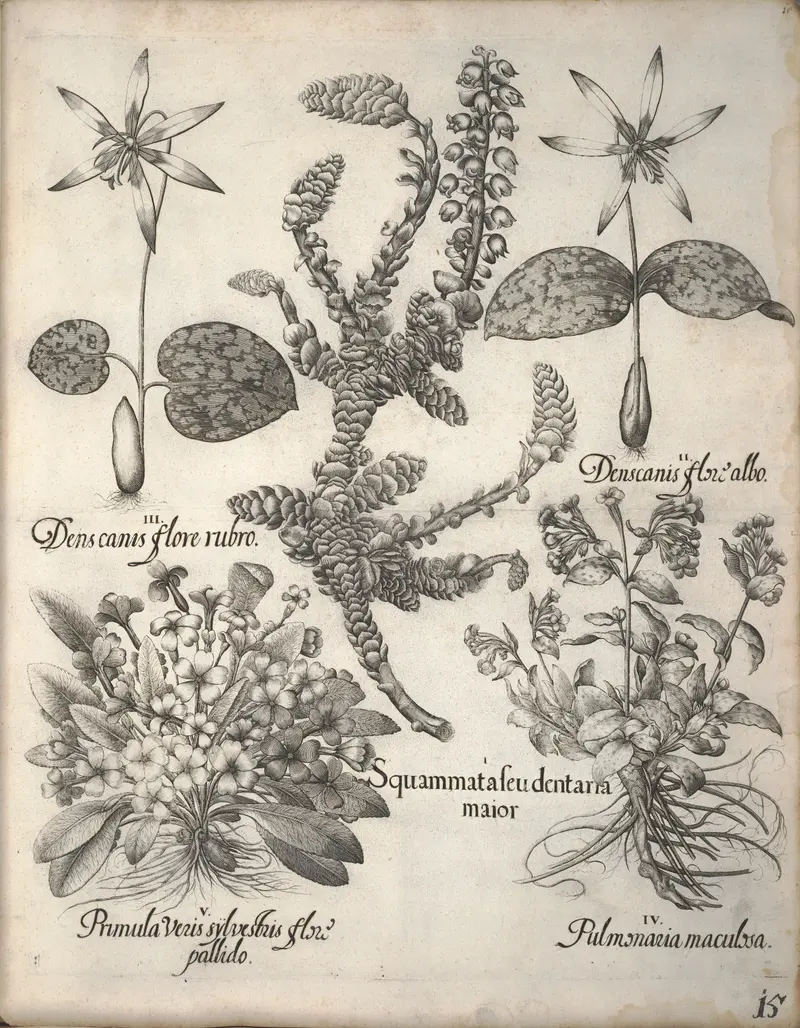
Spring Garden, Plate 15 (Hortus Eystettensis)
Basilius Besler
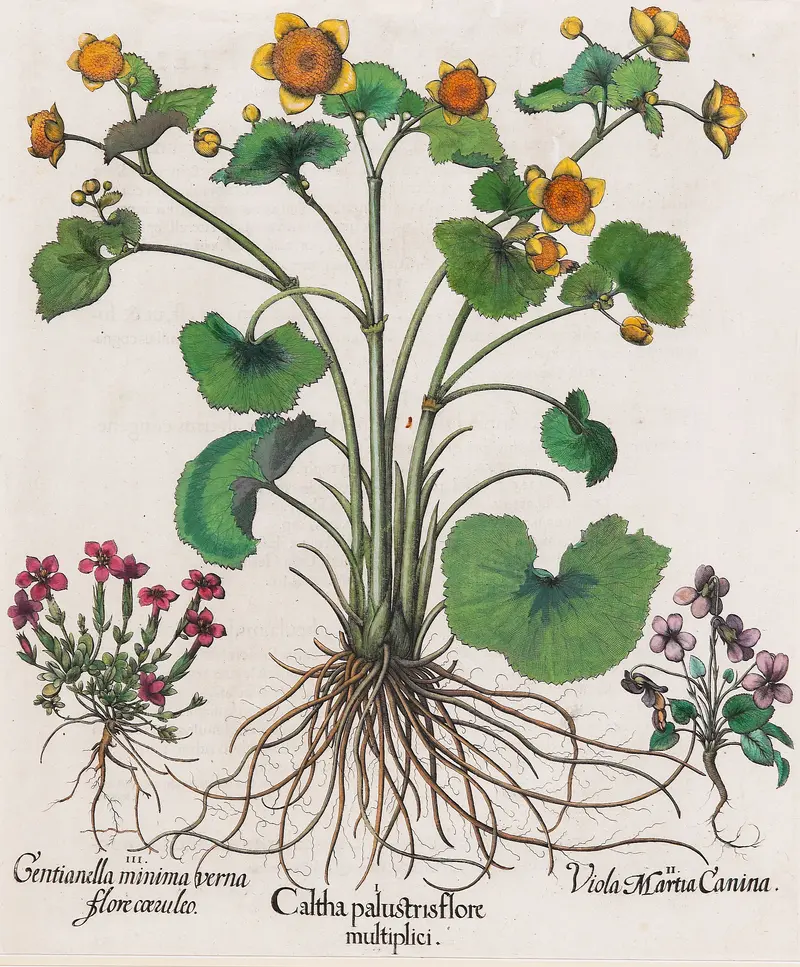
Marsh Marigold (Caltha palustris)
Basilius Besler

Tulips (Hortus Eystettensis)
Basilius Besler

Tulips II (Hortus Eystettensis)
Basilius Besler

Snapdragons (Antirrhinum)
Basilius Besler
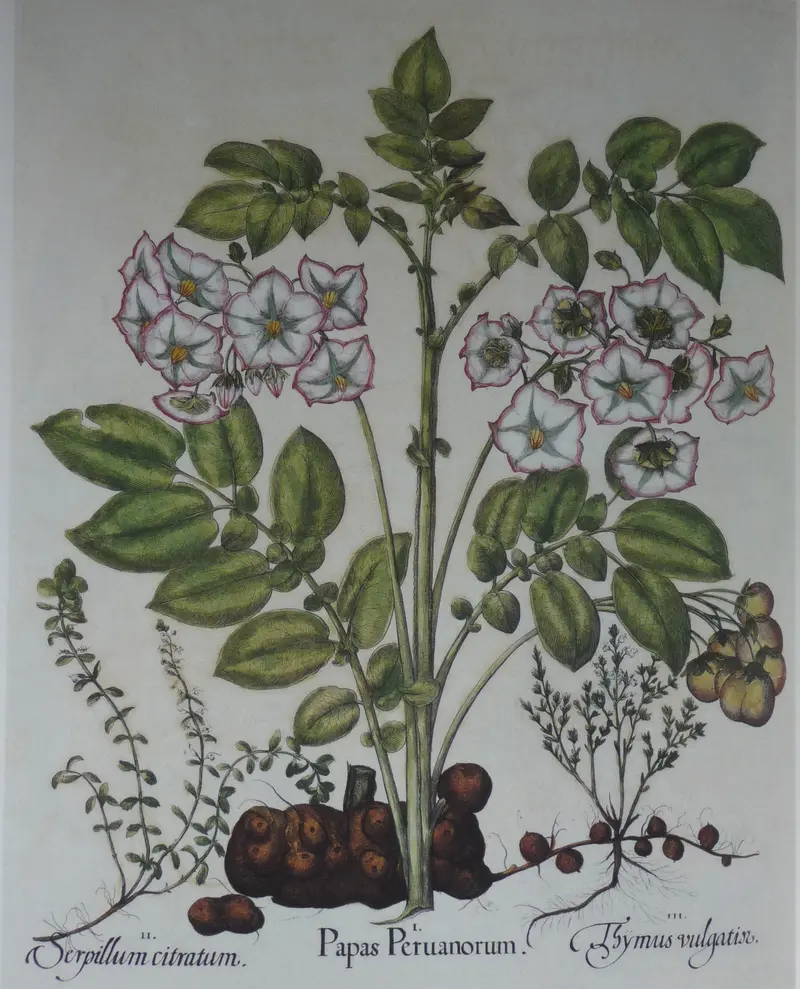
Peruvian Potato Flower (Papas Peruanorum)
Basilius Besler
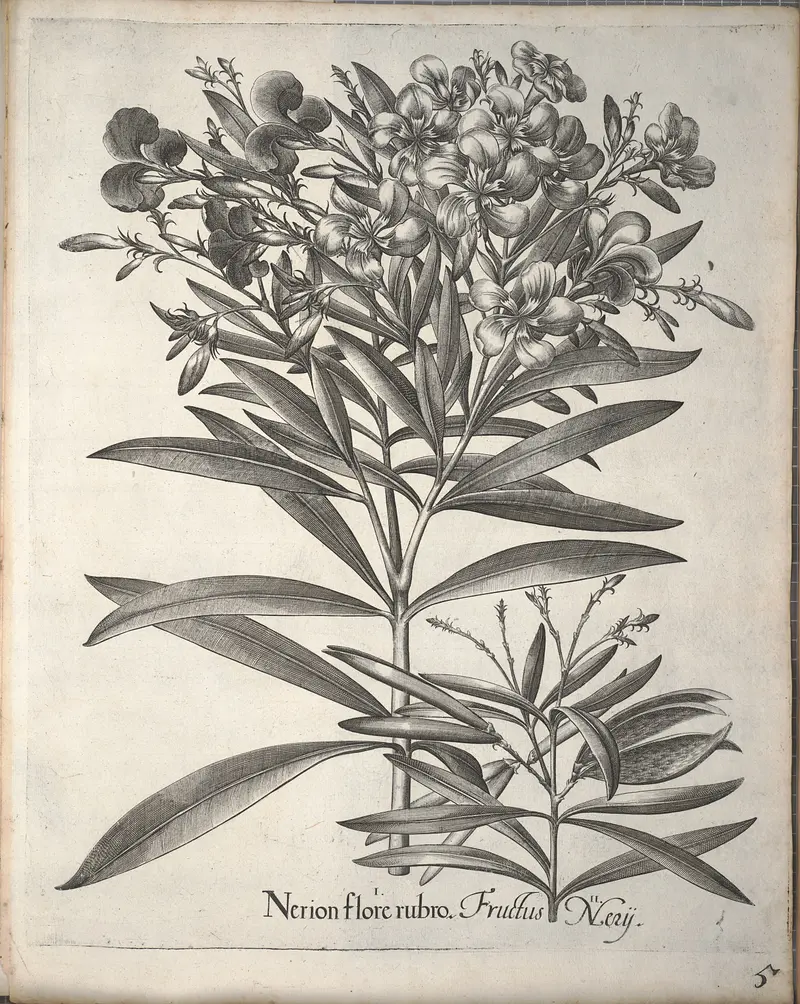
Summer Garden, Plate 5 (Hortus Eystettensis)
Basilius Besler
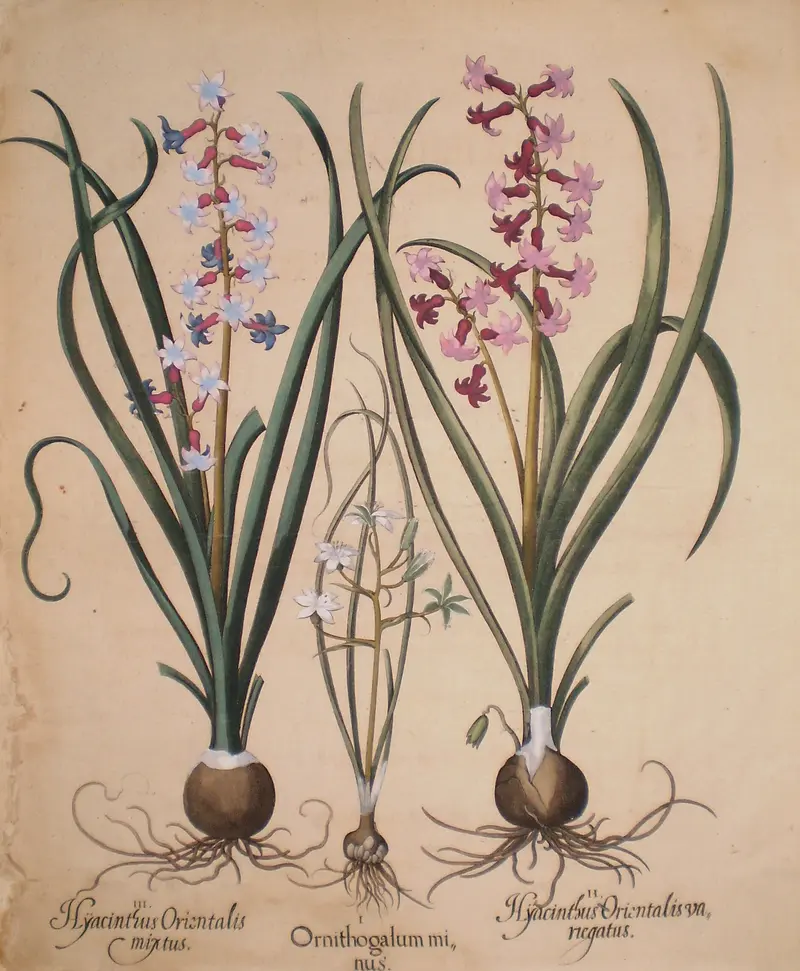
Hyacinths and Star-of-Bethlehem
Basilius Besler
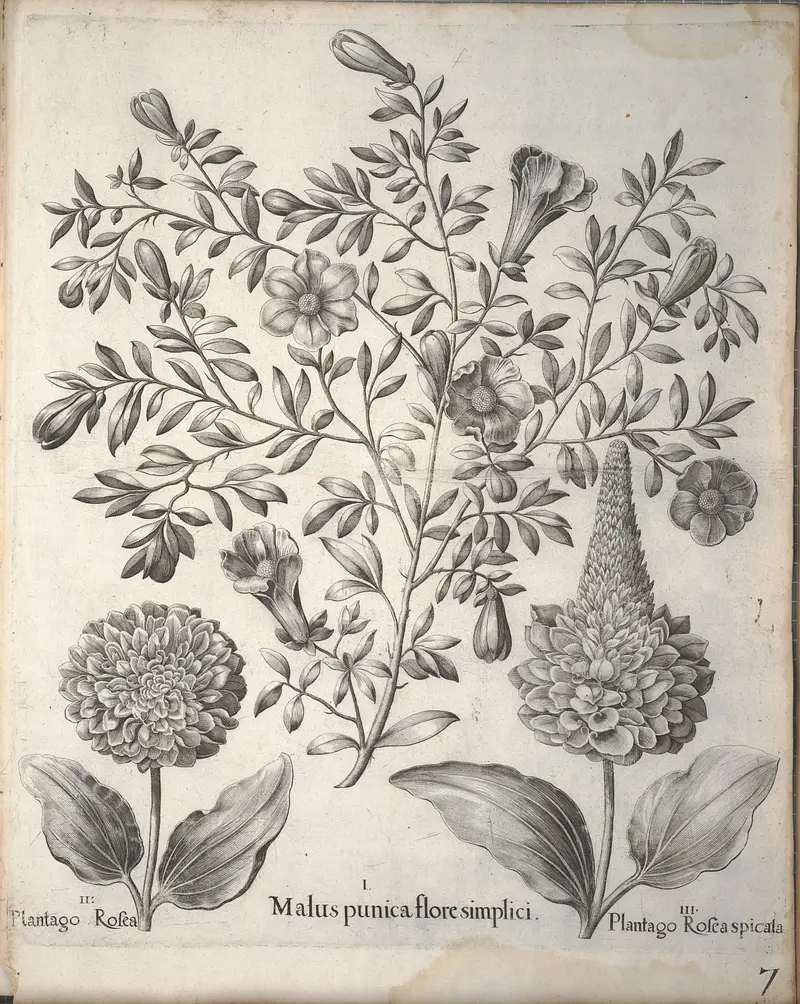
Summer Garden, Plate 7 (Hortus Eystettensis)
Basilius Besler
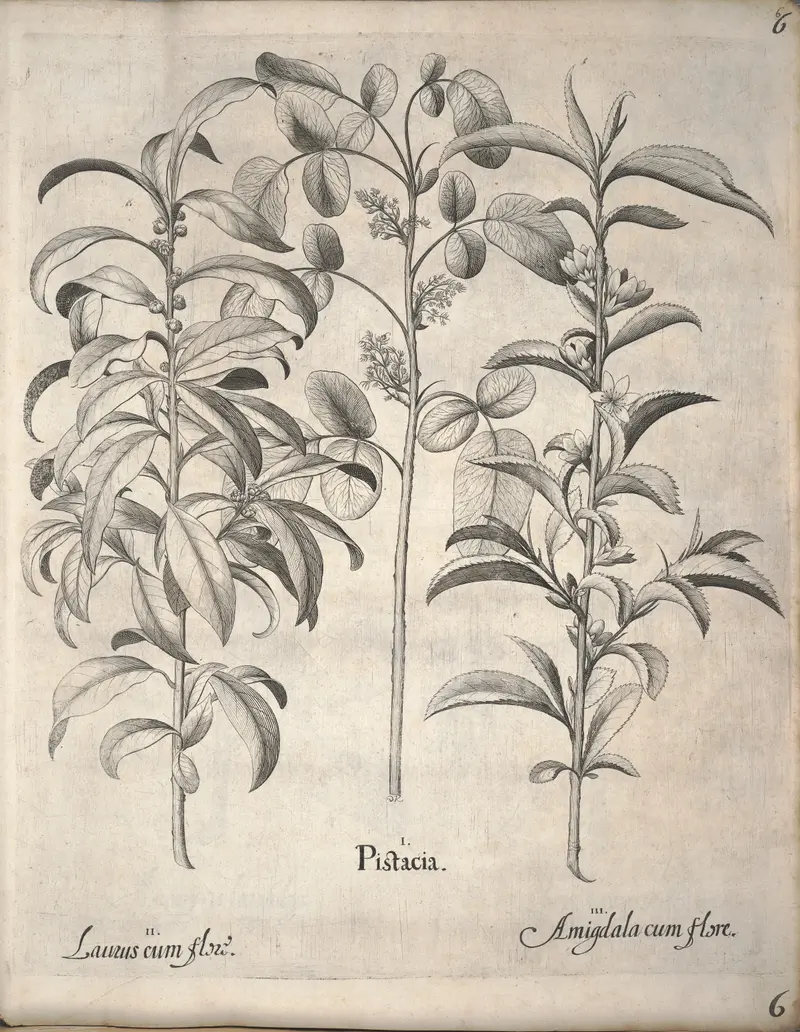
Spring Garden, Plate 6 (Hortus Eystettensis)
Basilius Besler