
Spring, study for the Jusélius Mausoleum frescos — History & Facts
A single moment of expectancy holds the hillside: a boy, barefoot and intent, stretches upward to tie a budding branch, while two children watch him with wide-eyed wonder. The woman to the left, crowned with early blossoms, stands apart in dark dress, her gaze turned inward as she lifts a sprig to her lips. The landscape itself—soft green slopes, a winding river, distant blue hills—feels suspended between the stillness of winter’s end and the promise of growth.
Light pools gently across the children’s white garments, drawing the viewer’s eye to their faces, where curiosity and awe mingle. Every gesture and glance in this scene is a quiet celebration of renewal, as if the world is pausing to witness the first breath of spring. Painted in 1903, this work belongs to a moment when Finnish artists like Akseli Gallen-Kallela sought to capture the spirit of their homeland through myth, landscape, and everyday ritual. The early twentieth century saw a surge of national romanticism in Finland, with artists turning to local folklore and the rhythms of rural life for inspiration.
While little is recorded about the specific journey of this study—now in the Bridgeman Art Library—its purpose as a preparatory work for a mausoleum fresco hints at the era’s reverence for cycles of life and nature. The painting invites us to linger in the hush before the season’s awakening, to find meaning in the smallest gestures beneath the birch trees.
More Artworks by Akseli Gallen-Kallela
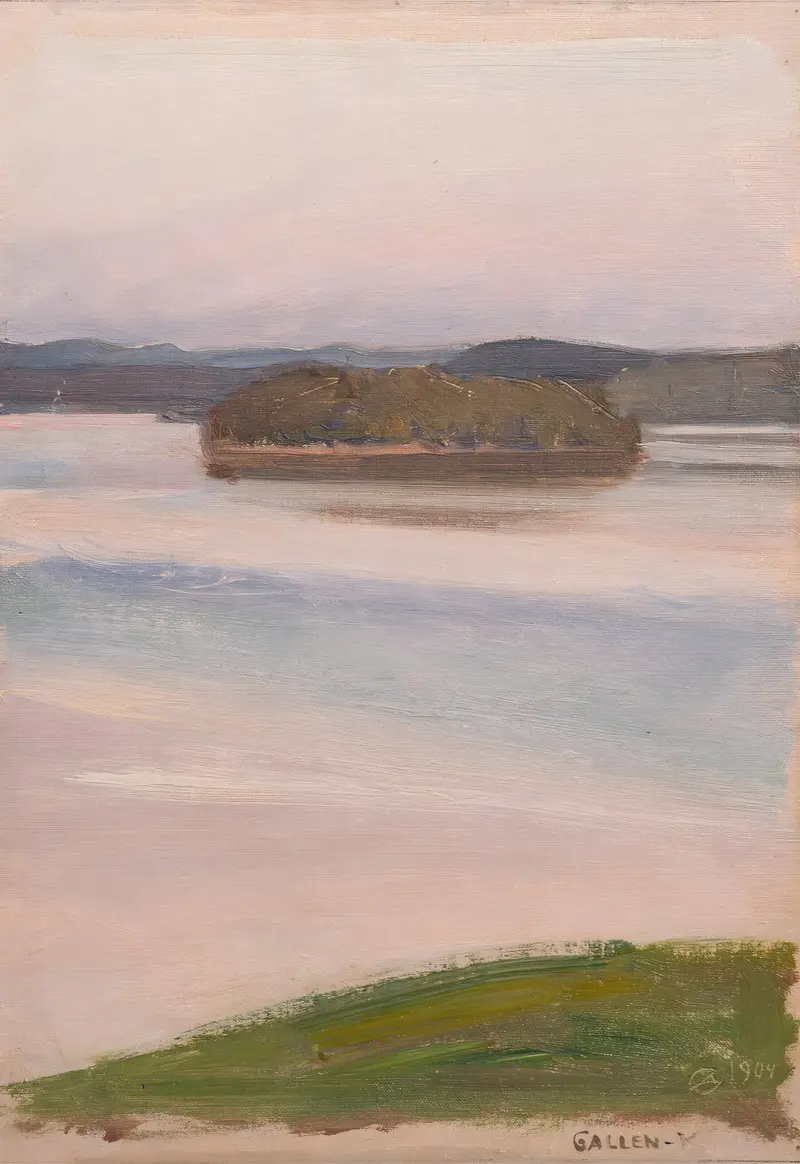
Lake Keitele
Akseli Gallen-Kallela
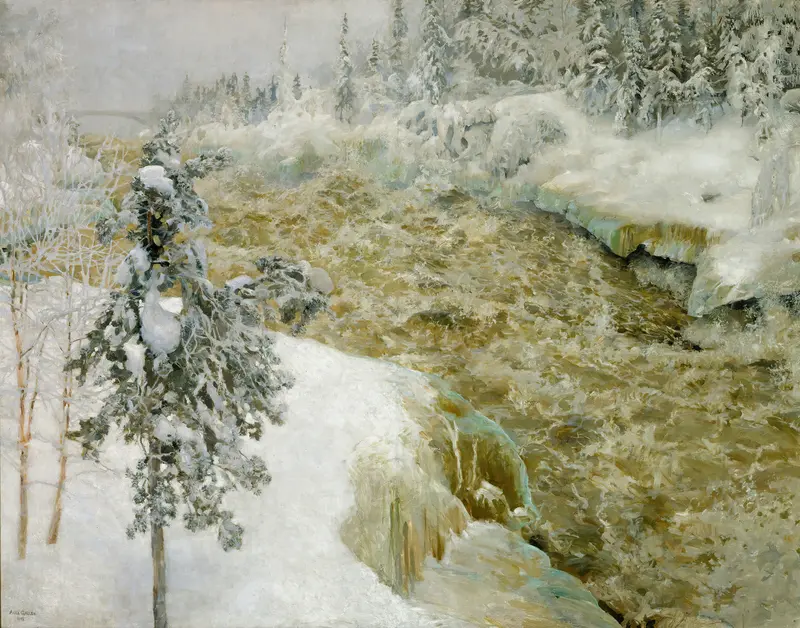
Imatra Falls in Snow ; Imatra in Winter
Akseli Gallen-Kallela
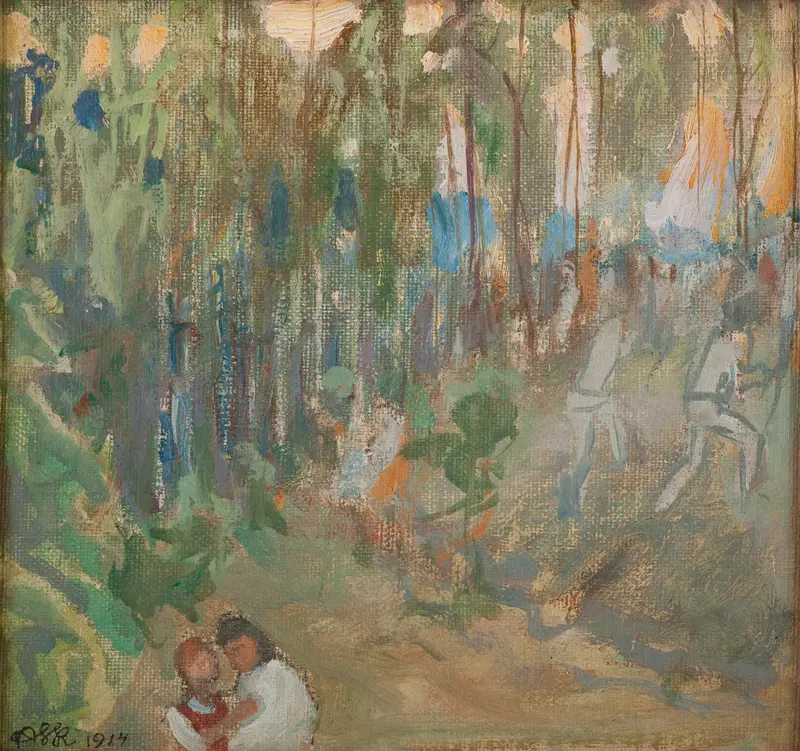
Vainovalkeat
Akseli Gallen-Kallela
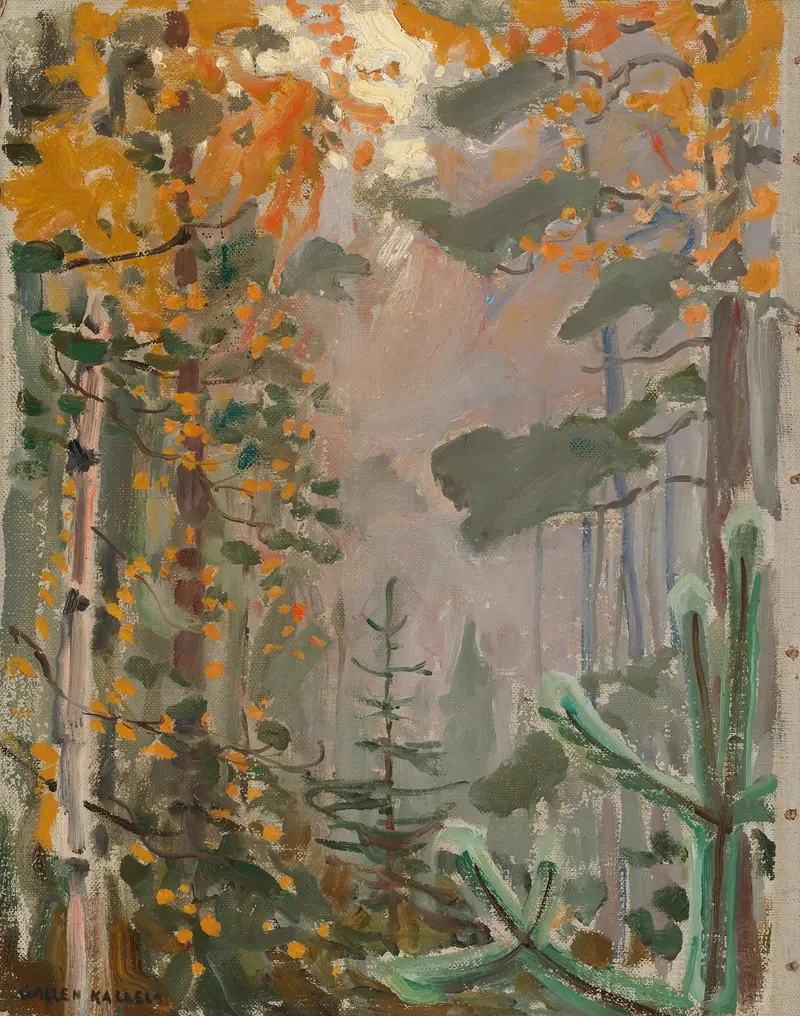
Autumn Landscape
Akseli Gallen-Kallela
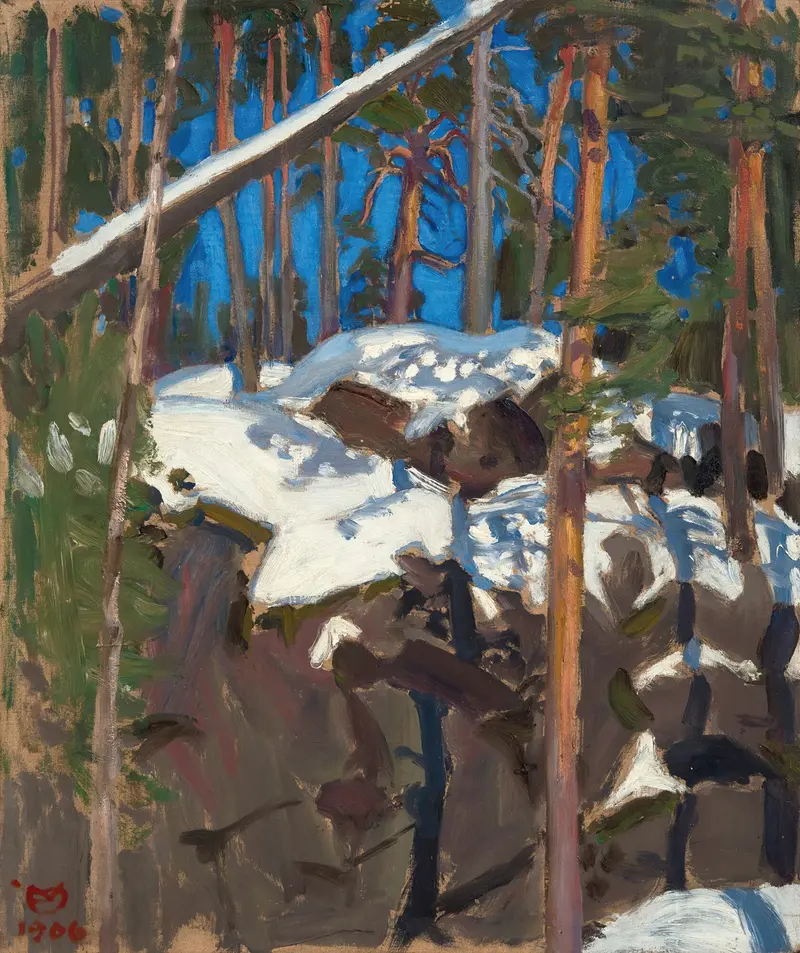
Spring Sun At Konginkangas
Akseli Gallen-Kallela
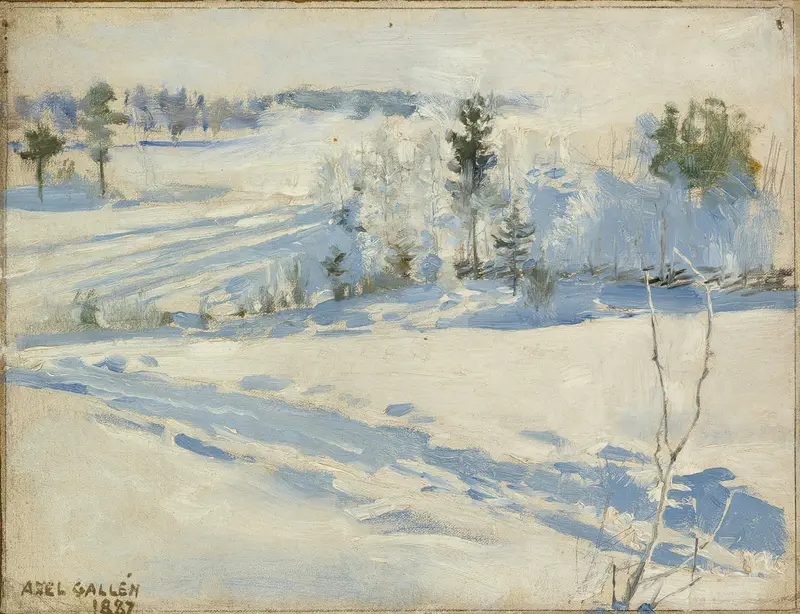
Winter Landscape
Akseli Gallen-Kallela

First Snow
Akseli Gallen-Kallela
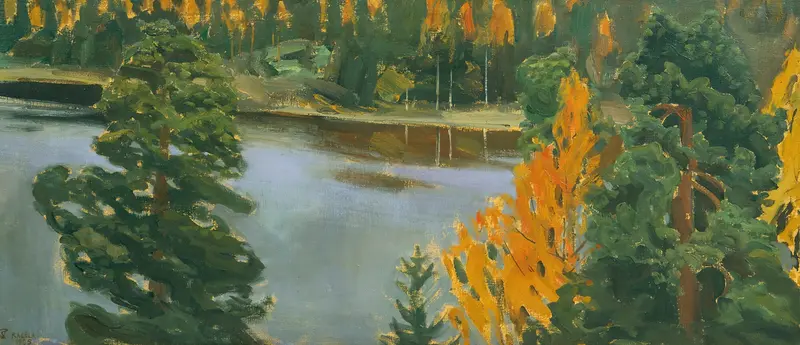
Lake View In Autumn
Akseli Gallen-Kallela
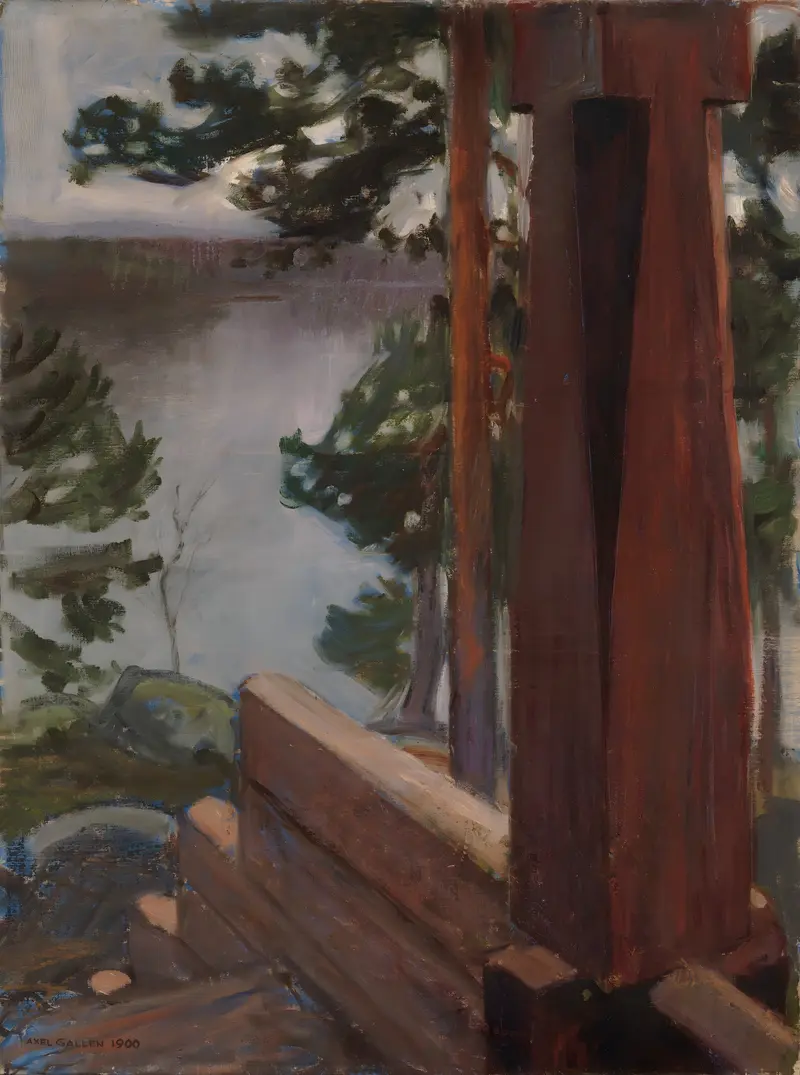
The Kalela Porch
Akseli Gallen-Kallela

Light Behind The Clouds
Akseli Gallen-Kallela
More Landscape Art

The Starry Night
Vincent van Gogh

View of Delft
Johannes Vermeer

Water Lilies
Claude Monet

The Grand Canal, Venice, looking north-west from the Ca' Corner to the Ca' Contarini degli Scrigni, with the campanile of Santa Maria della Carità
Canaletto

Windsor Castle
Canaletto

The Grand Canal looking North-East from the Palazzo Dolfin-Manin to the Rialto Bridge
Canaletto