Springtime — History & Analysis
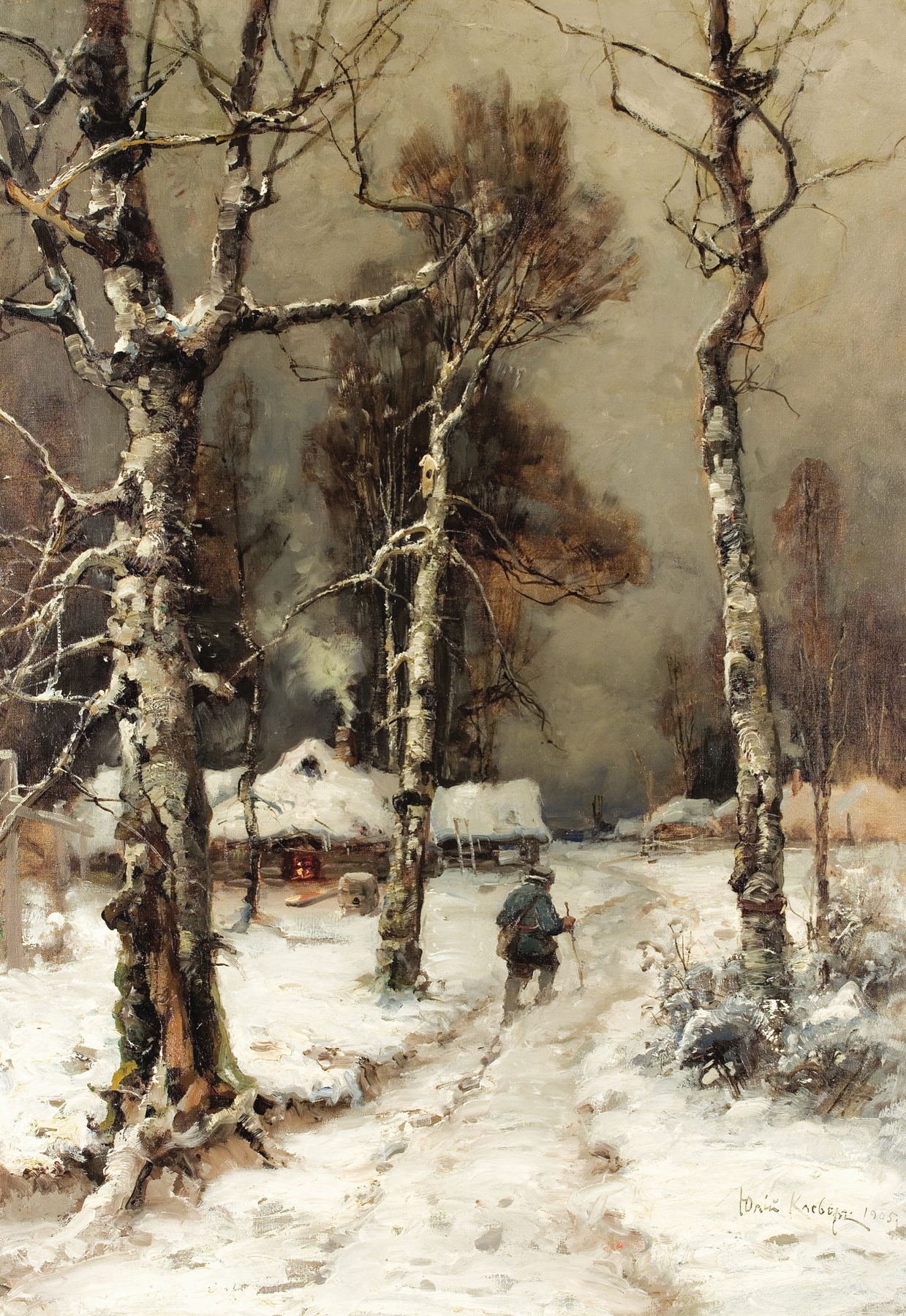
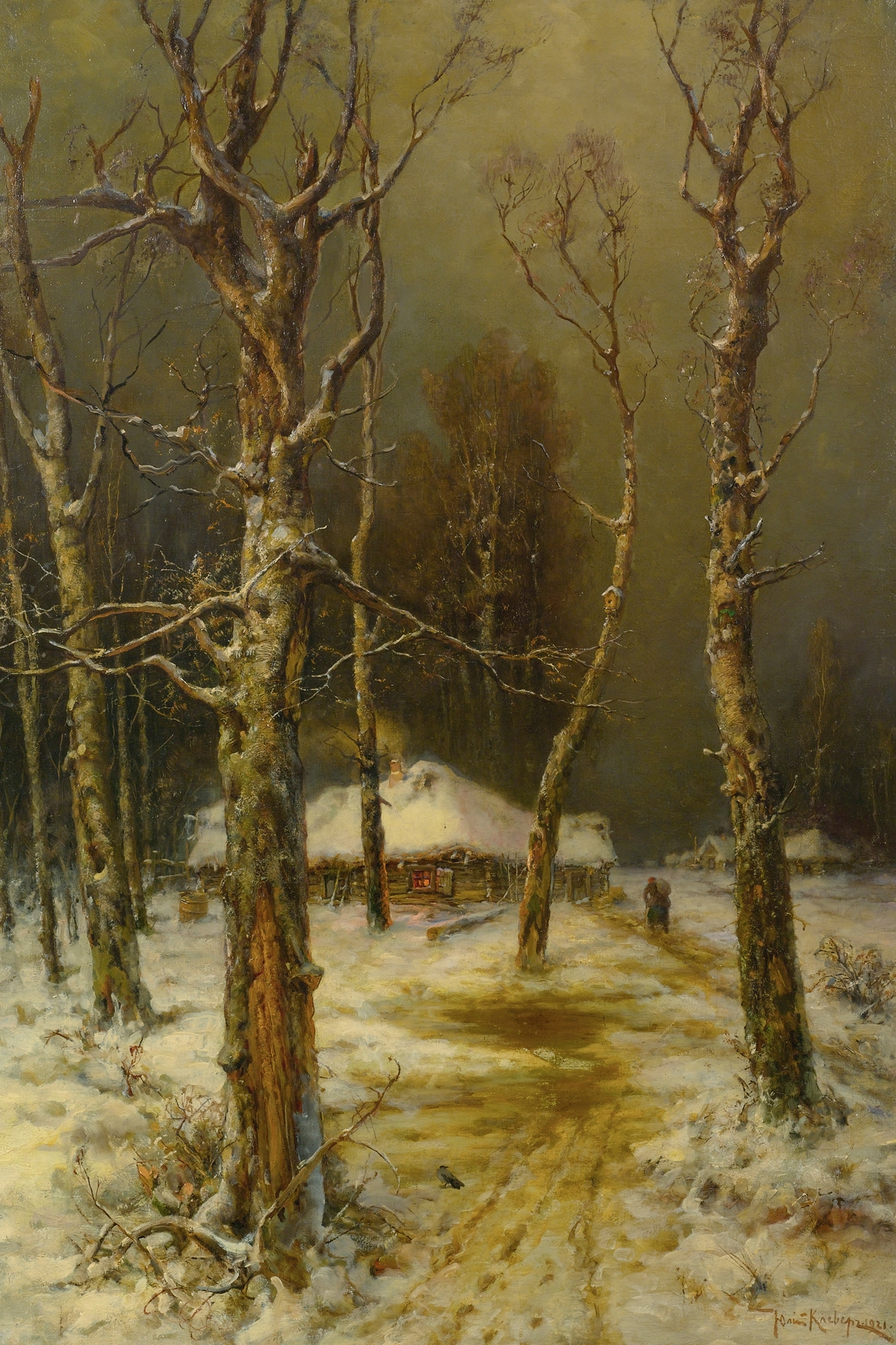
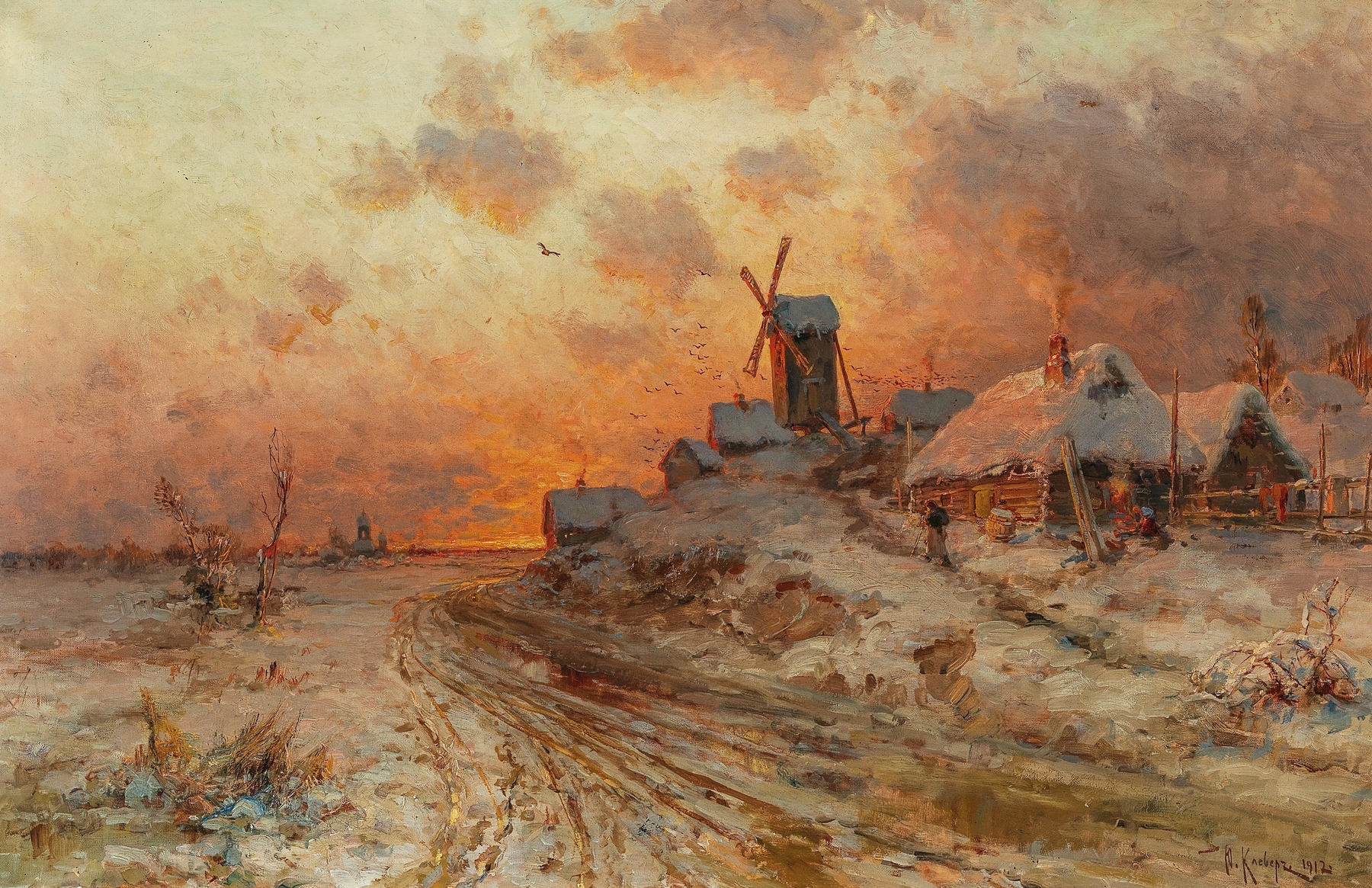
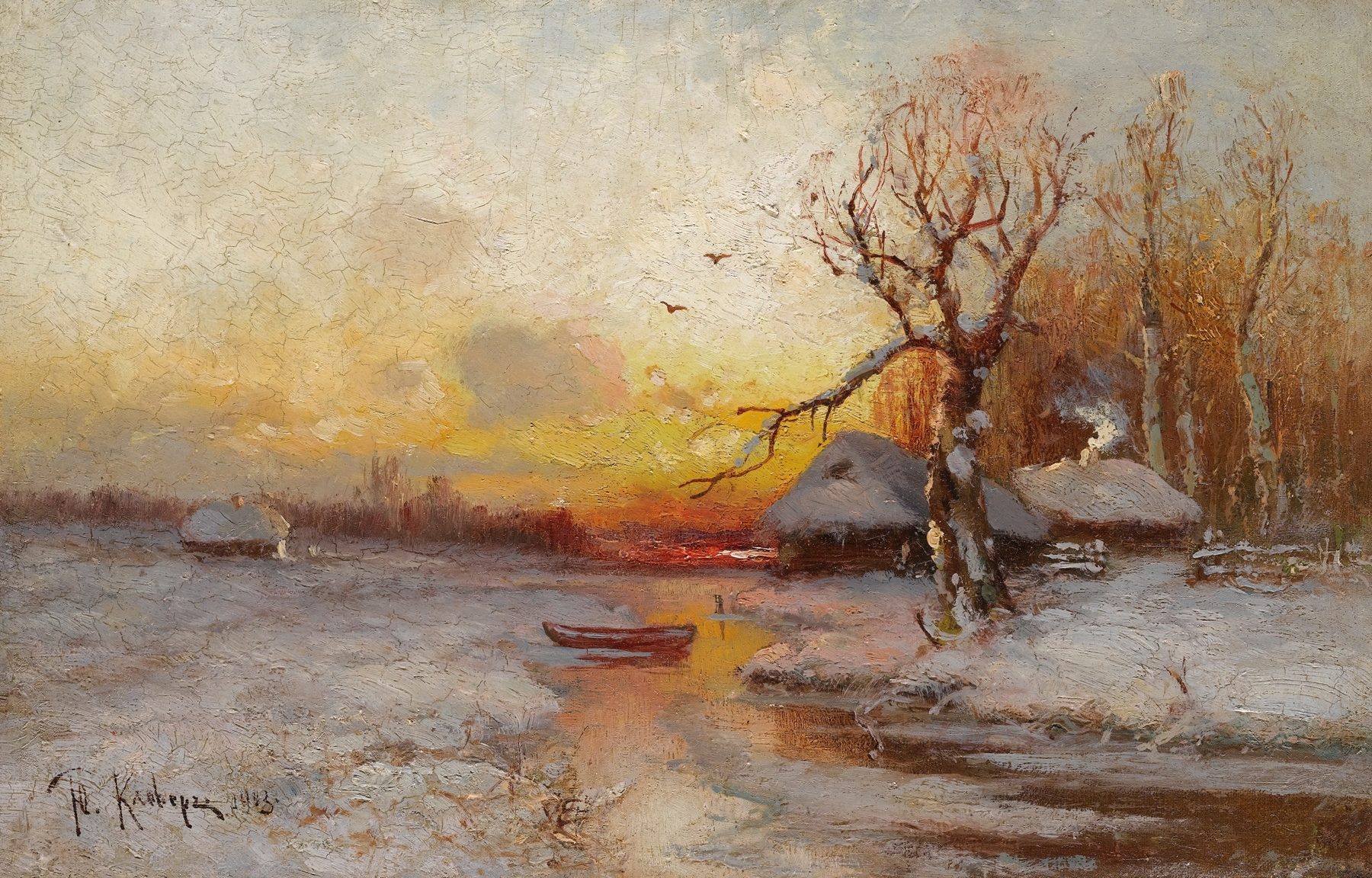
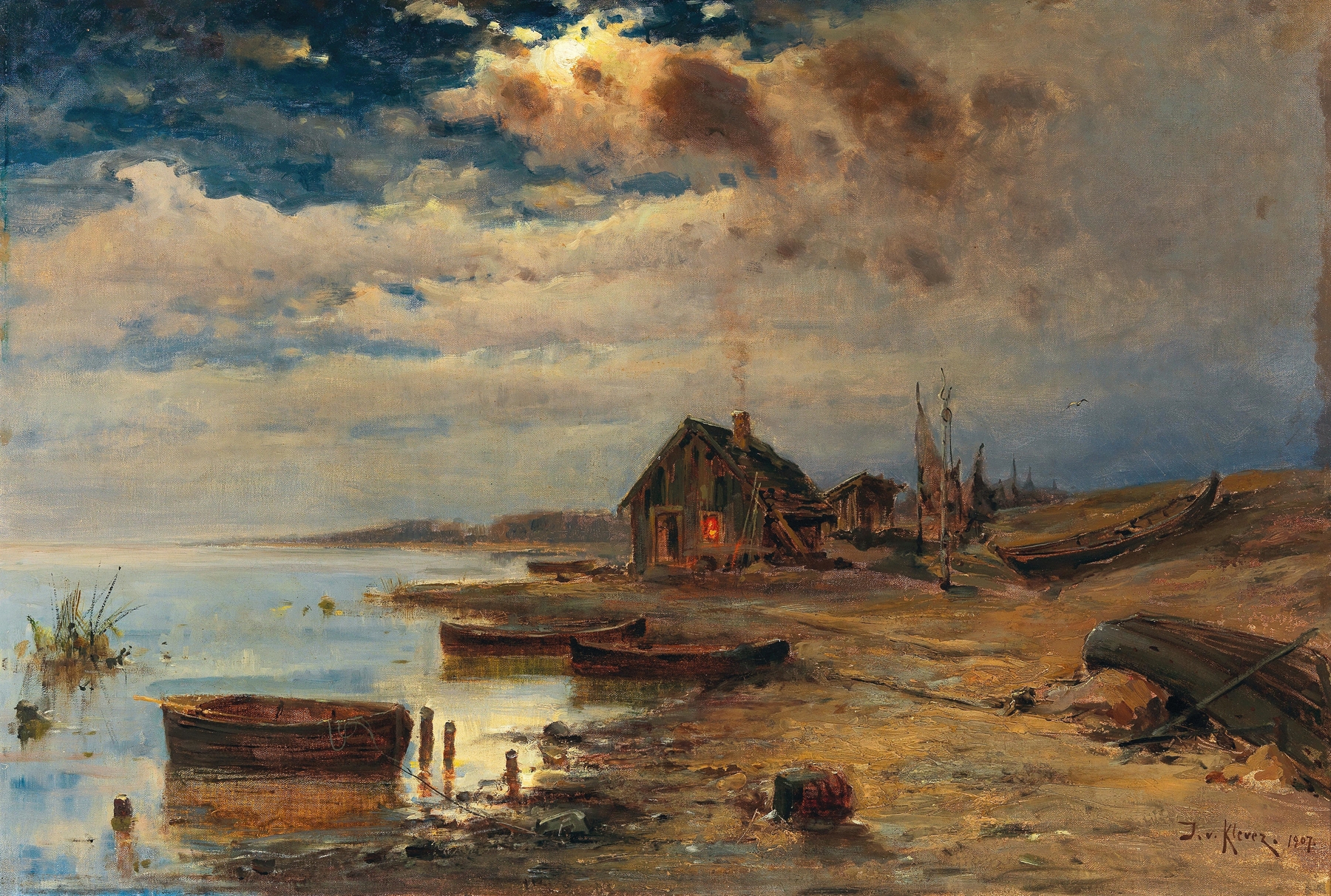
“Every silence here is a confession.” In the stillness of spring, nature unveils a tender legacy that speaks across generations, inviting reflection and reverence. Look to the center of the canvas where lush greens unfurl with vibrant life, each brushstroke imbued with a palpable energy that breathes warmth into the scene. Notice how sunlight filters through the canopy above, dappling the ground with golden patches that dance across the flora. The delicate interplay of light and shadow builds a palpable rhythm, guiding the viewer's gaze from the playful flowers to the tranquil backdrop of the forest, all expertly framed by the artist's meticulous attention to detail.
As you delve deeper, examine the juxtaposition of vibrancy and stillness. The lively blooms, bursting with color, stand in stark contrast to the quiet, almost reverent air surrounding them — an evocation of renewal amidst the inevitable passage of time. Hidden within the rich tapestry of greens and pastels are whispers of melancholy; the fleeting beauty of spring symbolizes both life's ephemeral nature and the enduring legacy it leaves behind. Each petal and leaf connotes a story, a memory cherished, yet destined to fade.
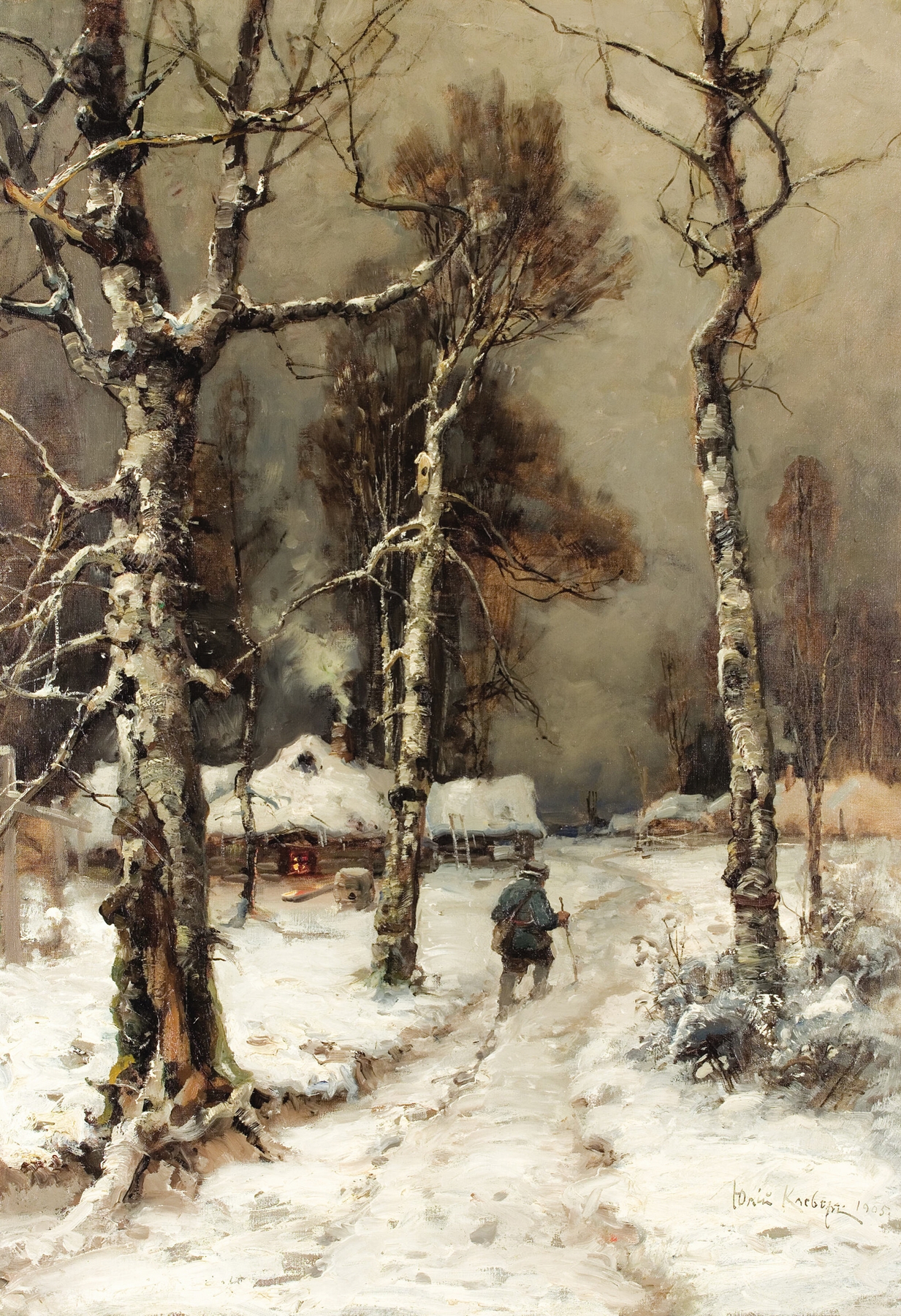
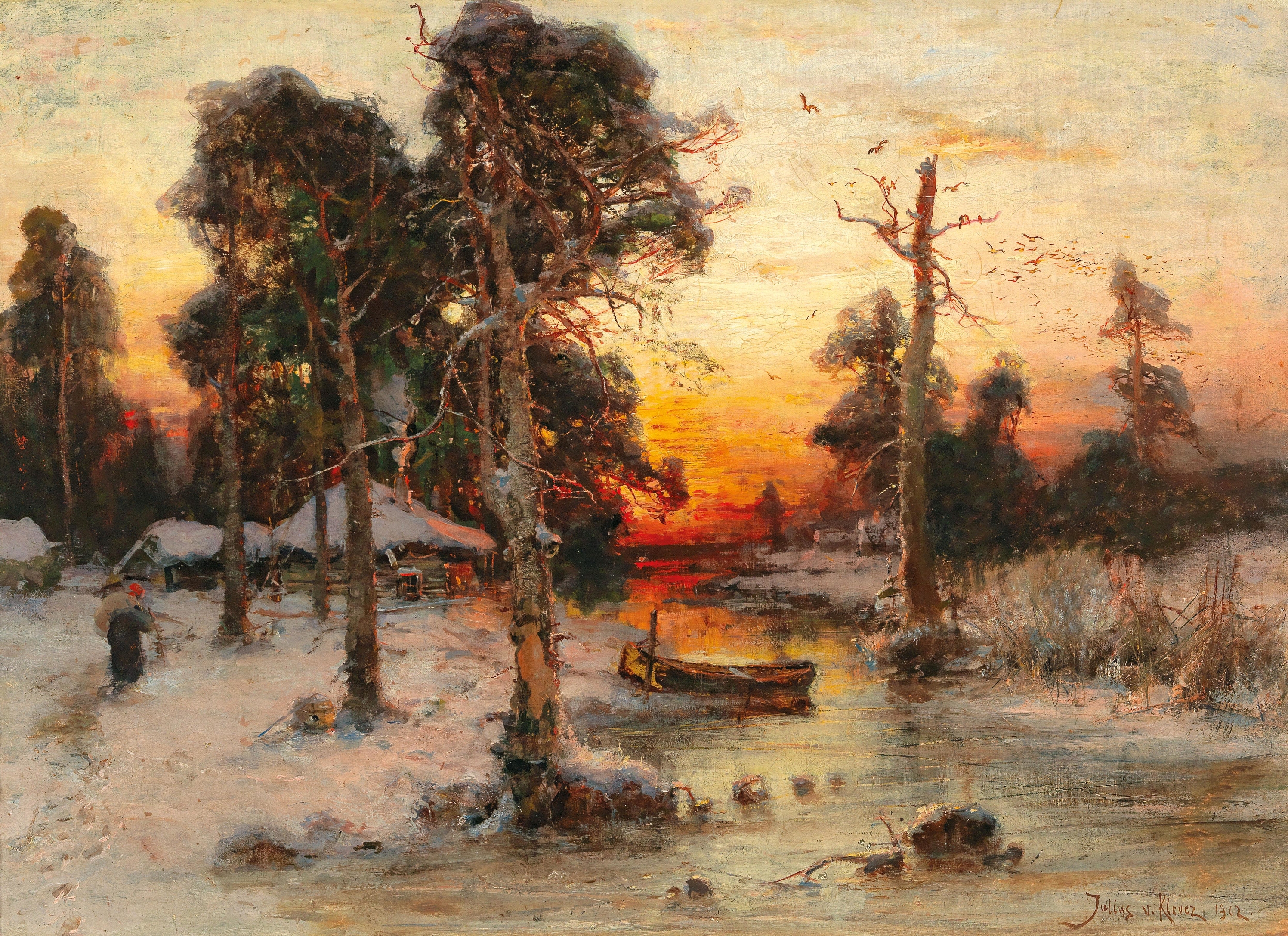
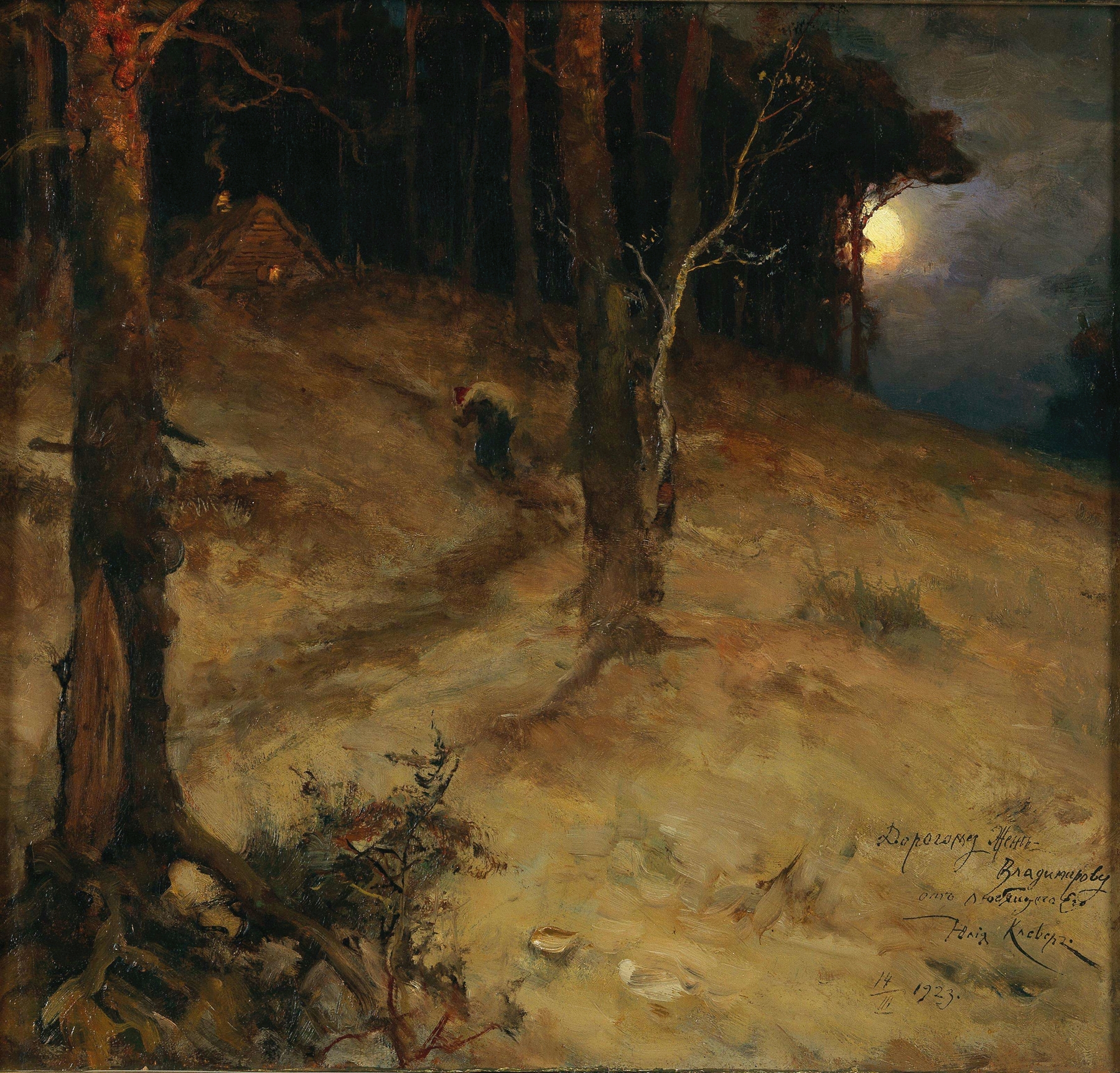
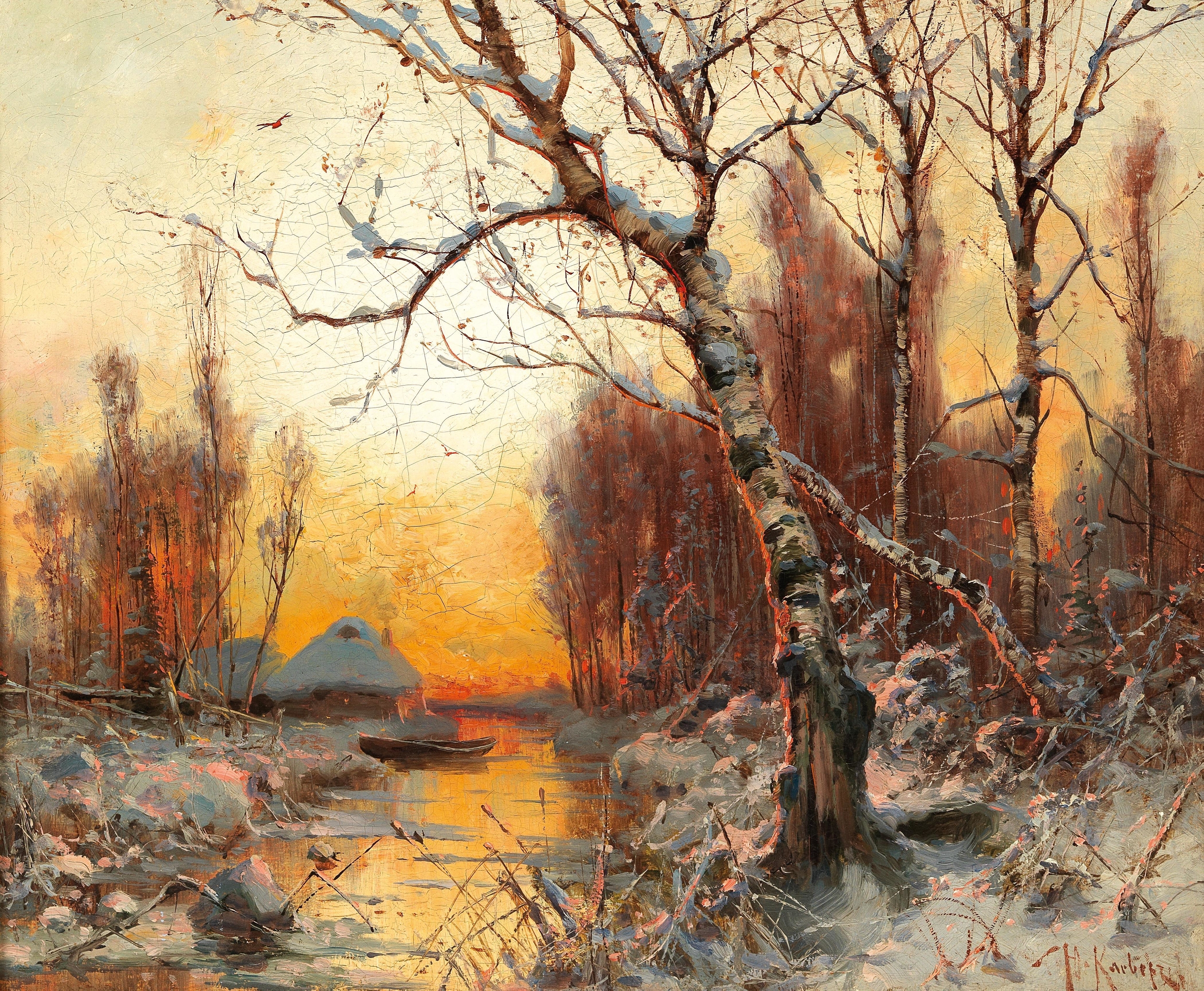
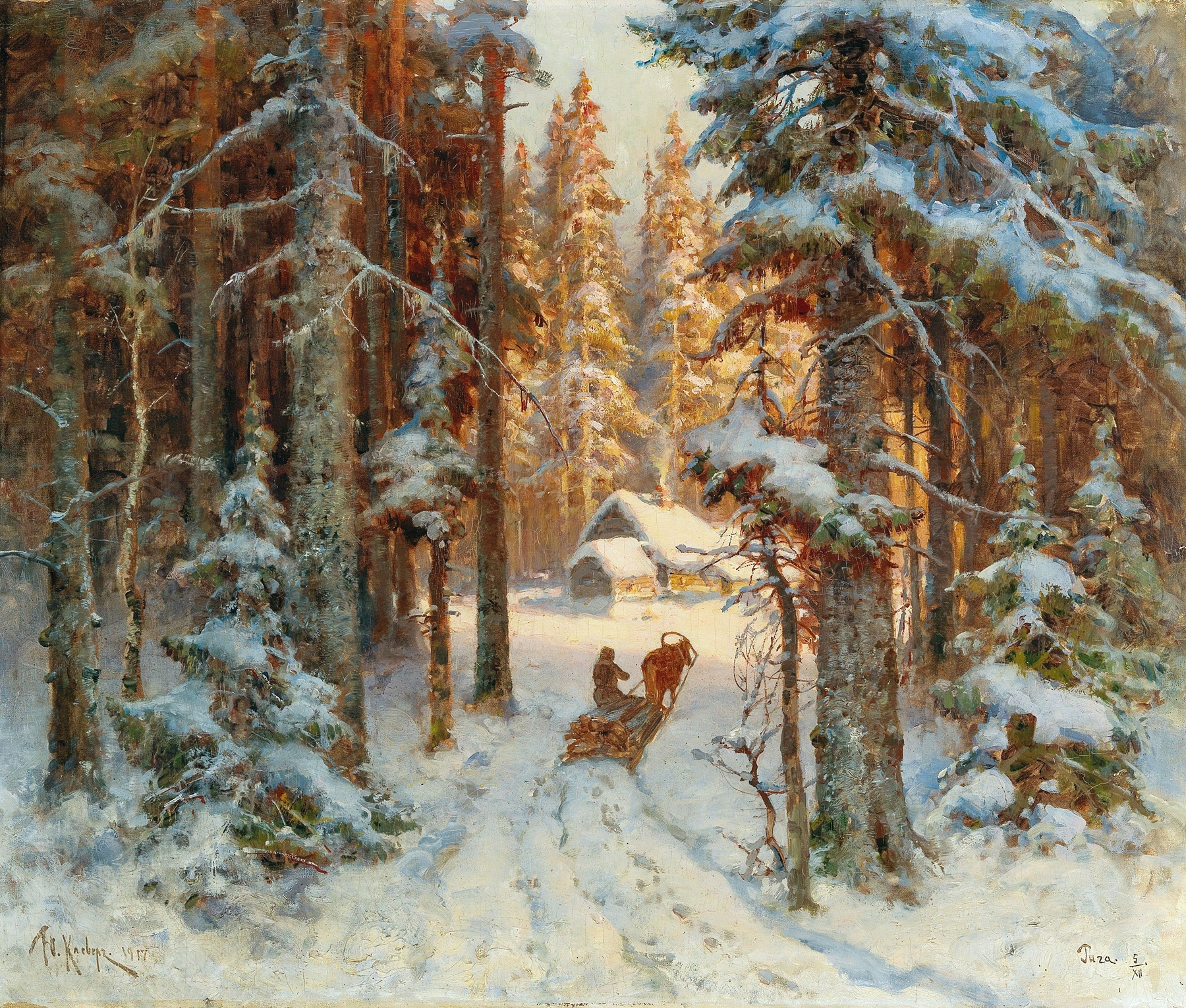
Julius Sergius Klever painted this work in 1908, at a time when the world was grappling with rapid change and the Impressionist movement was at its zenith. Working in Russia, he drew inspiration from the lush landscapes around him, seeking to capture the essence of beauty and transience. This period was marked by a growing appreciation for the natural world, as artists began to focus more on the emotions evoked by nature rather than merely its physical representation.