
Standing Male Figure — History & Facts
No other work by Filippino Lippi has sparked as much debate among scholars as Standing Male Figure. The artist, known for his narrative altarpieces and fresco cycles, here presents a single, enigmatic figure, whose identity and purpose remain shrouded in mystery. Some believe this drawing—or possibly a fragment of a larger composition—was a preparatory study for a lost altarpiece.
Others see it as a rare example of Lippi experimenting with the human form outside of a religious context. The absence of a clear date or commission only deepens the intrigue, making this piece a touchstone for discussions about the artist's evolving style. The figure stands alone, caught in a moment of poised reflection. His stance is both relaxed and alert, with one hand resting at his side and the other gesturing forward, as if addressing an unseen audience.
The careful modeling of his musculature and the subtle turn of his head suggest a man of importance—perhaps a saint, a scholar, or even a patron. Unlike the idealized youths of Botticelli, Lippi's men are marked by individuality and psychological depth. The play of light across the drapery and flesh draws the eye to the figure’s expressive face, inviting viewers to speculate about his story and role. The origins and fate of Standing Male Figure are uncertain, as no contemporary records mention its commission or early ownership.
It likely originated in Florence, where Filippino Lippi was active in the late fifteenth century, and may have circulated among collectors who prized drawings as teaching tools and objects of study. Over centuries, its attribution has shifted, with some earlier experts assigning it to Filippo Lippi or even Leonardo da Vinci, before consensus settled on Filippino. Today, it stands as a testament to the artist’s skill in capturing character and movement, and continues to invite fresh interpretations from art historians and viewers alike.
More Artworks by Filippino Lippi

Portrait of a Youth
Filippino Lippi
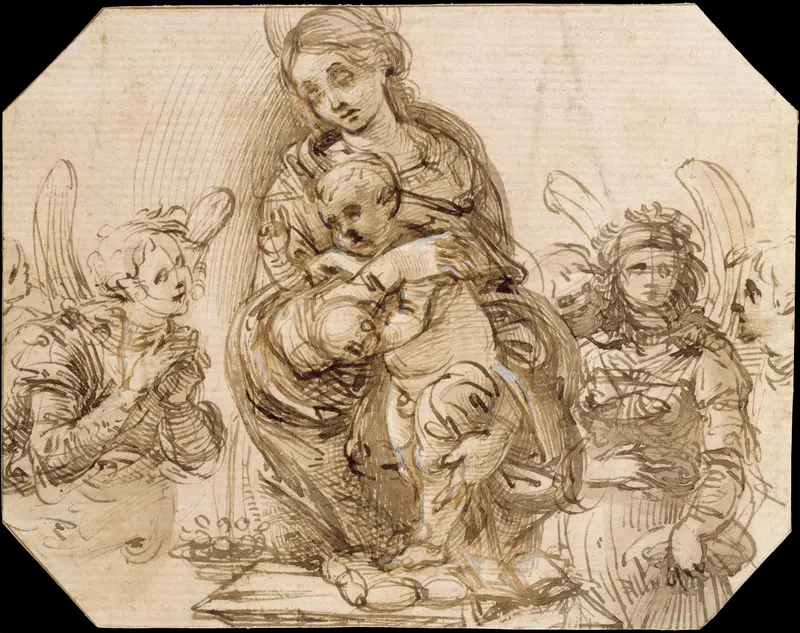
Virgin and Child Attended by Angels
Filippino Lippi

Christ on the Cross
Filippino Lippi
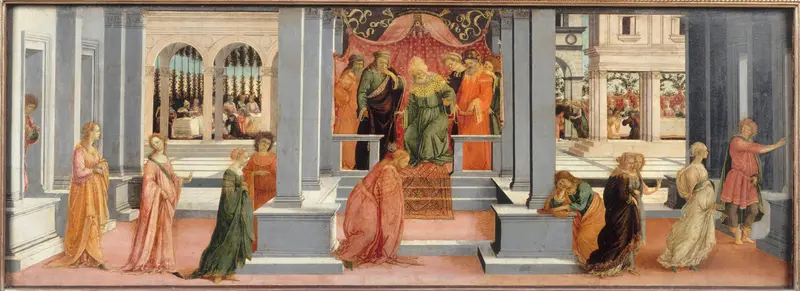
Esther choisie par Assuérus
Filippino Lippi
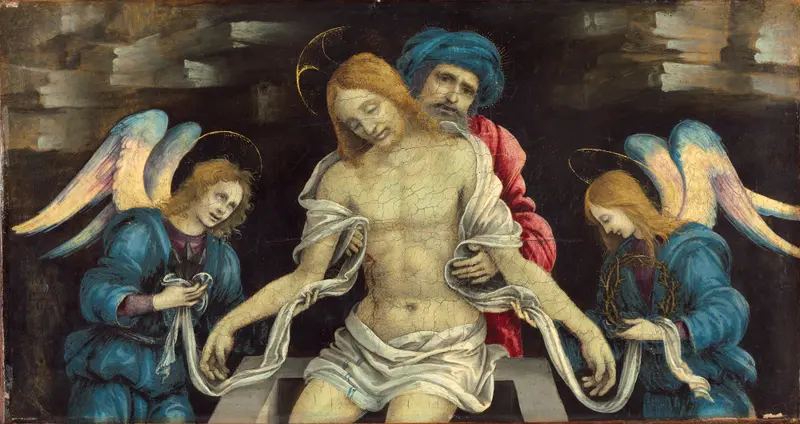
Pietà (The Dead Christ Mourned by Nicodemus and Two Angels)
Filippino Lippi
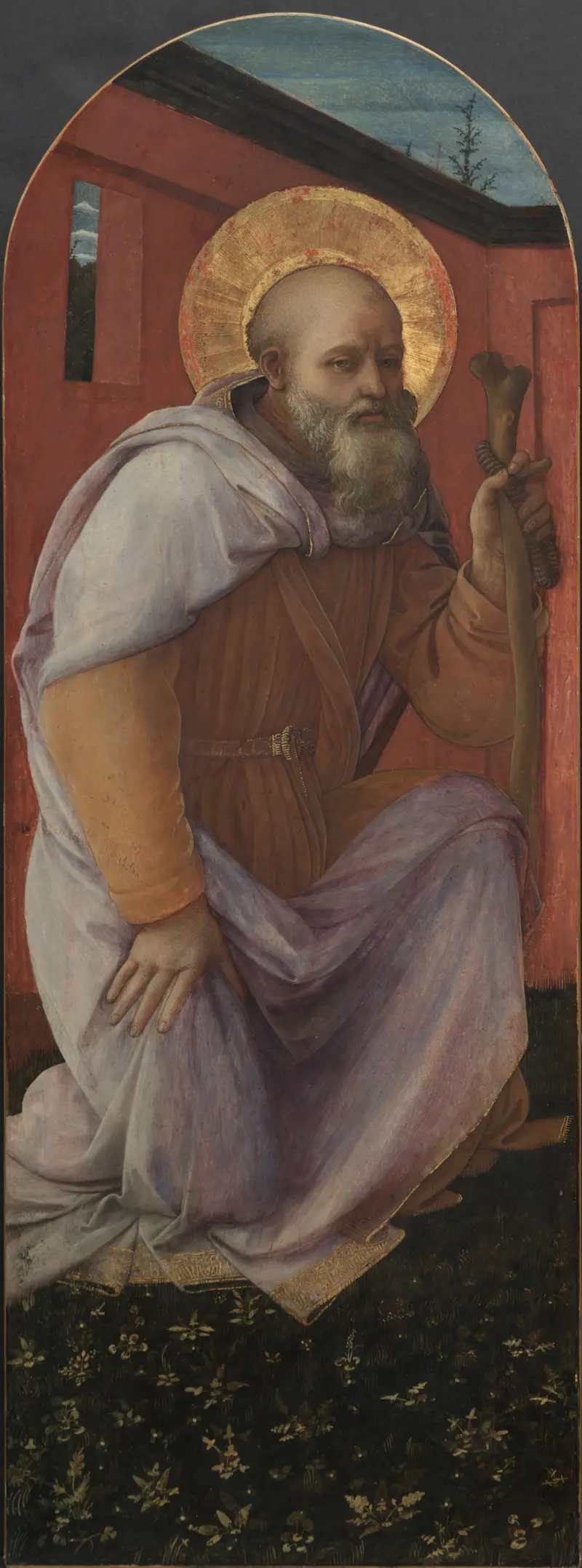
St. Anthony Abbot
Filippino Lippi
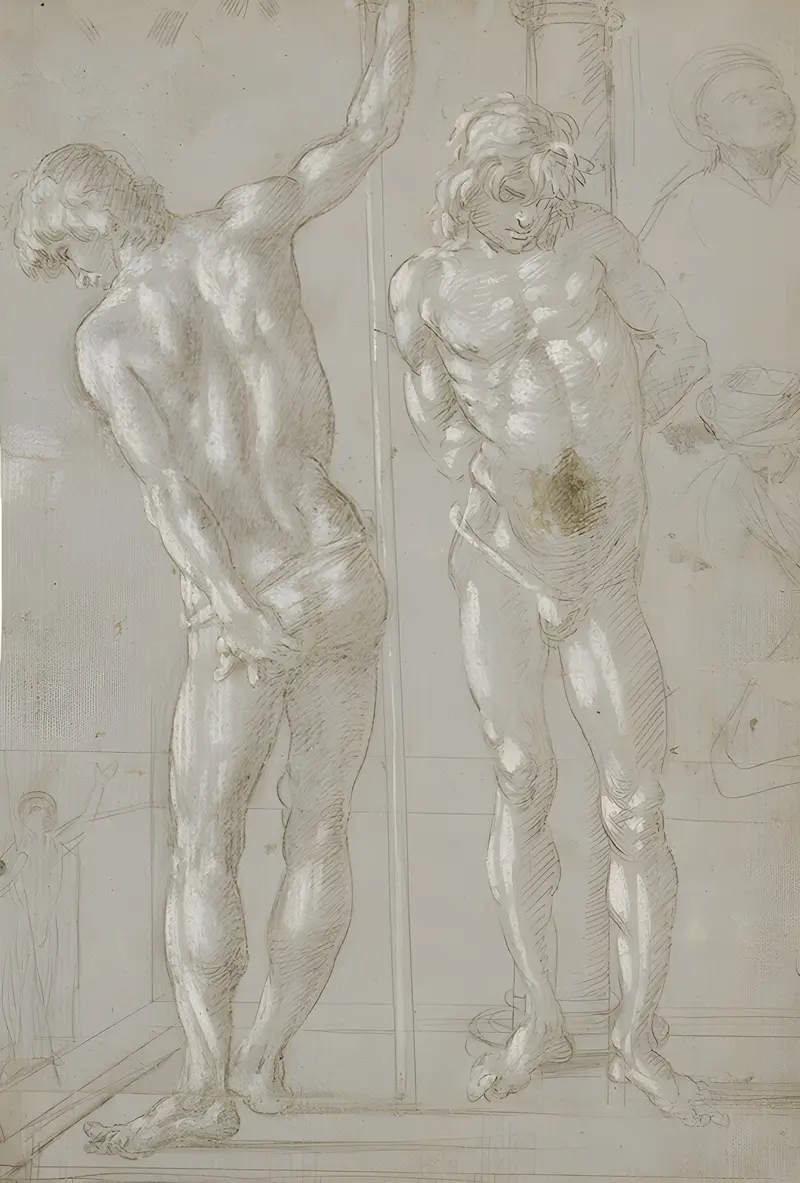
Studies of Christ at the Column, a Nude from Behind, and Various Figures
Filippino Lippi
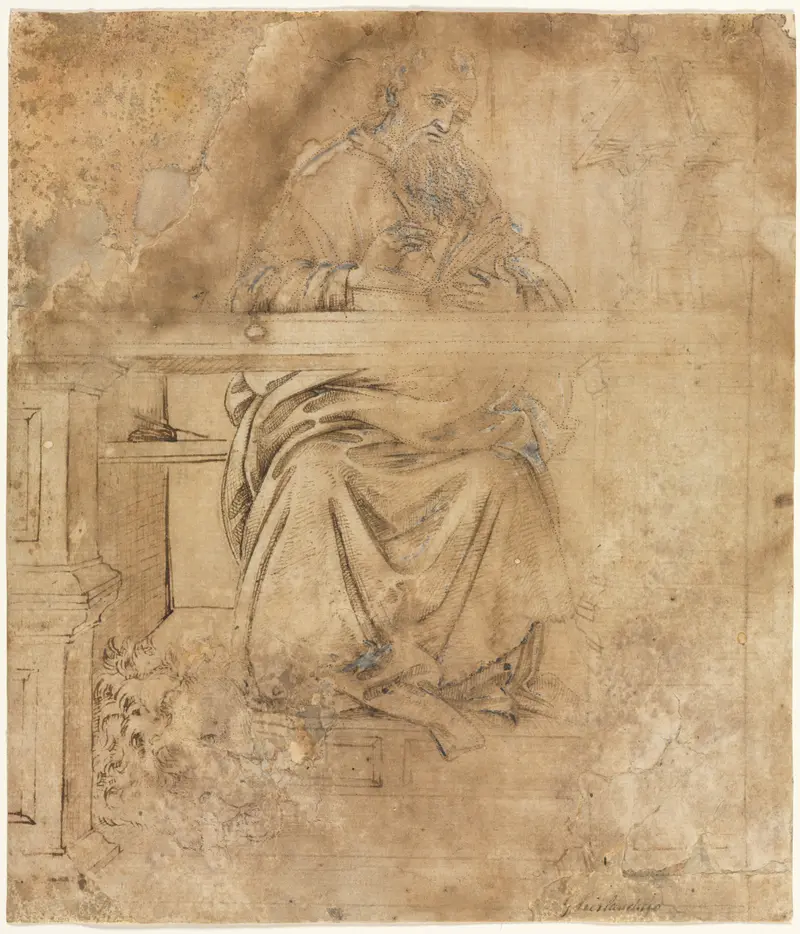
St. Jerome in His Study
Filippino Lippi
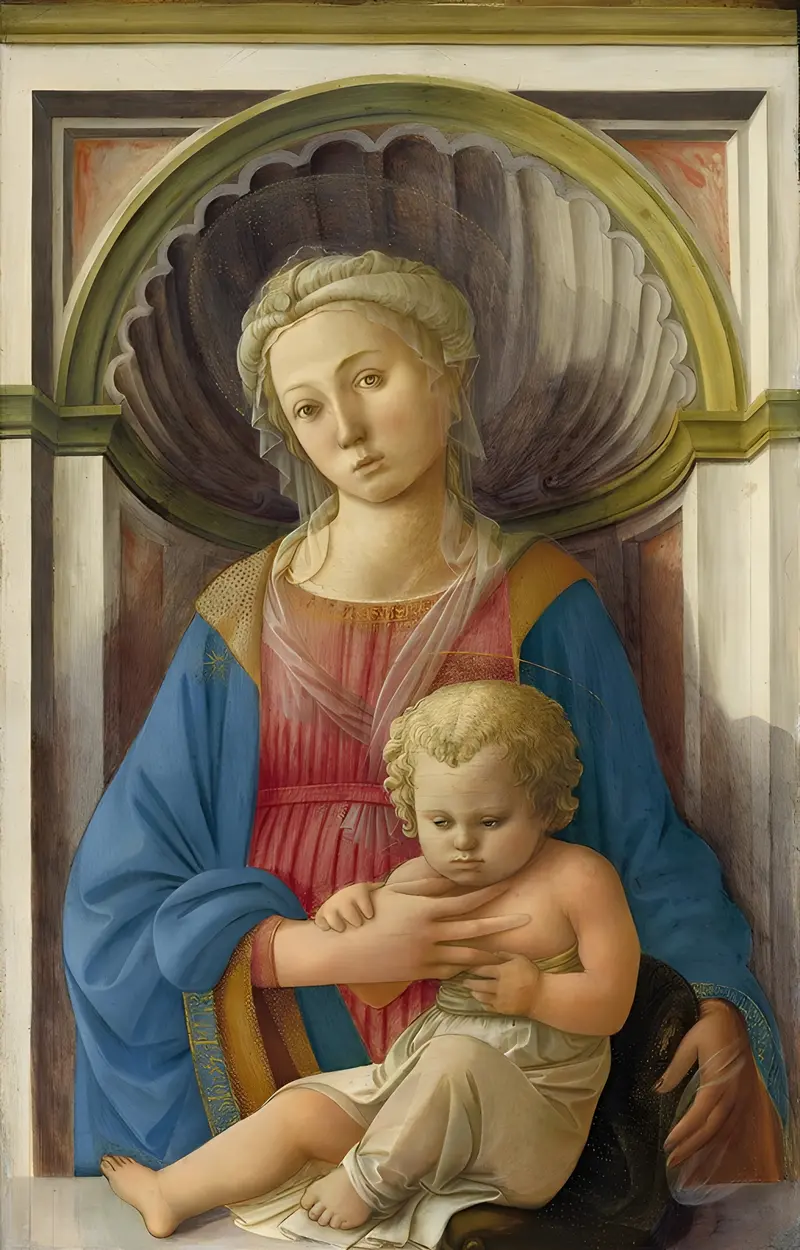
Madonna and Child
Filippino Lippi
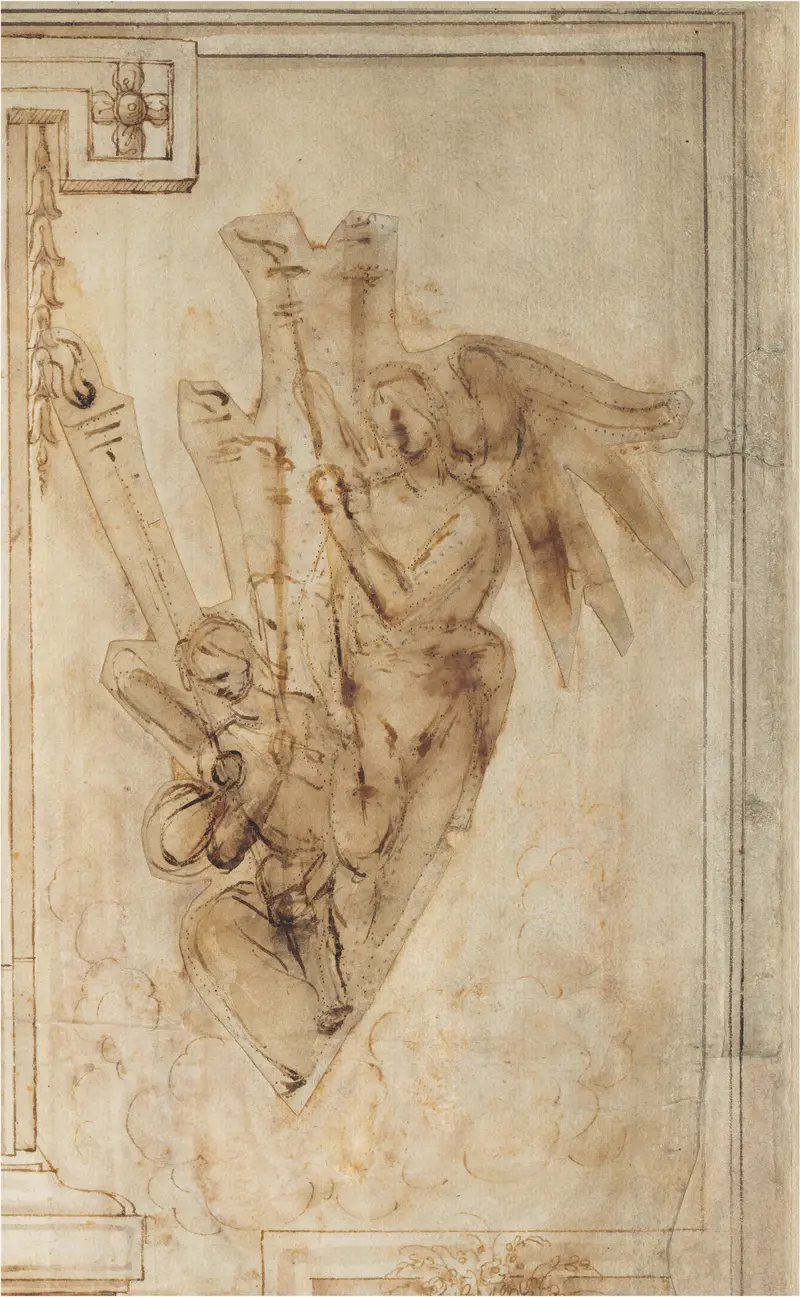
Two Angels Carrying Torches
Filippino Lippi



