
Standing Saint — History & Facts
No one knows with certainty which saint stands before us in Standing Saint by Filippino Lippi—a puzzle that has intrigued scholars for generations. The painting’s identity is lost to time: no clear attribute, inscription, or early record has survived to name the figure. This ambiguity has sparked lively debate, with some suggesting the saint’s features or attire might hint at a specific patron or local devotion, while others see in the anonymity a deliberate universality.
Such mysteries are not uncommon in the devotional art of late fifteenth-century Florence, where artists like Lippi often painted saints to suit the wishes of private patrons or chapels. The saint is caught in a moment of poised stillness, eyes cast downward, one hand gently raised in blessing or greeting. The figure’s calm expression and upright posture suggest inner strength and humility, while the rich yet restrained drapery speaks to both dignity and modesty. A faint halo encircles the head, marking the figure’s sanctity, and the subdued background focuses all attention on the saint’s presence.
Unlike the dramatic gestures seen in Botticelli’s saints, Lippi here favors introspection and quiet authority, inviting the viewer to contemplate virtue rather than spectacle. Little is known about the early history of Standing Saint, including its original location or patron, though its style places it firmly within Filippino Lippi’s mature period, likely the late 1400s. Works like this were often intended for private devotion or as part of a larger altarpiece ensemble, and it is possible that this panel was once paired with others now lost or dispersed. Over the centuries, the painting has traveled through various collections, sometimes misattributed or overshadowed by the fame of Lippi’s more narrative works.
Today, it stands as a testament to the artist’s ability to imbue even a single, unidentified figure with a sense of presence and quiet dignity, bridging the gap between public veneration and private reflection.
More Artworks by Filippino Lippi

Portrait of a Youth
Filippino Lippi
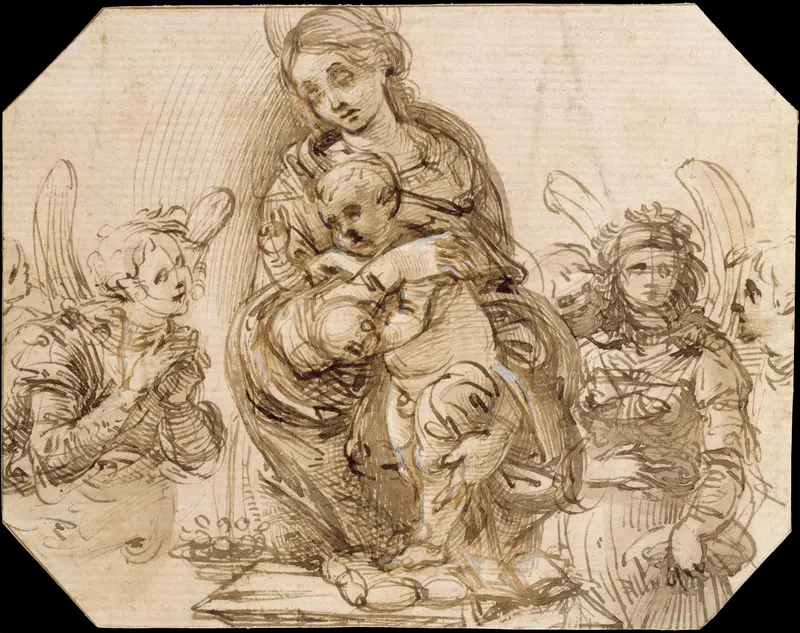
Virgin and Child Attended by Angels
Filippino Lippi

Christ on the Cross
Filippino Lippi
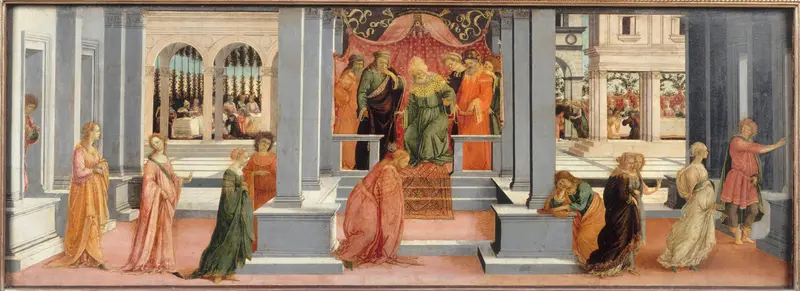
Esther choisie par Assuérus
Filippino Lippi
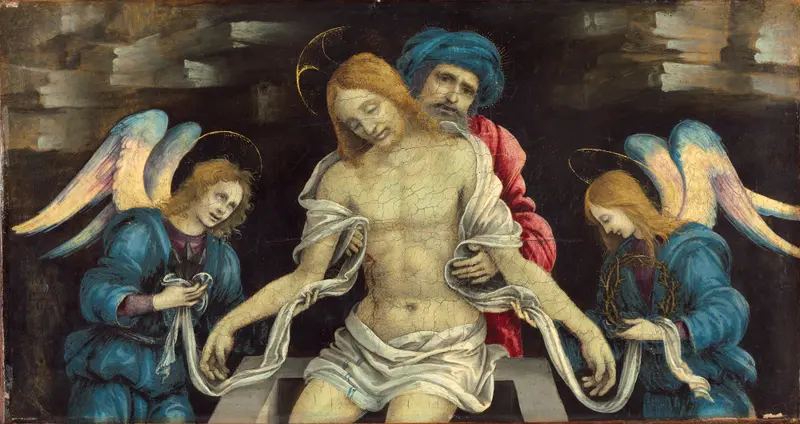
Pietà (The Dead Christ Mourned by Nicodemus and Two Angels)
Filippino Lippi
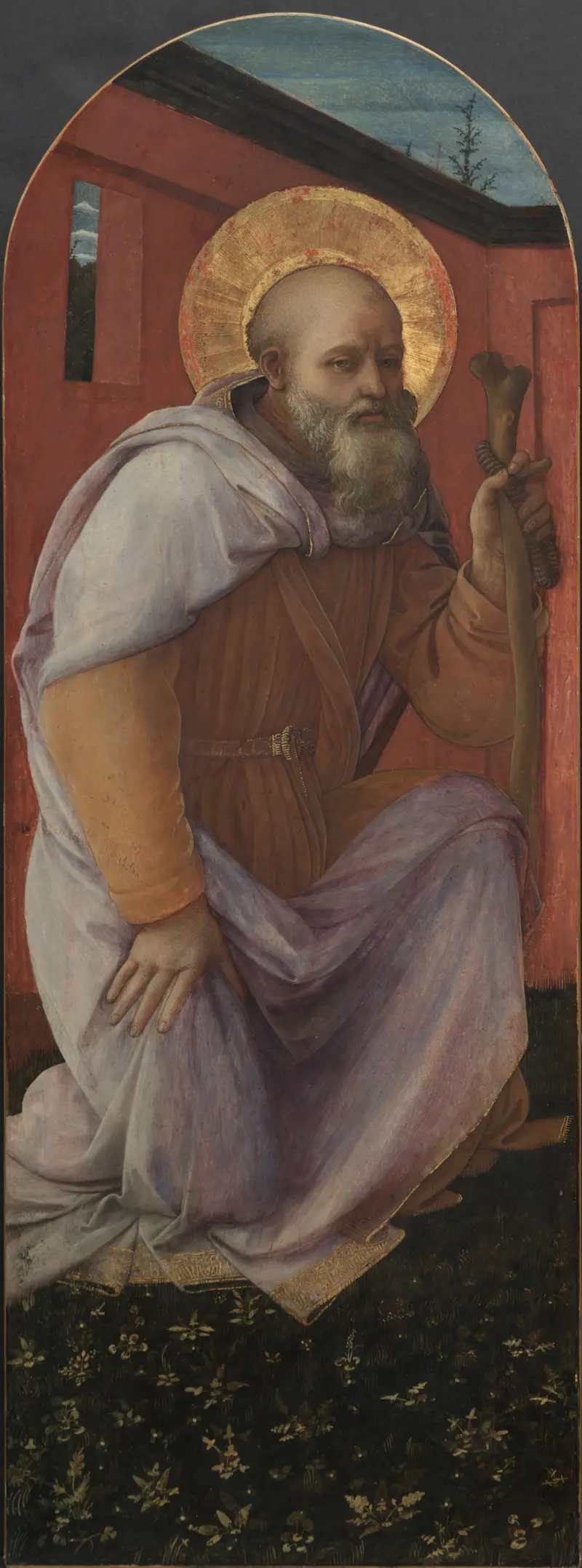
St. Anthony Abbot
Filippino Lippi
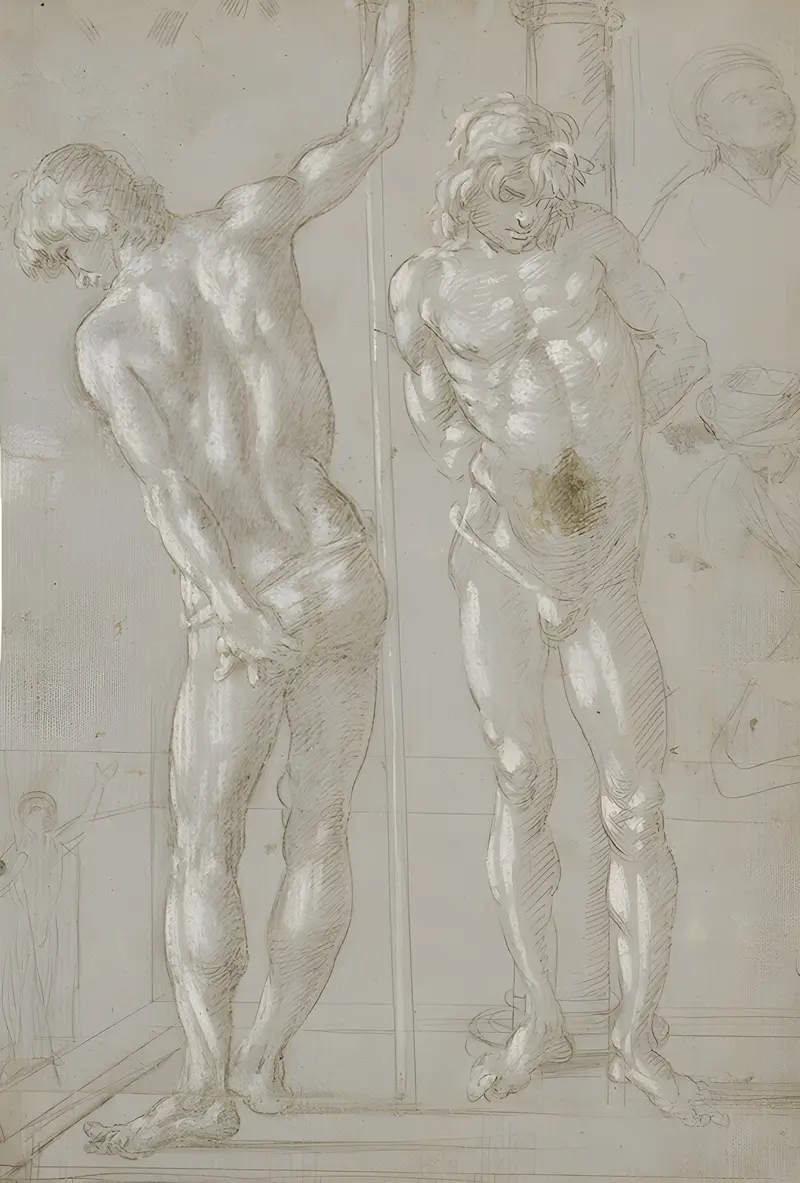
Studies of Christ at the Column, a Nude from Behind, and Various Figures
Filippino Lippi
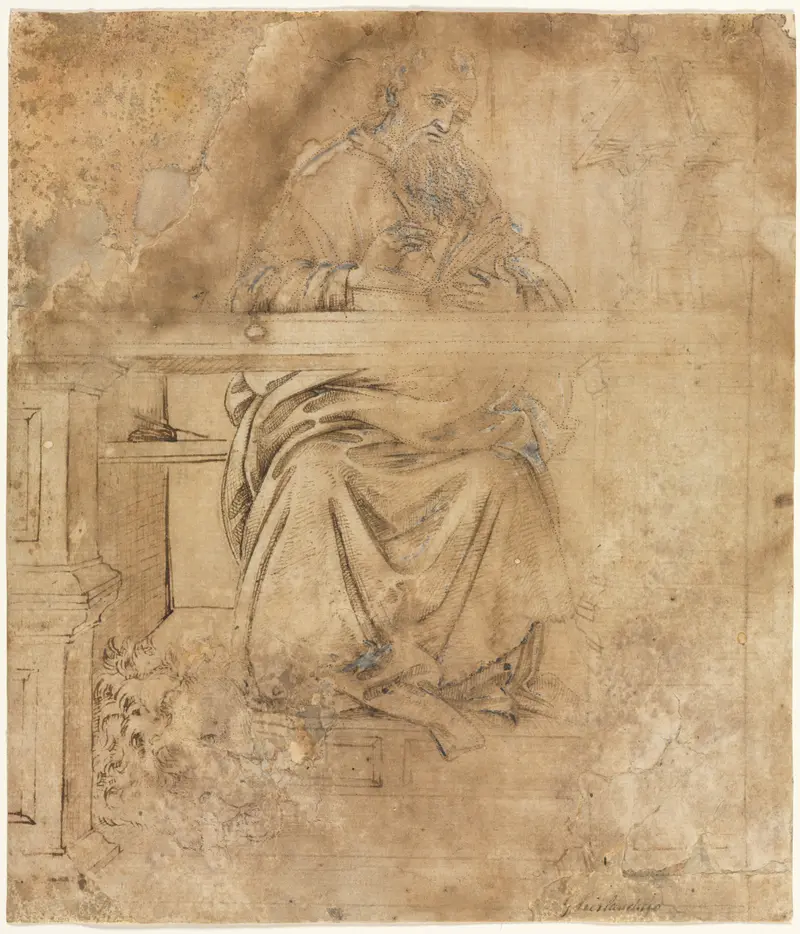
St. Jerome in His Study
Filippino Lippi
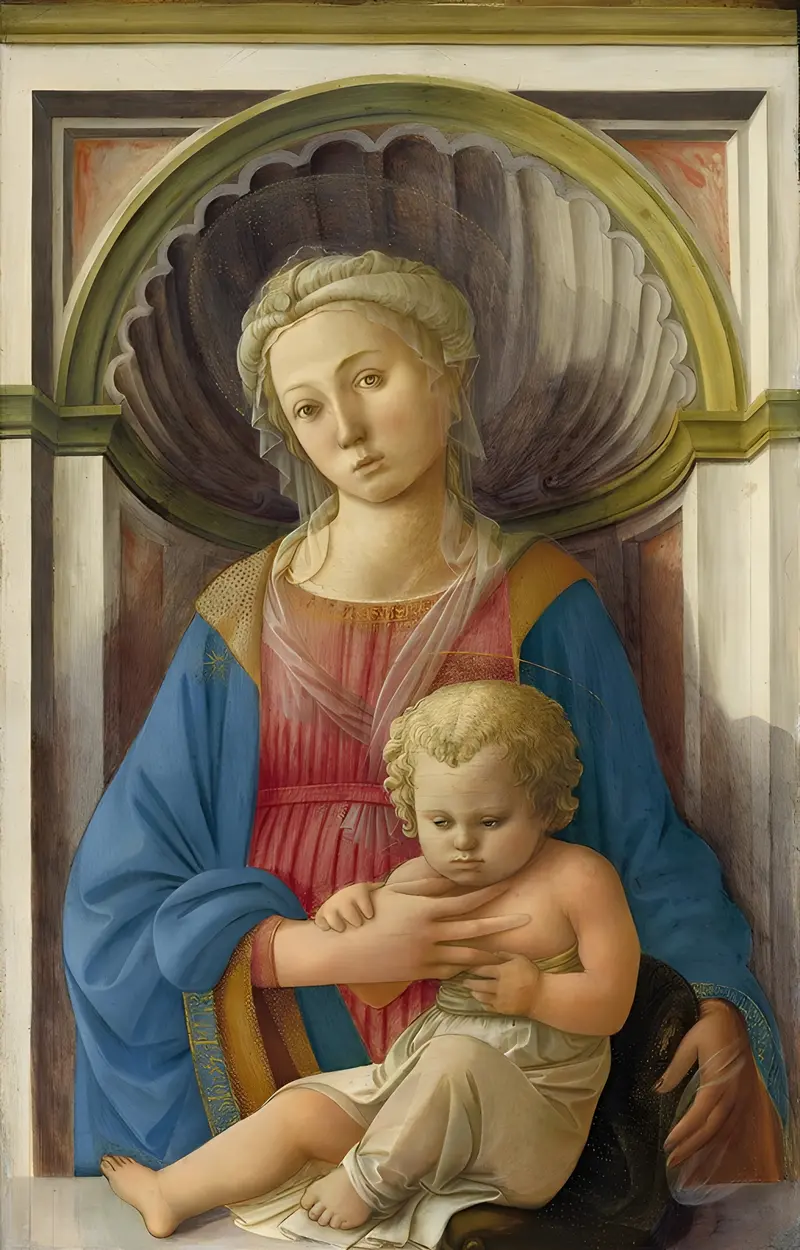
Madonna and Child
Filippino Lippi
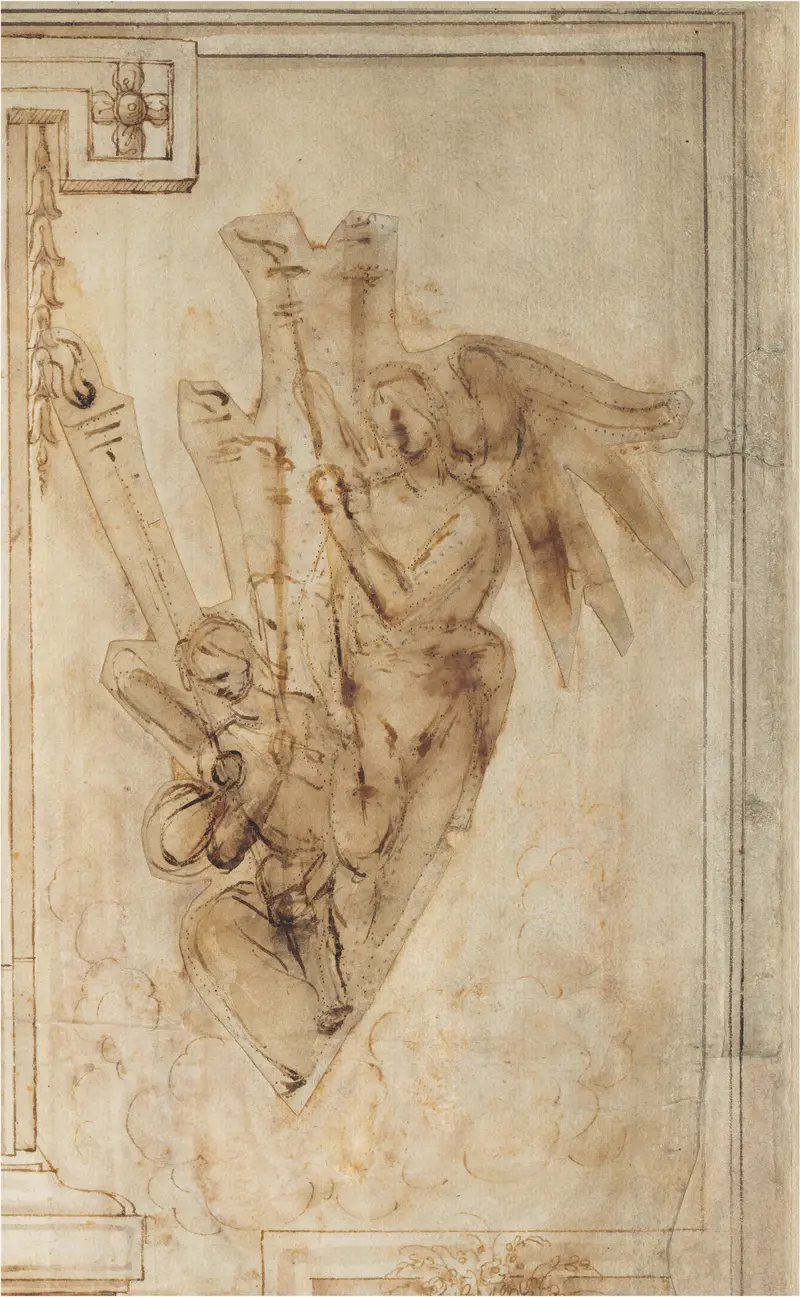
Two Angels Carrying Torches
Filippino Lippi





