Stanz — History & Facts
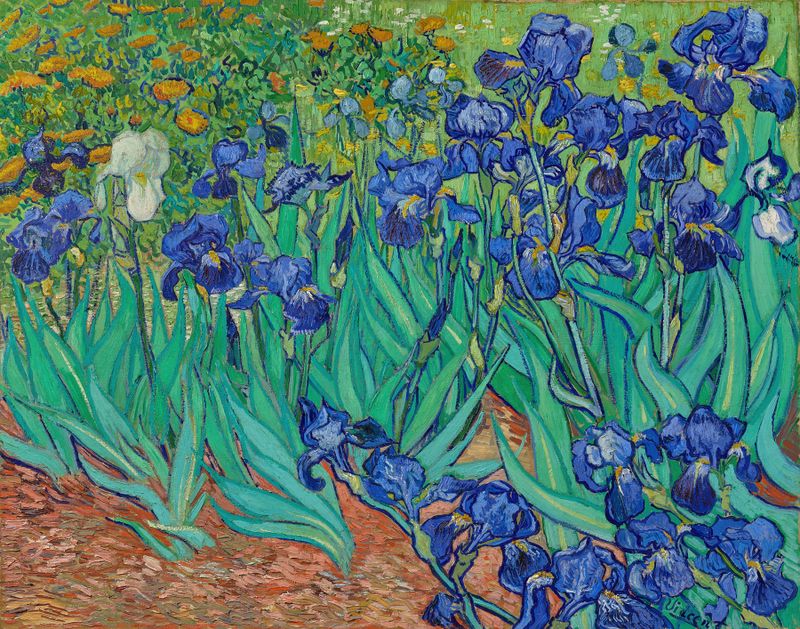
In Stanz, the interplay of opulence and melancholy invites a profound reflection on the human condition, urging viewers to look deeper beneath the surface. Look closely at the vibrant golden hues that wash over the canvas, drawing your eye to the intricate floral motifs that seem to blossom with life. Notice how the delicate brushwork imbues each petal with a sense of movement, almost as if they are swaying in a gentle breeze. The subtle contrast of darker undertones suggests a lurking shadow, a reminder of the fragility of beauty itself.
The artist's choice of composition, with a central focus on the blooms surrounded by an ethereal background, creates an enchanting yet enigmatic atmosphere that captivates. As you explore further, consider the interplay between light and shadow. The bright petals symbolize fleeting moments of joy, while the muted colors around them speak to the transient nature of happiness. This duality raises questions about existence: can beauty coexist with sorrow? Perhaps the ornate details represent memories, lovingly crafted yet tinged with the bittersweet acknowledgment of loss. Wagner painted Stanz between 1840 and 1844 during a time when Romanticism was flourishing in Europe, emphasizing individual emotion and nature’s beauty.
Living in Germany, he was influenced by the era's philosophical debates about art's role in expressing human experience. This period was characterized by a longing for deeper meaning in art, and Wagner’s work embodies those sentiments, reflecting his desire to capture the complexities of life through a seemingly simple yet profound aesthetic.
More Artworks by Johann Friedrich Wagner
Browse all →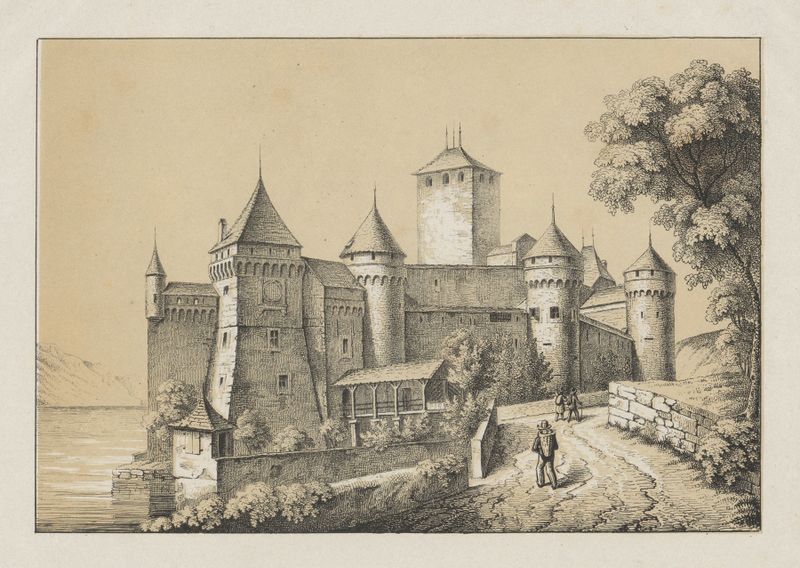
Chillon
Johann Friedrich Wagner

Valangin
Johann Friedrich Wagner
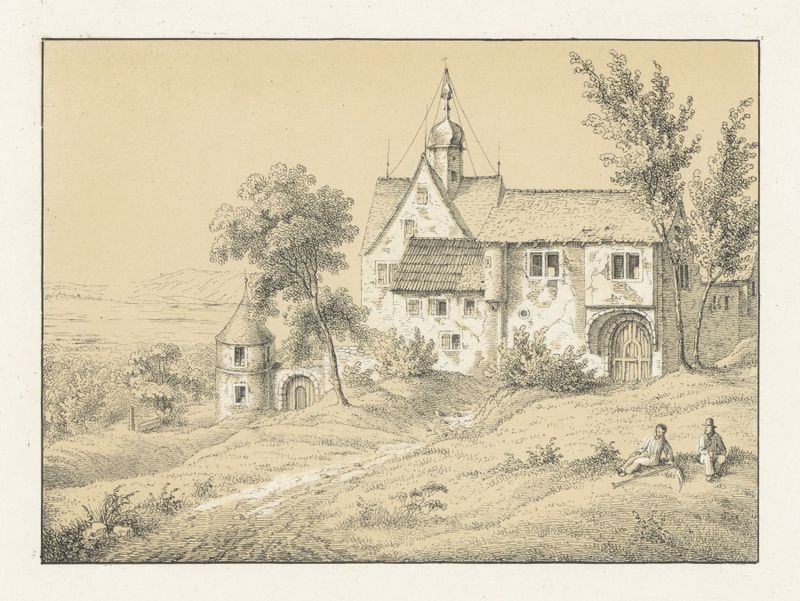
Greifenstein
Johann Friedrich Wagner

Vorburg
Johann Friedrich Wagner
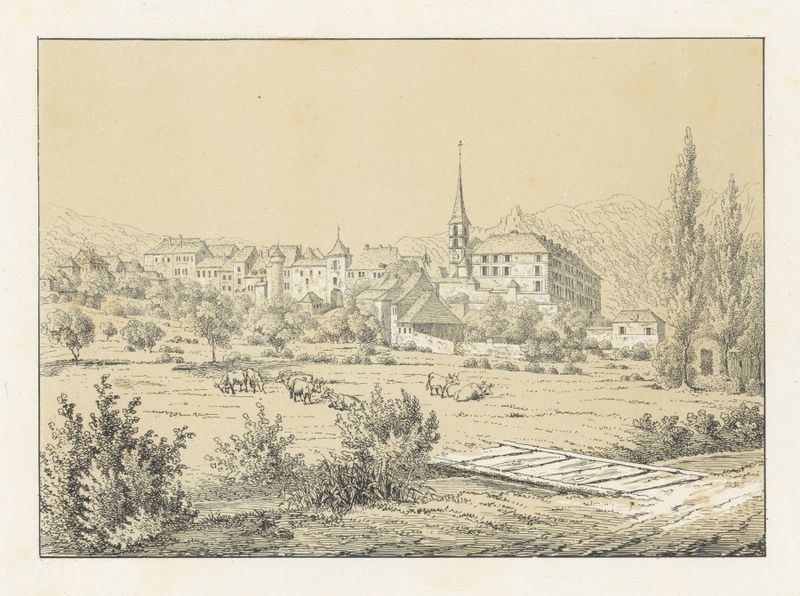
Delémont
Johann Friedrich Wagner

Pleujouse
Johann Friedrich Wagner

Challay
Johann Friedrich Wagner
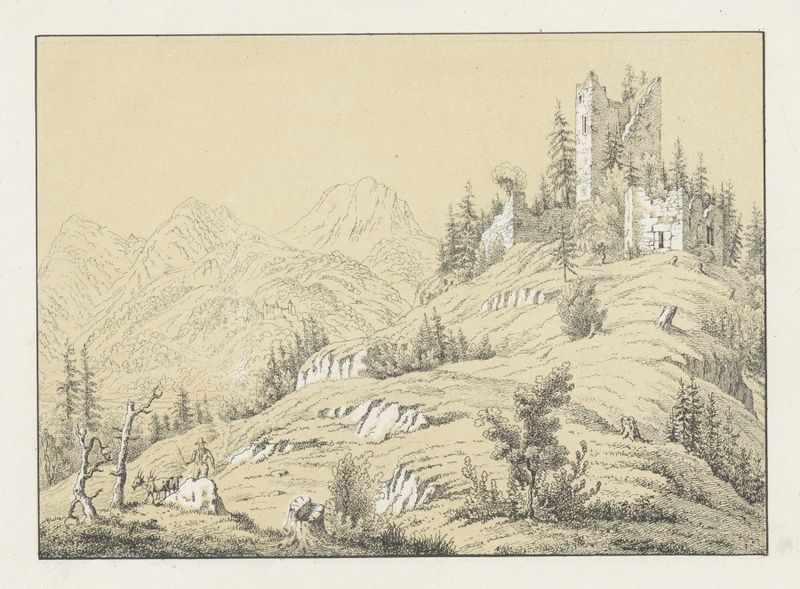
Mont Salvant
Johann Friedrich Wagner
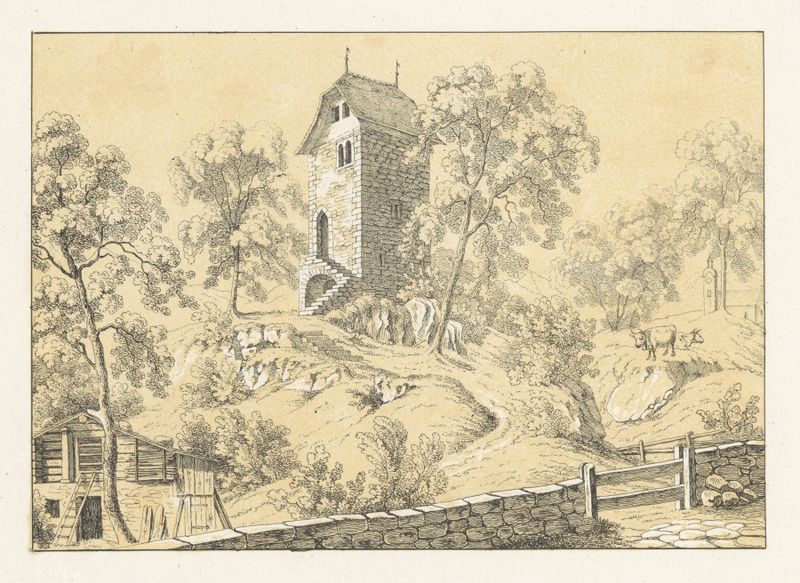
Aha. Od. Untere Burg von Sarnen
Johann Friedrich Wagner
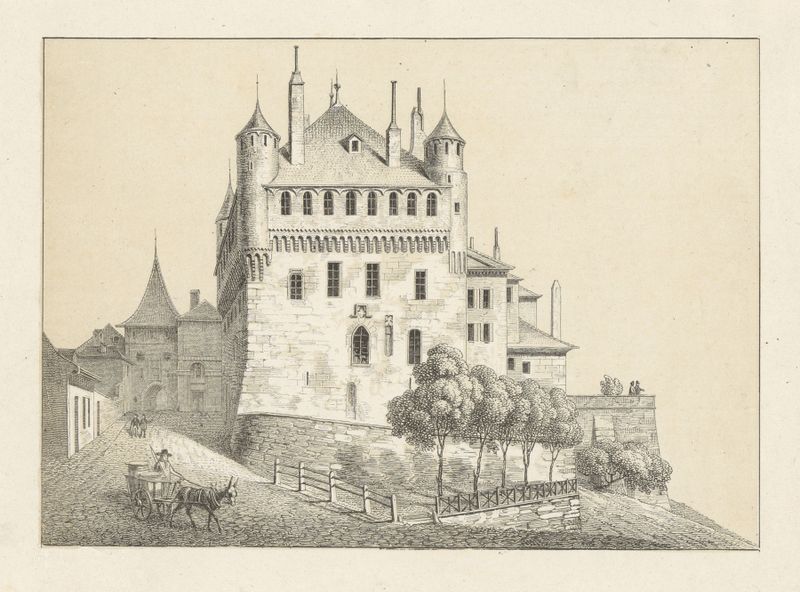
Lausanne
Johann Friedrich Wagner