
Study for ‘The Judas Kiss’ — History & Facts
Few moments in the Christian story have inspired as much artistic fascination as the betrayal in Gethsemane, and Gustave Van de Woestijne’s Study for ‘The Judas Kiss’ stands out for its psychological intensity. Unlike many artists who chose to depict the chaos of Christ’s arrest, Van de Woestijne focused on the instant of intimate treachery—the precise moment when Judas identifies Jesus to the soldiers with a kiss. This study is believed to be a preparatory work for a larger, now-lost composition, and its unfinished quality invites viewers into the artist’s process, where raw emotion and compositional choices are laid bare. At the center, Judas leans in, his hand gripping Christ’s shoulder, their faces close—Judas’s gesture both affectionate and damning.
The darkness crowds the figures, isolating them from the world, while the faint glimmer of a lantern or torch hints at the approaching mob. Christ’s expression is resigned, his posture open, contrasting with Judas’s tense, furtive body language. The viewer is drawn into this charged exchange, sensing the weight of destiny in every brushstroke.
Unlike the grand theatricality of Giotto’s Kiss of Judas, Van de Woestijne’s approach is quieter, more claustrophobic, emphasizing the personal betrayal over public spectacle. The exact date and medium of this study remain uncertain, reflecting the broader gaps in documentation that often surround Van de Woestijne’s preparatory works. Known for his involvement with the Symbolist movement in early twentieth-century Belgium, Van de Woestijne frequently explored biblical themes through a lens of psychological realism. While the final version of The Judas Kiss has not been traced, this study survives as a testament to his method—probing, searching, and deeply human.
Today, it is valued not only for its insight into the artist’s vision but also as a rare window into the evolution of a lost masterpiece.
More Artworks by Gustave Van de Woestijne
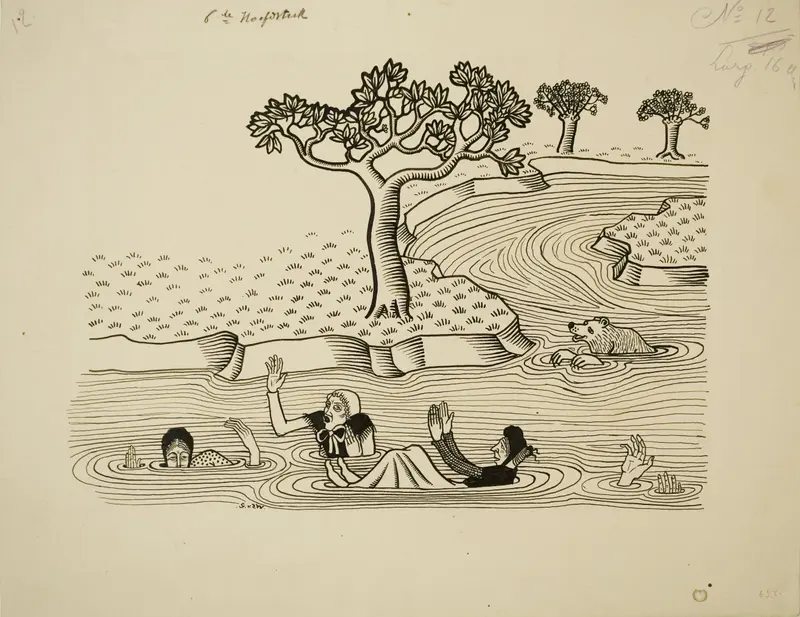
How Brown went out with Reynard where he thought he was eating honey and how he was caught by head and feet and suffered further misfortune
Gustave Van de Woestijne
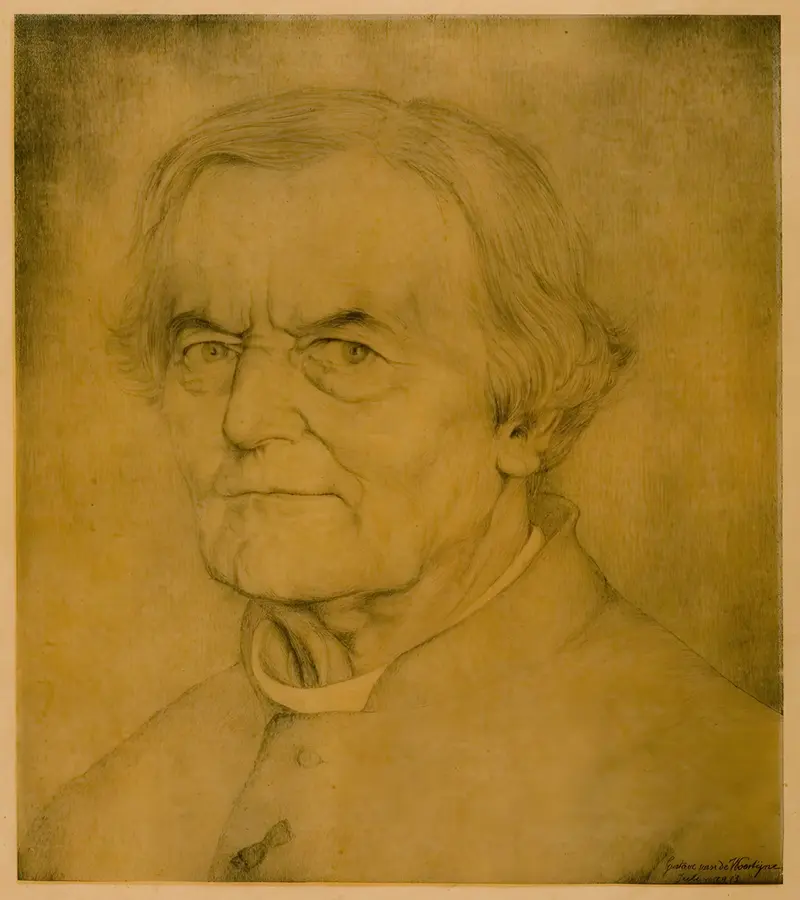
Portrait of Hugo Verriest
Gustave Van de Woestijne
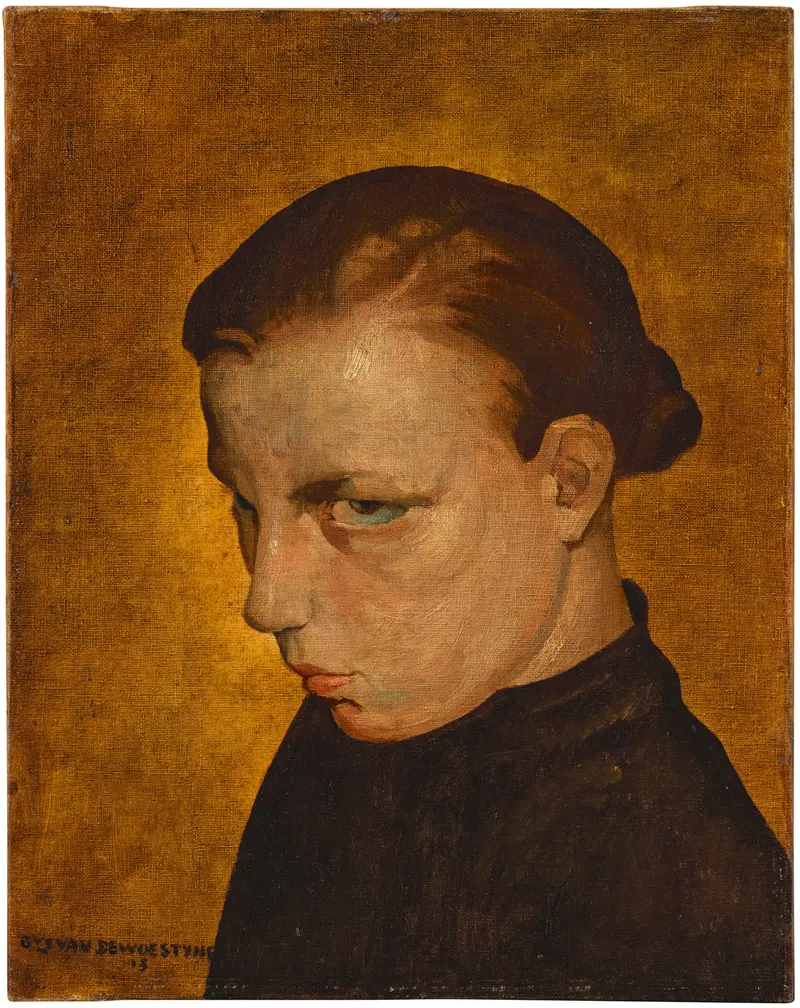
Angèle
Gustave Van de Woestijne
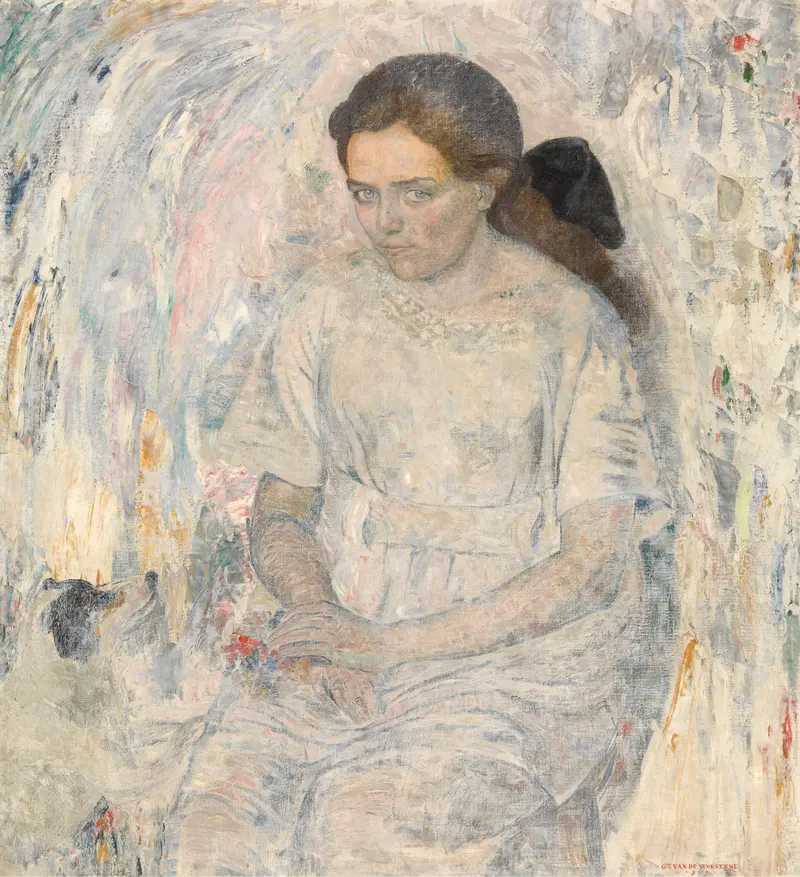
Adrienne
Gustave Van de Woestijne
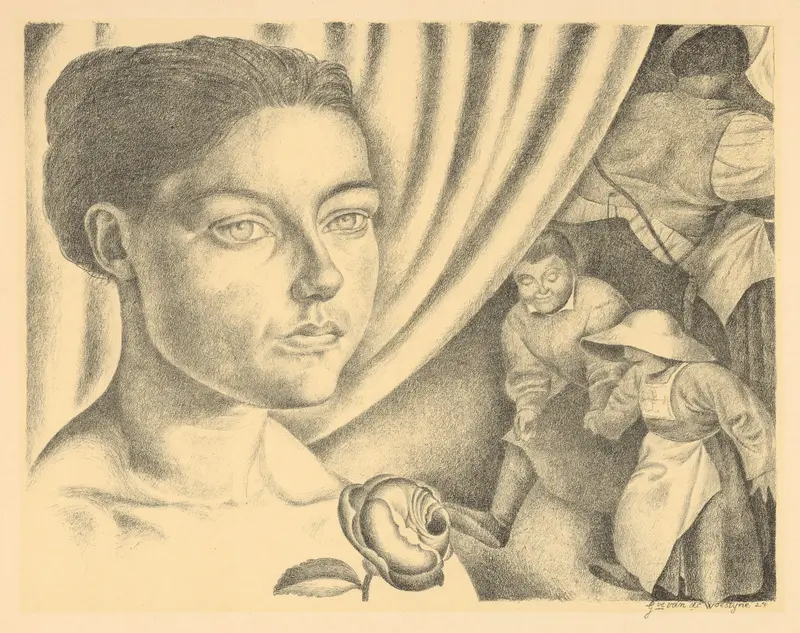
Jeune Femme
Gustave Van de Woestijne
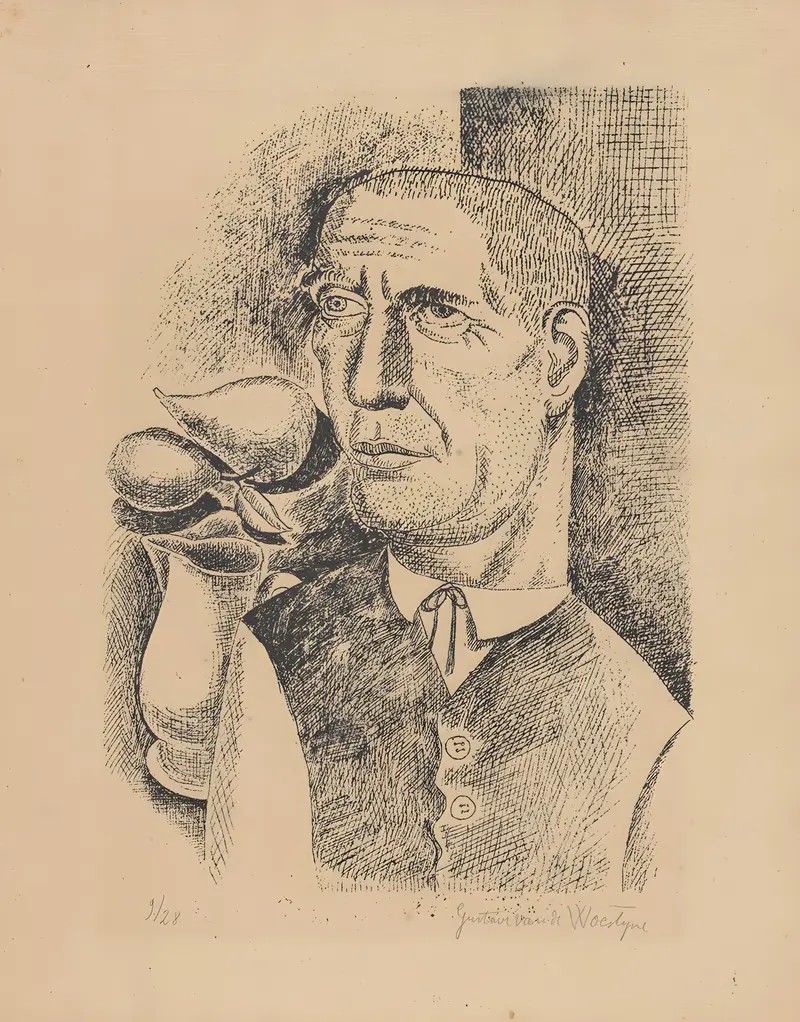
Boer op zijn zondags (Paysan endimanché)
Gustave Van de Woestijne
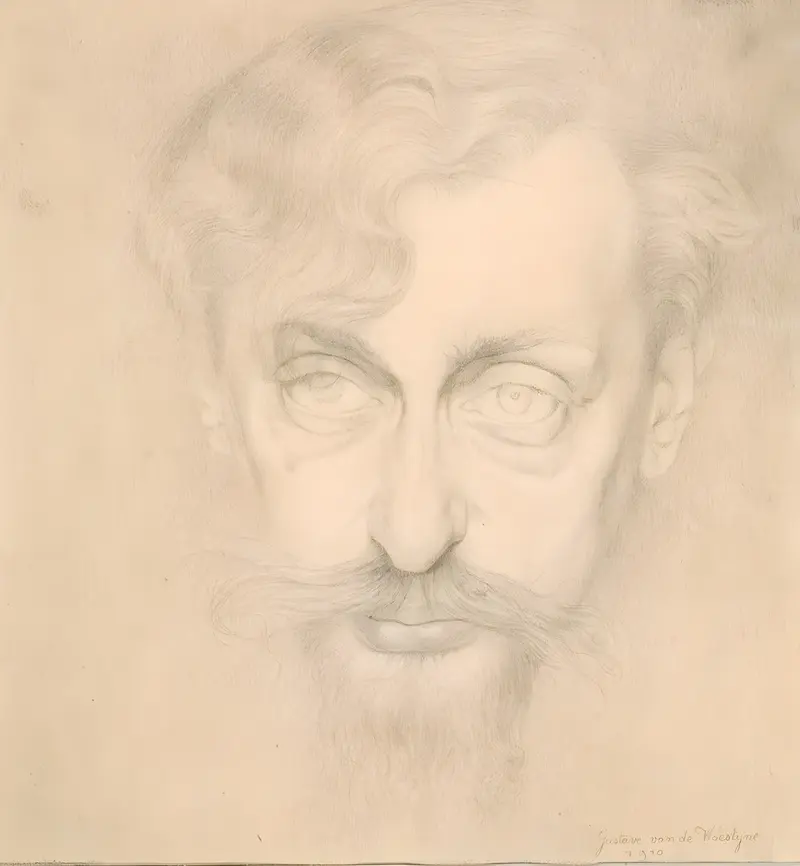
Portrait of the Writer Karel van de Woestijne
Gustave Van de Woestijne
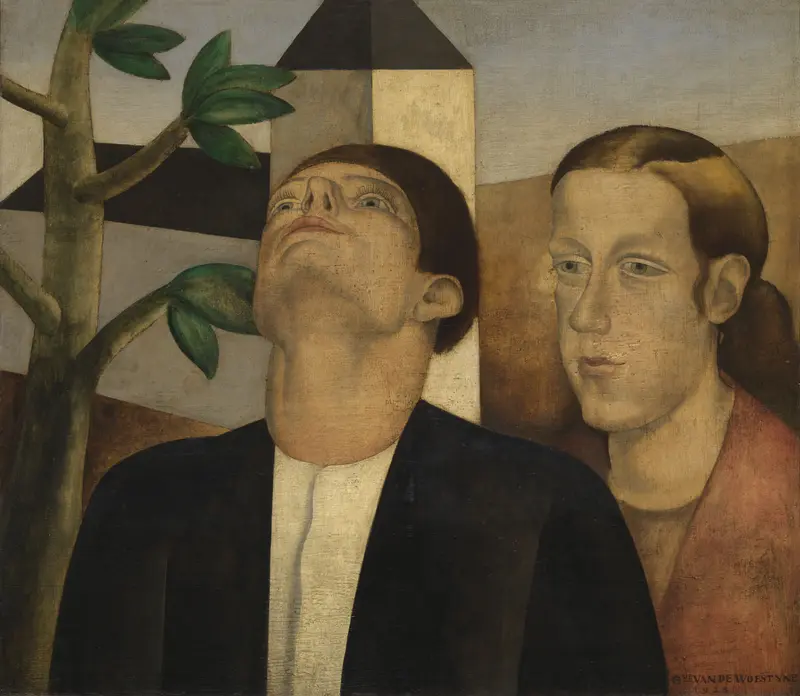
Azure
Gustave Van de Woestijne
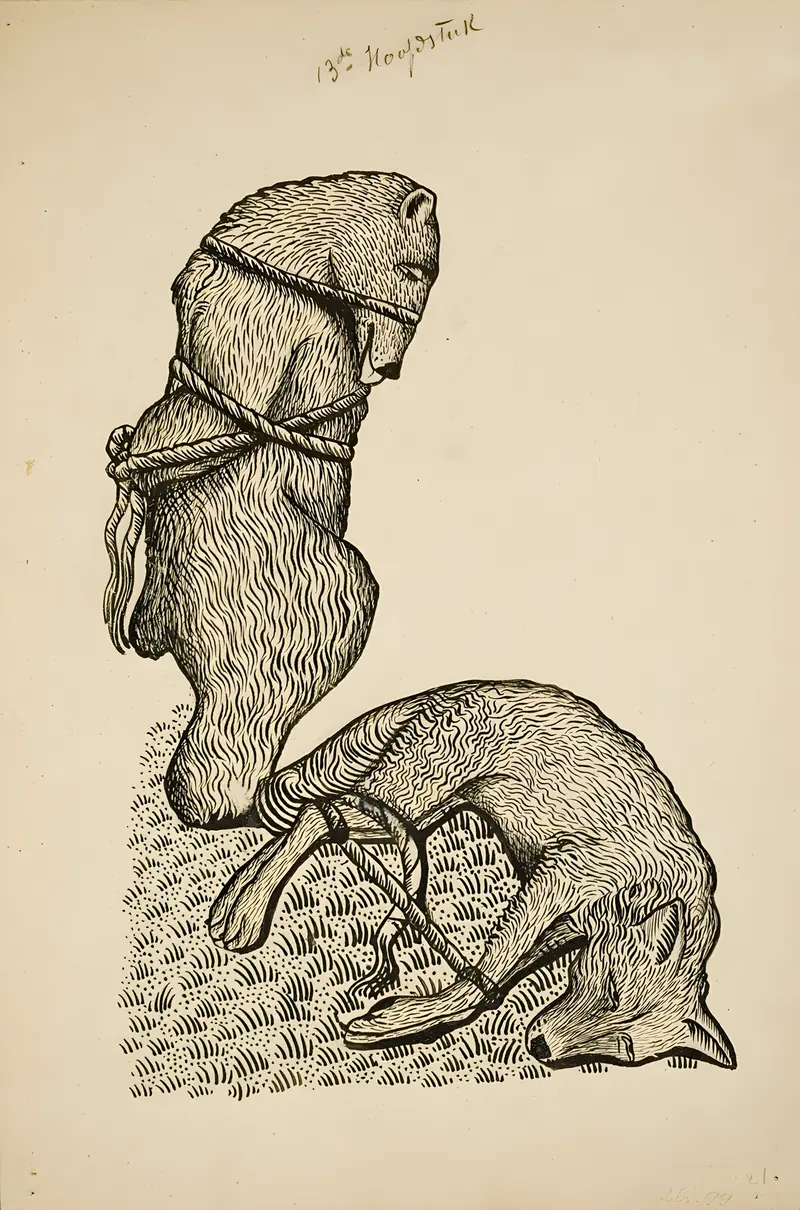
How Reinaert devises a new trick to get free and exterminate his enemies
Gustave Van de Woestijne
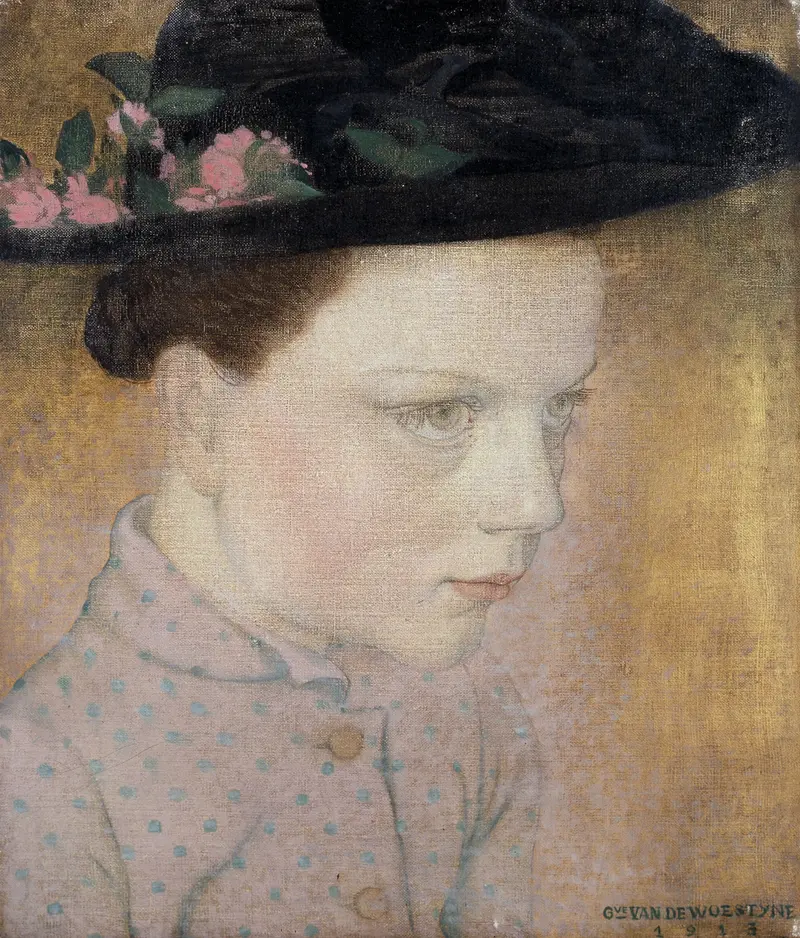
Country Girl
Gustave Van de Woestijne





