
Study of Figures for La Grande Jatte — History & Facts
In 1884, Georges Seurat began a series of meticulous studies that would culminate in one of the most discussed paintings of the nineteenth century: A Sunday Afternoon on the Island of La Grande Jatte. What makes Study of Figures for La Grande Jatte particularly fascinating is its role as a laboratory for Seurat’s radical new technique, later called Pointillism. In these preparatory works, Seurat experimented obsessively, returning to the same figures again and again, adjusting the tilt of a hat or the angle of an arm, in search of harmony.
The studies reveal a process so deliberate that, according to contemporary accounts, Seurat would sometimes spend hours observing a single gesture in the park before committing it to canvas. Here, the figures are caught in the act of becoming: a woman stands with a parasol, her profile crisp; a child bends near the grass. Each pose is isolated, as if the artist is auditioning characters for a grand stage. The light is cool and even, with shadows carefully plotted, anticipating the scientific color theories that would define Seurat’s mature work.
Unlike the lively brushwork of Monet’s park scenes, these studies are precise and almost architectural, each figure rendered with a clarity that suggests both detachment and affection. The composition’s restraint hints at the quiet spectacle of modern leisure, a subject that would soon become iconic. The exact medium of Study of Figures for La Grande Jatte is not always recorded, as Seurat produced studies in oil, conté crayon, and pencil, many of which are now dispersed in collections across Europe and America. While the finished La Grande Jatte hangs in the Art Institute of Chicago, its studies have become prized for their insight into Seurat’s working method and the birth of Neo-Impressionism.
Some were exhibited during Seurat’s lifetime, drawing both confusion and admiration from critics who sensed something entirely new. Today, these studies are valued not only as stepping stones to a masterpiece, but as independent works that reveal the painstaking evolution of a modern vision.
More Artworks by Georges Seurat
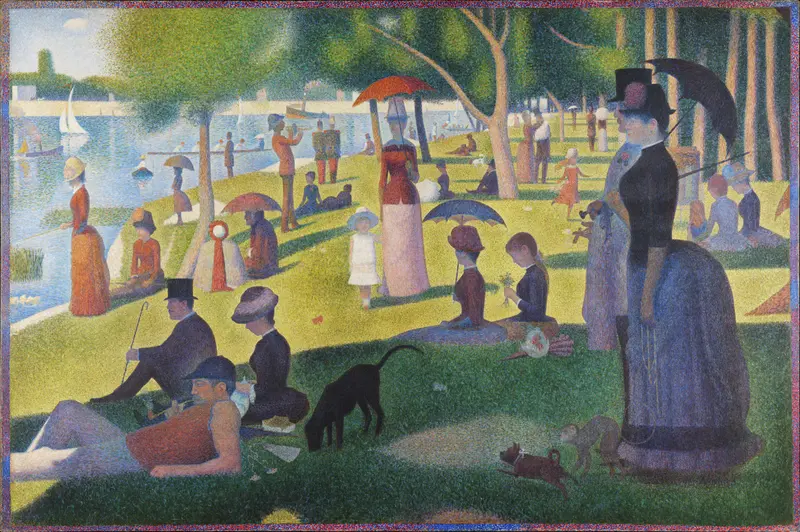
A Sunday Afternoon on the Island of La Grande Jatte
Georges Seurat
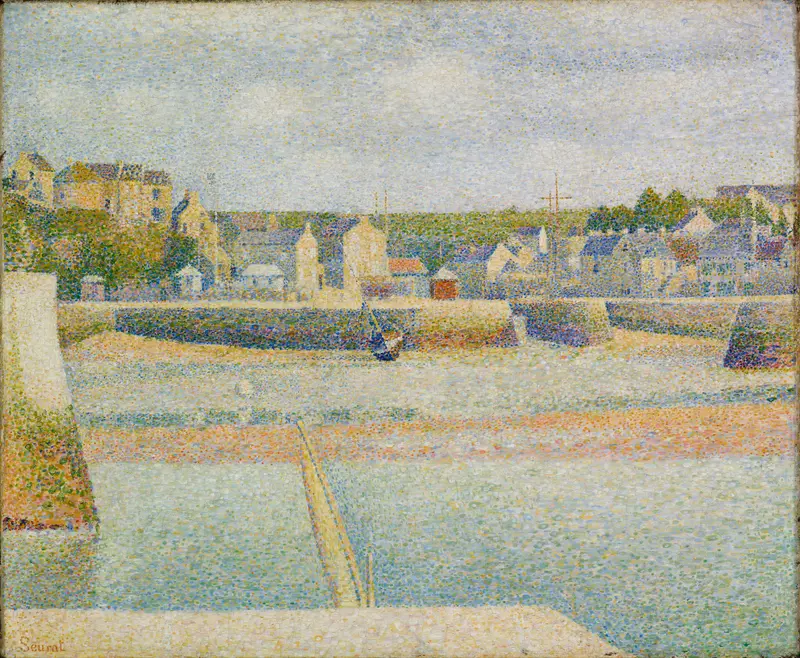
Port-en-Bessin, The Outer Harbor (Low Tide)
Georges Seurat
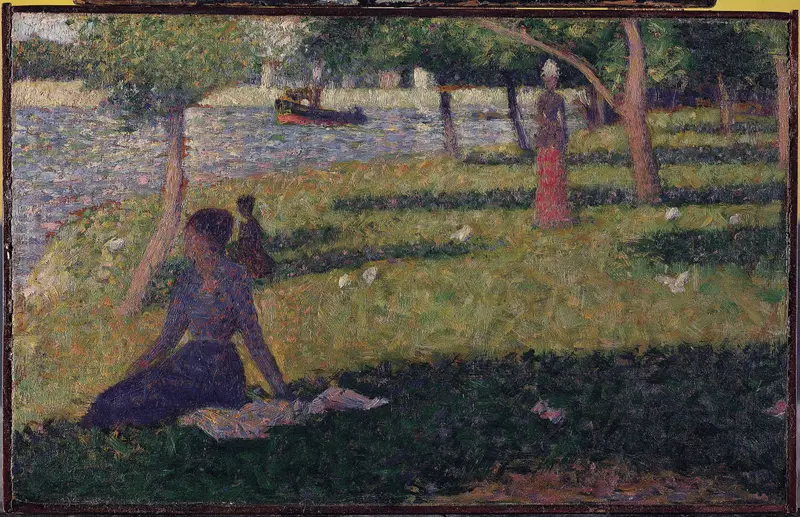
Étude pour ‘La Grande Jatte’ (Study for ‘La Grande Jatte’)
Georges Seurat
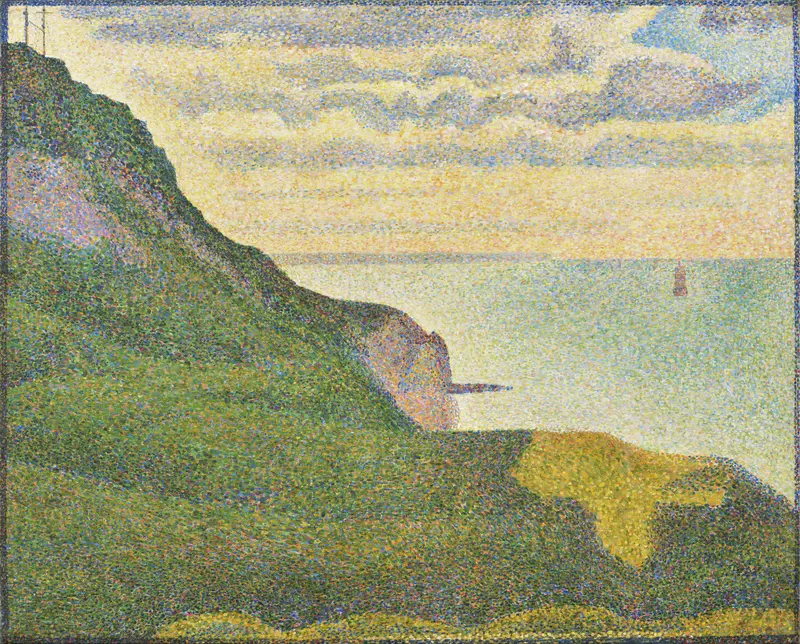
Seascape at Port-en-Bessin,Normandy
Georges Seurat
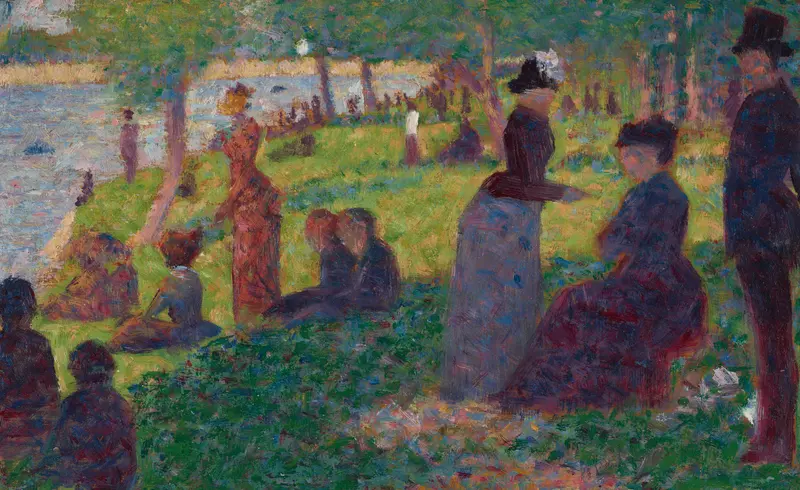
Oil Sketch for "A Sunday on La Grande Jatte — 1884"
Georges Seurat
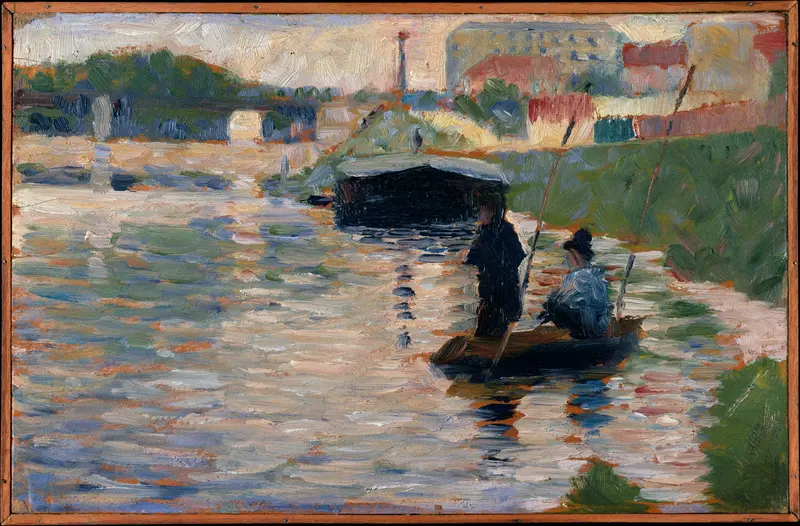
View of the Seine
Georges Seurat
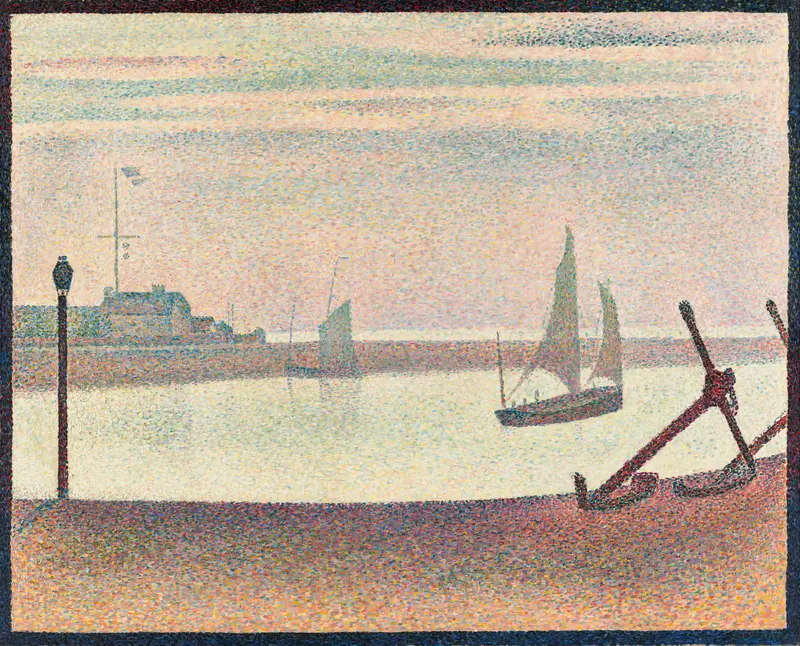
The Channel at Gravelines, Evening
Georges Seurat
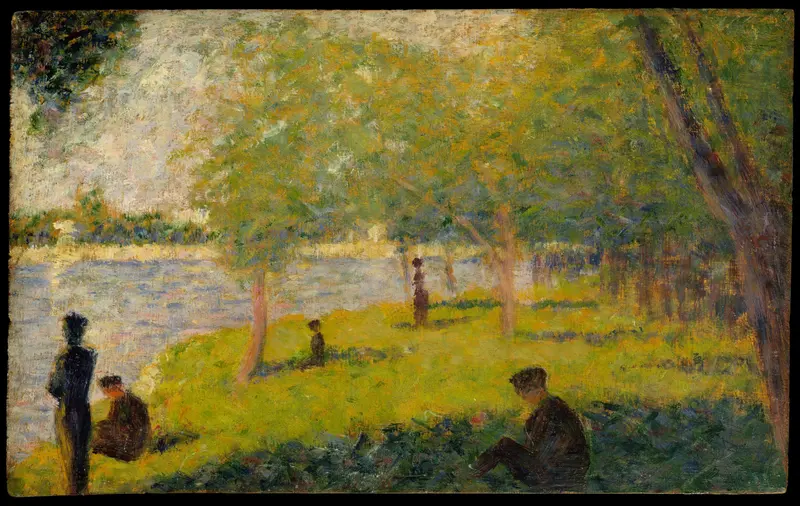
Study for ‘A Sunday on La Grande Jatte’
Georges Seurat
Study for A Sunday on La Grande Jatte
Georges Seurat
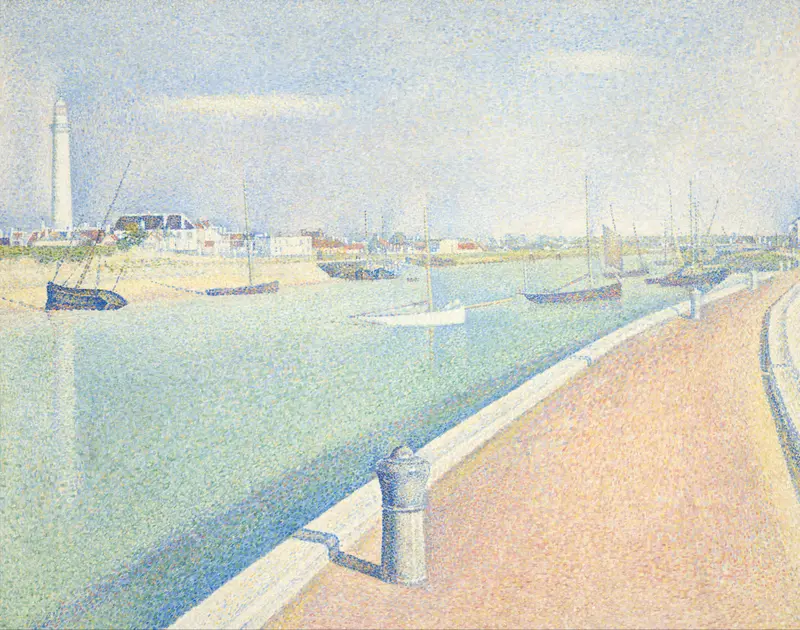
The Channel of Gravelines, Petit Fort Philippe
Georges Seurat



