Summer Garden, Plate 4 (Hortus Eystettensis) — History & Facts
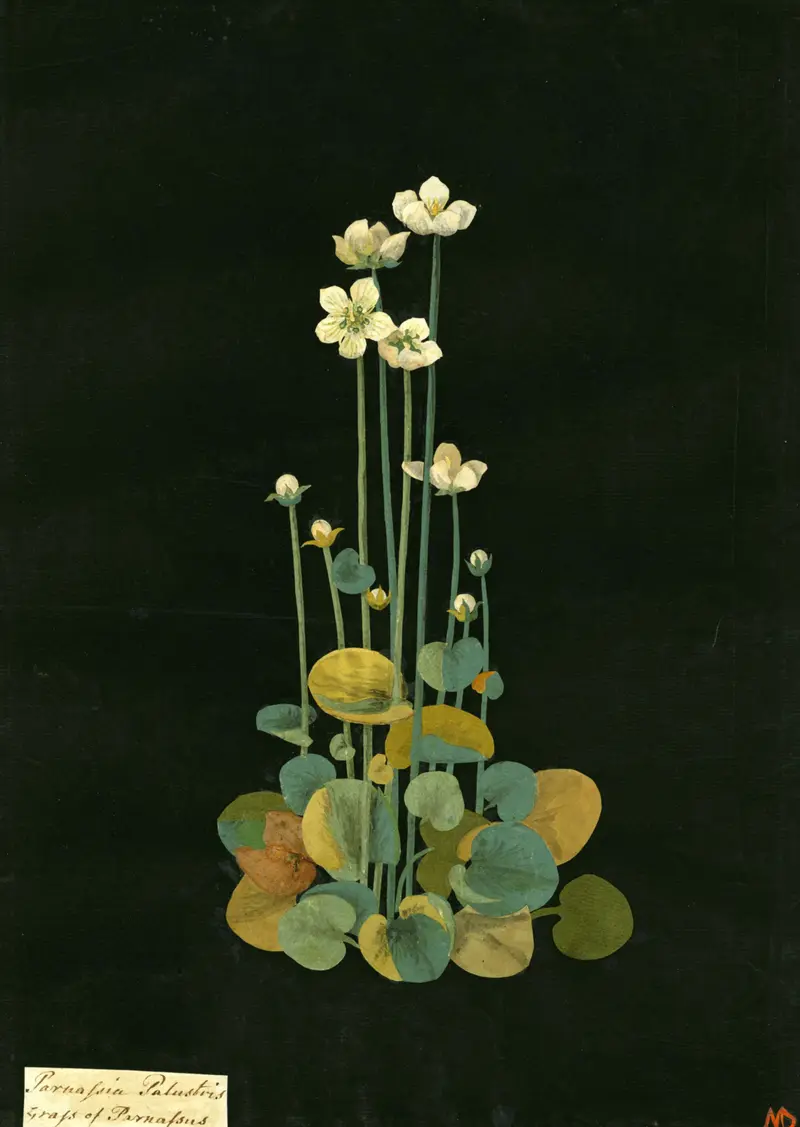
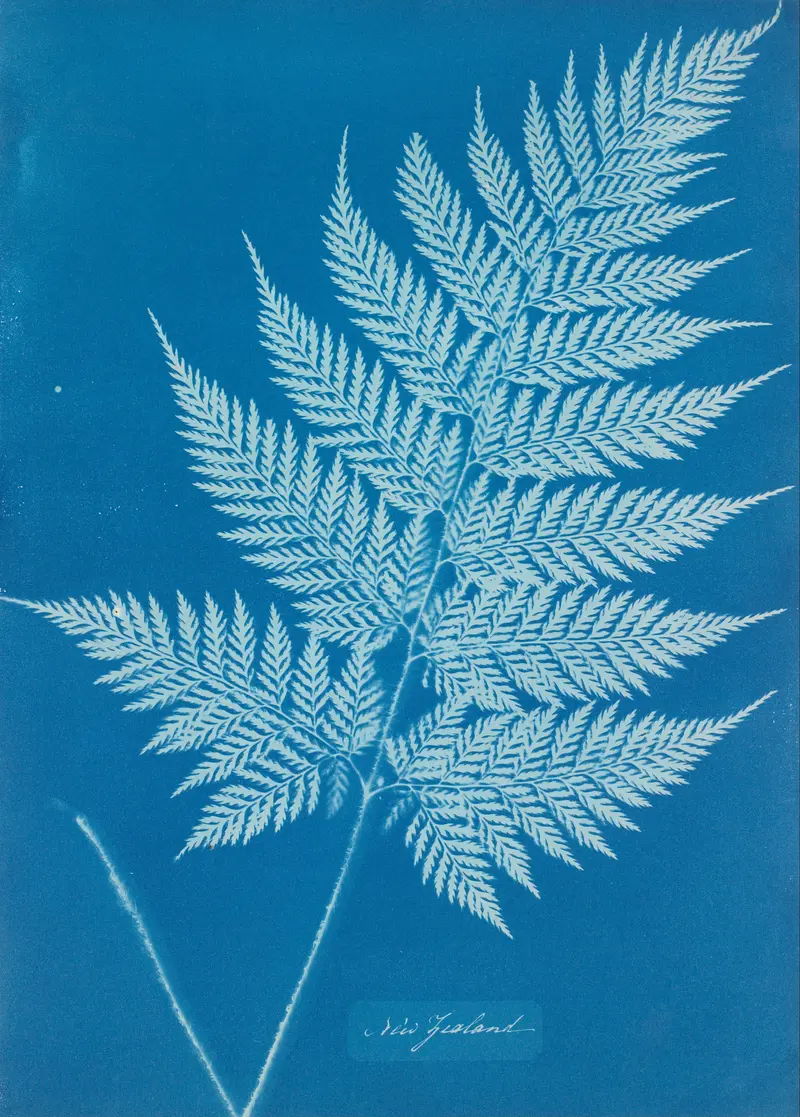
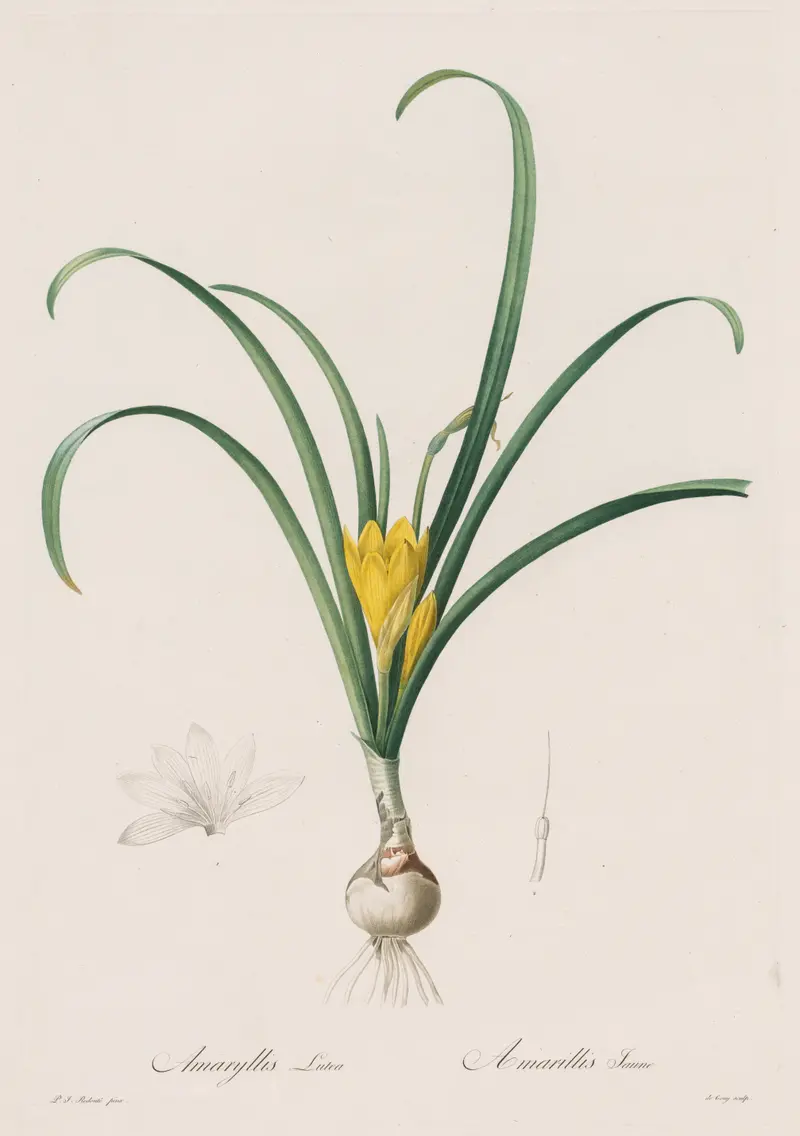
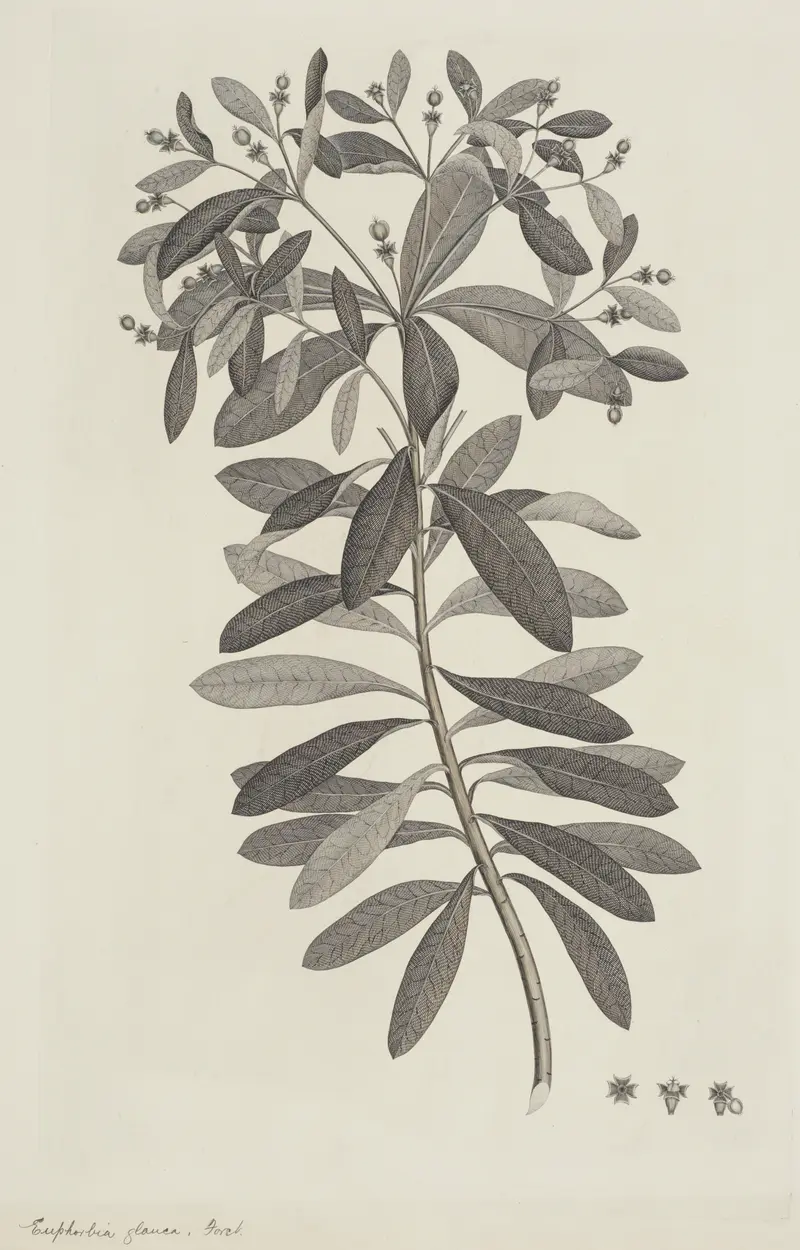
What first seizes the eye in Summer Garden, Plate 4 (Hortus Eystettensis) is the sheer monumentality given to the central plant, its lanceolate leaves fanning out with botanical precision and almost architectural poise. The artist’s hand guides us: every vein, every curl of petal, is mapped with the care of a cartographer charting new territory. The flanking plants, smaller but no less detailed, serve as a kind of visual chorus, their forms echoing and contrasting with the main stem.
The light falls evenly, flattening shadow and focusing attention on line and structure, as if inviting the viewer to study, not just to admire. Even the script beneath each specimen is part of the composition, a flourish of knowledge and pride in naming. This plate belongs to a world where science and art were partners, not rivals. In the early seventeenth century, works like these were commissioned for cabinets of curiosity and princely collections, serving both as scientific documentation and as objects of wonder.
The date 1640 places this sheet in the age of botanical exploration, when gardens became living encyclopedias and engravings such as these—especially those associated with the famed Hortus Eystettensis—were prized by scholars and collectors alike. History has kept few traces of the individual journeys of such plates, but their purpose is clear: to make the invisible visible, to turn the fleeting bloom into lasting knowledge. Let your eye trace each stem and petal, and imagine the hands that once turned these pages in search of the secrets of nature.
More Artworks by Basilius Besler
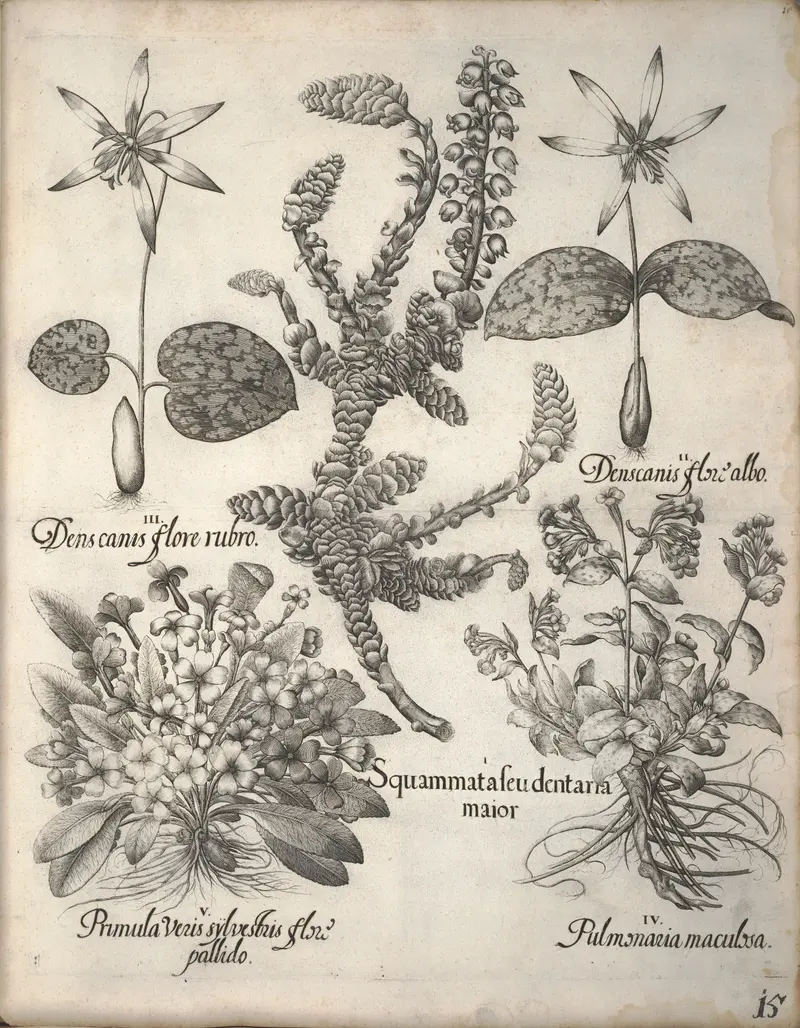
Spring Garden, Plate 15 (Hortus Eystettensis)
Basilius Besler
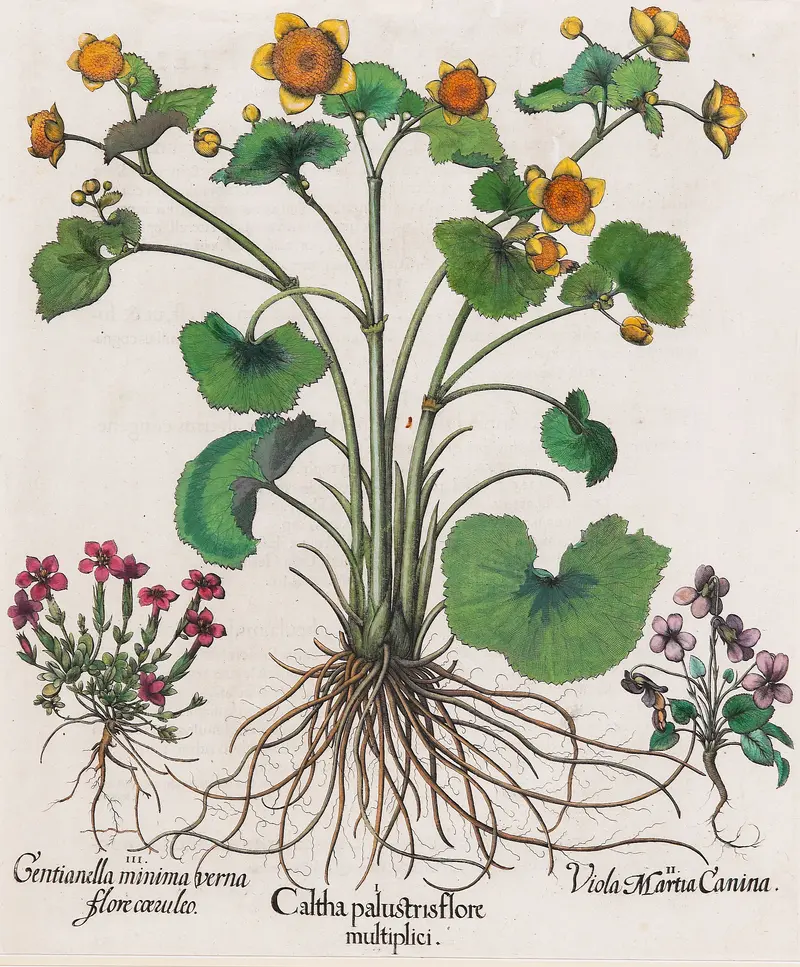
Marsh Marigold (Caltha palustris)
Basilius Besler

Tulips (Hortus Eystettensis)
Basilius Besler

Tulips II (Hortus Eystettensis)
Basilius Besler

Snapdragons (Antirrhinum)
Basilius Besler
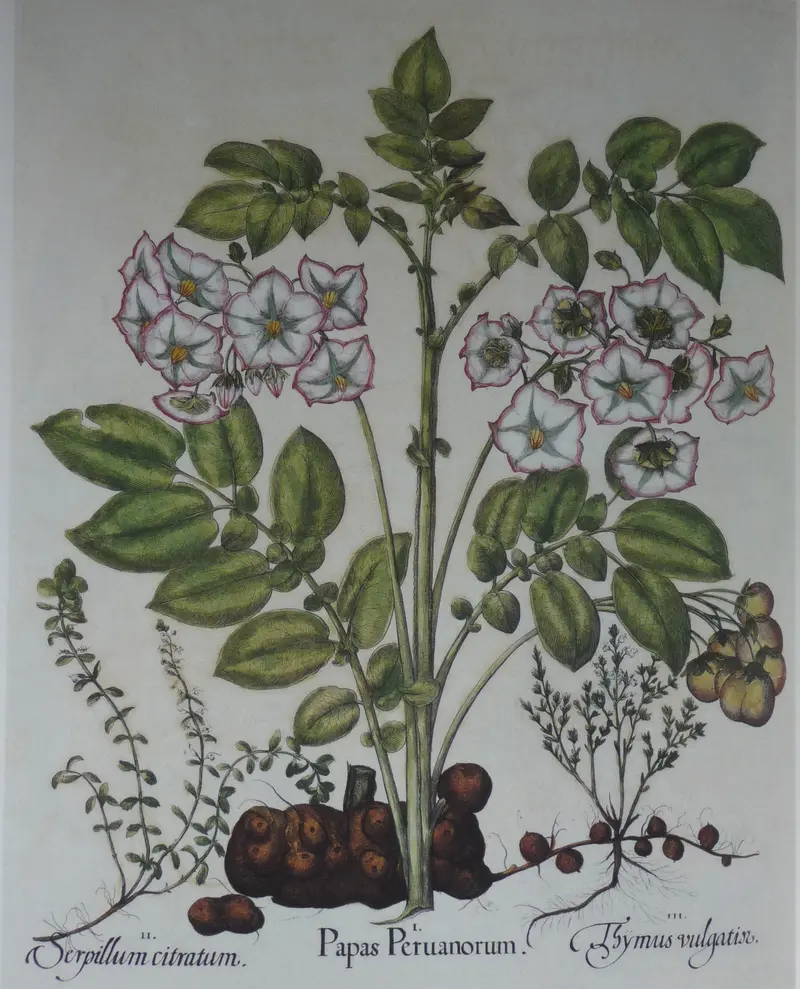
Peruvian Potato Flower (Papas Peruanorum)
Basilius Besler
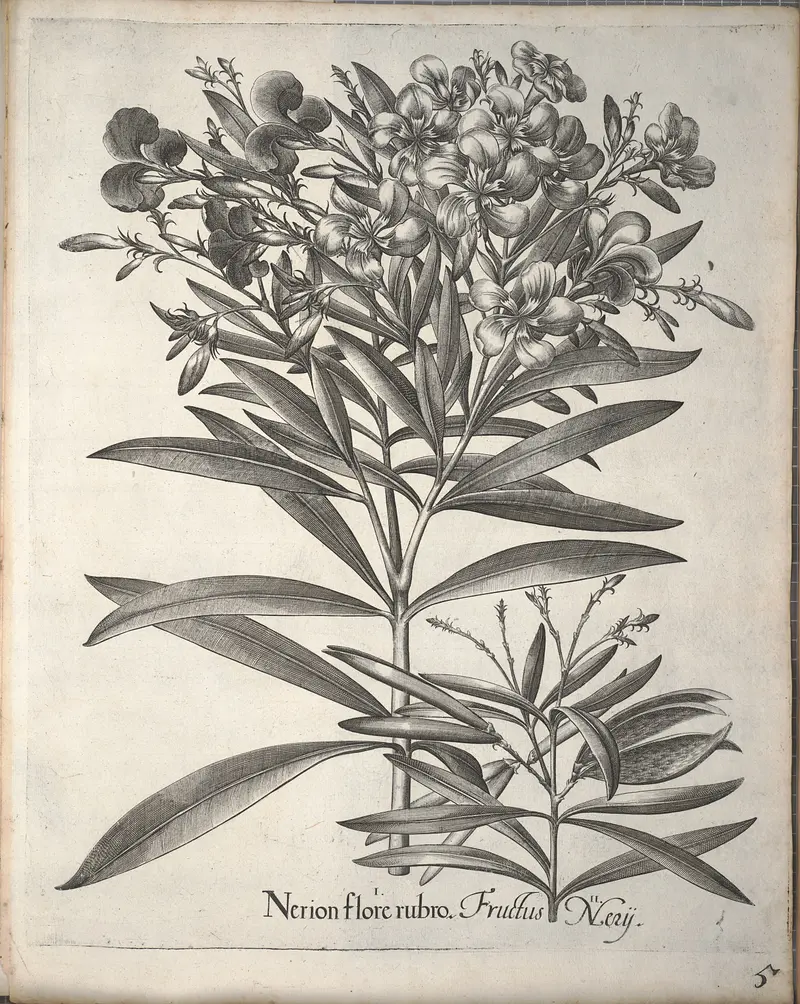
Summer Garden, Plate 5 (Hortus Eystettensis)
Basilius Besler
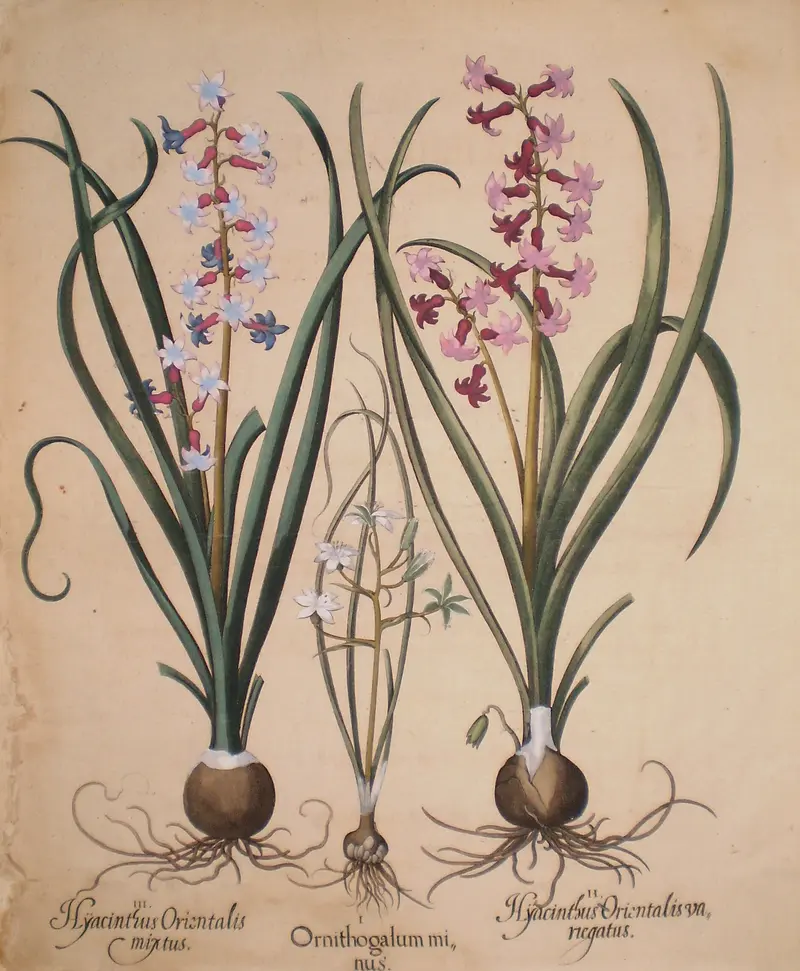
Hyacinths and Star-of-Bethlehem
Basilius Besler
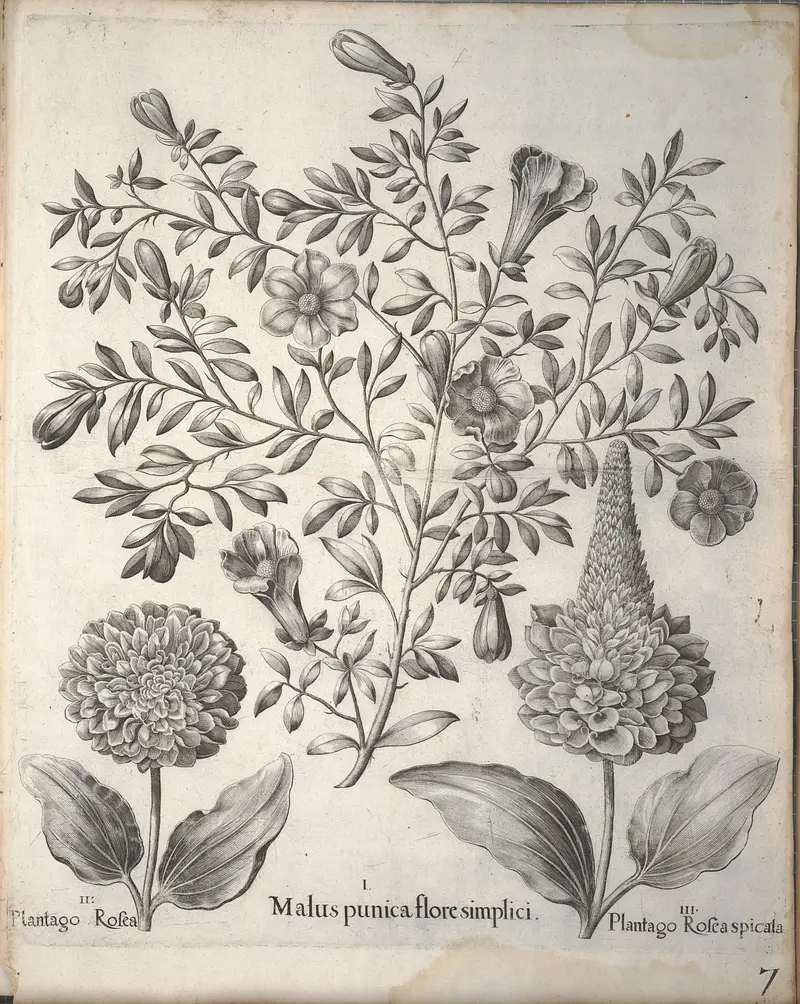
Summer Garden, Plate 7 (Hortus Eystettensis)
Basilius Besler
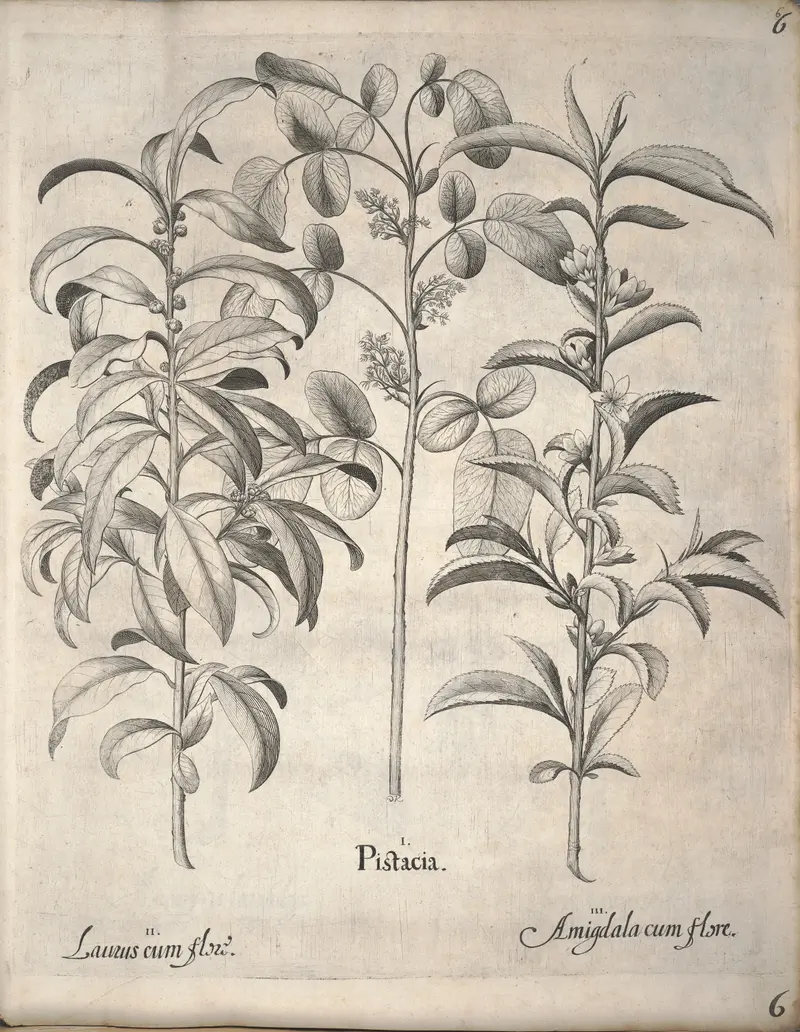
Spring Garden, Plate 6 (Hortus Eystettensis)
Basilius Besler