
Summertime — History & Facts
When Summertime was first exhibited in 1895, critics immediately recognized it as one of Mary Cassatt’s most intimate explorations of modern womanhood. The painting stands out in her oeuvre for its unusually direct engagement with the viewer: the seated woman’s gaze, turned outward, seems to invite us into her private world. Unlike many of her contemporaries, Cassatt rarely depicted women in outdoor leisure scenes, making this work a rare foray into the Impressionist fascination with light and water.
The identity of the models—likely drawn from Cassatt’s circle of friends and family—remains uncertain, adding an air of mystery to the painting’s gentle narrative. We catch the two women at a moment of quiet companionship, seated in a small boat adrift on a placid lake. The younger woman leans over the edge, trailing her hand in the water, while the older figure, dressed in a pale summer dress, sits upright and watchful. The shifting blues and greens of the water, rendered in loose, flickering brushstrokes, echo the Impressionist preoccupation with capturing fleeting effects of light.
The boat’s reflection is broken by ripples, suggesting a gentle breeze and the passage of time. Unlike Monet’s bustling boating scenes, Cassatt’s focus is not on spectacle but on the private, contemplative bond between her sitters—a quiet assertion of women’s agency and interiority. The exact medium of Summertime is not clearly documented, though it is generally believed to be oil on canvas, in keeping with Cassatt’s practice of the 1890s. The painting has remained in private collections for much of its life, surfacing at major exhibitions of American Impressionism and Cassatt’s retrospectives.
Its serene subject and gentle palette mark a period when Cassatt was at the height of her powers, exploring the possibilities of color and composition learned from her close association with Degas and the French Impressionists. Today, Summertime is celebrated as a testament to Cassatt’s unique vision: a world seen through the eyes of women, rendered with empathy and clarity.
More Artworks by Mary Cassatt

The Child's Bath
Mary Cassatt
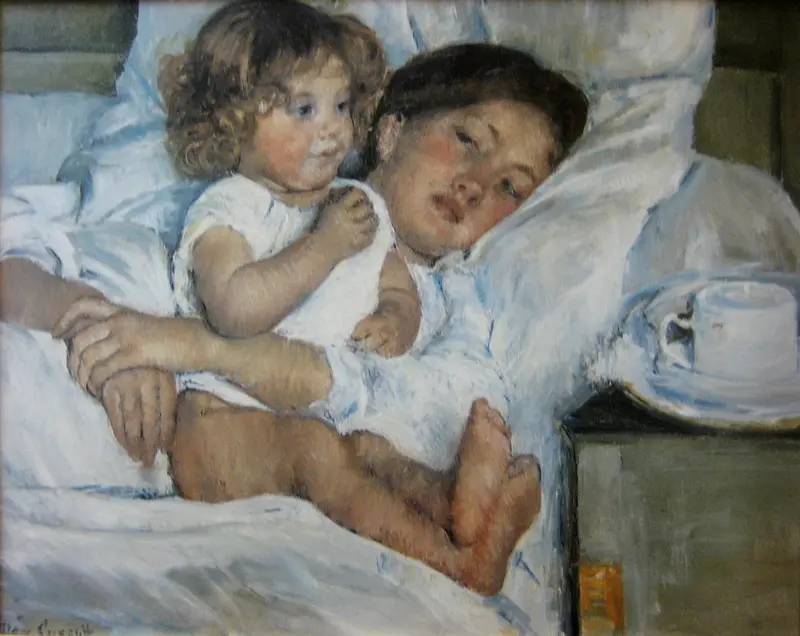
Breakfast in Bed
Mary Cassatt

Mother and Child (Baby Getting Up from His Nap)
Mary Cassatt
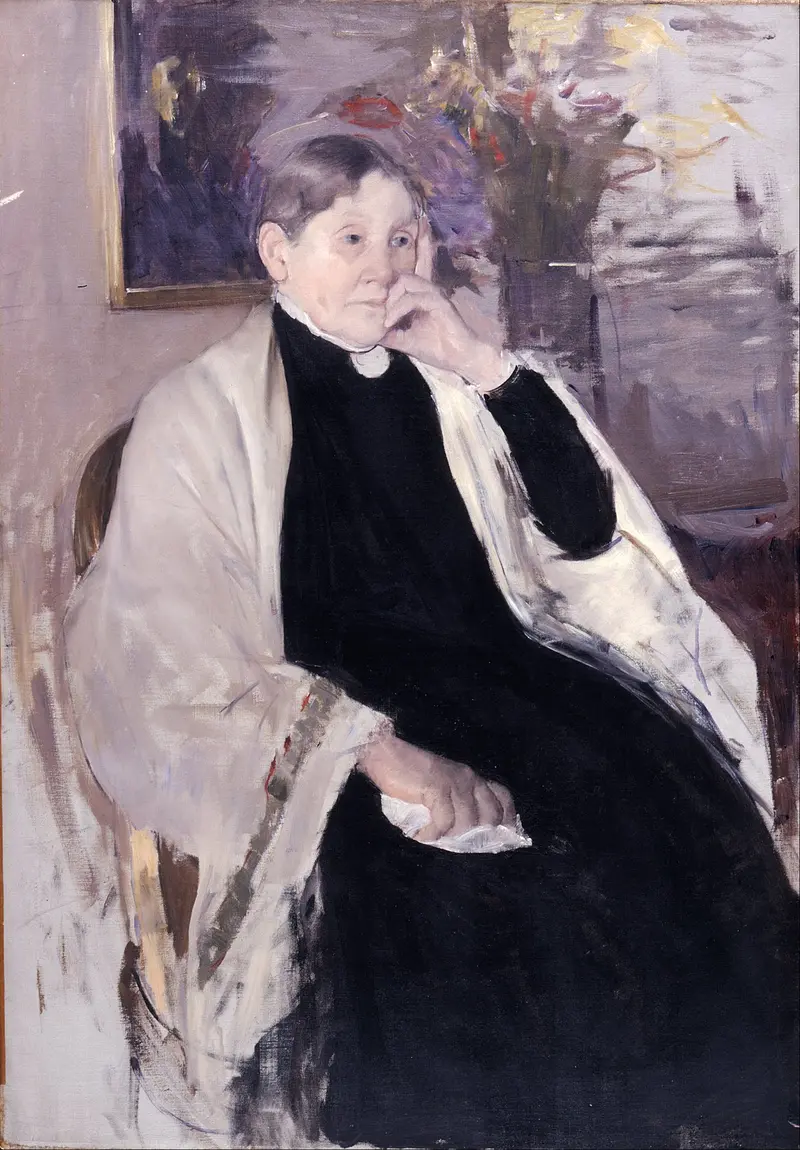
Mrs. Robert S. Cassatt, the Artist's Mother
Mary Cassatt
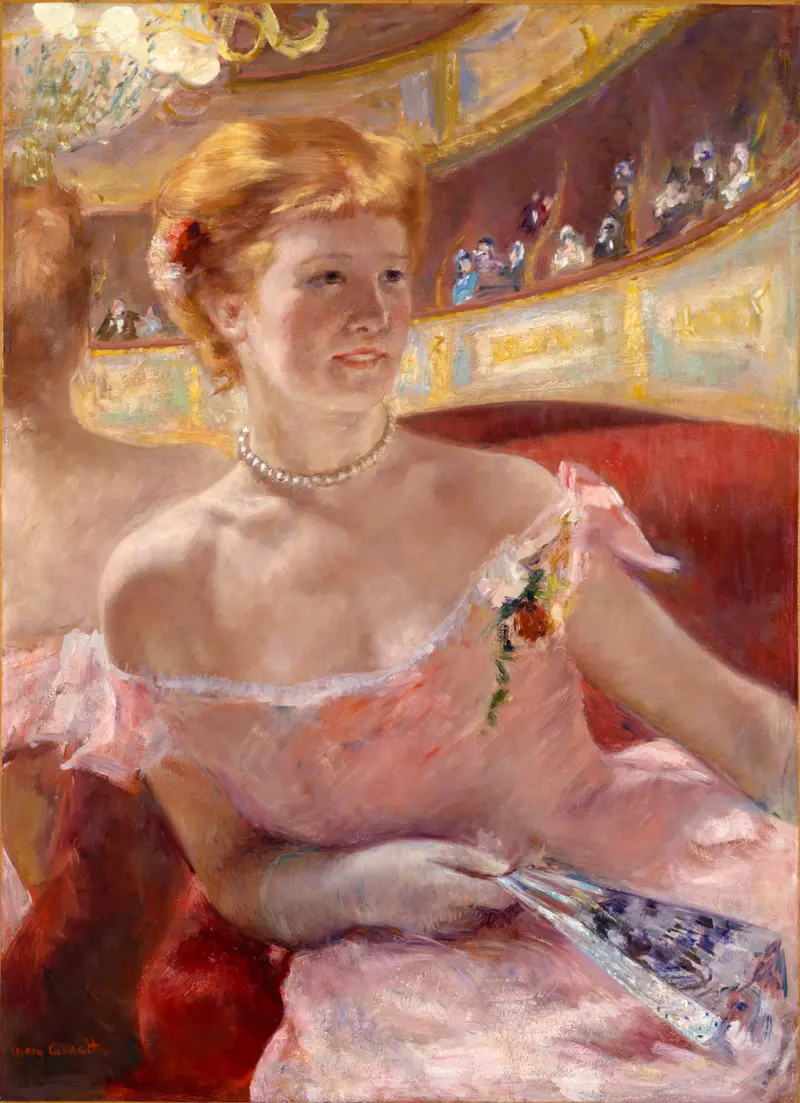
Woman with a Pearl Necklace in a Loge
Mary Cassatt
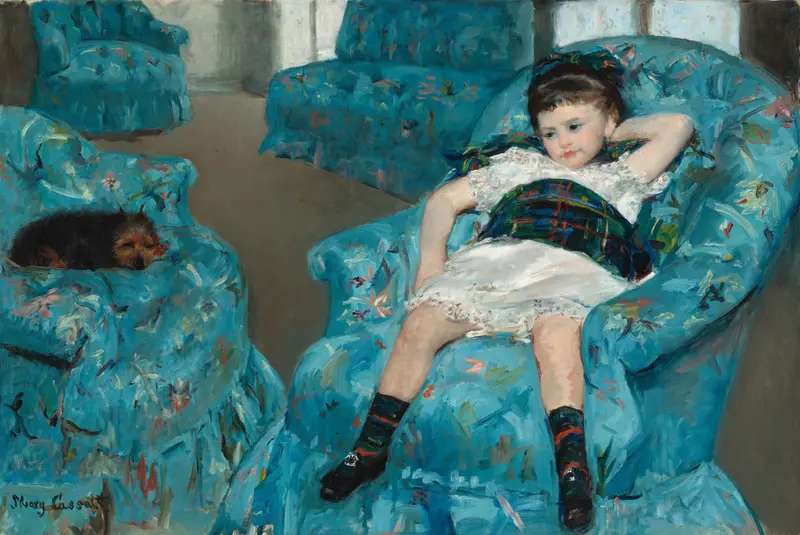
Little Girl in a Blue Armchair
Mary Cassatt
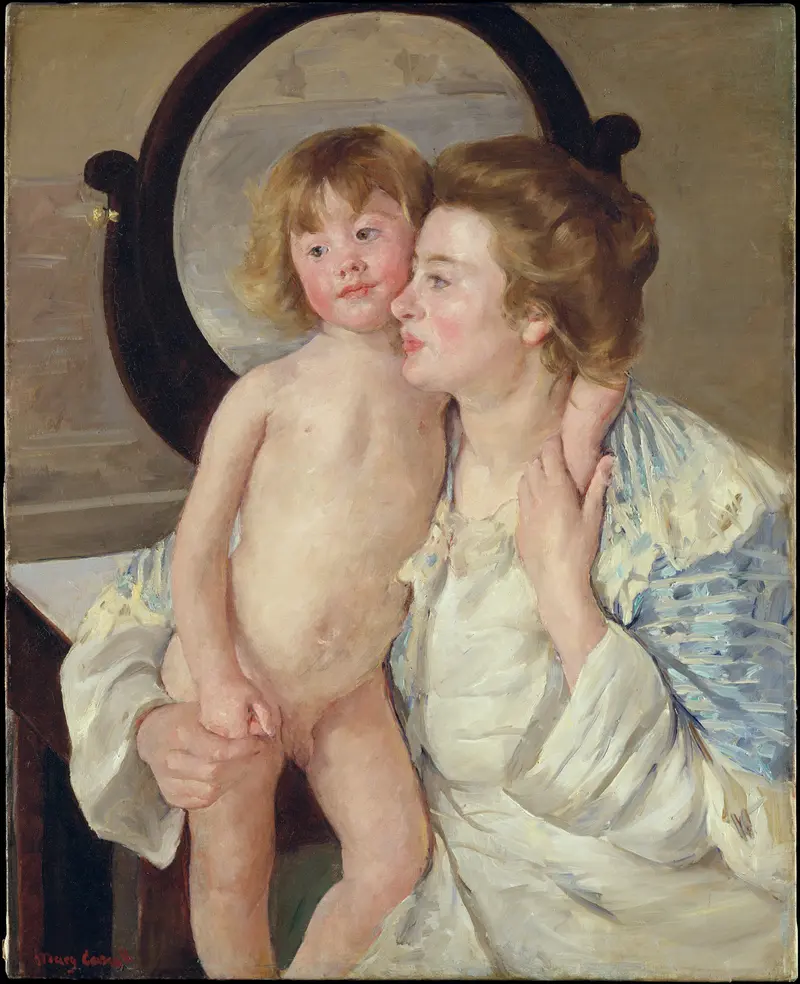
Mother and Child (The Oval Mirror)
Mary Cassatt
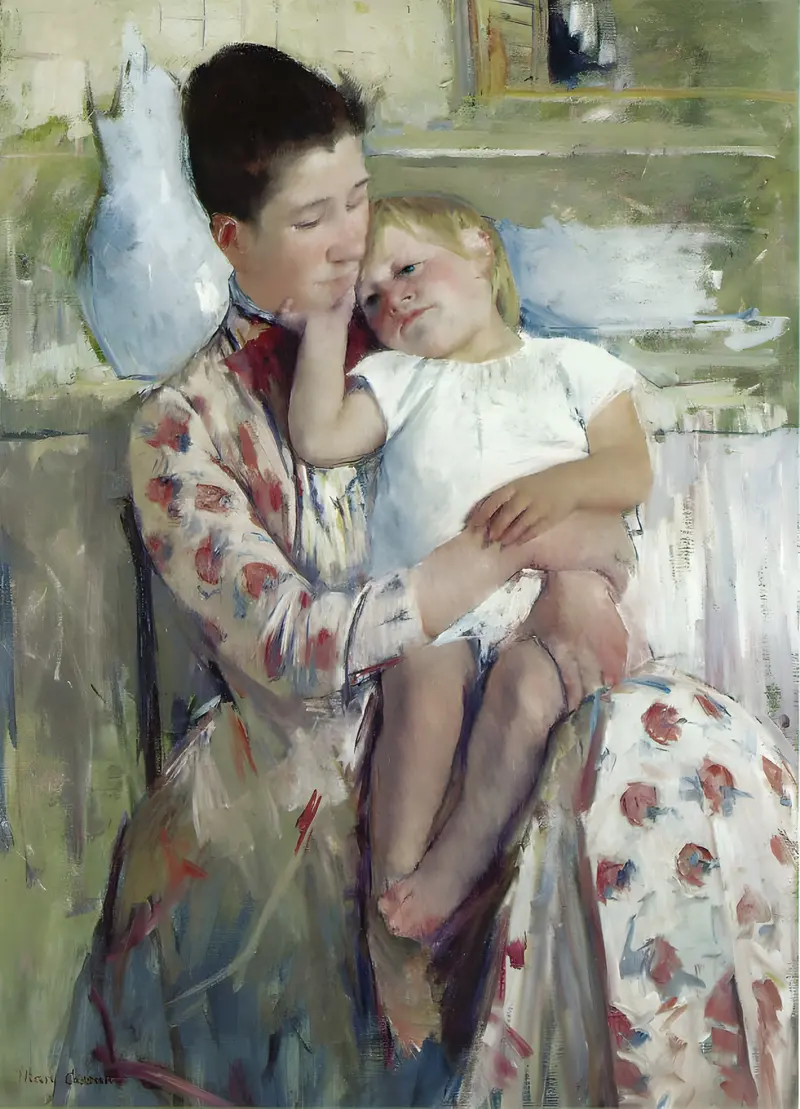
Mother and Child
Mary Cassatt
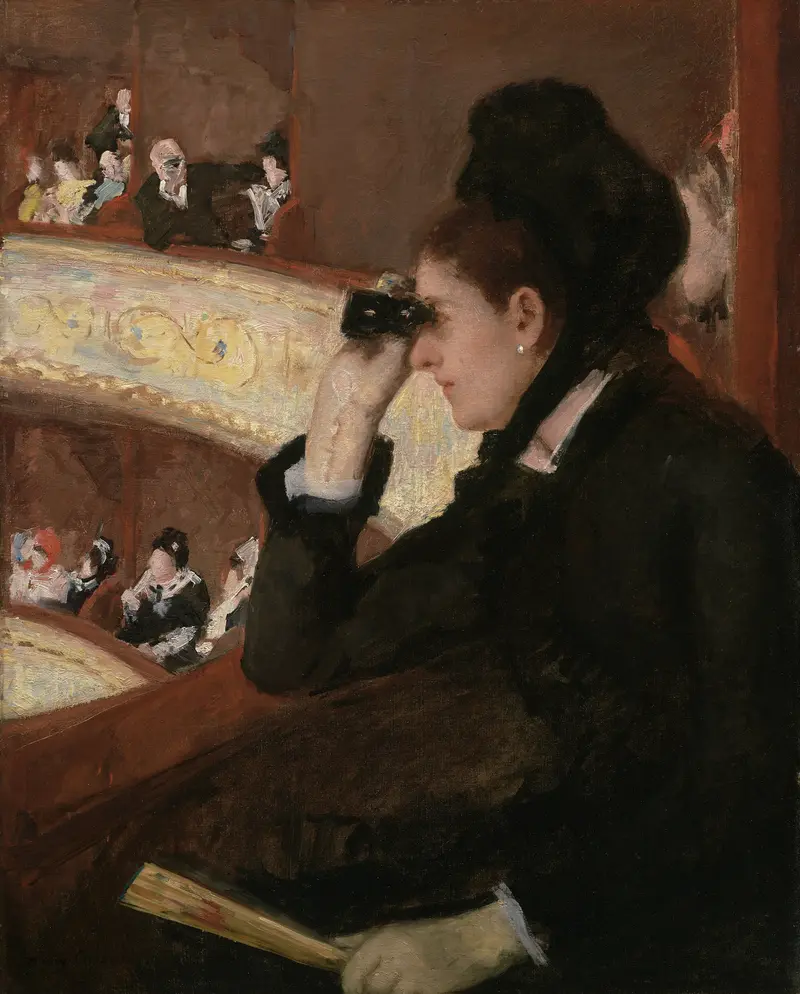
In The Loge
Mary Cassatt
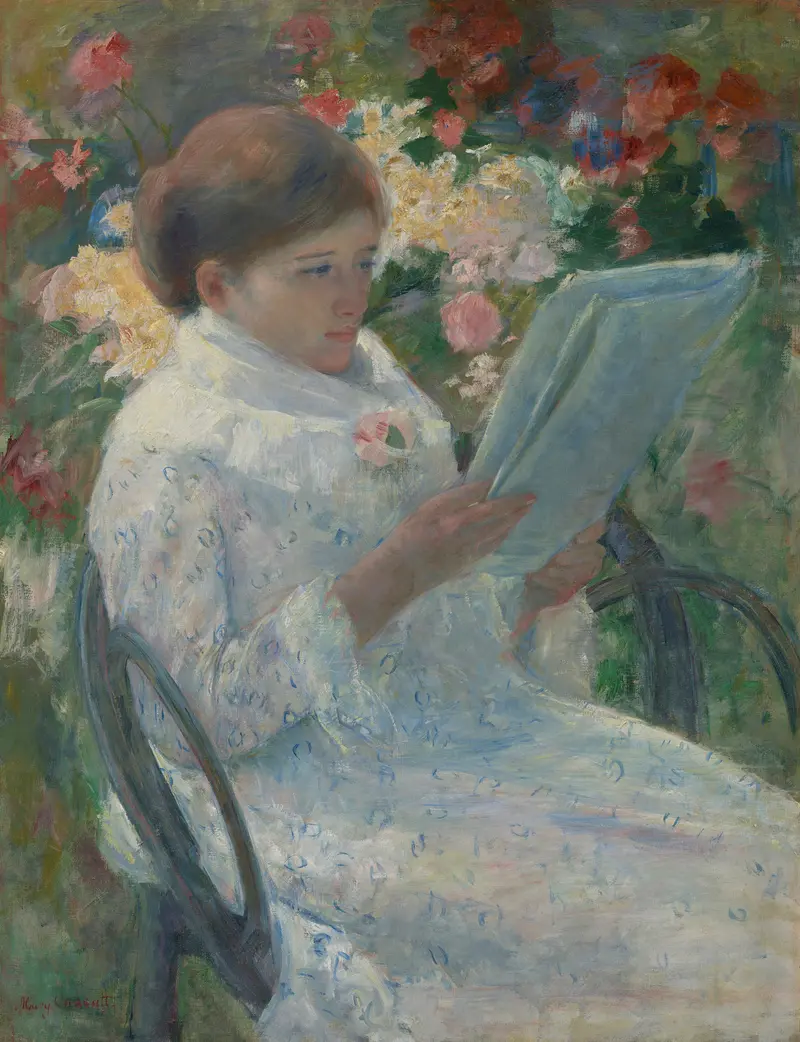
On a Balcony
Mary Cassatt
More Genre Scene Art

Banquet of the Officers of the St George Civic Guard
Frans Hals

Rembrandt and Saskia in the Scene of the Prodigal Son
Rembrandt van Rijn

Bal du moulin de la Galette
Pierre-Auguste Renoir

Quadrille at the Moulin Rouge
Henri de Toulouse-Lautrec

A Burial at Ornans
Gustave Courbet

When Will You Marry?
Paul Gauguin