
Szymon Starowolski and Charles Gustav before the grave of Władysław Łokietek. — History & Facts
In 1857, a young Jan Matejko—not yet the celebrated chronicler of Poland’s past—chose as his subject a moment of historical reverence: the visit of Szymon Starowolski, the 17th-century historian, and Charles Gustav, the future Swedish king, to the tomb of Władysław Łokietek in Kraków’s Wawel Cathedral. This was a bold choice for a debut, as the scene itself is recorded in Polish chronicles but rarely depicted in art. The painting stands out as one of Matejko’s earliest forays into the grand pageantry of Polish history, laying the foundation for his later monumental works. The canvas captures a tense, almost theatrical pause: Starowolski, robed in scholar’s black, gestures toward the grave, his hand hovering as if to invite reflection or warn of the weight of history.
Charles Gustav, in foreign dress, stands with a mixture of curiosity and unease, his gaze fixed on the stone effigy of Łokietek—the king who unified Poland after years of fragmentation. The flickering candlelight casts long shadows, illuminating the marble tomb and glinting off the chain of office at Starowolski’s neck, a symbol of his authority as a chronicler. Where Rembrandt might have dwelled on the psychology of a single figure, Matejko sets up a dialogue between past and present, Polish and foreign, memory and ambition. Little is known about the immediate fate of this early work, as records of its commission and early ownership are scarce.
What is clear is that Szymon Starowolski and Charles Gustav before the grave of Władysław Łokietek marks a turning point for Matejko, who would soon become synonymous with the grand historical tableau in Polish art. Today, the painting is recognized as a formative piece, foreshadowing the artist’s lifelong dedication to visualizing Poland’s national story. Its current location is not widely published, but it remains a key reference in studies of Matejko’s development and the rise of historical painting in 19th-century Central Europe.
More Artworks by Jan Matejko
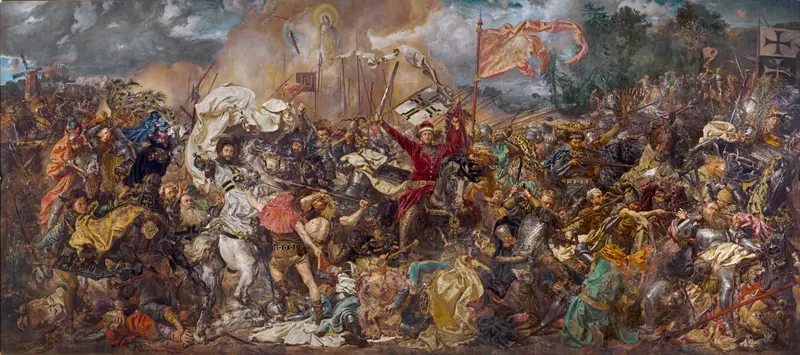
Battle of Grunwald
Jan Matejko

Stańczyk
Jan Matejko

Battle of Raclawice
Jan Matejko
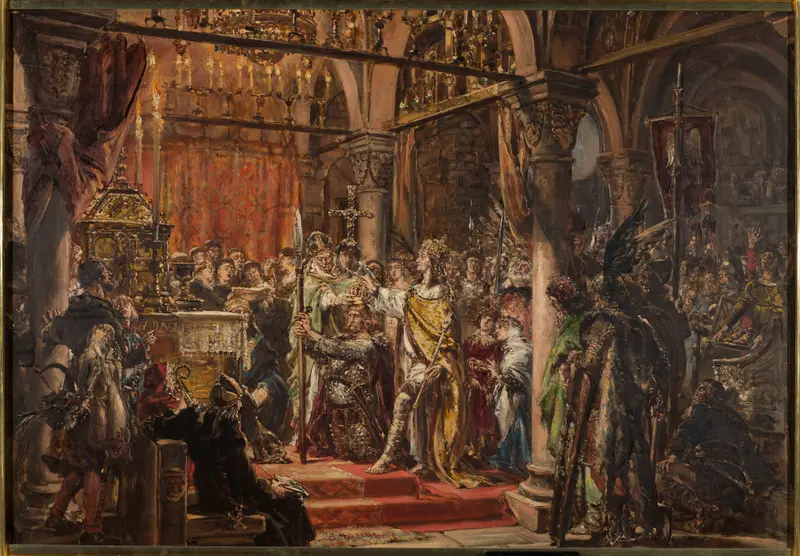
Coronation of the First King, 1001 AD, from the series “History of Civilization in Poland”
Jan Matejko
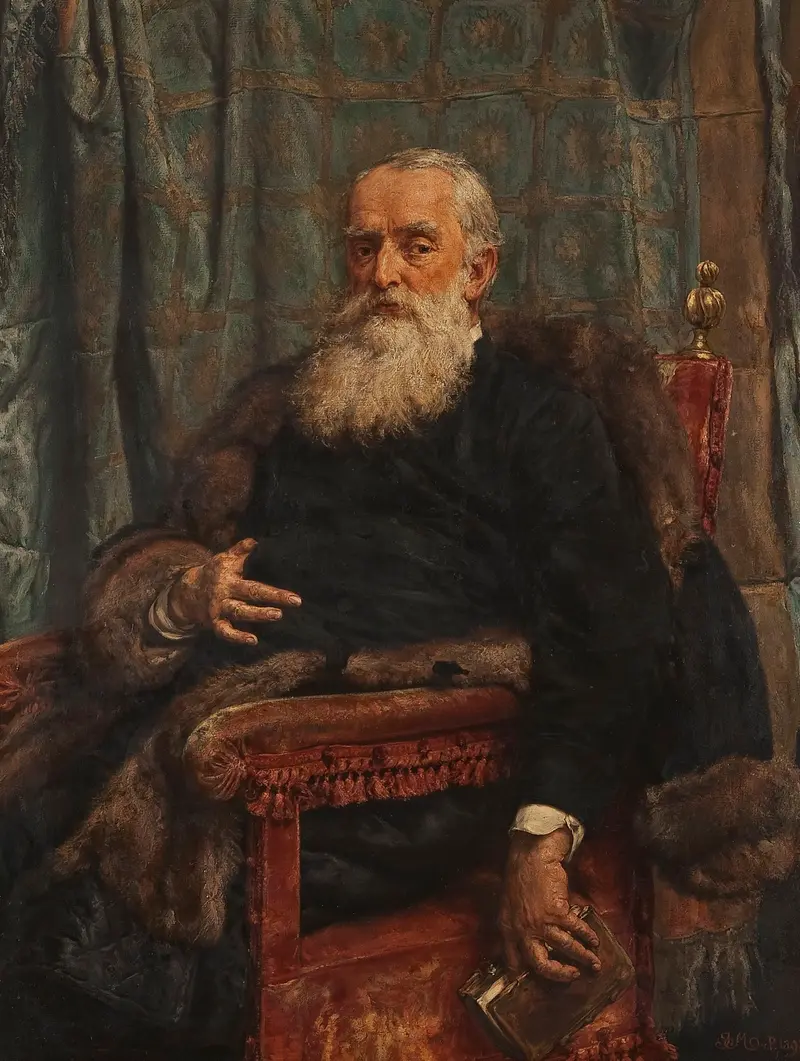
Portrait of Henryk Krajewski
Jan Matejko
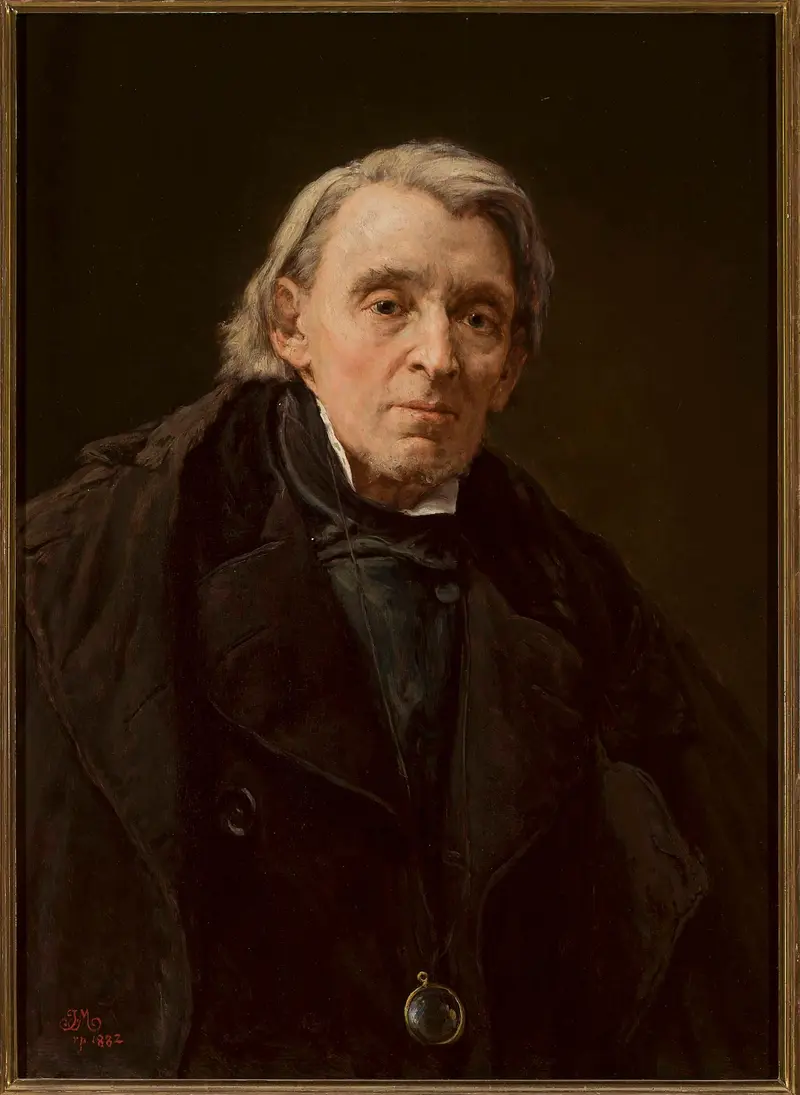
Portrait of Karol Podlewski
Jan Matejko
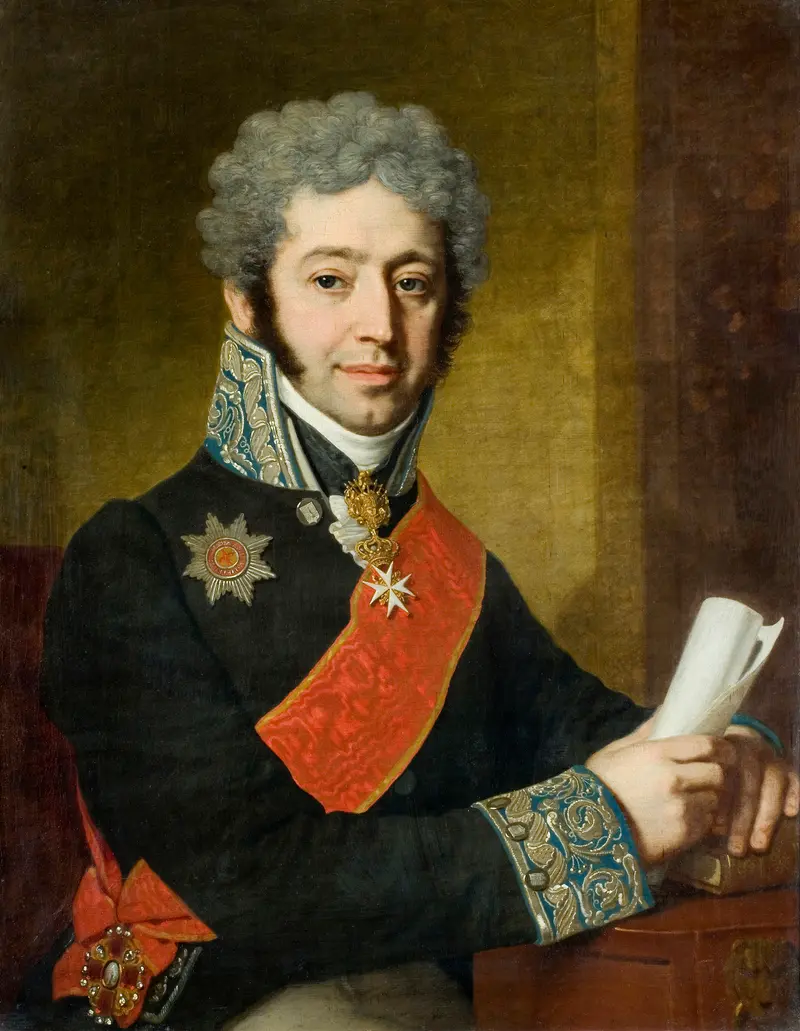
Portrait of Potocki and Poninski
Jan Matejko
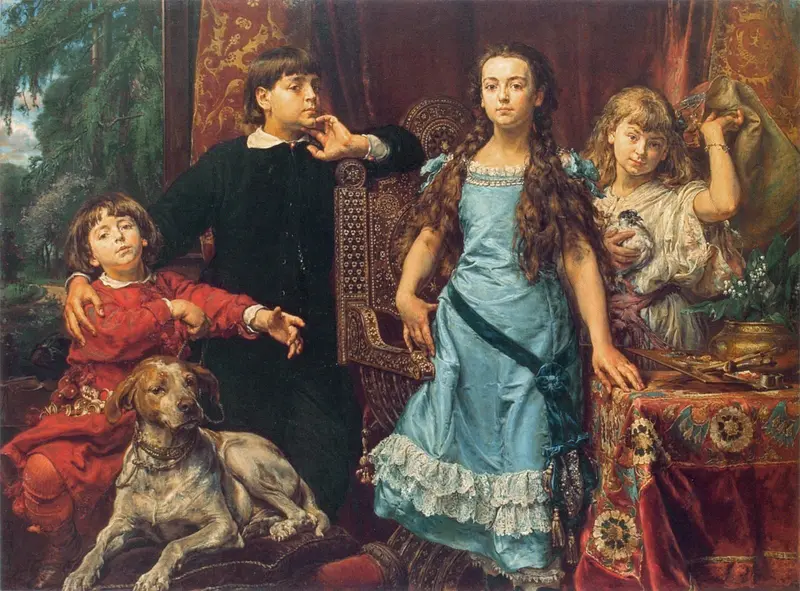
Portrait of the artist's four children
Jan Matejko
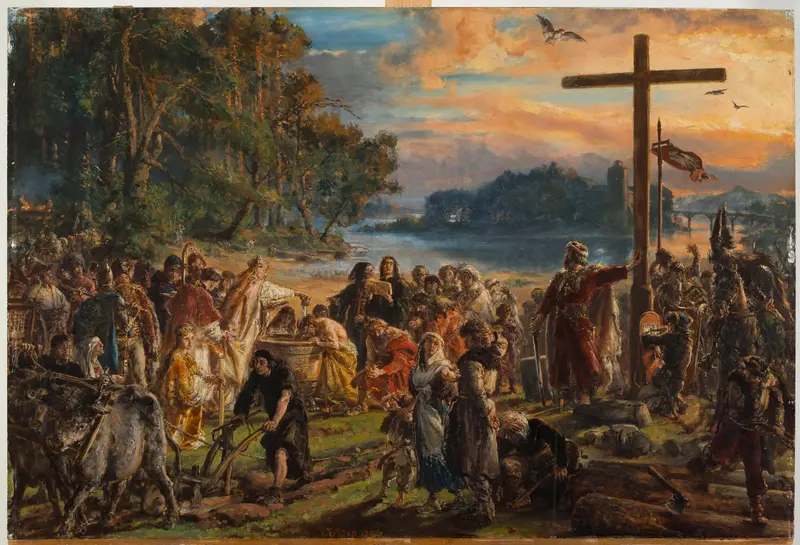
Introduction of Christianity in Poland
Jan Matejko
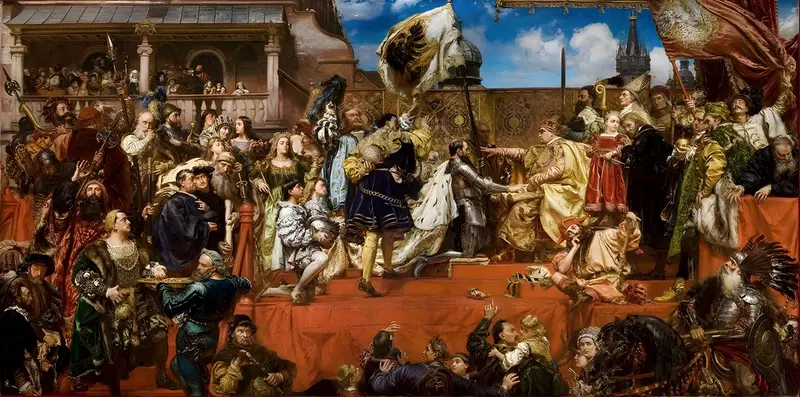
Prussian Homage
Jan Matejko





