
Étang De Gillieu, Dauphiné; Solitude — History & Facts
Could beauty survive in a century of chaos? This painting offers a glimpse into the fragile harmony that dances on the edge of madness. Look to the left at the tranquil waters of the Étang de Gillieu, where the reflections of trees and sky meld into an ethereal dreamscape. Daubigny’s brushstrokes whisper of serenity, while the subtle palette of greens and blues invites the viewer to linger. Notice how the light filters through the canopy above, casting delicate shadows that play across the surface of the water, creating a delicate tension between stillness and movement. The juxtaposition of the lush landscape against the looming mountains speaks to a deeper emotional landscape.
The calmness of the water contrasts with the chaos of the unseen world beyond the frame, a reminder of nature’s ability to provide refuge even amidst turmoil. Each ripple in the water hints at the underlying currents of emotion, reflecting the artist's contemplation of solitude and its intricacies during a tumultuous era. Painted in 1876, this work emerged from Daubigny’s time in the countryside of France, a period marked by personal introspection and societal upheaval. The artist was grappling with his legacy while navigating the shifting tides of impressionism, which sought to capture fleeting moments of reality.
Amidst this backdrop, Étang De Gillieu, Dauphiné; Solitude stands as a testament to the enduring power of beauty in the face of disruption.
More Artworks by Charles François Daubigny
Browse all →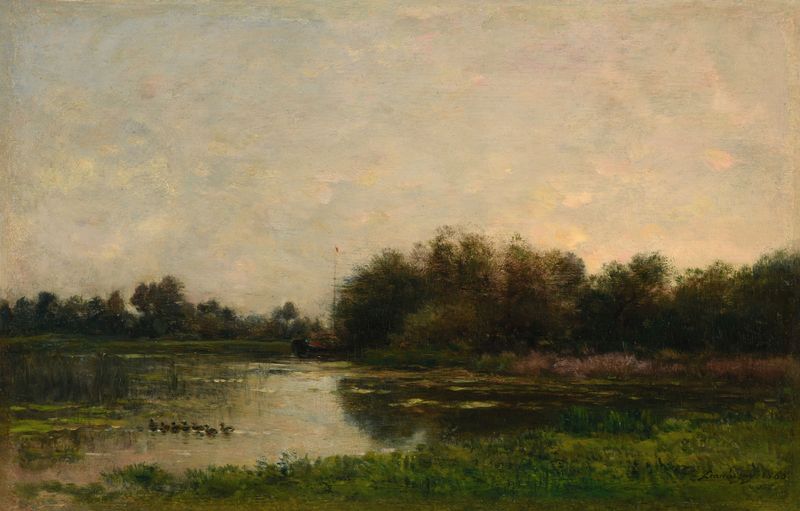
Bords de l’Oise
Charles François Daubigny
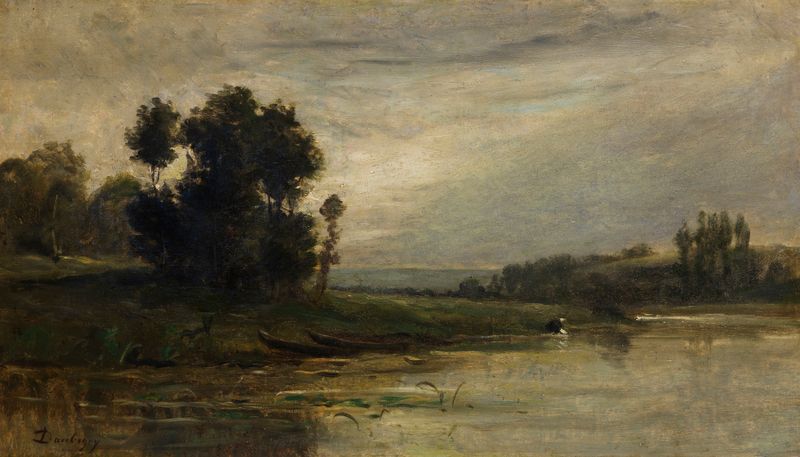
Bords de l’Oise
Charles François Daubigny
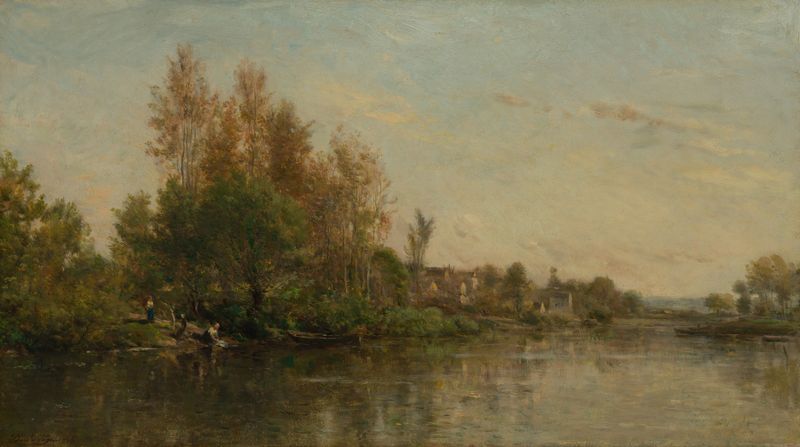
The Banks of the Oise
Charles François Daubigny
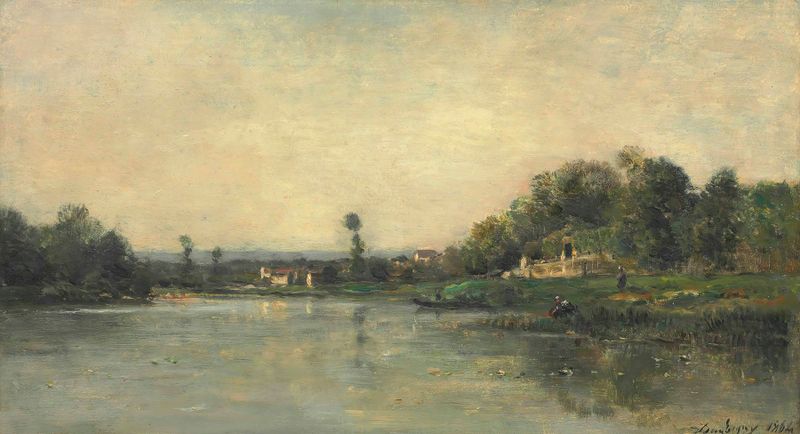
Les Bords De L’oise
Charles François Daubigny
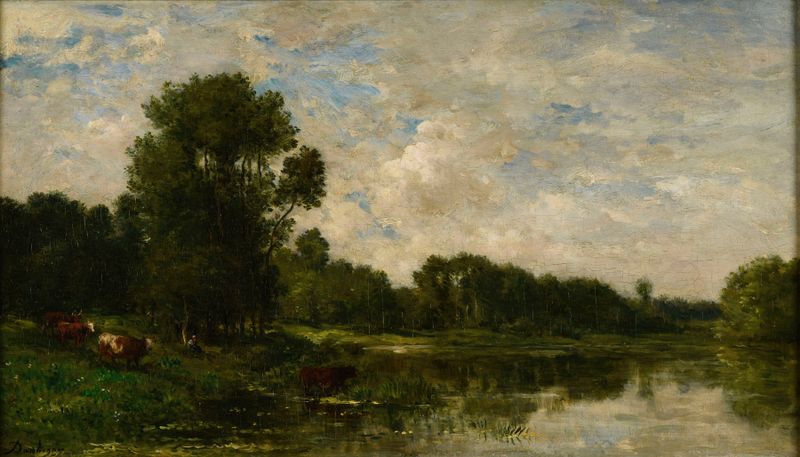
Bords de l’Oise
Charles François Daubigny
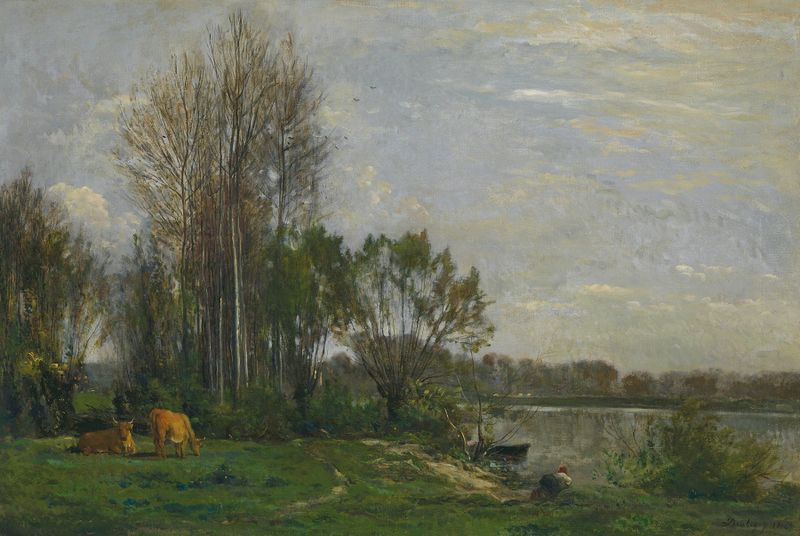
Les Bord De L’oise
Charles François Daubigny
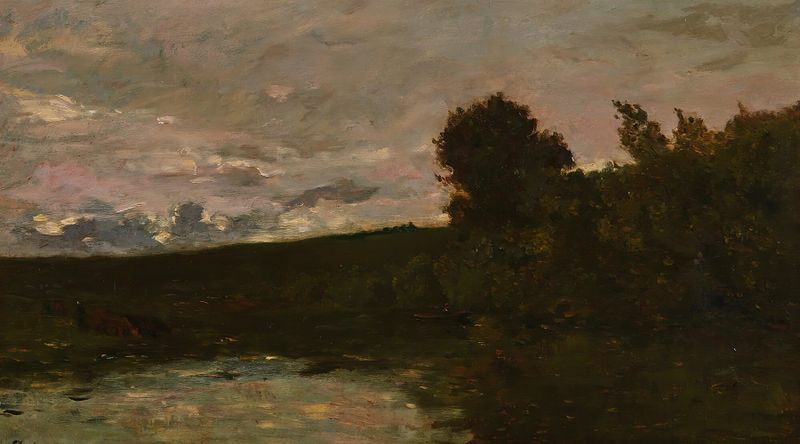
Bord De Riviére
Charles François Daubigny
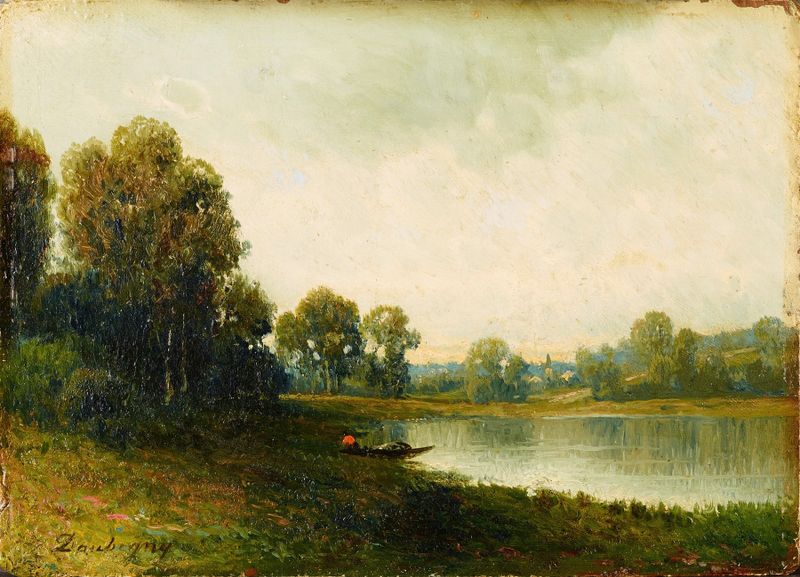
Landscape
Charles François Daubigny
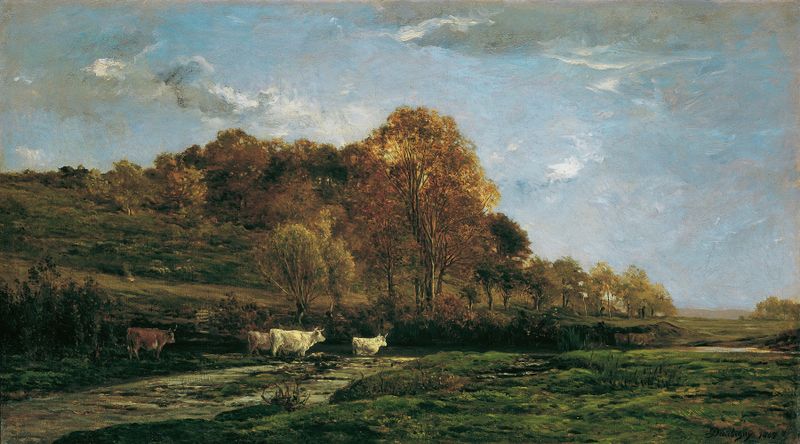
Herbstliche Aulandschaft Abendstimmung
Charles François Daubigny
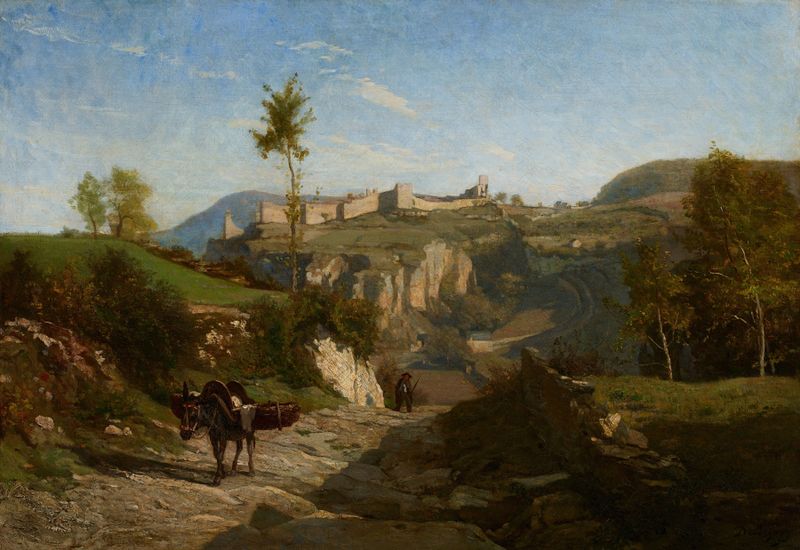
Landscape near Crémieu
Charles François Daubigny





