
Taos — History & Facts
A lone adobe arch stands sentinel in the winter landscape, its ochre walls dusted with snow, inviting the viewer to step through and follow the story unfolding beyond. The eye is drawn past the archway, where two distant riders move steadily across the open field, their dark forms a quiet counterpoint to the pale ground and muted sky. Sparse yellow leaves cling to slender trees, their color echoing the warmth of the wall and hinting at a season in transition.
The composition leads us gently from the foreground’s textured footprints and shadowed gateway, through the emptiness of the snow, toward the riders and the low, misty mountains beyond. The mood is one of stillness and anticipation—a moment caught between departure and arrival, solitude and encounter. Painted in 1925 by Akseli Gallen-Kallela, Taos belongs to a world where artists sought new frontiers, both literal and artistic. By the 1920s, painters from Europe and America were drawn to the unique light and landscape of the American Southwest, captivated by its stark forms and cultural crossroads.
This work, now documented in a Bukowskis auction, stands as a quiet testament to that era’s fascination with place and passage. History has kept few traces of this specific painting’s journey, but its image endures as a window into a time when the boundaries of art and geography were being redrawn—inviting us to linger at the threshold and imagine what lies just beyond.
More Artworks by Akseli Gallen-Kallela
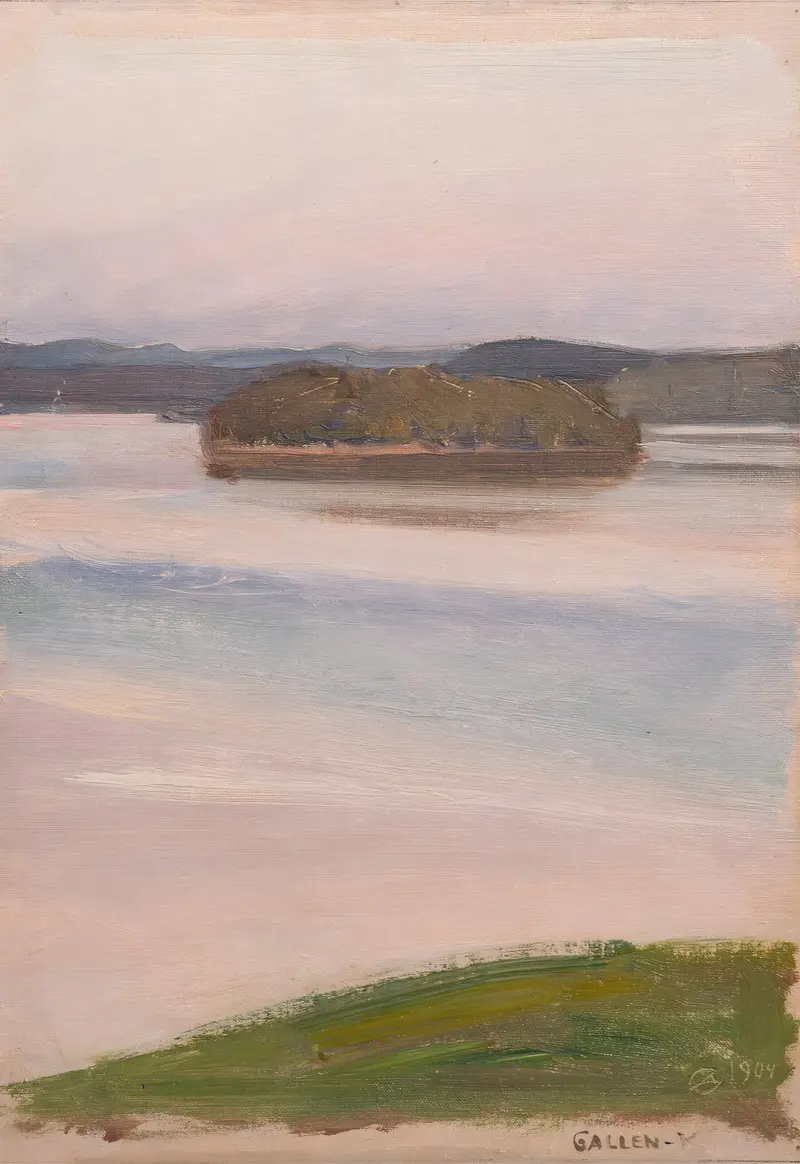
Lake Keitele
Akseli Gallen-Kallela
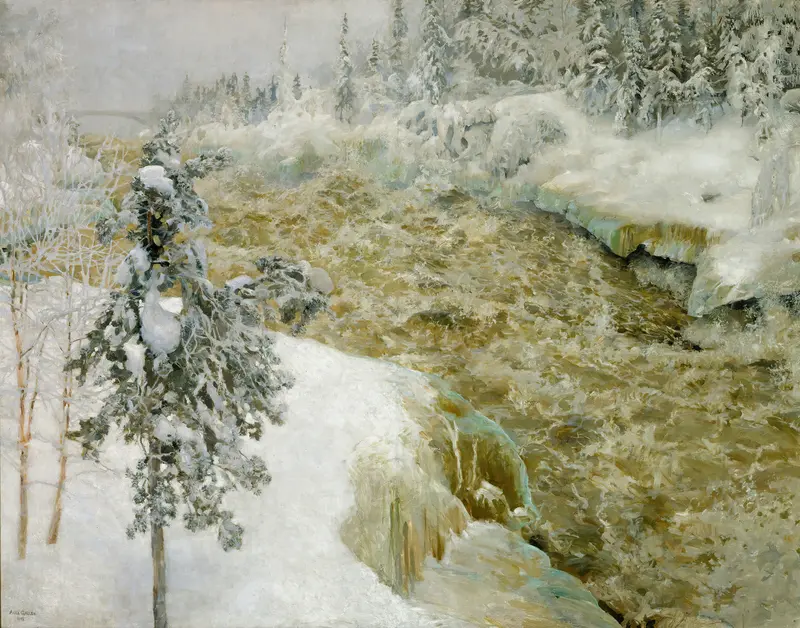
Imatra Falls in Snow ; Imatra in Winter
Akseli Gallen-Kallela
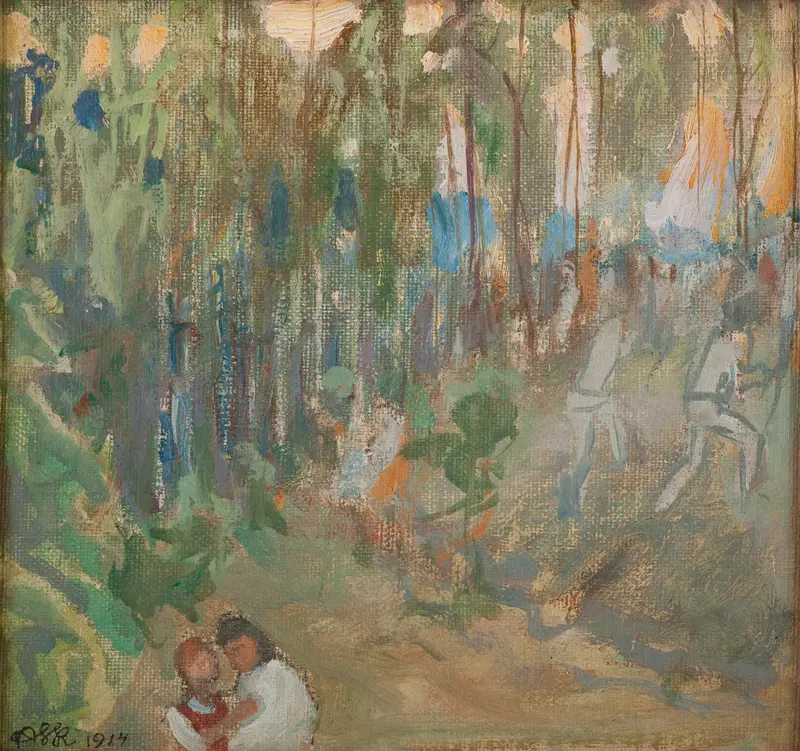
Vainovalkeat
Akseli Gallen-Kallela
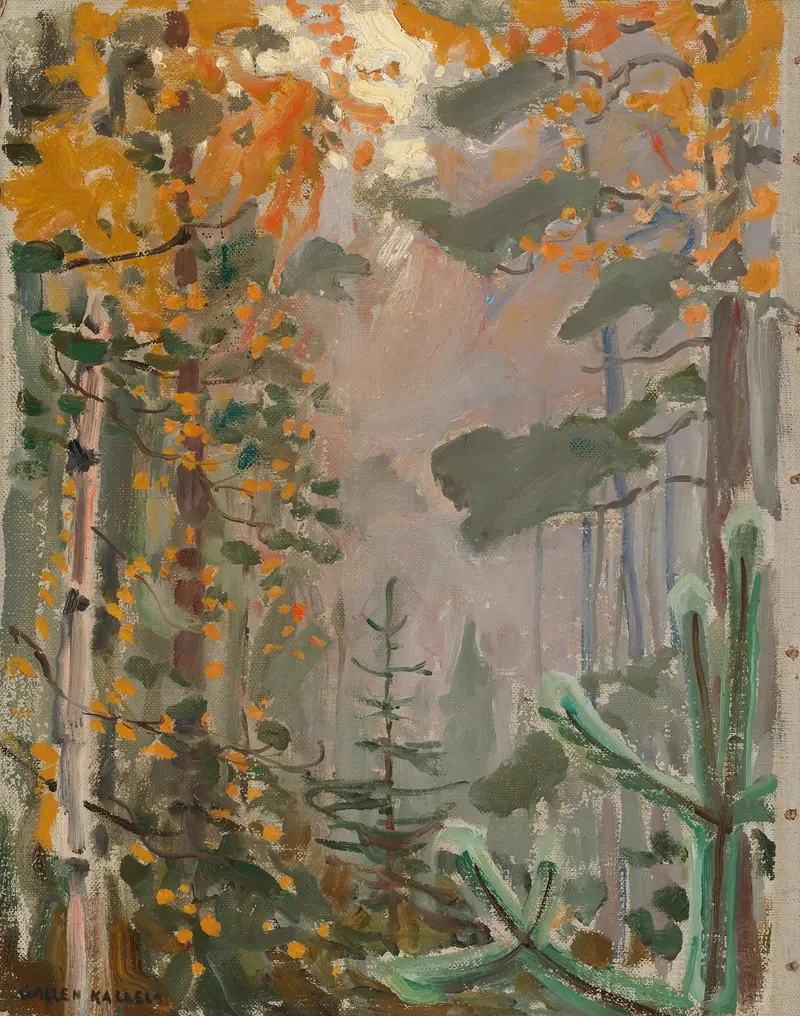
Autumn Landscape
Akseli Gallen-Kallela
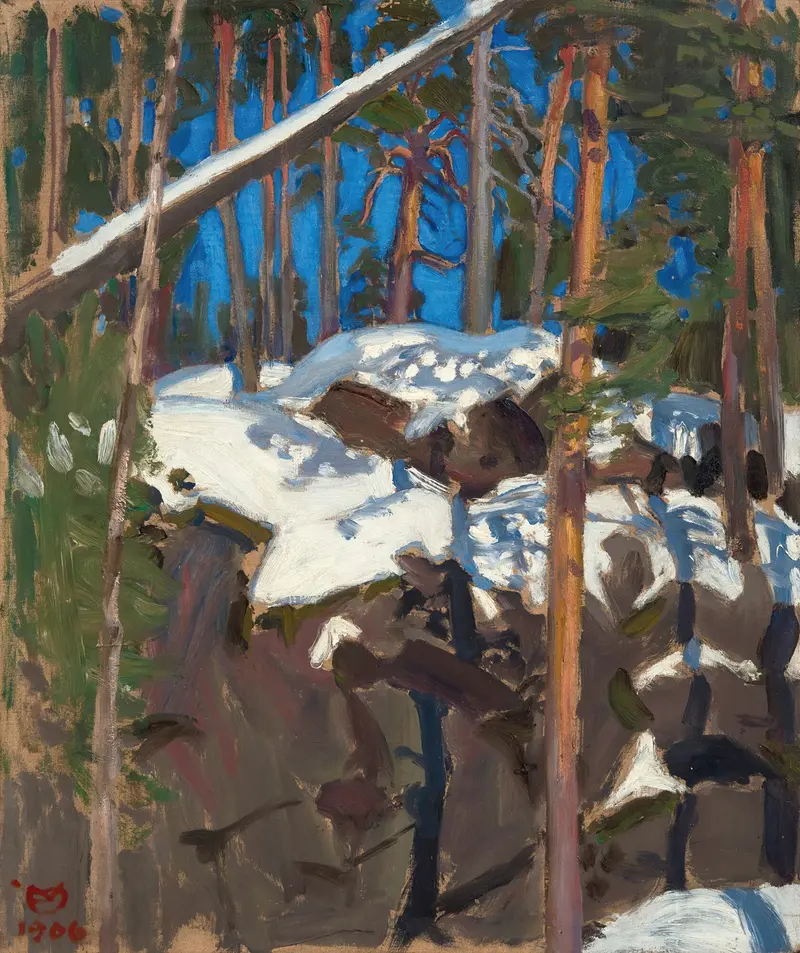
Spring Sun At Konginkangas
Akseli Gallen-Kallela
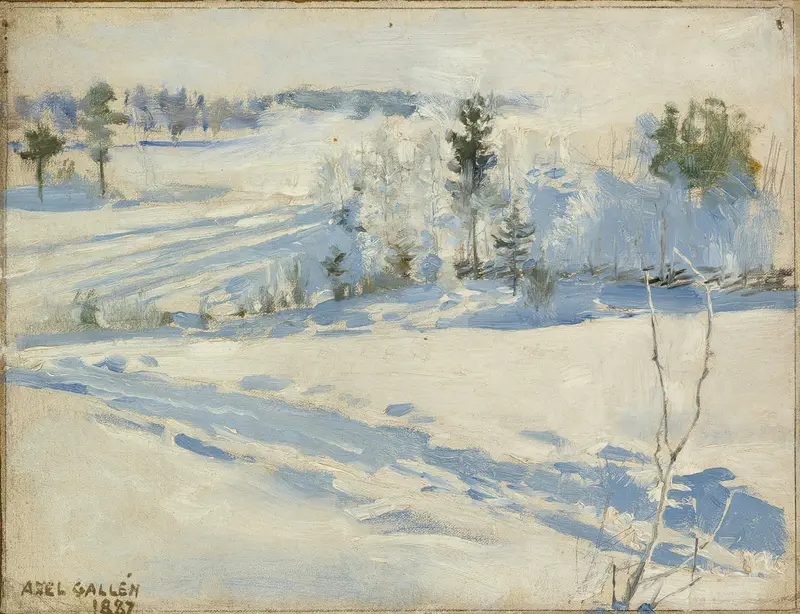
Winter Landscape
Akseli Gallen-Kallela

First Snow
Akseli Gallen-Kallela
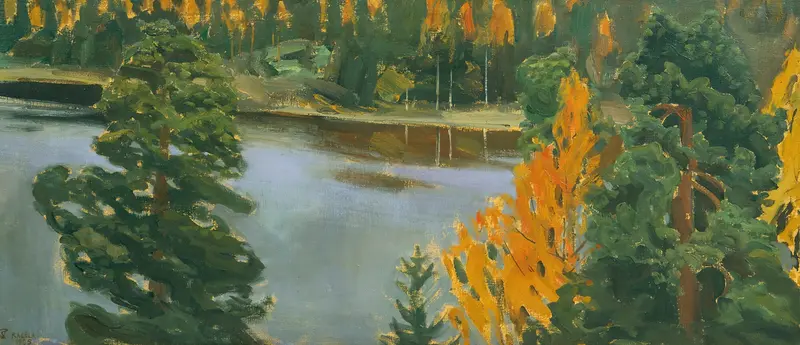
Lake View In Autumn
Akseli Gallen-Kallela
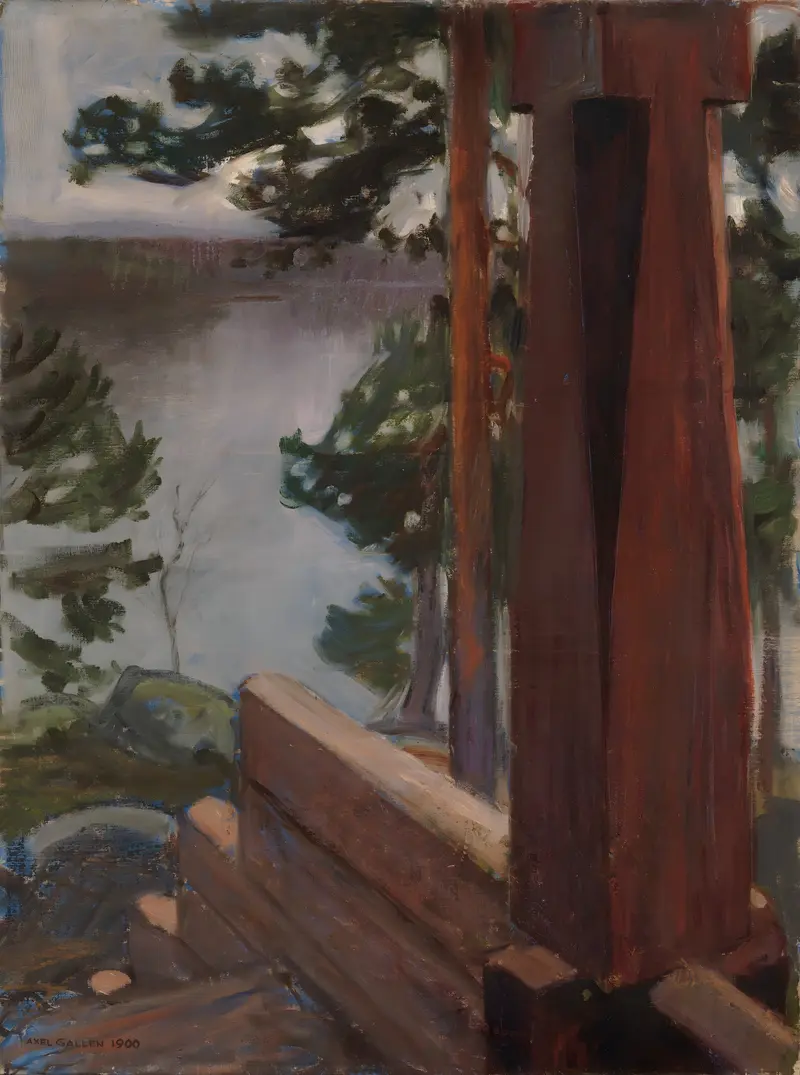
The Kalela Porch
Akseli Gallen-Kallela

Light Behind The Clouds
Akseli Gallen-Kallela
More Landscape Art

The Starry Night
Vincent van Gogh

View of Delft
Johannes Vermeer

Water Lilies
Claude Monet

The Grand Canal, Venice, looking north-west from the Ca' Corner to the Ca' Contarini degli Scrigni, with the campanile of Santa Maria della Carità
Canaletto

Windsor Castle
Canaletto

The Grand Canal looking North-East from the Palazzo Dolfin-Manin to the Rialto Bridge
Canaletto