
Tea Party — History & Facts
Is this a mirror — or a memory? The act of gathering can often conceal deeper tensions lurking beneath the surface, revealing both camaraderie and conflict in the quietest of moments. Focus on the lush tableau, where a group of elegantly dressed figures seemingly engages in lively conversation. Look closely at the delicate porcelain teacups, their fragile beauty juxtaposed with the tension in their poised fingers. Notice how the soft light cascades across the scene, creating an intimate atmosphere that invites viewers to step into the gathering yet hints at unspoken narratives.
The colors are warm, yet shadows linger, suggesting complexity beneath the genteel facade. In the background, a barely visible figure leans away, their body language betraying a reluctance to engage, perhaps a remnant of past grievances. The contrast between the vibrant floral patterns on the tablecloth and the muted expressions of the guests evokes an unsettling harmony; laughter may echo, but so might the whispers of discomfort. Each glance and smile carries the weight of history, reminding us that every shared moment is layered with invisible stories, sometimes touched by violence and conflict. Created in the 1870s, this piece emerged amidst a period of significant social transformation, as post-Civil War America grappled with its identity.
The artist, working in a time when art began to reflect both realism and emotional depth, sought to capture the essence of social interactions that were often laden with complexity. In this gathering, Tea Party invites viewers to reflect on their own memories, challenging them to consider what lies beneath the surface of every shared experience.
More Artworks by William P. Chappel
Browse all →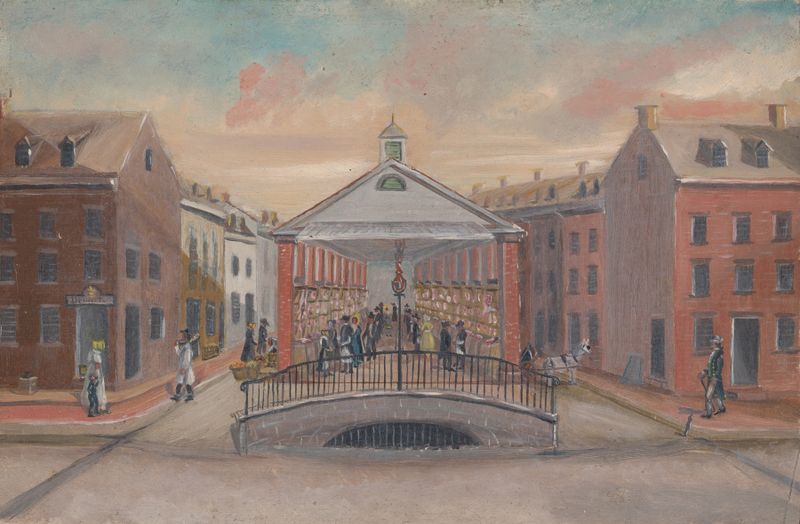
Fly Market
William P. Chappel
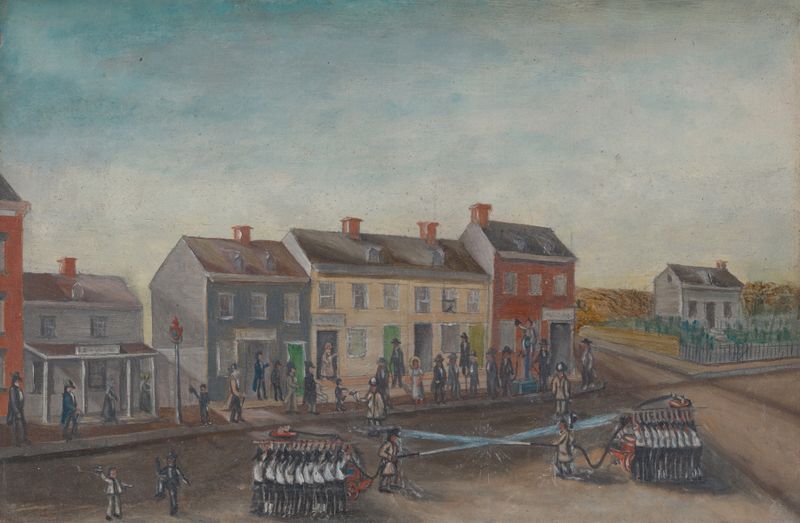
Firemen’s Washing Day
William P. Chappel
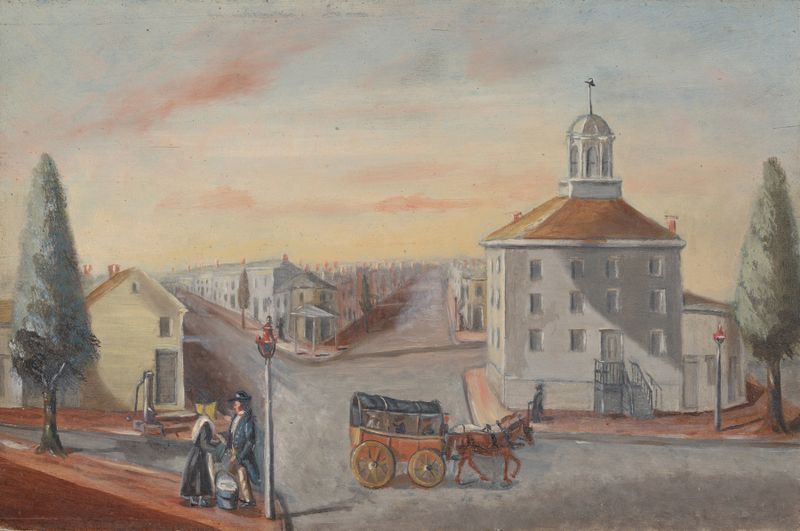
Hot Corn Seller
William P. Chappel
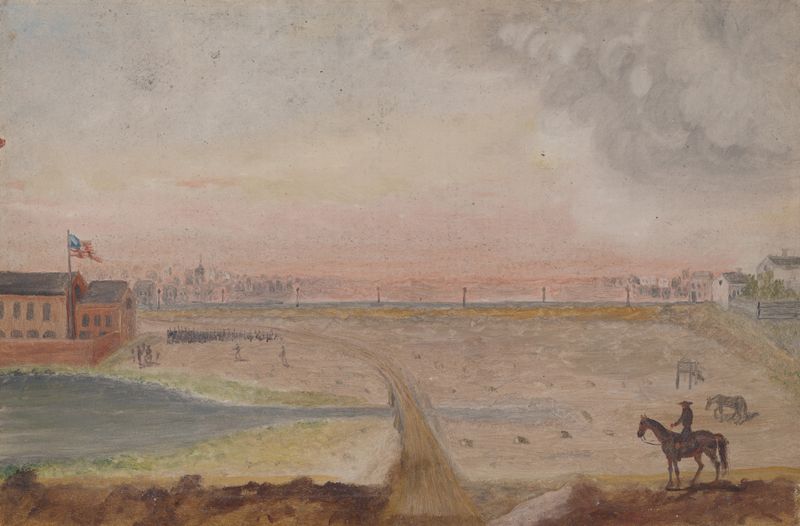
Militia Drilling
William P. Chappel
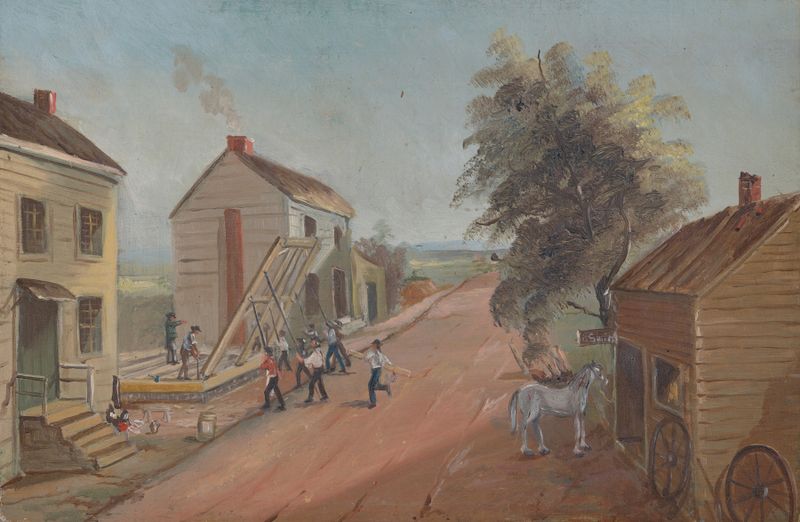
House Raising
William P. Chappel
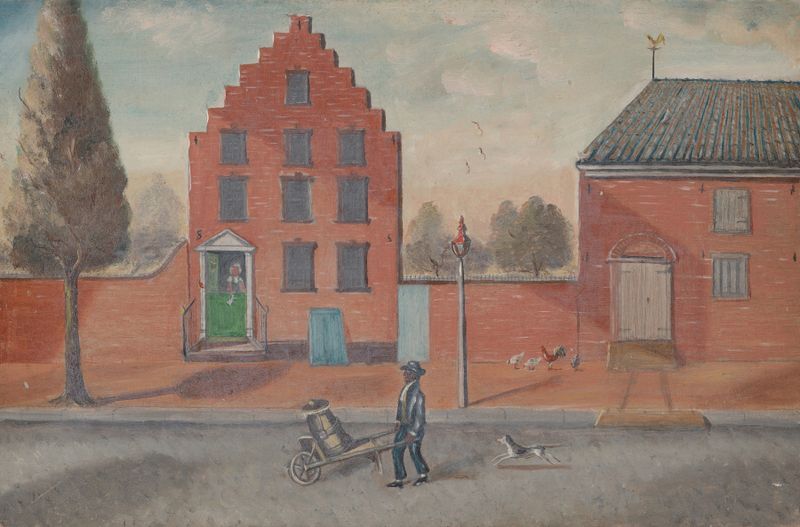
Buttermilk Pedlar
William P. Chappel
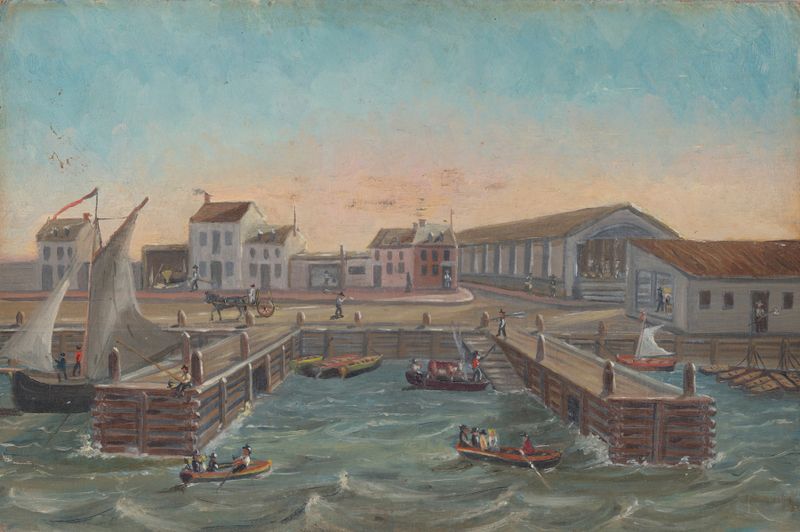
Old Ferry Stairs
William P. Chappel
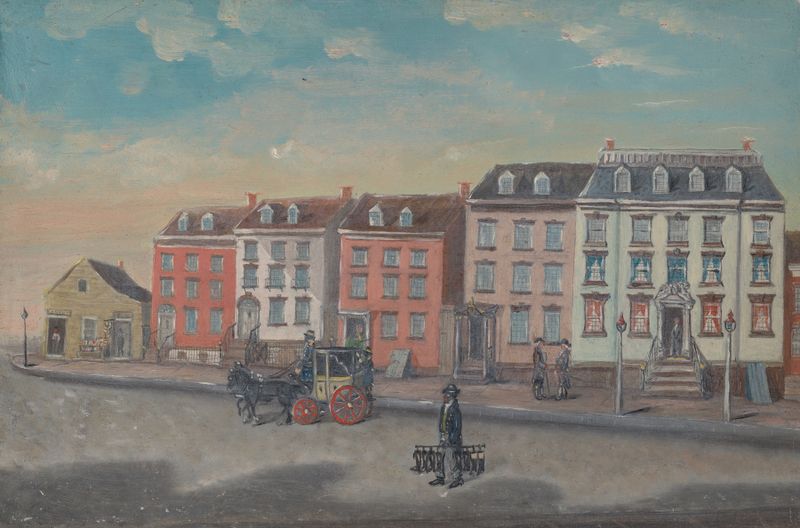
The Boot Black
William P. Chappel
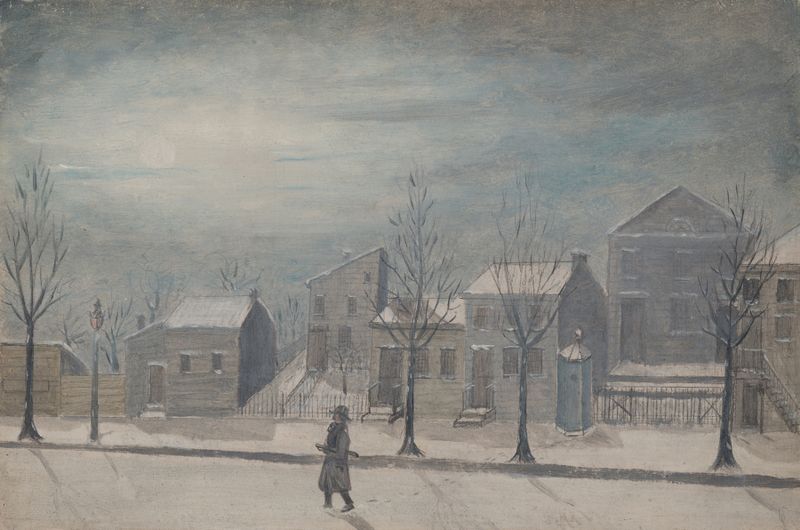
City Watchman
William P. Chappel
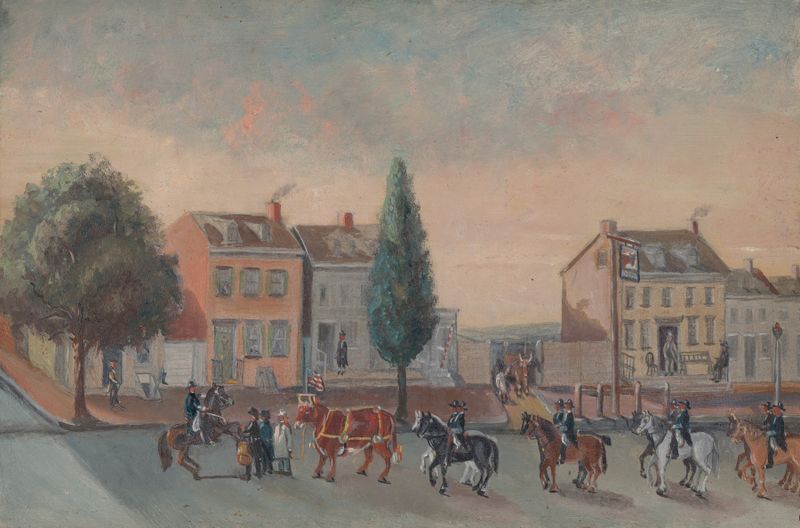
Bull’s Head Tavern
William P. Chappel





