
Discover insights about this artwork
The Anatomy Lesson of Dr Nicolaes Tulp — History & Facts
In The Anatomy Lesson of Dr Nicolaes Tulp, Rembrandt presents a group of men gathered around a cadaver. The figures are dressed in dark, formal clothing, contrasting with the pale skin of the deceased. The use of light is dramatic, highlighting the faces of the onlookers and the body on the table.
The overall color palette is muted, with browns, blacks, and whites dominating the scene. This painting is an oil on canvas, measuring 169 x 216 cm. The composition is carefully arranged, with Dr. Tulp at the center, demonstrating a dissection to his students.
Rembrandt's technique showcases his mastery of chiaroscuro, creating depth and focus. The attention to detail in the anatomy and expressions of the figures adds to the realism of the scene. The Anatomy Lesson of Dr Nicolaes Tulp was painted in 1632 and is one of Rembrandt's earliest masterpieces. It reflects the growing interest in science and anatomy during the Dutch Golden Age.
Interestingly, this work was commissioned by the Amsterdam Guild of Surgeons, highlighting the importance of medical education at the time. Rembrandt's innovative approach to group portraiture set a new standard in art.
More Artworks by Rembrandt van Rijn
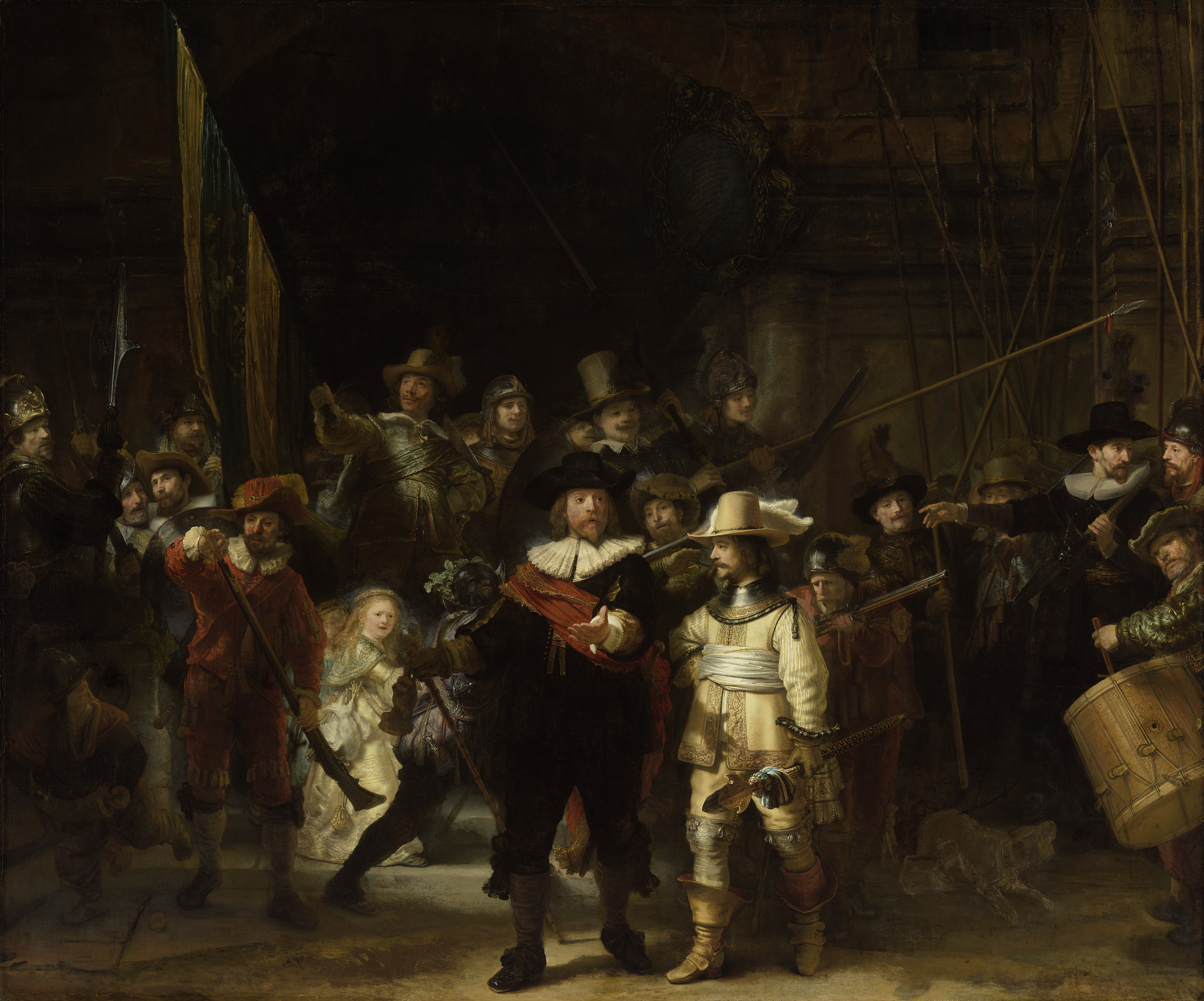
The Night Watch Militia Company of District II under the Command of Captain Frans Banninck Cocq
Rembrandt van Rijn
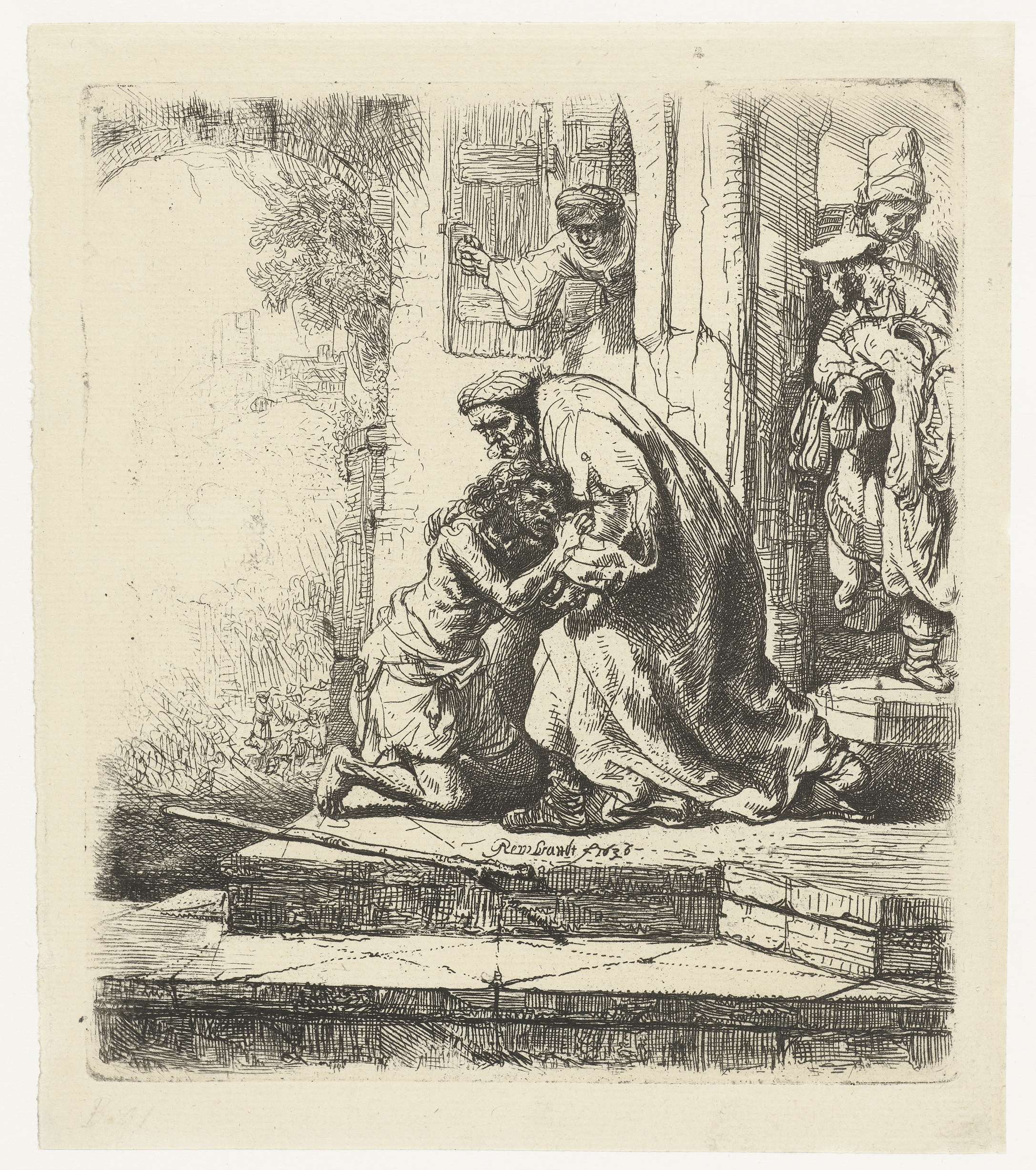
The Return of the Prodigal Son
Rembrandt van Rijn
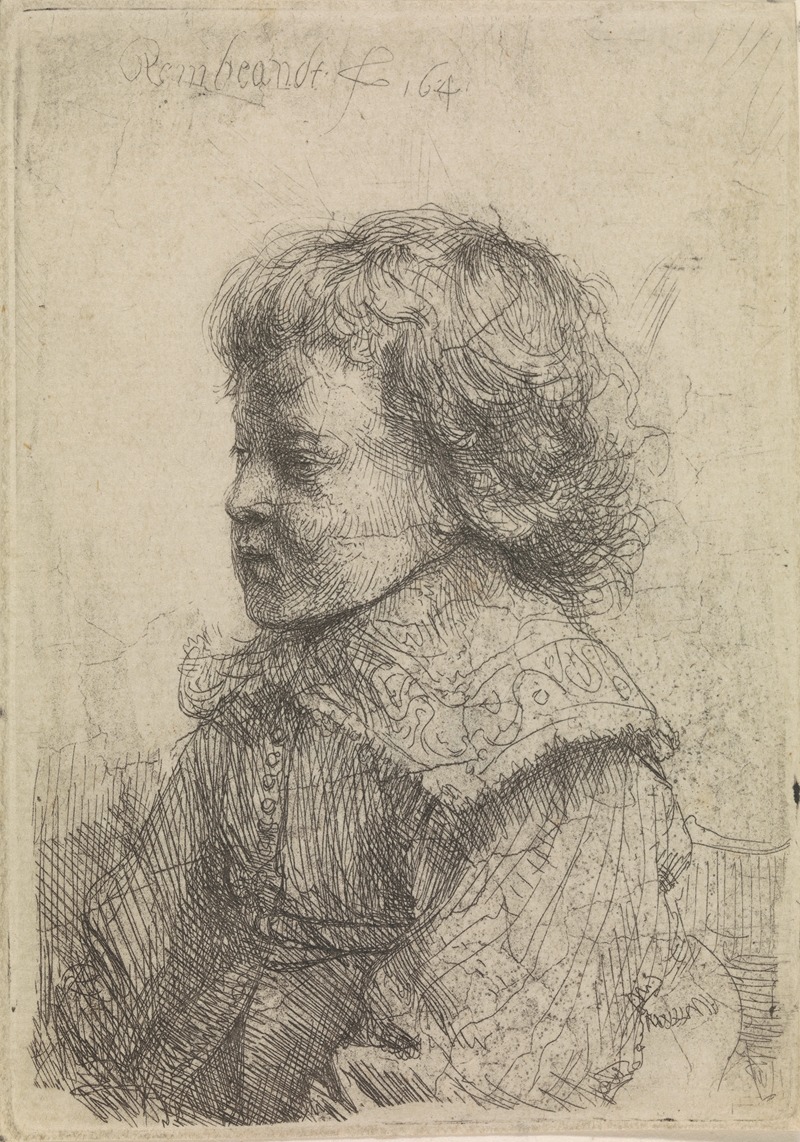
Portrait of a boy in profile
Rembrandt van Rijn
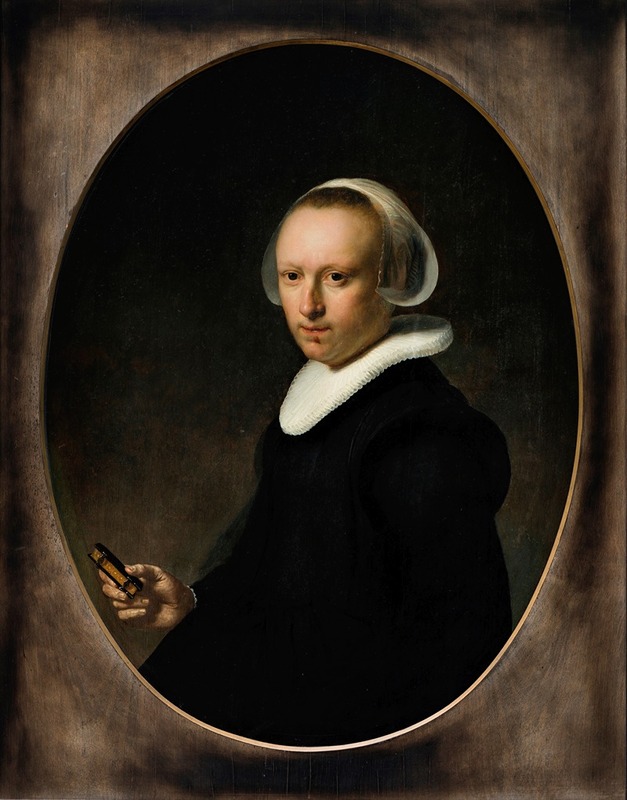
Portrait of a 39-year-old Woman
Rembrandt van Rijn
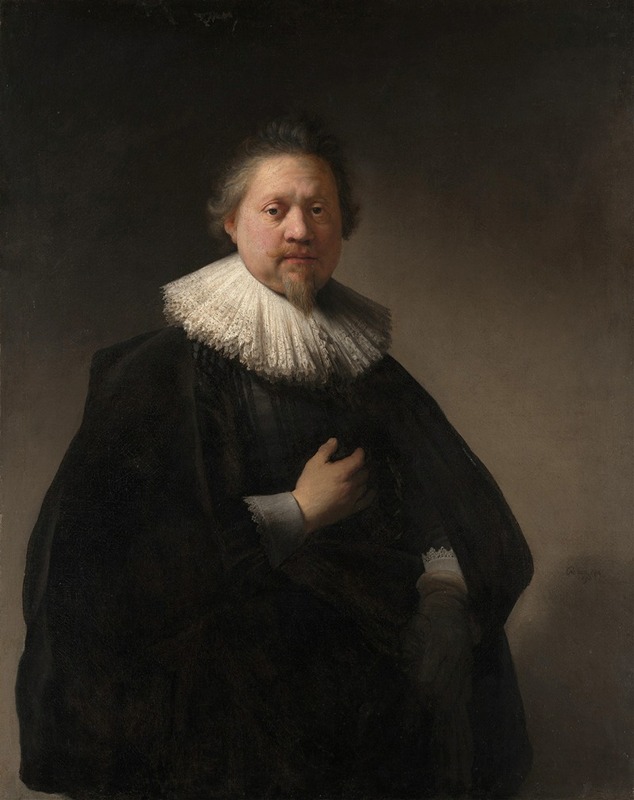
Portrait of a Man
Rembrandt van Rijn
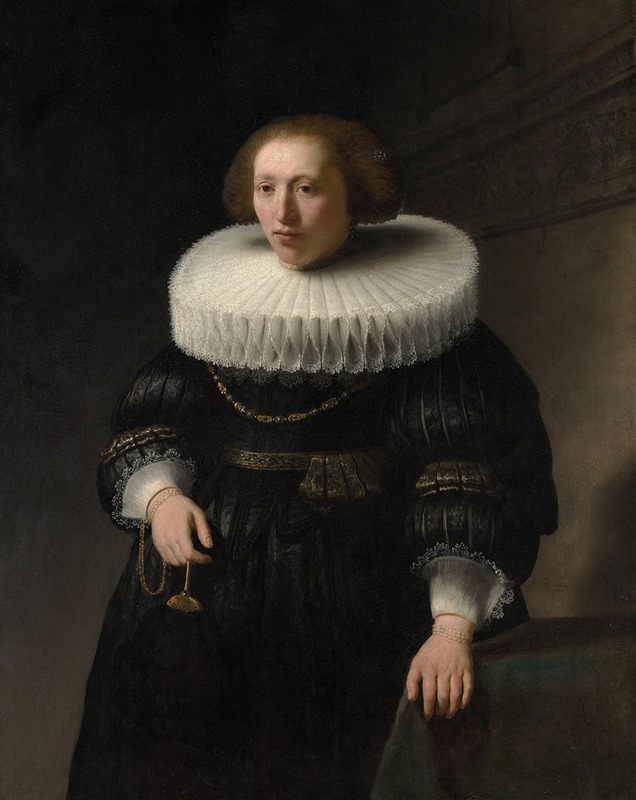
Portrait of a Woman
Rembrandt van Rijn
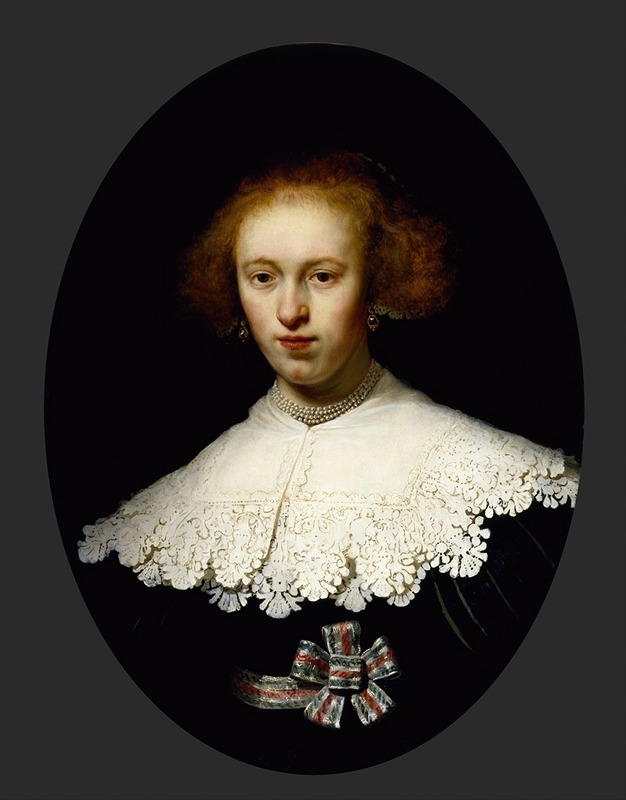
Portrait of a Young Woman
Rembrandt van Rijn
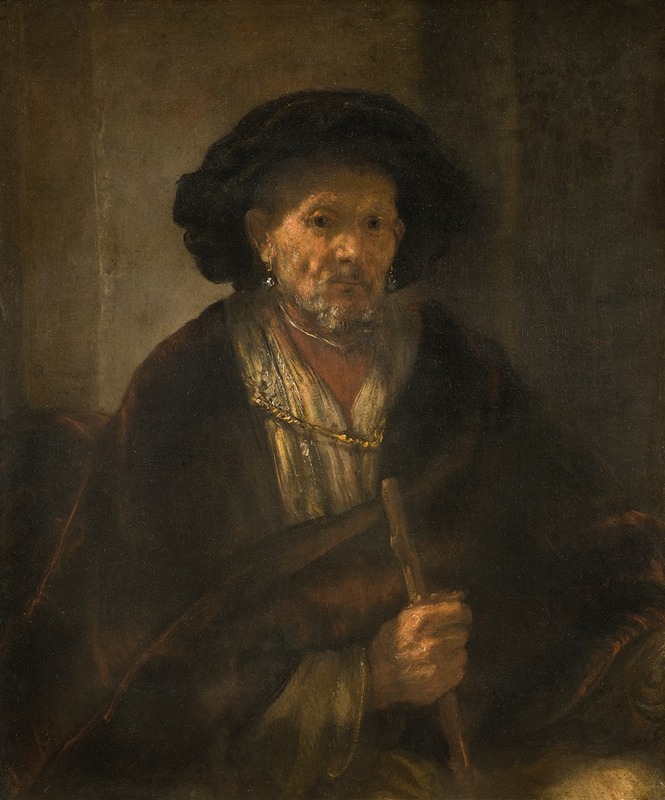
Portrait of an Old Man
Rembrandt van Rijn
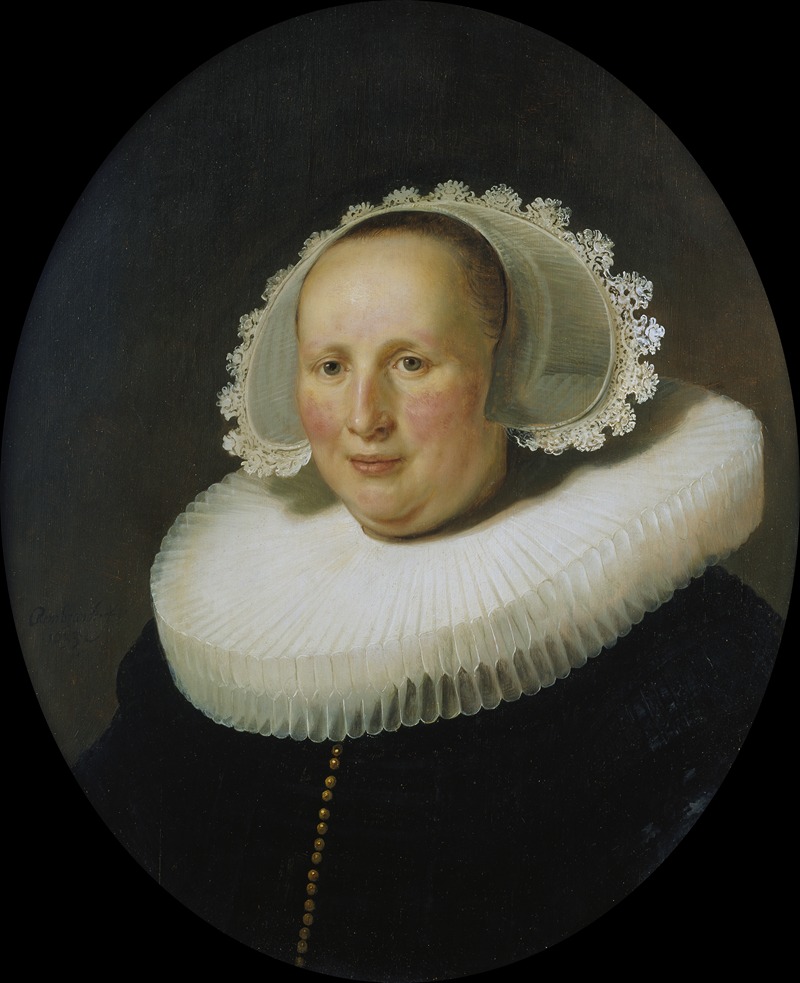
Portrait of Maertgen van Bilderbeecq
Rembrandt van Rijn
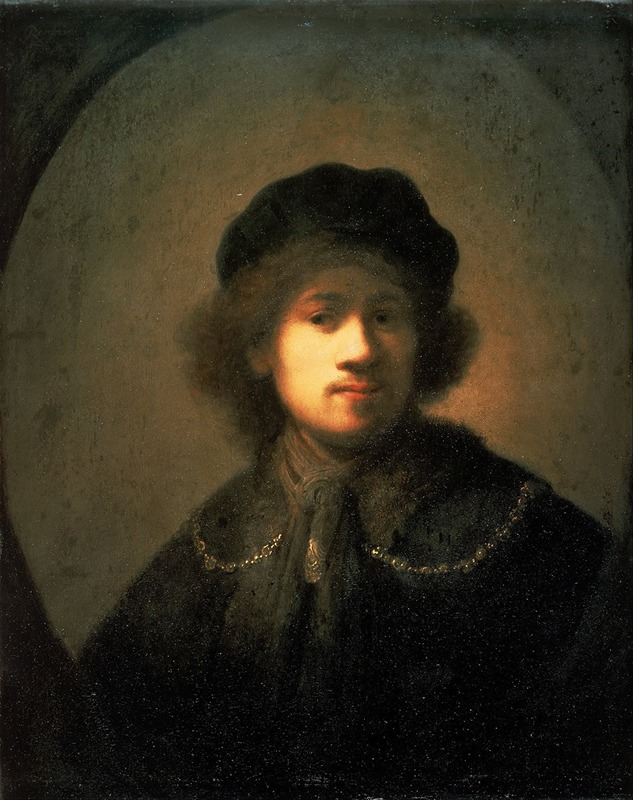
Portrait of the Artist as a Young Man
Rembrandt van Rijn
More Historical Art
The Night Watch Militia Company of District II under the Command of Captain Frans Banninck Cocq
Rembrandt van Rijn
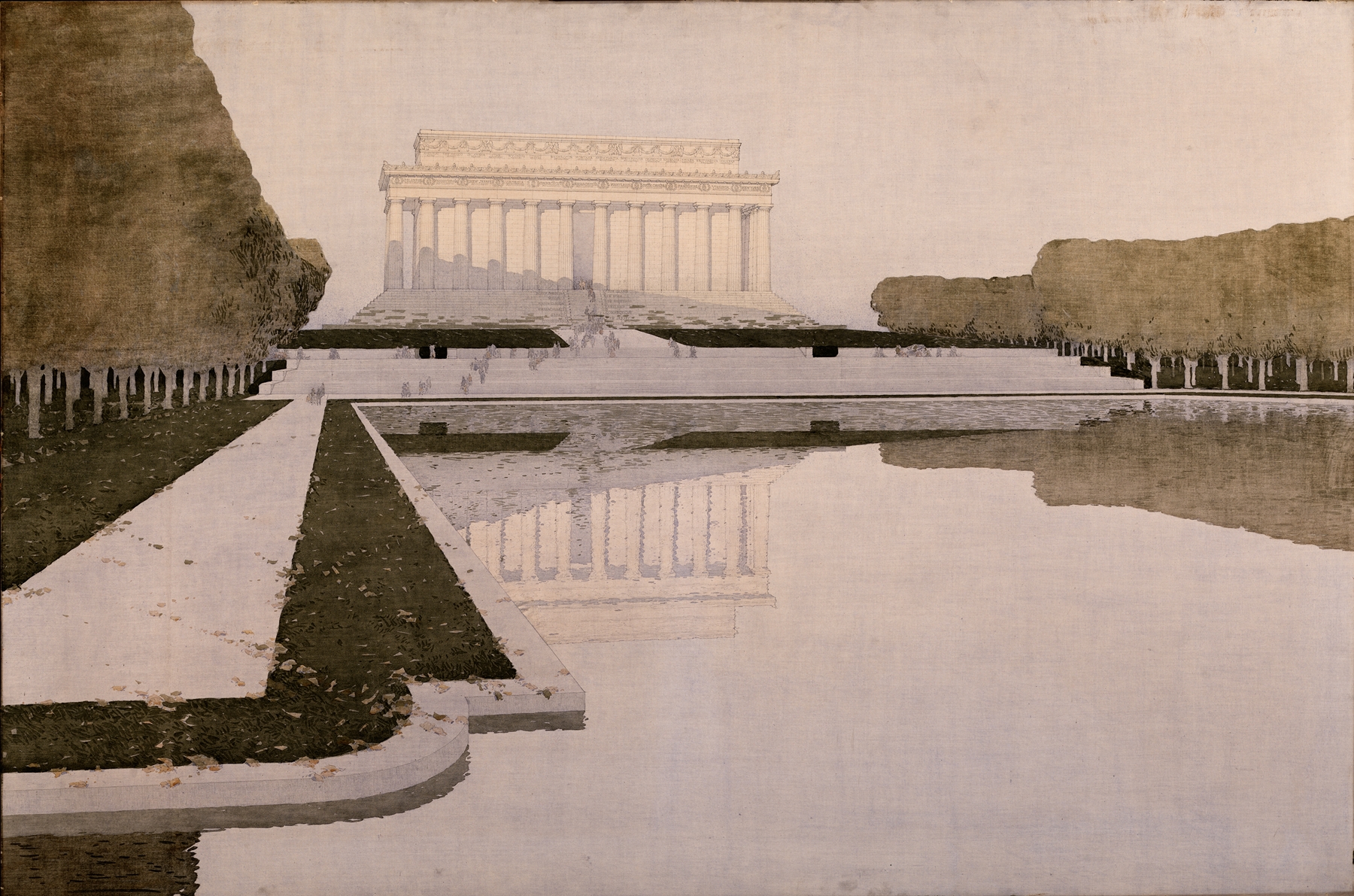
Lincoln Memorial
Henry Bacon
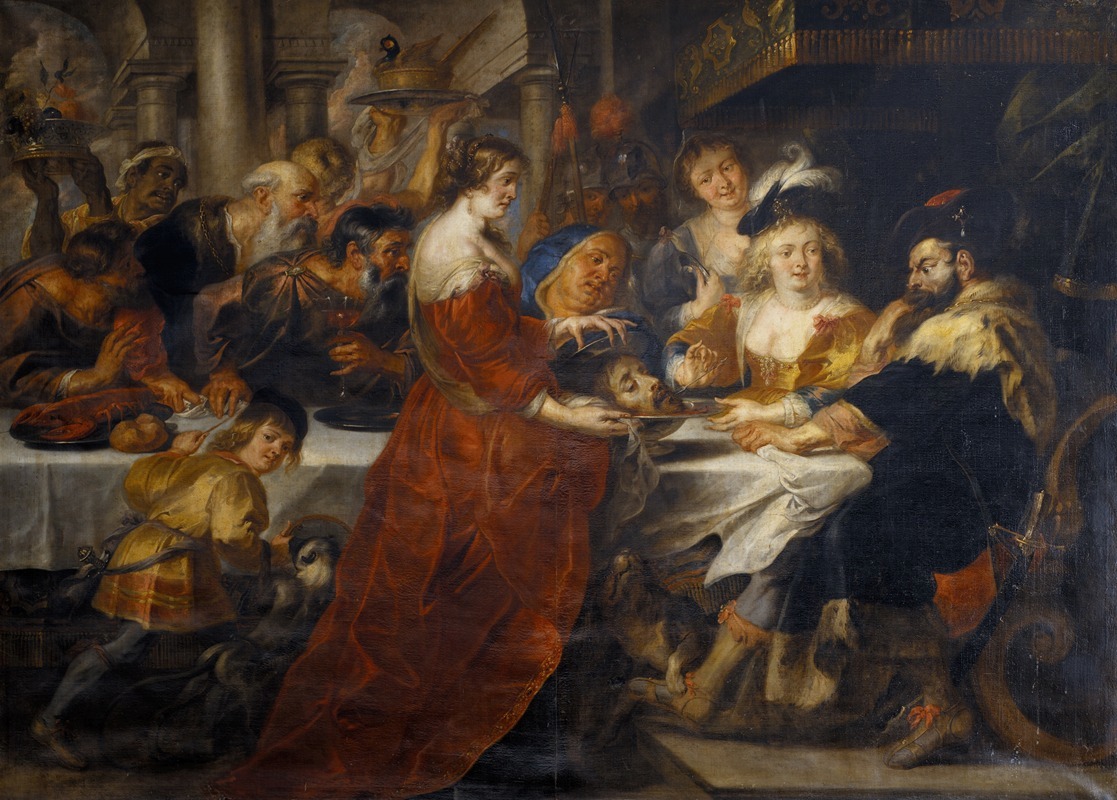
The Feast of Herod. Salome Bringing the Head of St John the Baptist on a Charger
Peter Paul Rubens
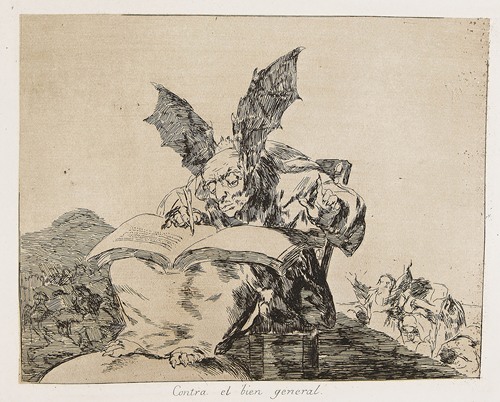
Los desastres de la guerra
Francisco de Goya
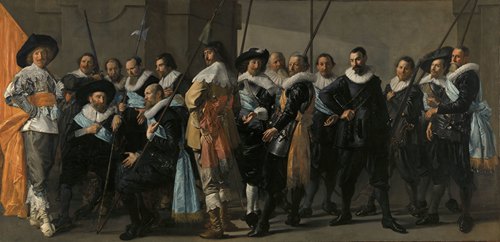
Militia Company of District XI under the Command of Captain Reynier Reael, Known as ‘The Meagre Company’
Frans Hals
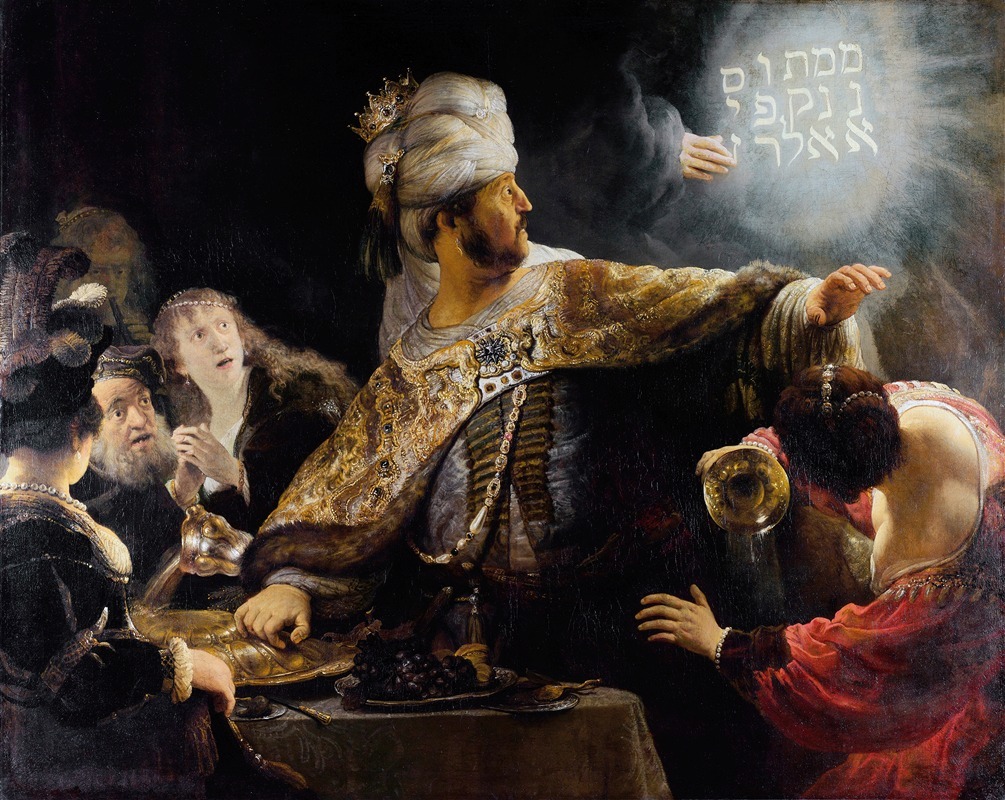
Belshazzar’s feast
Rembrandt van Rijn