
The Angora Cat — History & Facts
When The Angora Cat was first exhibited in 1783, Parisian critics were captivated by its subject: not a grand myth or noble portrait, but a pampered feline, rendered with the same verve and attention usually reserved for aristocrats. This was a time when exotic pets, especially the luxurious Angora breed, had become fashionable among the French elite, symbols of both wealth and a new tenderness in domestic life. The painting’s focus on an animal, rather than a human, marked a playful departure for Fragonard, who was better known for his flirtatious scenes and mythological fantasies.
Its appearance in a salon of the period was noted as an amusing novelty, and it sparked conversation about the boundaries of “serious” art. At the heart of the composition, the Angora cat sprawls atop a velvet cushion, its silken fur catching the light in waves of cream and silver. The animal’s languid pose, half-turning towards the viewer with a knowing gaze, suggests a moment of indulgence and contentment. Nearby, a delicate ribbon trails from its neck, hinting at its status as a cherished pet rather than a stray.
The play of textures—fur, velvet, ribbon—invites the eye to linger, while the warm, golden palette recalls the intimacy of Fragonard’s earlier works like The Swing. Unlike the moralizing animal portraits of Chardin, here the cat is not a symbol of vice or virtue, but a celebration of pleasure and beauty for their own sake. The precise origins of The Angora Cat remain somewhat mysterious, as records of its commission have not survived. It is likely that Fragonard painted it for a private collector, perhaps one of the many animal-loving patrons of late eighteenth-century Paris.
Over the centuries, the painting has passed quietly through private hands, seldom appearing in public auctions and rarely exhibited. Its attribution to Fragonard was once questioned, but recent technical studies and stylistic comparisons have confirmed his authorship. Today, The Angora Cat is recognized as a charming outlier in his oeuvre, offering a glimpse into the changing tastes and domestic affections of pre-Revolutionary France.
More Artworks by Jean-Honoré Fragonard

The Swing
Jean-Honoré Fragonard

The Swing
Jean-Honoré Fragonard

A Young Girl Reading
Jean-Honoré Fragonard

The Lock
Jean-Honoré Fragonard

The Triumph of Venus
Jean-Honoré Fragonard

A Game of Hot Cockles
Jean-Honoré Fragonard
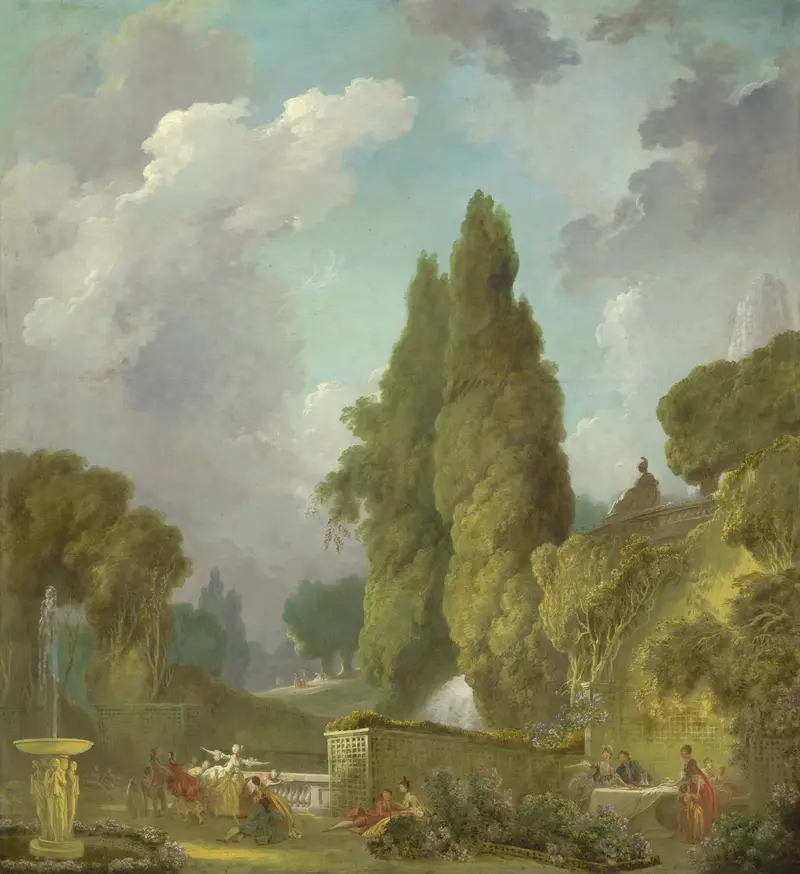
Blindman’s Buff
Jean-Honoré Fragonard
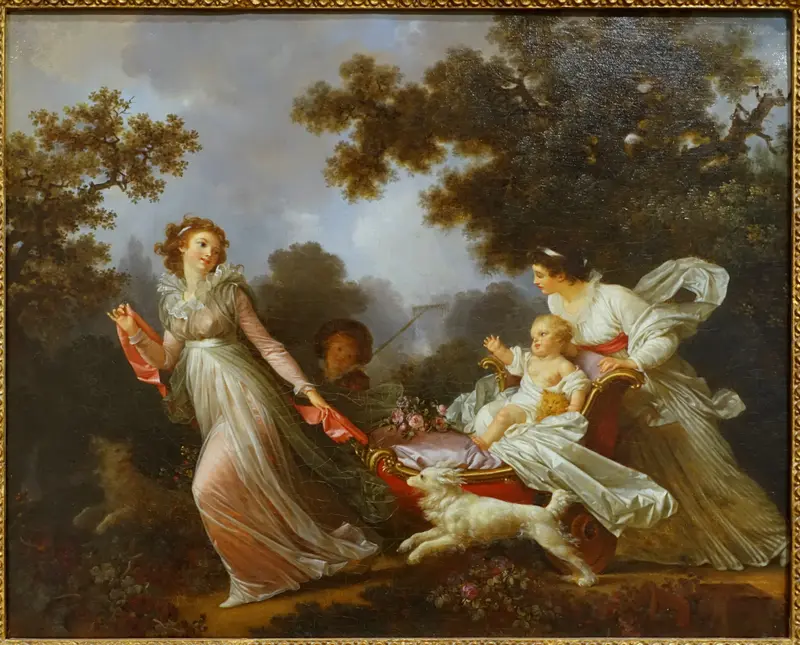
The Beloved Child
Jean-Honoré Fragonard
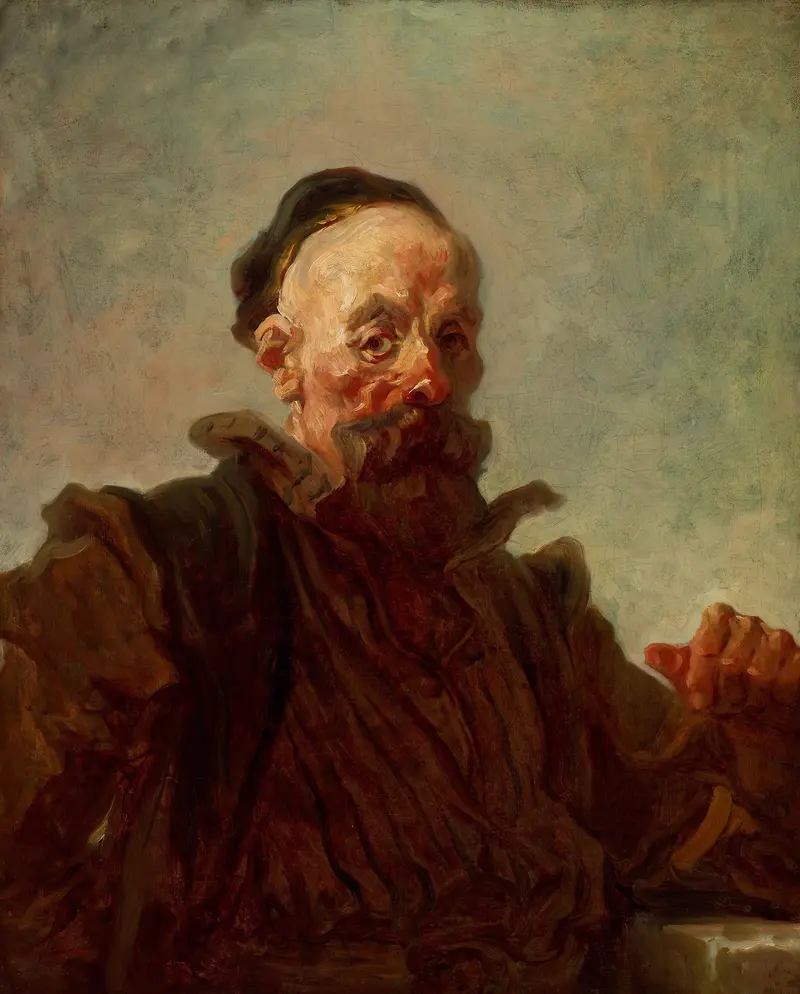
Portrait of a Man in Costume
Jean-Honoré Fragonard
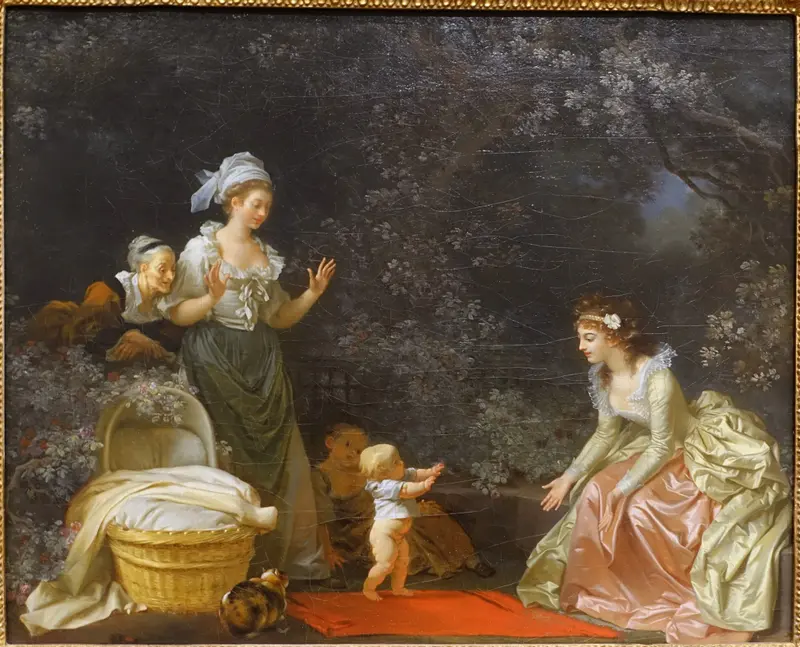
The First Steps
Jean-Honoré Fragonard





