
The Assumption of the Virgin — History & Facts
A hush of astonishment runs through the figures gathered at the stone tomb, their faces turned upward in wonder as clouds part to reveal the Virgin Mary, lifted above them and surrounded by cherubs. The artist, Alessandro Turchi, chooses a moment of revelation: the empty shroud below, the apostles’ gestures of awe and searching, and the Virgin herself, hands folded in serene acceptance, all draw the viewer into the drama of her Assumption. The light, golden and concentrated around Mary’s form, separates the earthly from the heavenly, while the deep colors of the apostles’ robes anchor the scene in the world below.
The cloud that supports Mary is both a visual bridge and a boundary, its softness contrasting with the hard edges of the tomb and the angular bodies of those left behind. Painted between circa 1631 and 1635, this Assumption of the Virgin belongs to a period when such images were commissioned to inspire devotion and to affirm Catholic doctrine in the wake of the Counter-Reformation. Works like this one were often intended for altars or chapels, their grandeur and clarity designed to move both the learned and the humble. While history has kept few traces of this particular painting’s early life, its composition and subject speak to a time when artists like Turchi were called upon to visualize the mysteries of faith in ways both immediate and grand.
The upward sweep of the scene invites you to look again, tracing the journey from the earthbound to the divine.
More Artworks by Alessandro Turchi

The Flood
Alessandro Turchi
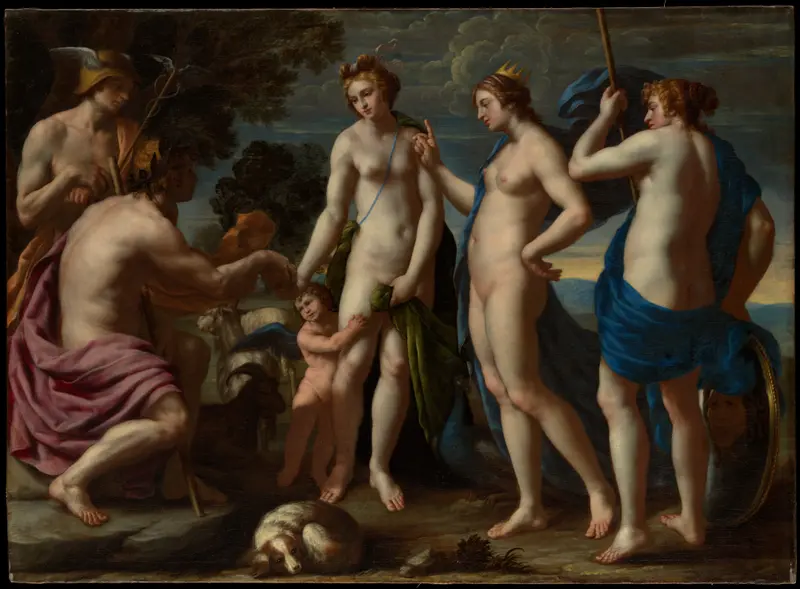
Judgment of Paris
Alessandro Turchi
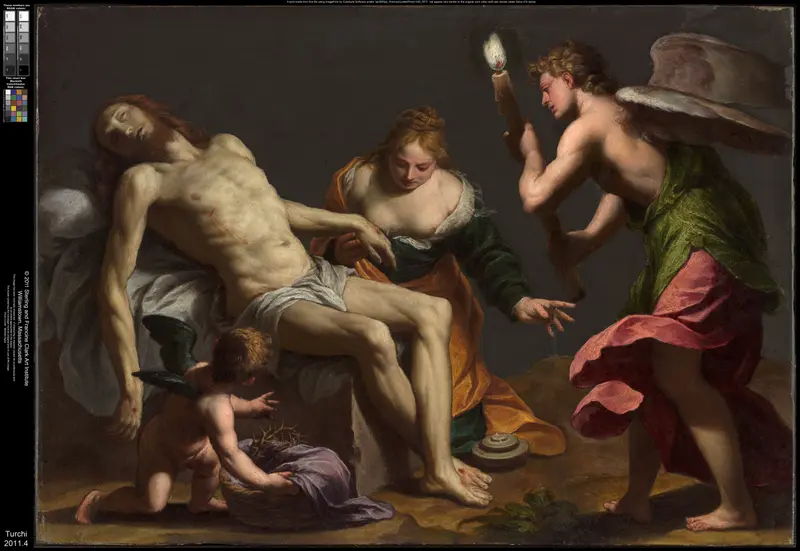
Lamentation over the Body of Christ
Alessandro Turchi
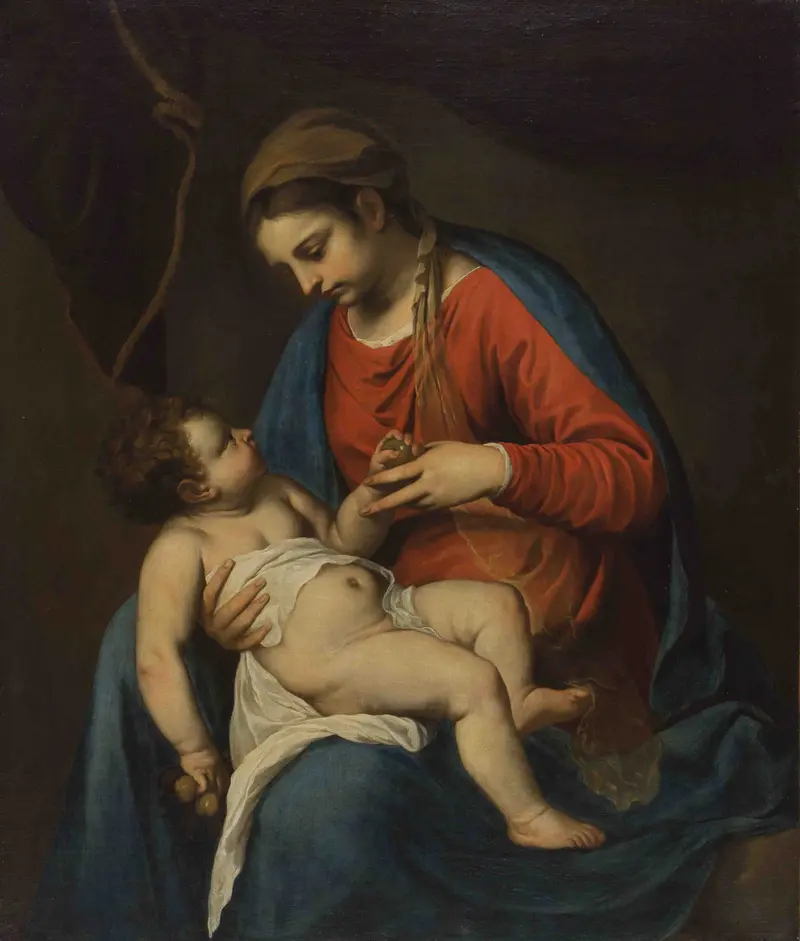
Maria with Child
Alessandro Turchi

Saint Peter visits Saint Agatha in her Prison
Alessandro Turchi
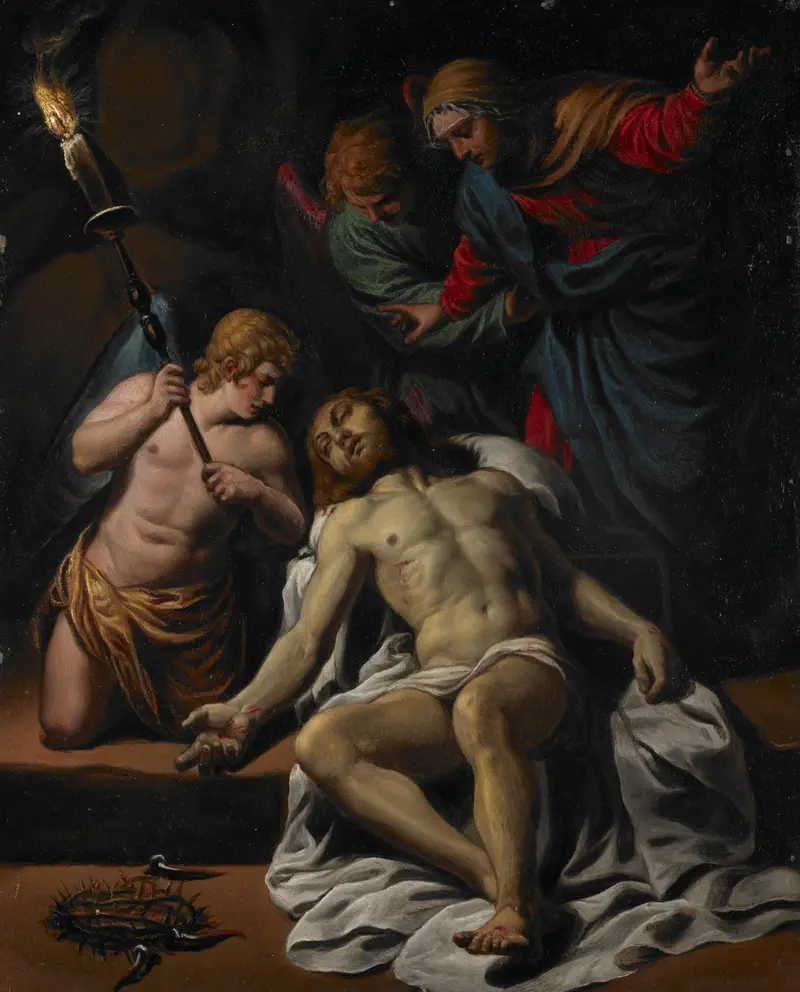
The Lamentation
Alessandro Turchi
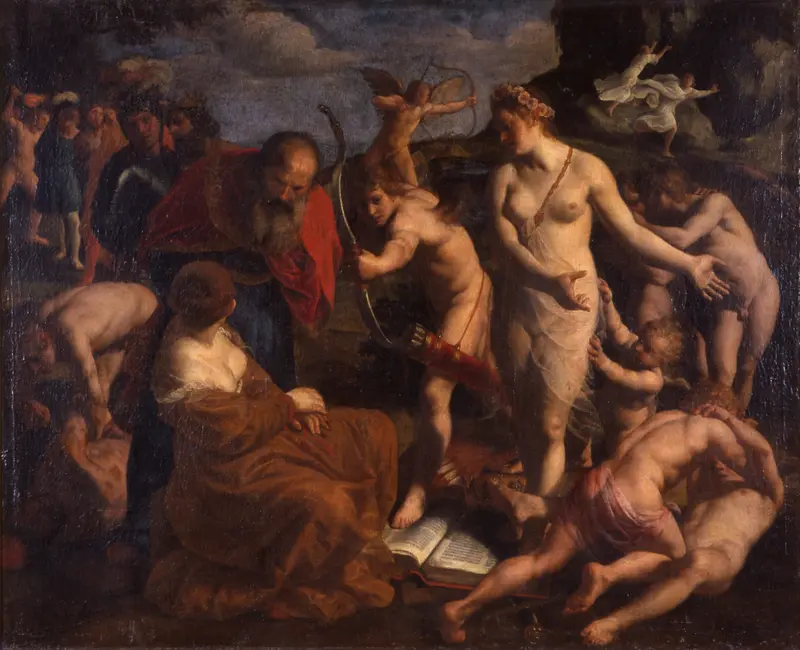
Allegory on the Power of Love ('Omnia Vincit Amor')
Alessandro Turchi

Allegory of Music
Alessandro Turchi
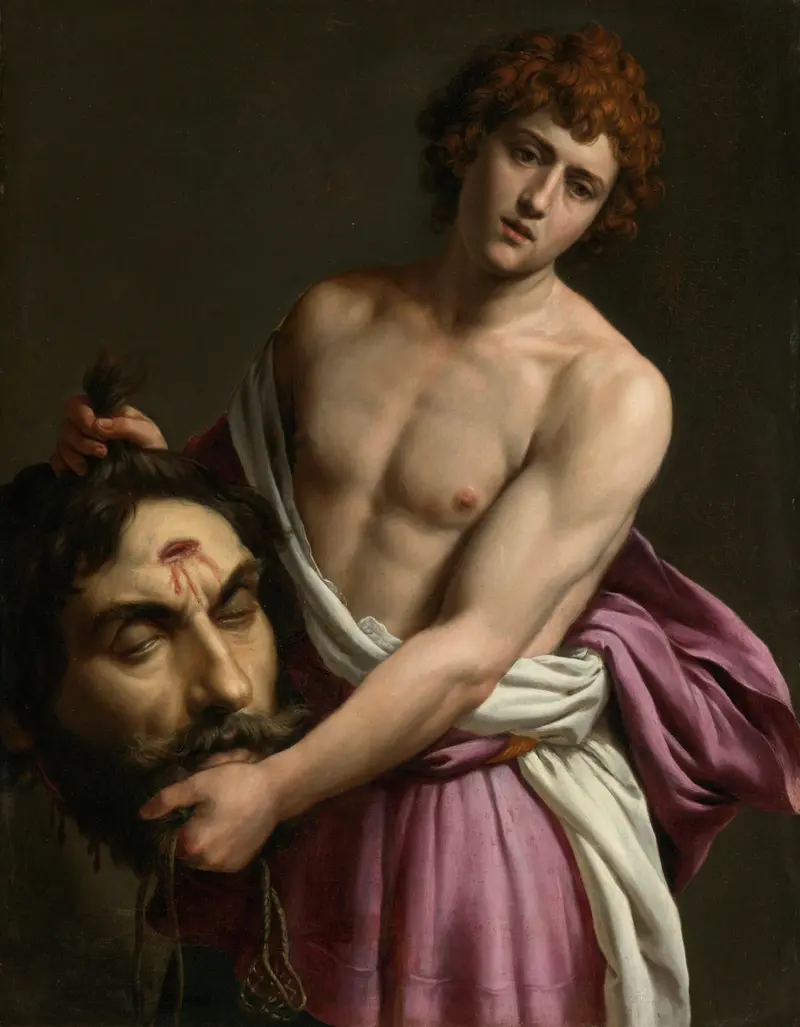
David with the Head of Goliath
Alessandro Turchi
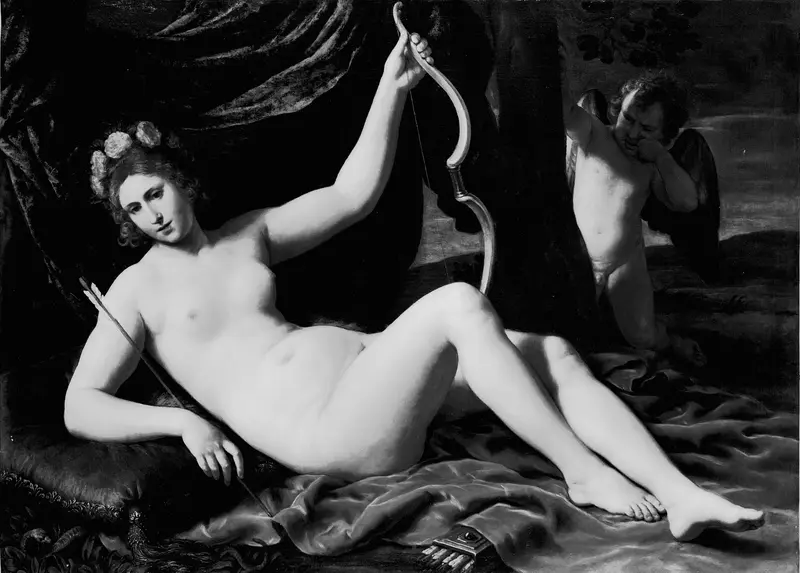
Venus and Cupid
Alessandro Turchi





