
The Bagpiper — History & Facts
What first catches the eye in The Bagpiper is the direct, almost conspiratorial gaze of the musician, as if he’s caught mid-tune and inviting us to listen. The painter, Abraham Bloemaert, chooses a moment where the bagpiper’s cheeks are puffed with breath, his hands confidently working the instrument’s pipes. The light falls strongly across his face and hands, picking out the textures of skin, feather, and rough cloth, while the background falls away into shadow, leaving nothing to distract from the solitary figure.
The feathered hat, the flower tucked into the brim, and the careful rendering of the bagpipes themselves all speak of a pride in his craft, and perhaps a touch of theatricality. Every detail is a clue: the weathered hands, the slightly worn clothing, the badge on his sleeve—each one telling us something about his status and his world. Painted around 1625-1630, this work belongs to a Dutch and Flemish tradition that delighted in scenes of everyday life, especially musicians and street performers. In the early seventeenth century, such images were collected by prosperous townspeople who saw in them both a celebration of common pleasures and a moral lesson—music as both joy and folly.
Abraham Bloemaert was known for his versatility, moving between religious, mythological, and genre scenes, and here he brings a vivid realism to a humble subject. The painting’s presence in the Web Gallery of Art reminds us how many such images survive without a trace of their first owners or original settings. Still, the bagpiper’s steady gaze draws us back, asking us to wonder what tune he plays, and for whom.
More Artworks by Abraham Bloemaert

Adam and Eve
Abraham Bloemaert
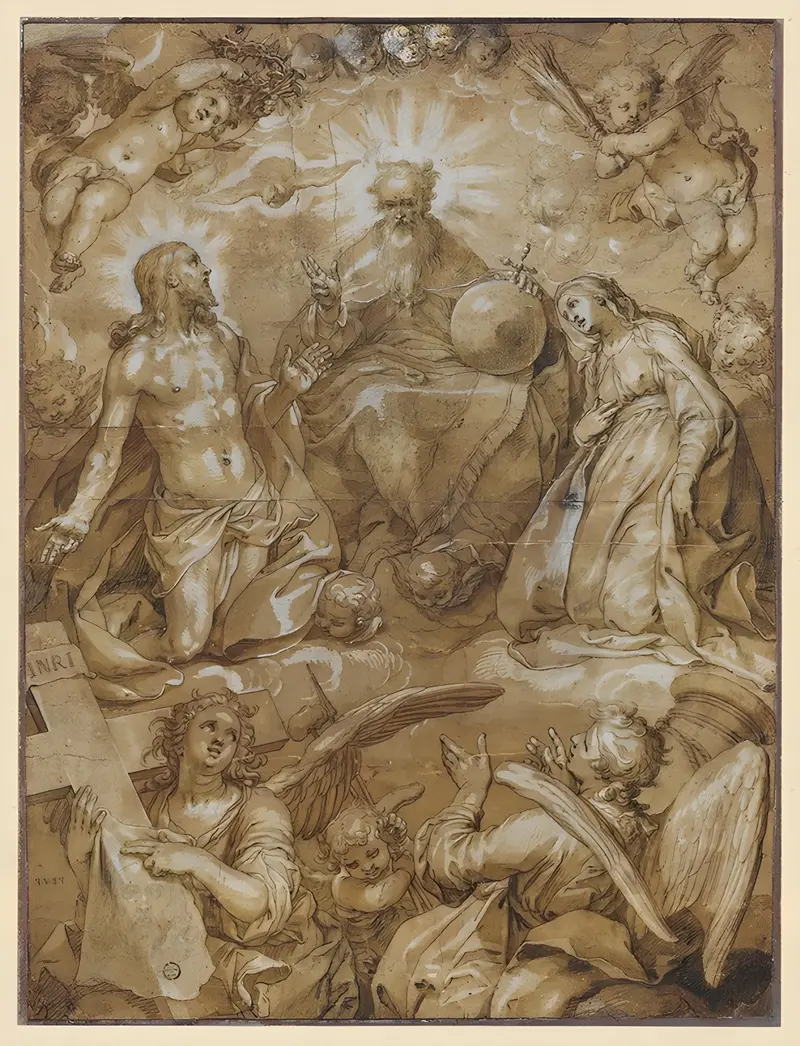
Intercession of Christ and Mary before God the Father
Abraham Bloemaert
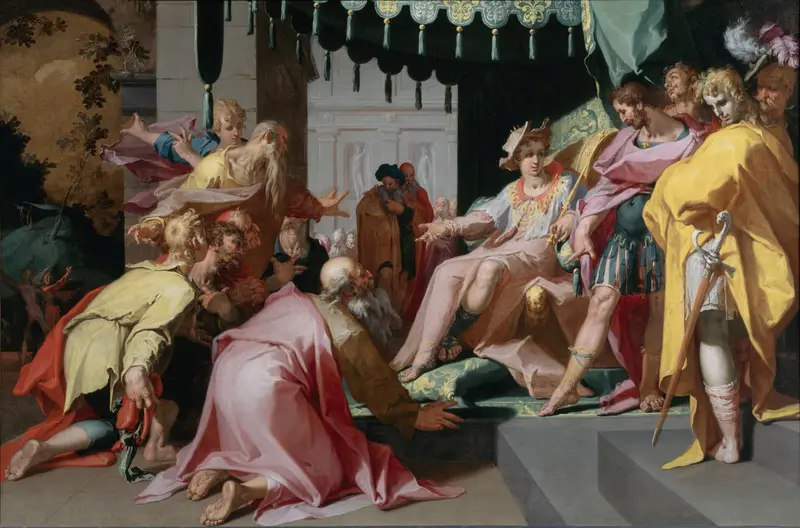
Joseph and his Brothers
Abraham Bloemaert
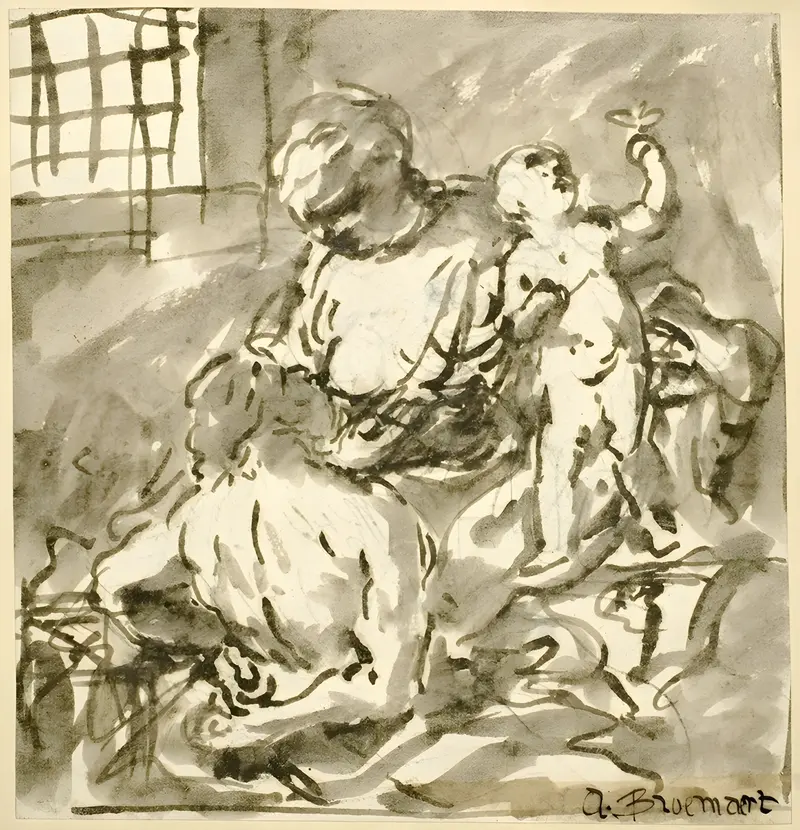
Caritas Romana
Abraham Bloemaert
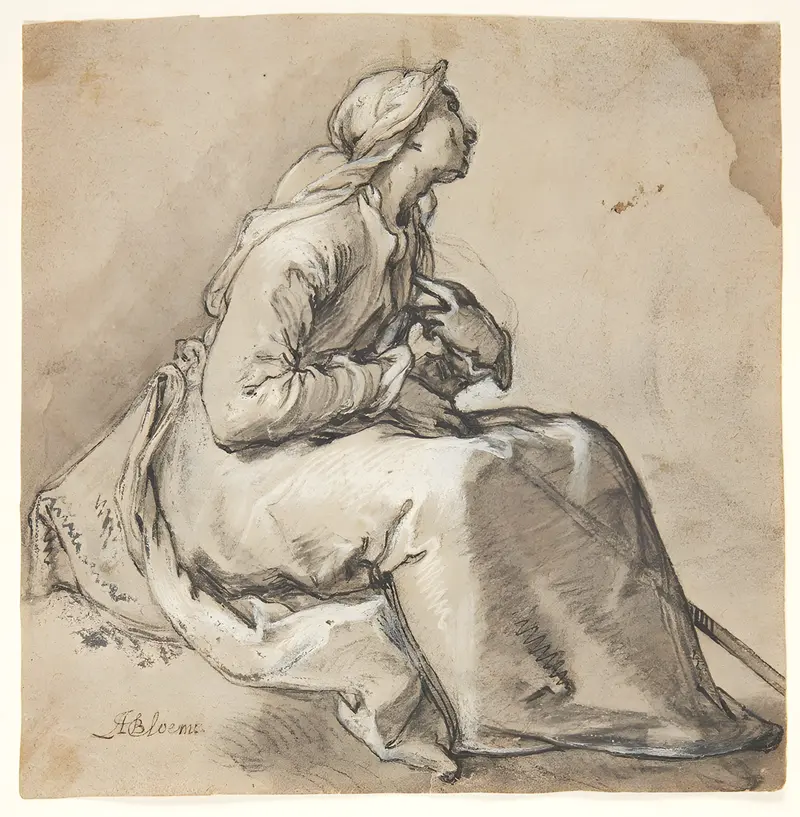
A seated woman facing right
Abraham Bloemaert
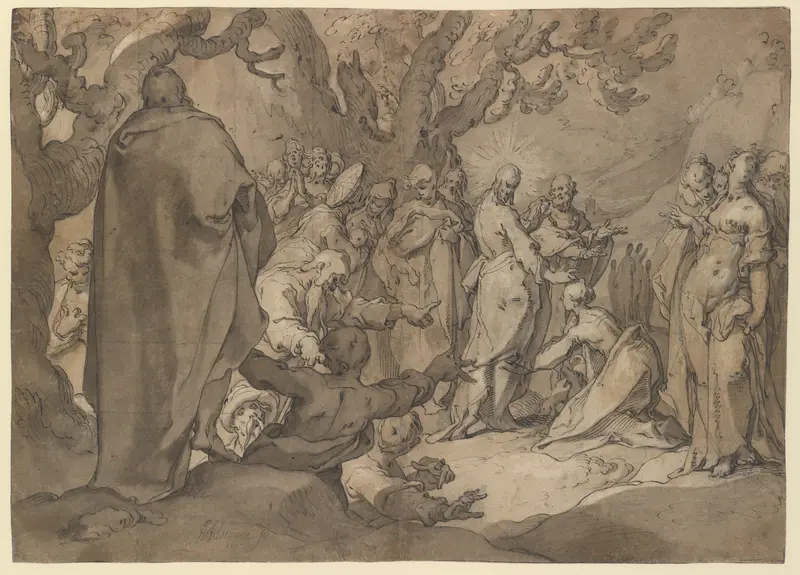
Christ and the Canaanite Women
Abraham Bloemaert
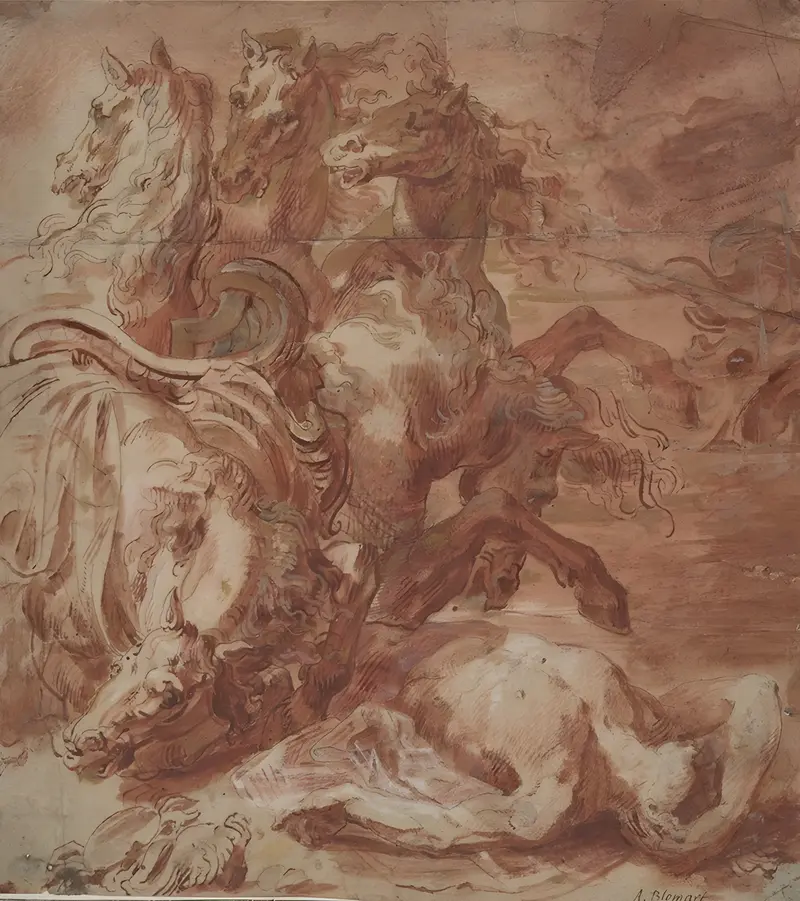
Hippolytus
Abraham Bloemaert
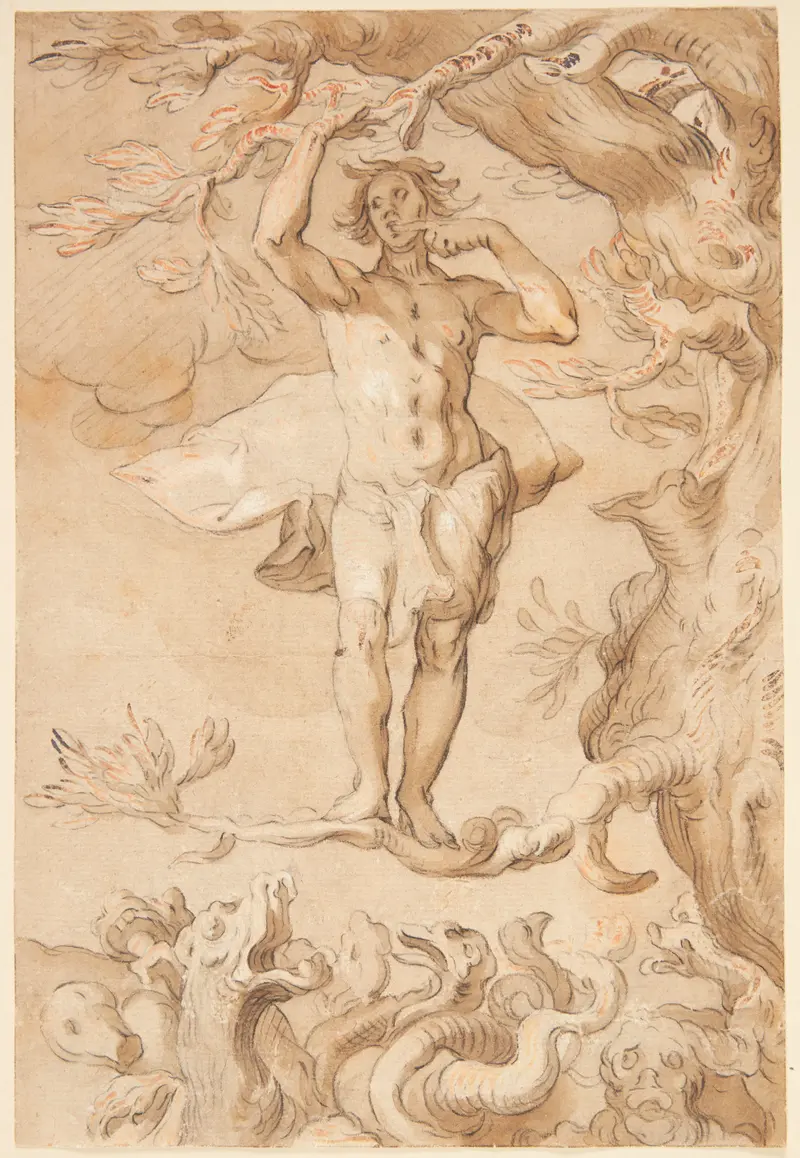
Den menneskelige glædes skrøbelighed En mand, der jages af en drage, klynger sig til en gren, mens han slikker honning af sin finger
Abraham Bloemaert

Moses Striking the Rock
Abraham Bloemaert
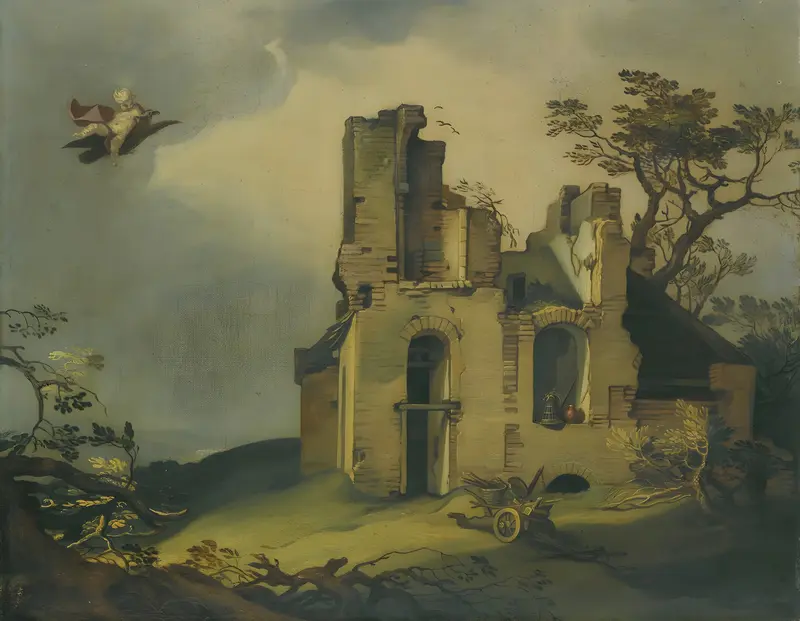
A Landscape With Ruins, With The Rape Of Ganymede
Abraham Bloemaert
More Genre Scene Art

Banquet of the Officers of the St George Civic Guard
Frans Hals

Rembrandt and Saskia in the Scene of the Prodigal Son
Rembrandt van Rijn

Bal du moulin de la Galette
Pierre-Auguste Renoir

Quadrille at the Moulin Rouge
Henri de Toulouse-Lautrec

A Burial at Ornans
Gustave Courbet

When Will You Marry?
Paul Gauguin