
The Battle between Christians and Moors at El Sotillo — History & Facts
In 1637, the city of Seville witnessed a surge of civic pride when its council commissioned Francisco de Zurbarán to immortalize a legendary victory: the Christian defeat of Moorish forces at El Sotillo, a small hamlet near the city, said to have occurred in 1247 during the long siege of Seville. This event, celebrated for its turning point in the Reconquista, was chosen by the city fathers as a symbol of divine favor and local heroism. Zurbarán, already renowned for his religious scenes, was tasked with capturing not only the clash of arms but the spiritual triumph that Seville claimed as its own.
The painting formed part of a grand cycle intended for the Hall of the City Council, underscoring the political importance of its subject. Zurbarán selects the instant of Christian victory: banners lifted, Moorish cavalry in retreat, and the dust of battle swirling beneath a brooding sky. In the foreground, the Christian commander—identified by his gilded armor and raised baton—rallies his men, while a fallen Moor lies at his feet, his crescent shield a clear emblem of the vanquished. The painter’s use of sharp contrasts—gleaming steel against dark earth, white standards against a stormy horizon—heightens the sense of drama and divine intervention.
Unlike the more decorative battle scenes of Vicente Carducho, Zurbarán’s approach is sober, almost austere, focusing attention on the moral gravity of the moment rather than spectacle. The original commission for the Seville council ensured the painting’s early fame, but its later history is less clear. Over centuries, the work passed through periods of neglect and rediscovery, at times misattributed or overshadowed by Zurbarán’s better-known religious canvases. Today, The Battle between Christians and Moors at El Sotillo stands as a rare example of Zurbarán’s engagement with historical narrative, offering insight into the civic identity of 17th-century Seville and the artist’s ability to translate communal memory into enduring image.
The painting’s current location is uncertain, and scholars continue to debate aspects of its provenance and even its original medium, but its place in the story of Spanish Baroque painting is secure.
More Artworks by Francisco de Zurbarán
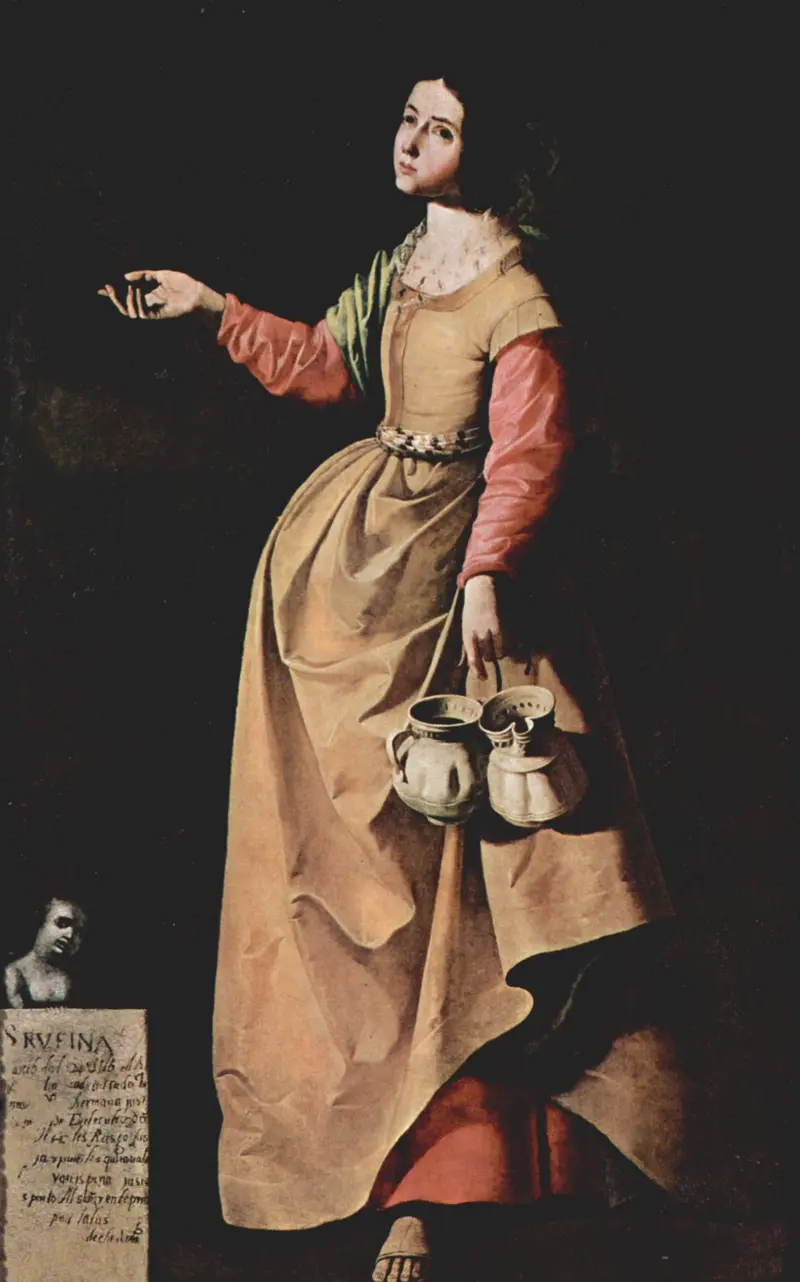
Saint Rufina
Francisco de Zurbarán
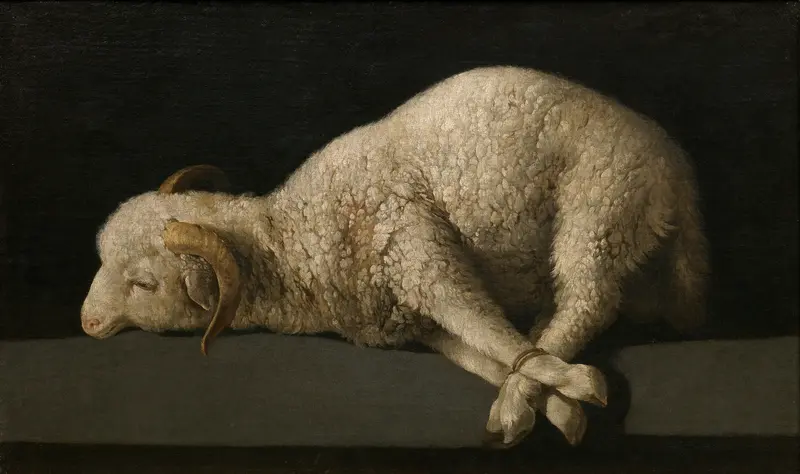
Agnus Dei
Francisco de Zurbarán
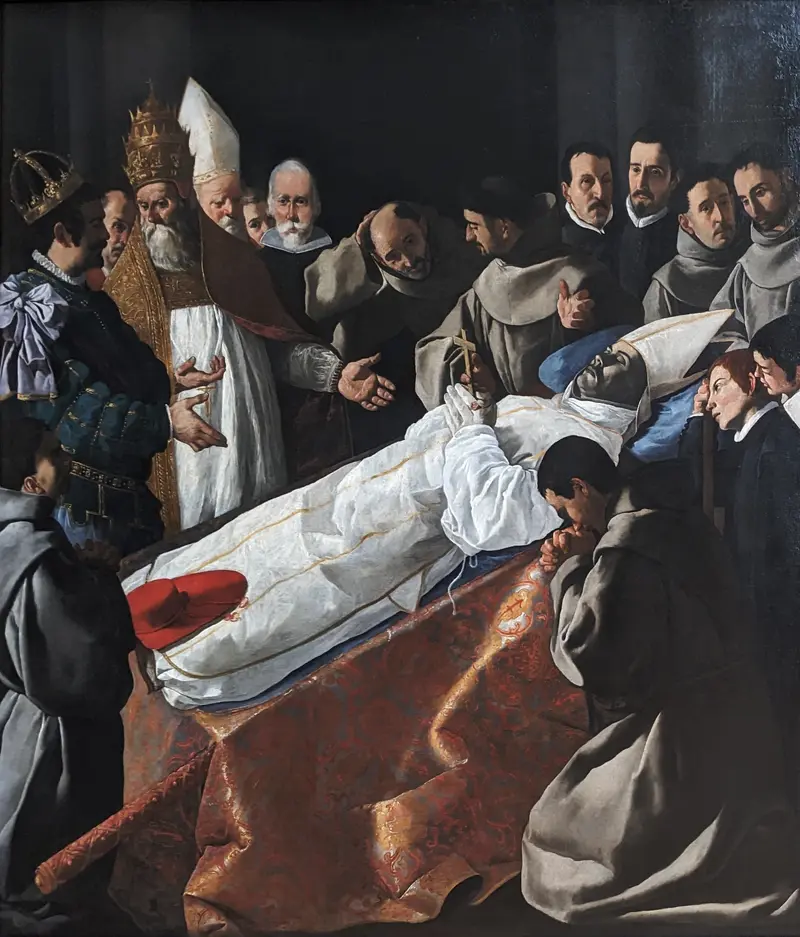
Saint Bonaventure's Body Lying in State
Francisco de Zurbarán
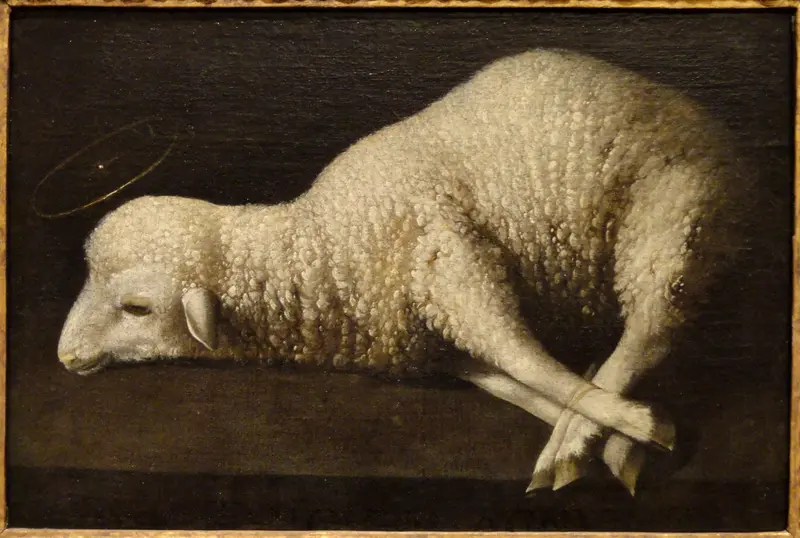
The Lamb of God
Francisco de Zurbarán

Adoration of the Magi
Francisco de Zurbarán
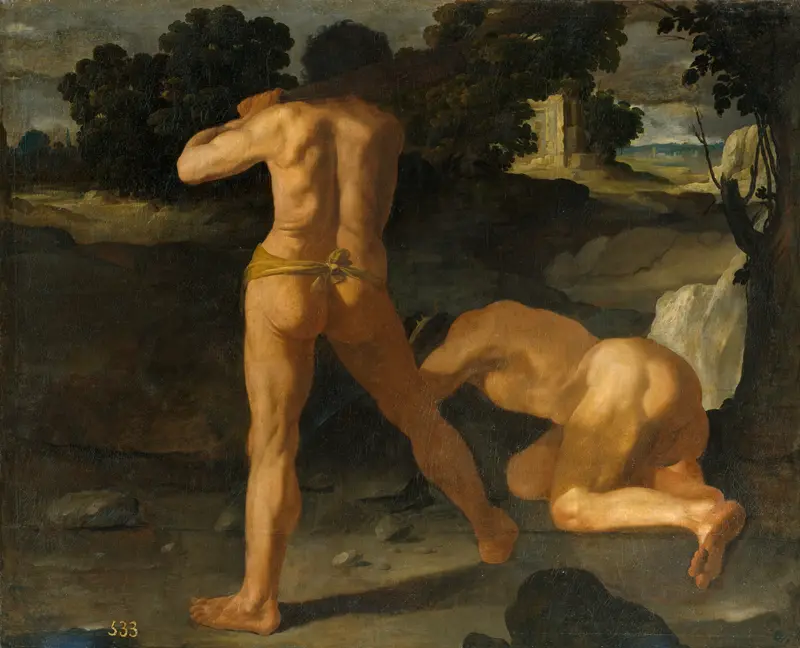
Hercules defeats King Geryon
Francisco de Zurbarán
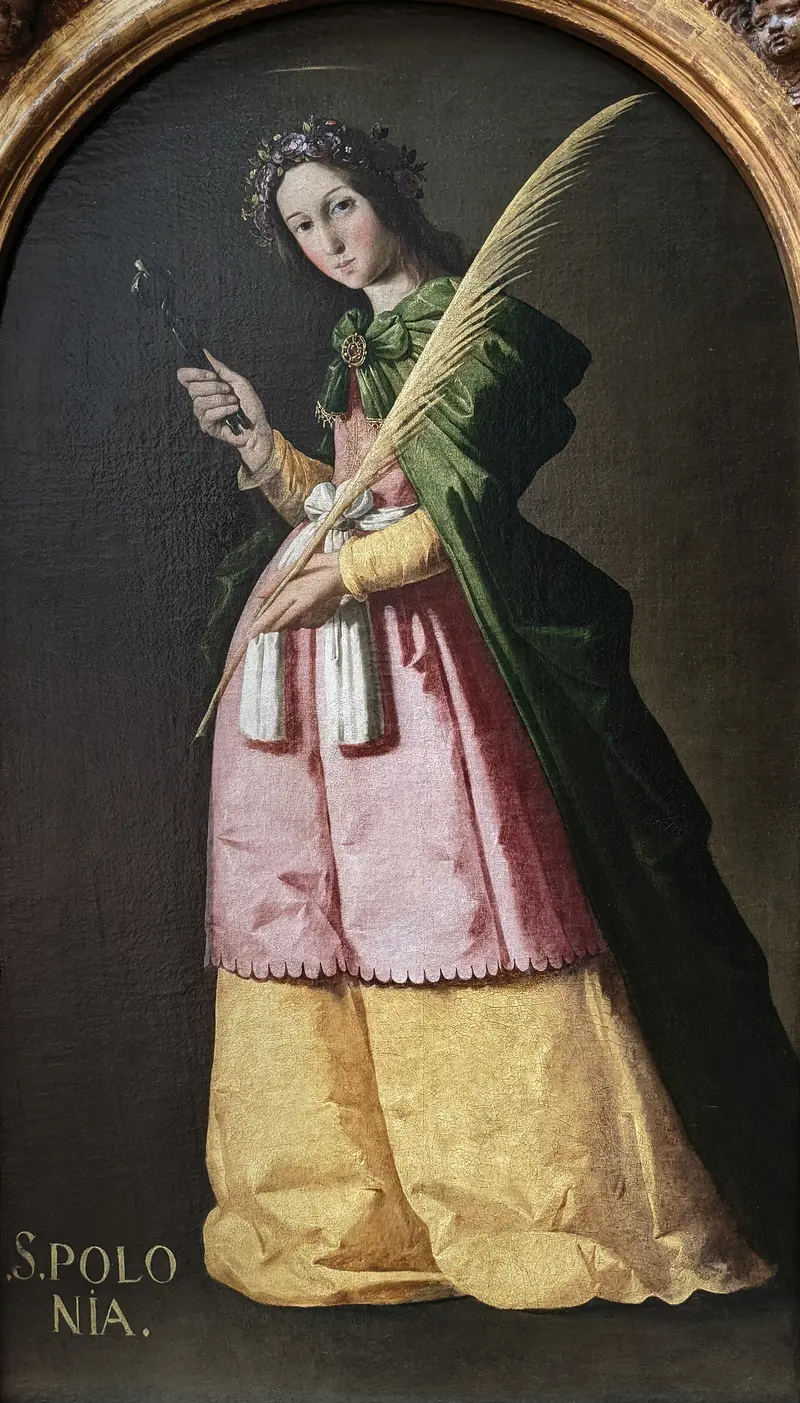
Saint Apollonia
Francisco de Zurbarán
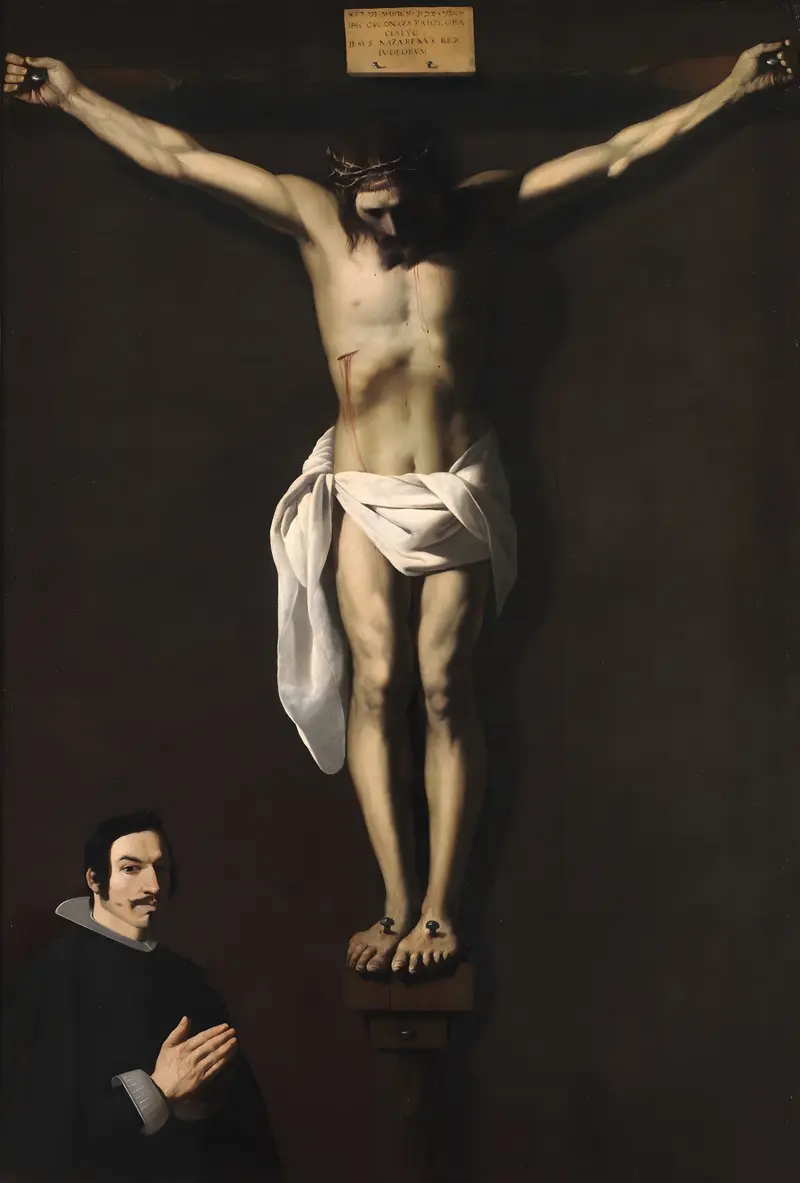
The Crucified Christ with a Donor
Francisco de Zurbarán
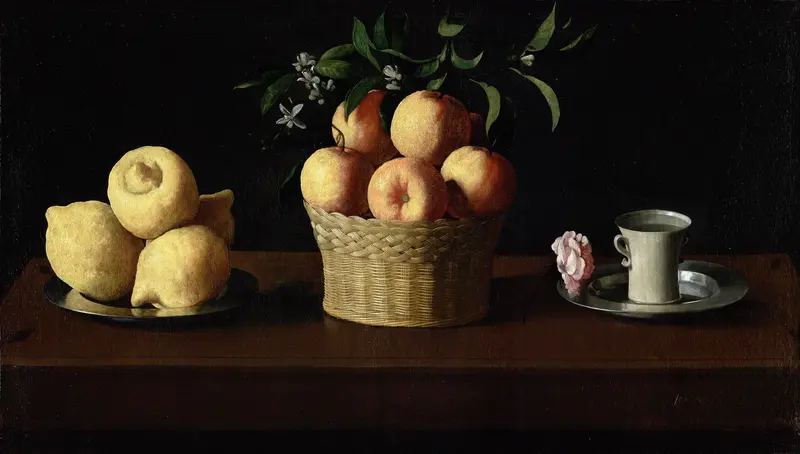
Still Life with Lemons, Oranges and a Rose
Francisco de Zurbarán
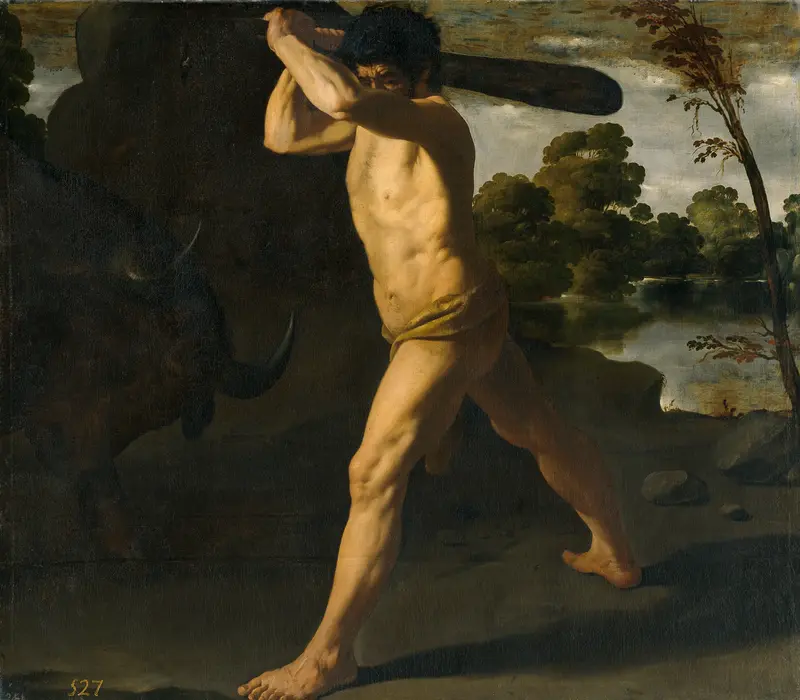
Hercules and the Cretan Bull
Francisco de Zurbarán





