
The Beggar Leaning on his Cane — History & Facts
In The Beggar Leaning on his Cane, Jacques Callot presents a somber figure of a beggar, dressed in tattered clothing. The muted color palette, dominated by browns and grays, emphasizes the subject's hardship. The beggar leans heavily on his cane, suggesting both physical and emotional weariness.
The background is minimal, focusing the viewer's attention on the figure's expression and posture. This artwork is an etching, a technique that allows for fine detail and texture. Callot's use of line work is meticulous, capturing the folds of the beggar's clothing and the texture of his cane. The composition is balanced, with the figure positioned centrally, creating a strong focal point.
The overall size of the piece is approximately 25 x 35 cm, making it an intimate work. Jacques Callot was a French artist known for his prints and etchings during the Baroque period. The Beggar Leaning on his Cane reflects his interest in social commentary, particularly the plight of the poor. Interestingly, Callot's works often depict the lower classes with empathy, a contrast to the more common idealized representations of the time.
This piece is housed in the Musee d'Orsay, showcasing the artist's significant impact on the genre of printmaking.
More Artworks by Jacques Callot

De verloren zoon als zwijnenhoeder
Jacques Callot
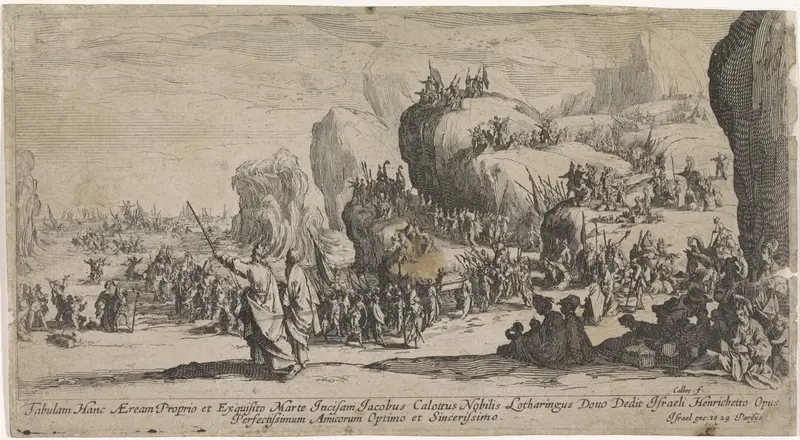
De doortocht door de Rode Zee
Jacques Callot

Kruisiging
Jacques Callot
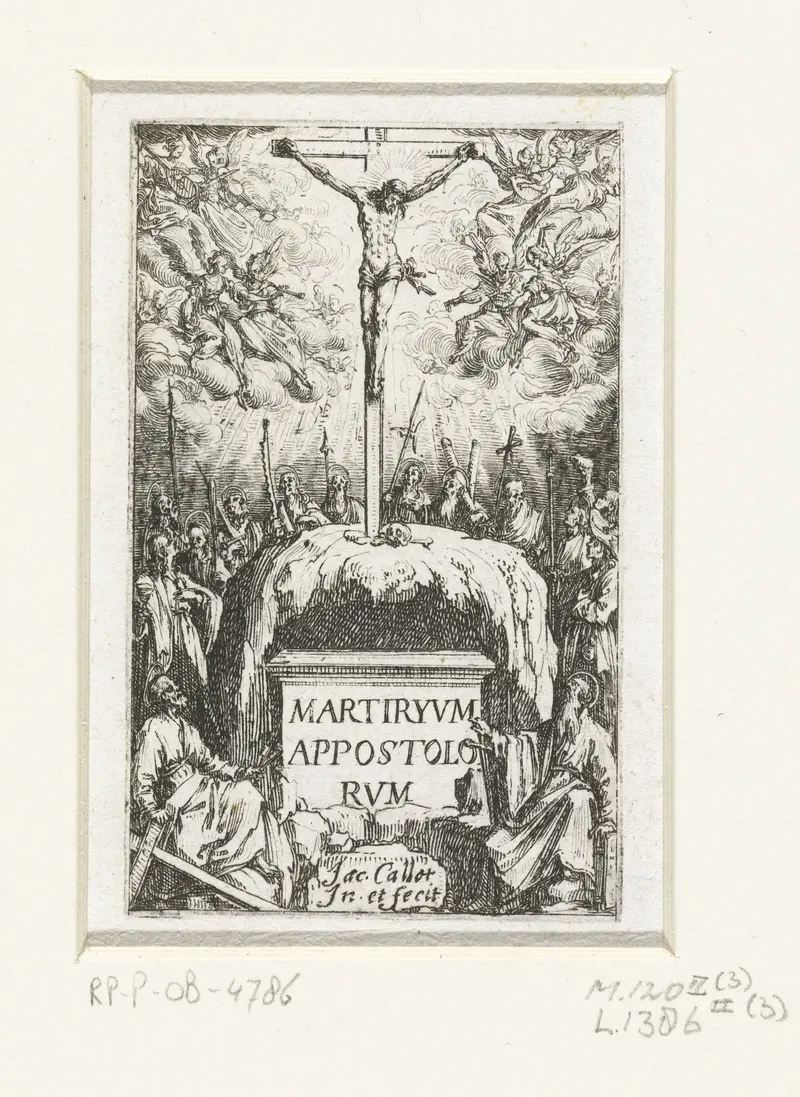
Titelprent voor de prentreeks 'De kleine apostelen' (Het martelaarschap van de apostelen)
Jacques Callot
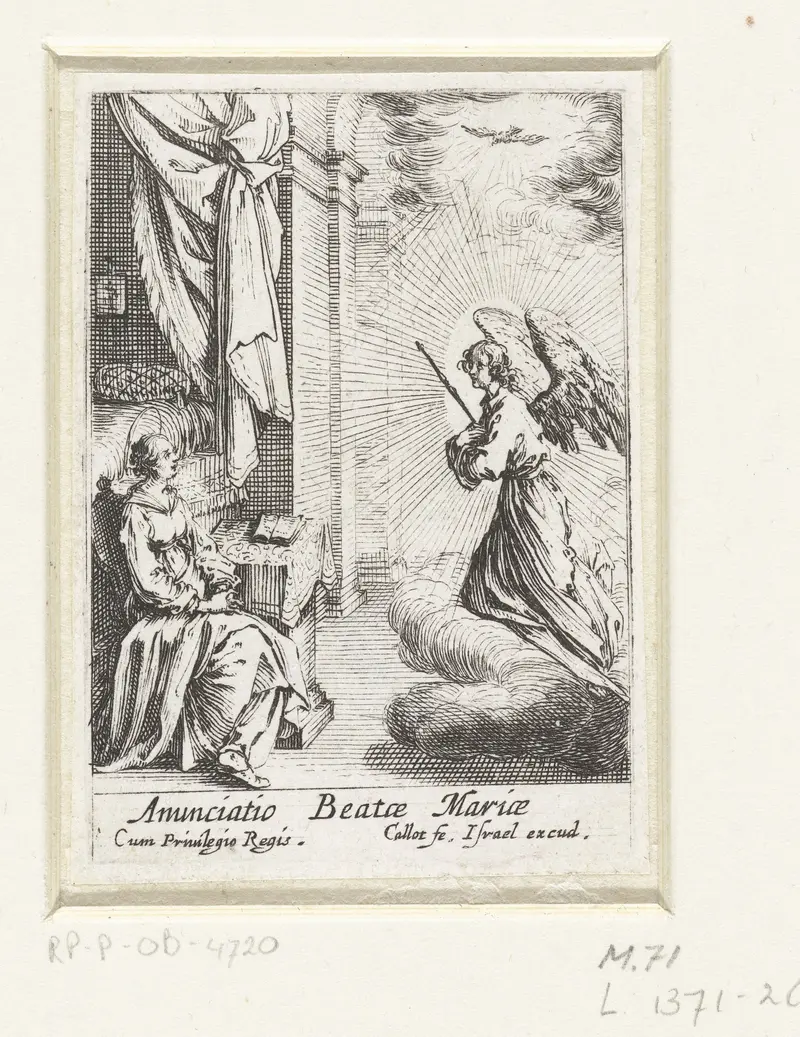
Annunciatie
Jacques Callot
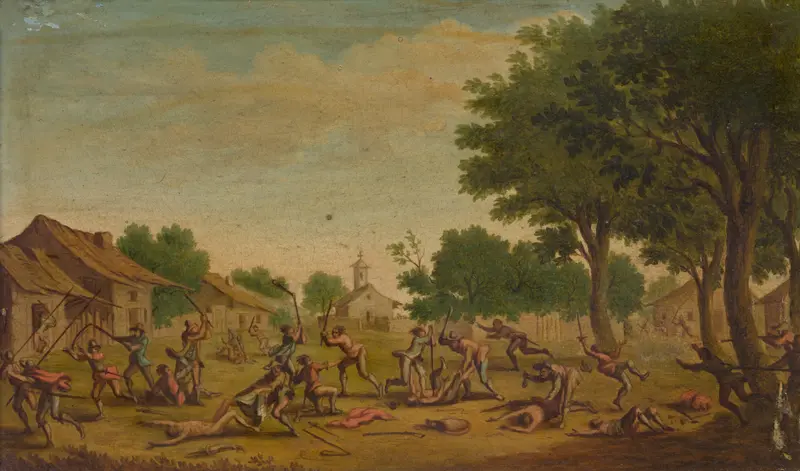
Village Fight
Jacques Callot
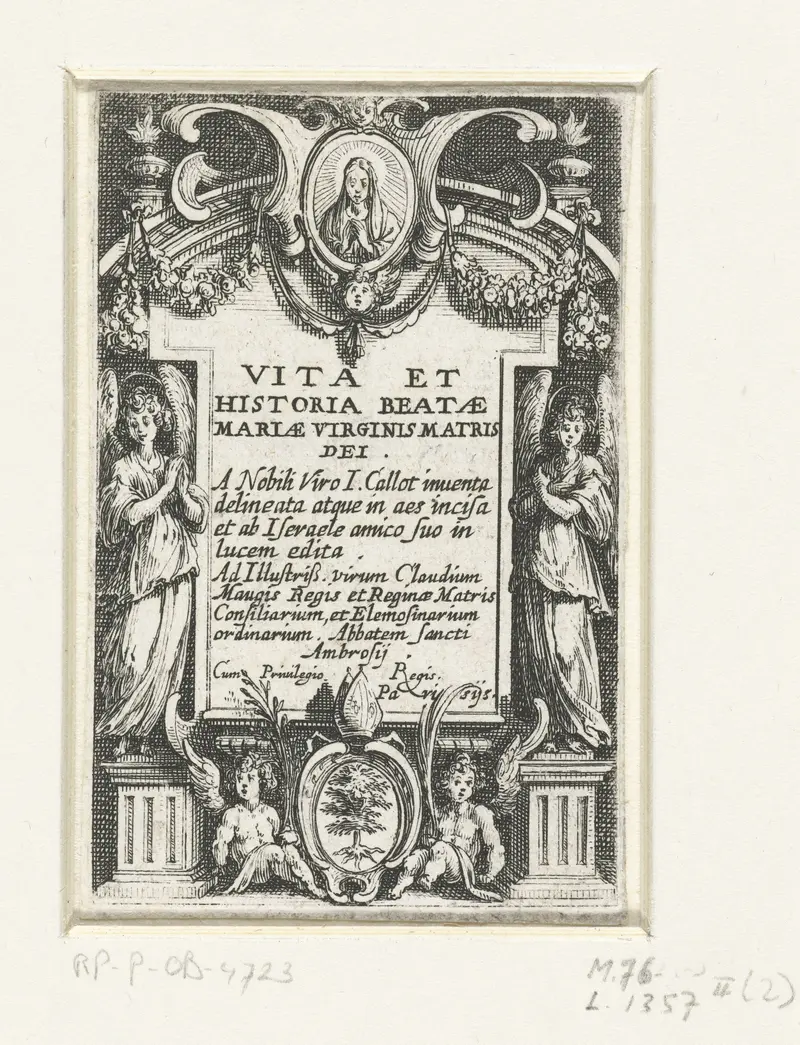
Titelprent voor prentreeks 'Het leven van Maria'
Jacques Callot
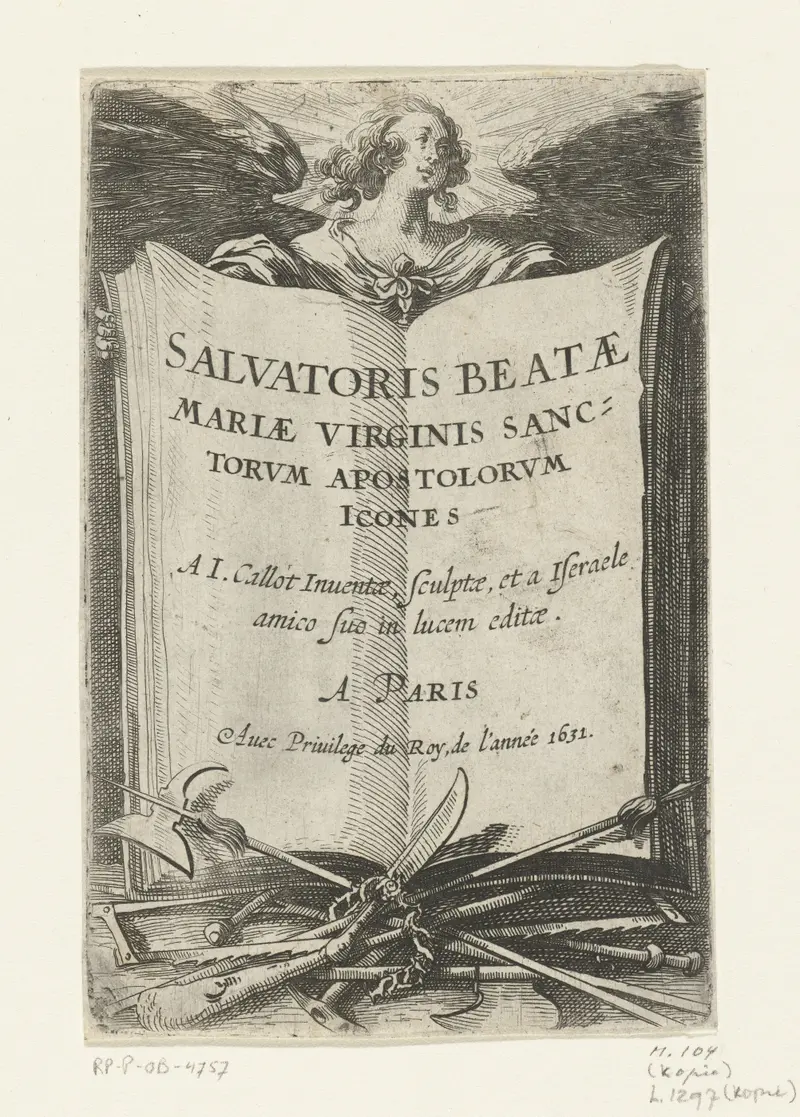
Titelprent voor de prentreeks 'De grote apostelen' (Christus, Maria en de apostelen)
Jacques Callot

Kruisoprichting
Jacques Callot
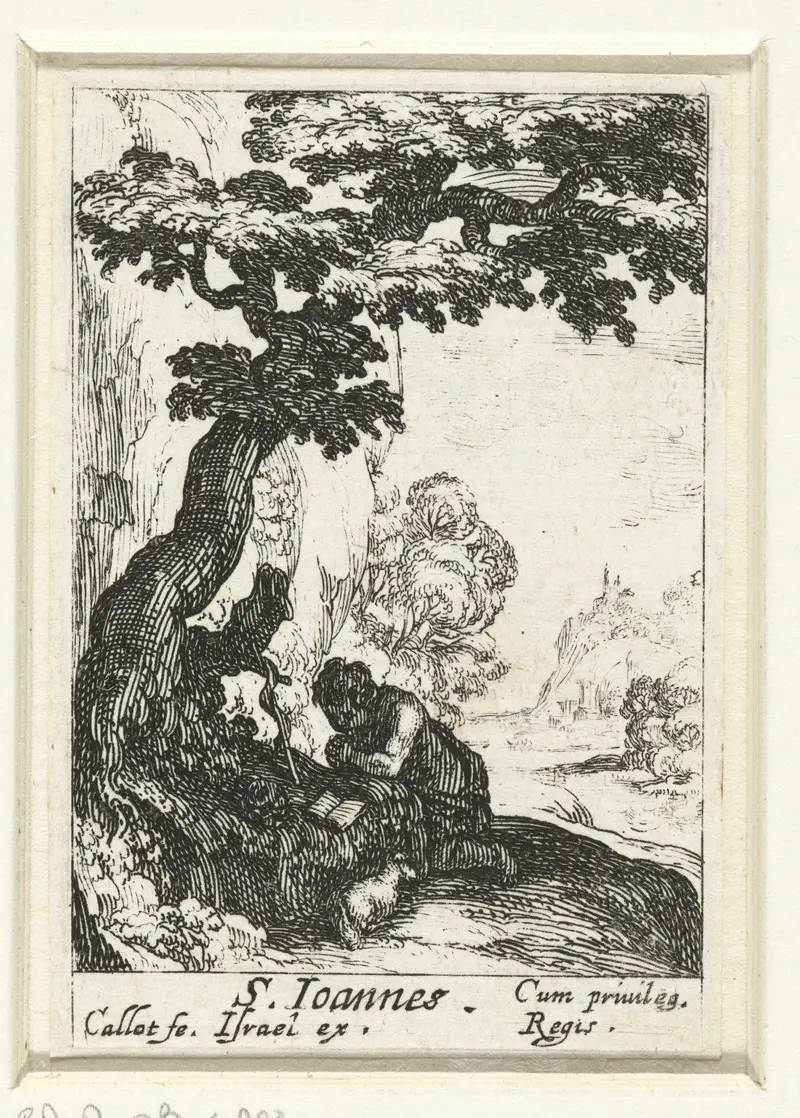
De boetvaardige Johannes de Doper
Jacques Callot
More Genre Scene Art

Banquet of the Officers of the St George Civic Guard
Frans Hals

Rembrandt and Saskia in the Scene of the Prodigal Son
Rembrandt van Rijn

Bal du moulin de la Galette
Pierre-Auguste Renoir

Quadrille at the Moulin Rouge
Henri de Toulouse-Lautrec

A Burial at Ornans
Gustave Courbet

When Will You Marry?
Paul Gauguin