
The Beggar with the Wooden Leg — History & Facts
In The Beggar with the Wooden Leg, Jacques Callot presents a somber scene filled with muted colors. The beggar, with a wooden leg, sits on the ground, embodying hardship and despair. His tattered clothing contrasts sharply with the surrounding environment, emphasizing his plight.
The background is simple, focusing the viewer's attention on the figure and his struggles. This artwork is an etching, a technique that allows for fine detail and texture. Callot's use of line work is meticulous, capturing the textures of the beggar's clothing and the wooden leg. The composition is balanced, with the figure positioned centrally, drawing the eye.
The overall effect is one of realism, effectively conveying the beggar's situation. Jacques Callot was a French artist known for his prints and etchings, often depicting scenes of everyday life and social issues. This particular work reflects the Baroque style, characterized by dramatic expressions and intricate details. An interesting fact about this piece is that it highlights the social issues of the time, focusing on the marginalized and their struggles.
Callot's work often served as a commentary on society, making him an important figure in art history.
More Artworks by Jacques Callot

De verloren zoon als zwijnenhoeder
Jacques Callot
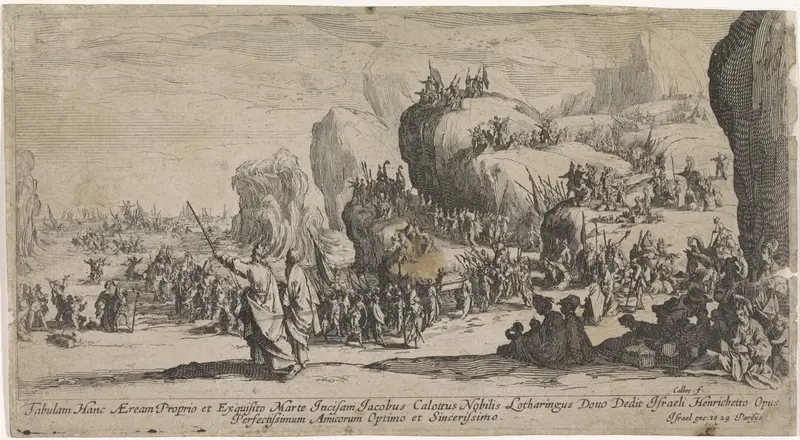
De doortocht door de Rode Zee
Jacques Callot

Kruisiging
Jacques Callot
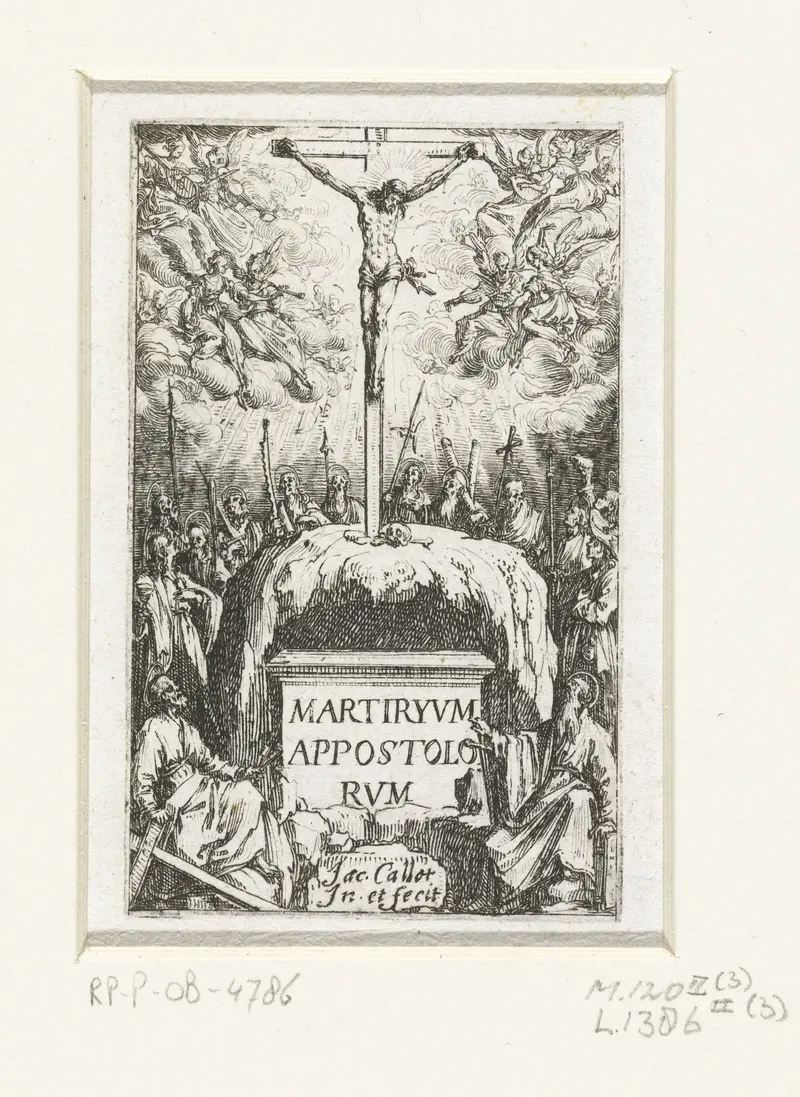
Titelprent voor de prentreeks 'De kleine apostelen' (Het martelaarschap van de apostelen)
Jacques Callot
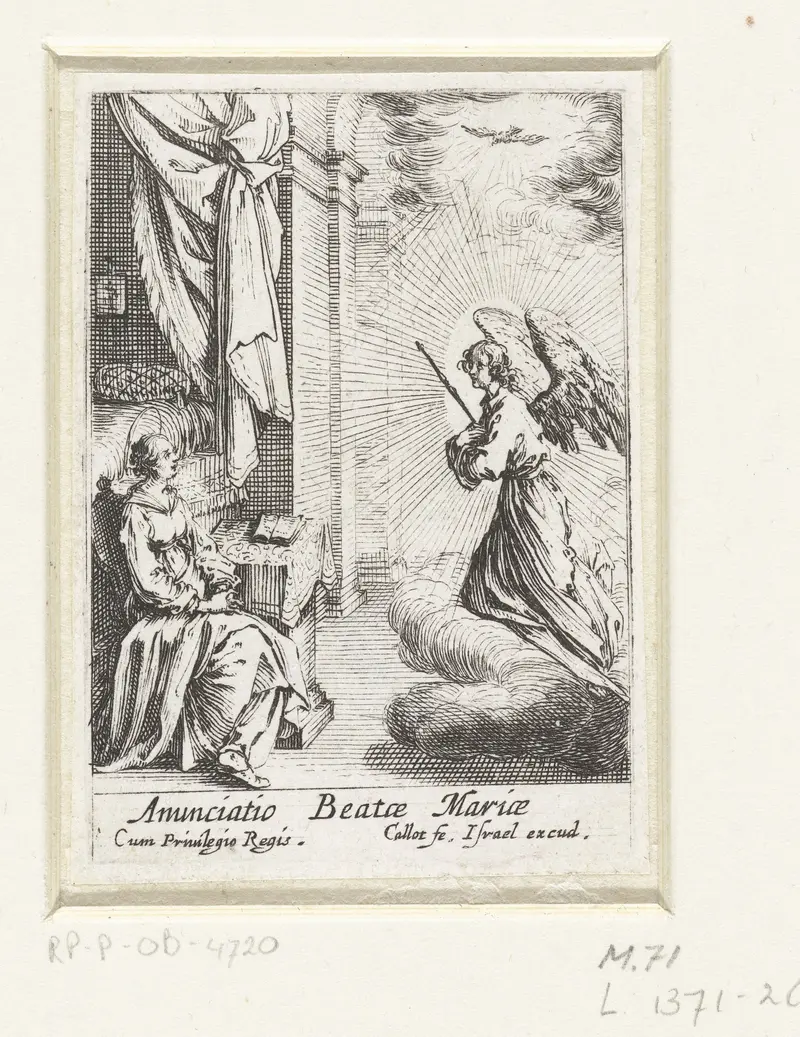
Annunciatie
Jacques Callot
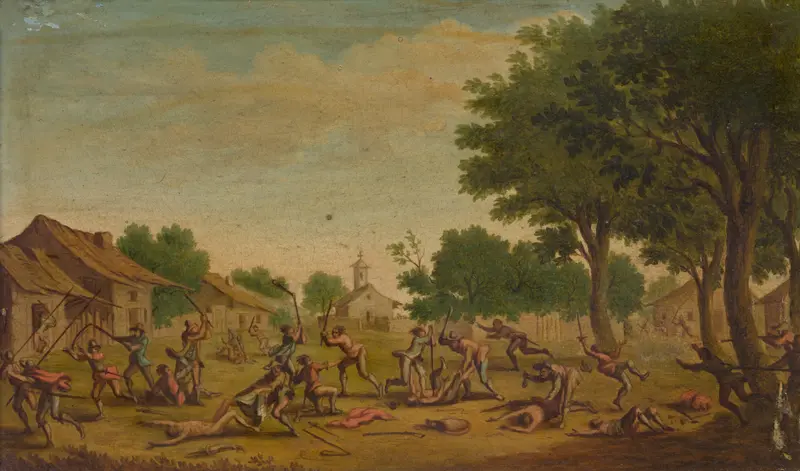
Village Fight
Jacques Callot
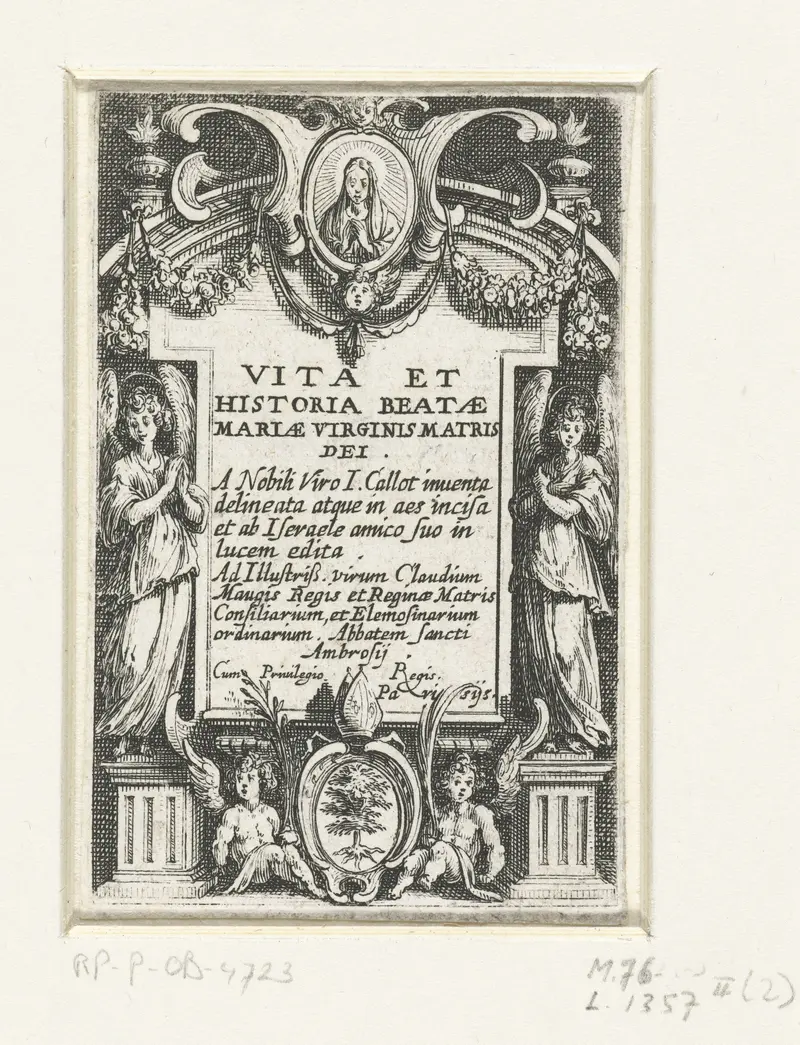
Titelprent voor prentreeks 'Het leven van Maria'
Jacques Callot
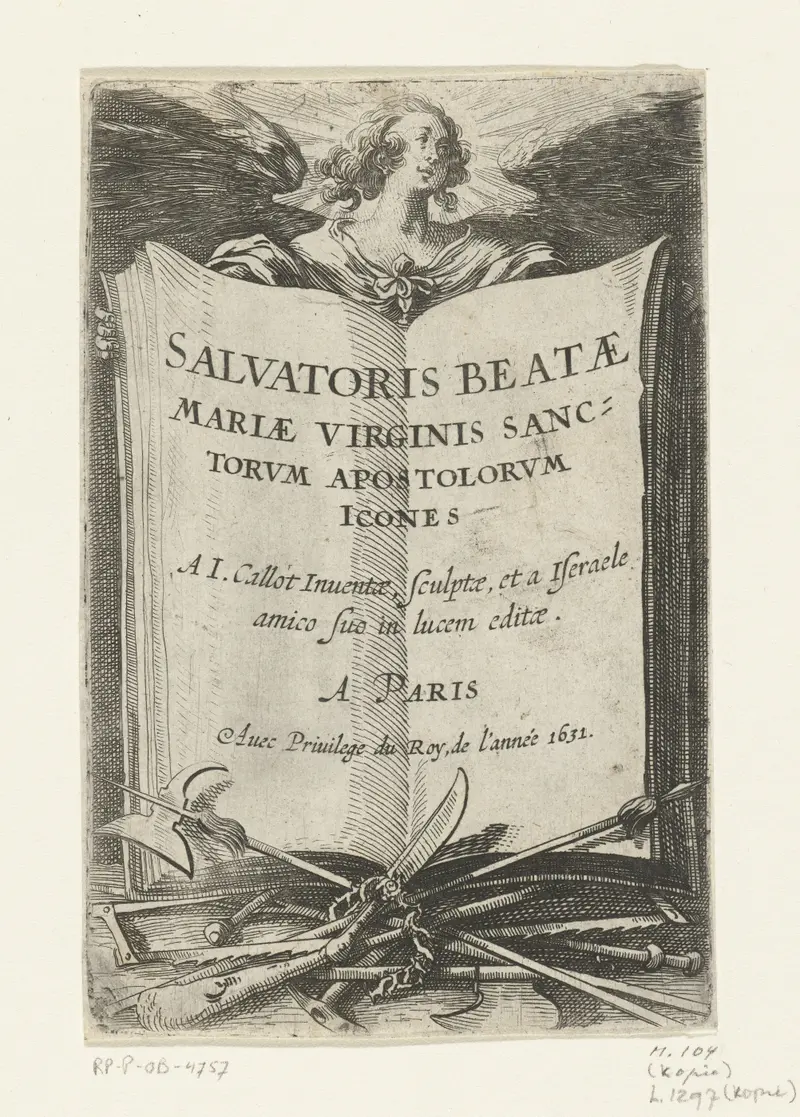
Titelprent voor de prentreeks 'De grote apostelen' (Christus, Maria en de apostelen)
Jacques Callot

Kruisoprichting
Jacques Callot
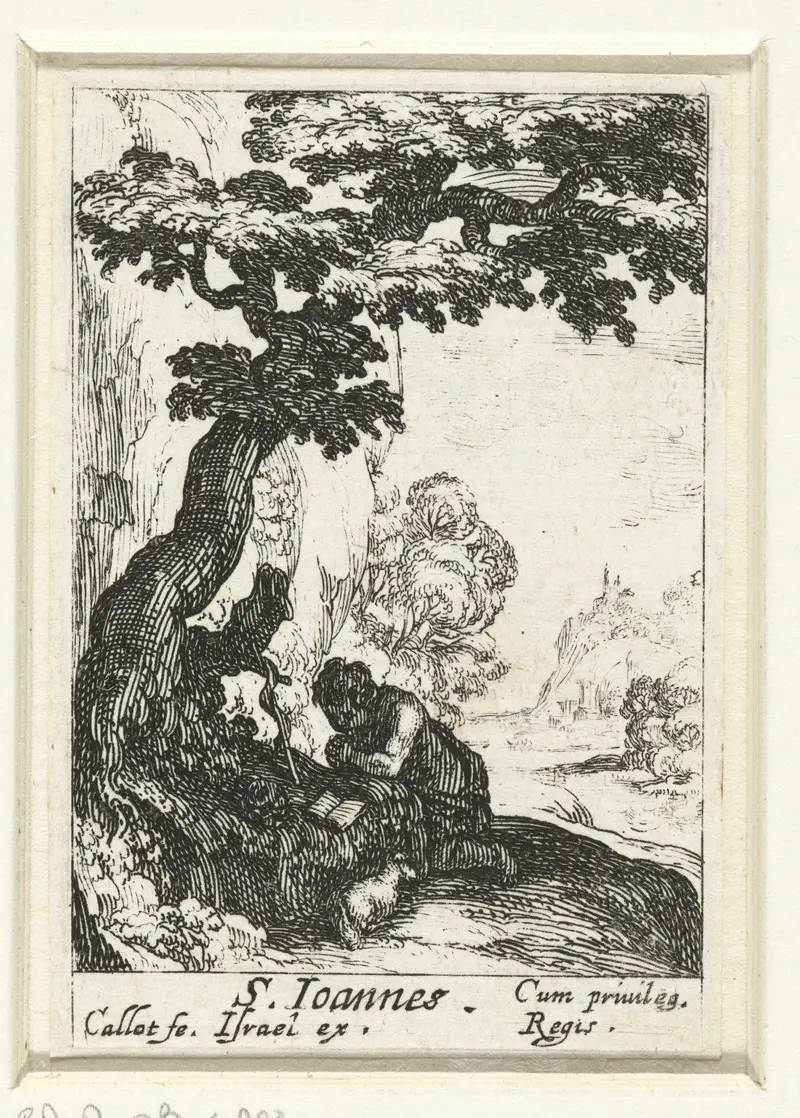
De boetvaardige Johannes de Doper
Jacques Callot
More Genre Scene Art

Banquet of the Officers of the St George Civic Guard
Frans Hals

Rembrandt and Saskia in the Scene of the Prodigal Son
Rembrandt van Rijn

Bal du moulin de la Galette
Pierre-Auguste Renoir

Quadrille at the Moulin Rouge
Henri de Toulouse-Lautrec

A Burial at Ornans
Gustave Courbet

When Will You Marry?
Paul Gauguin