
The Beggar Woman — History & Facts
When Amedeo Modigliani painted The Beggar Woman in 1909, he was a newcomer to Paris, struggling with poverty and illness, yet determined to make his mark among the avant-garde. What sets this work apart is its place at the very beginning of Modigliani’s career, before his signature elongated portraits emerged. The painting is one of the rare surviving examples from his early years, a period when he was deeply influenced by the raw social realities of Montmartre and the works of Paul Cézanne.
Unlike his later, more stylized portraits, this piece stands as a rare window onto his formative search for artistic identity. The woman in the painting sits hunched, her form heavy and her gaze averted, wrapped in layers that suggest both physical and emotional hardship. Modigliani chooses not to idealize her: her hands are large and work-worn, her clothing drab, her posture weary. The background is stripped of detail, focusing all attention on the sitter’s presence.
The brushwork is thick and expressive, echoing the influence of Cézanne’s late portraits, yet the melancholy dignity of the figure is all Modigliani’s own. Where other artists of the era, such as Pablo Picasso in his Blue Period, might have rendered beggars with a sentimental air, Modigliani’s approach is direct, almost confrontational, inviting the viewer to meet the woman’s humanity without mediation. The exact provenance of The Beggar Woman remains uncertain, as many of Modigliani’s early works were lost or scattered, sometimes traded for food or shelter during his leanest years. It is not clear who first acquired the painting, nor is the original medium definitively established, though it is likely oil on canvas.
Today, the work is recognized as a rare survivor from Modigliani’s pre-portrait phase, cherished by collectors and scholars alike for its insight into his artistic evolution. It stands as a testament to his early engagement with the realities of urban poverty, and to his lifelong empathy for society’s outsiders.
More Artworks by Amedeo Modigliani
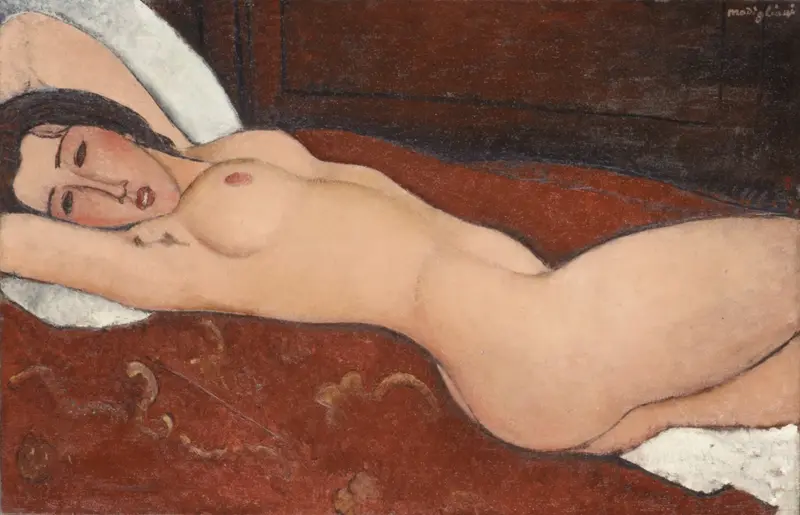
Reclining Nude
Amedeo Modigliani

Portrait Of Jeanne Hébuterne
Amedeo Modigliani

Jeanne Hébuterne
Amedeo Modigliani
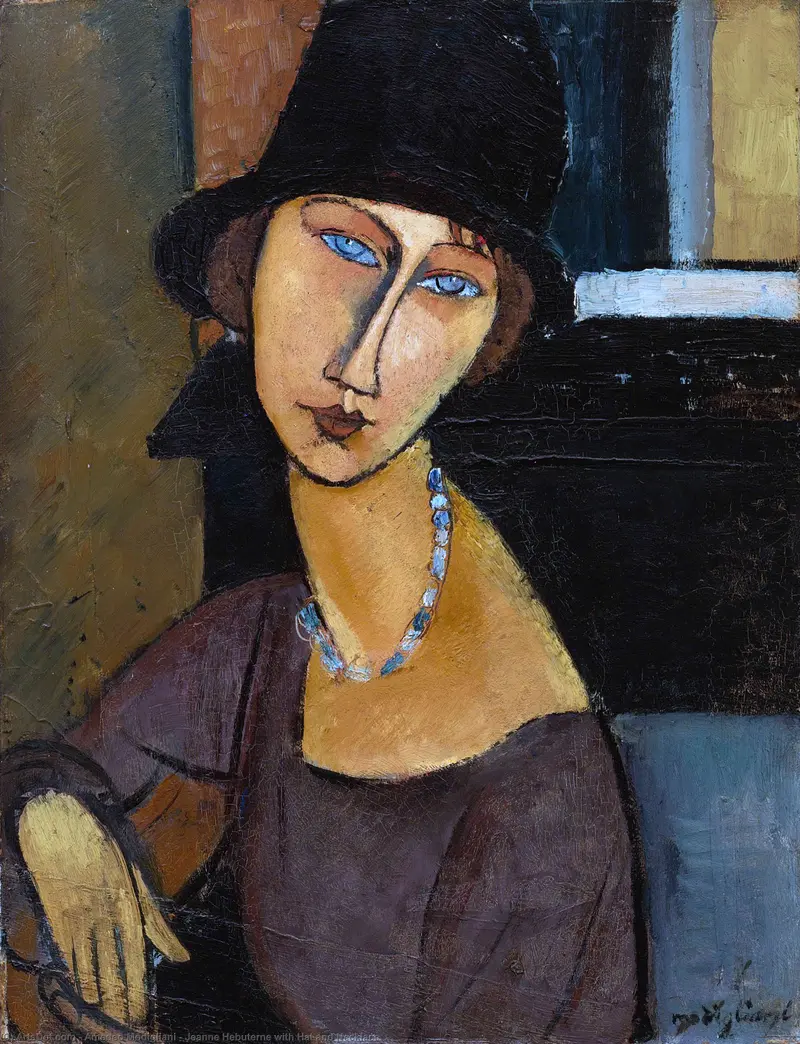
Jeanne Hébuterne with Hat and Necklace
Amedeo Modigliani
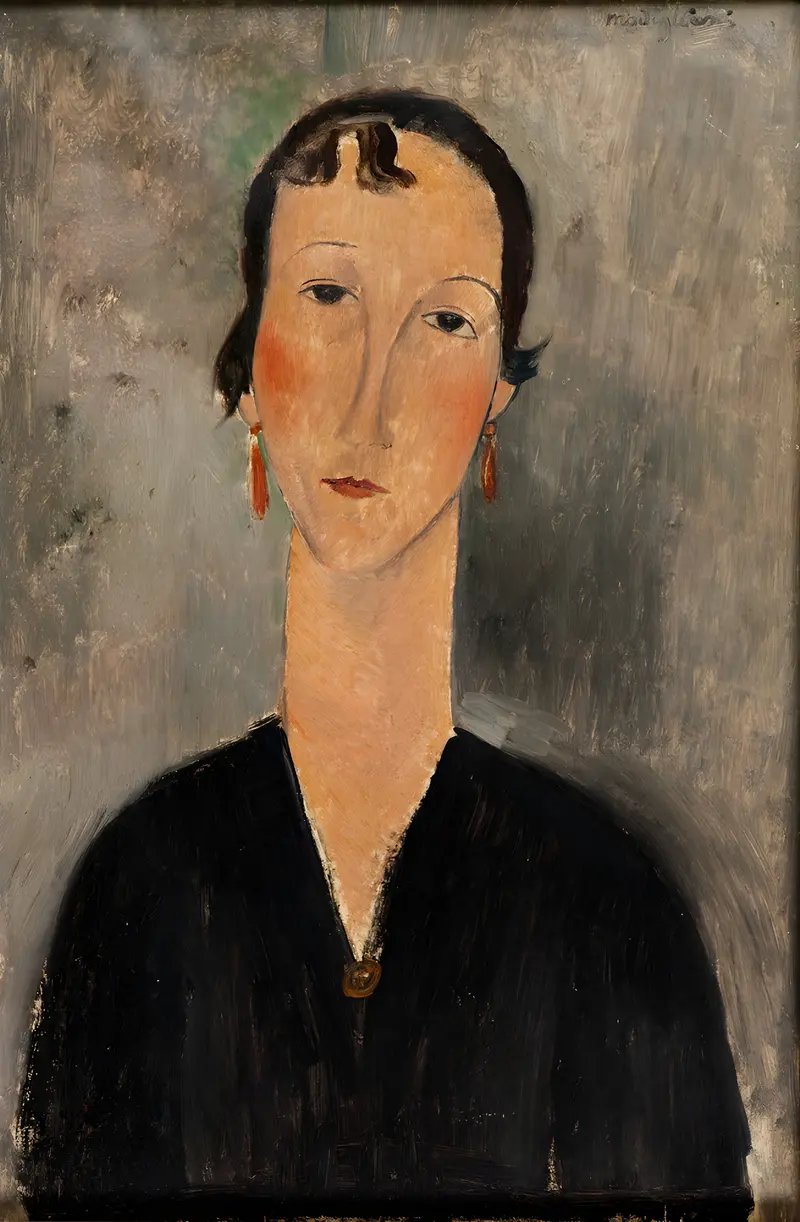
Femme aux boucles d'oreilles
Amedeo Modigliani
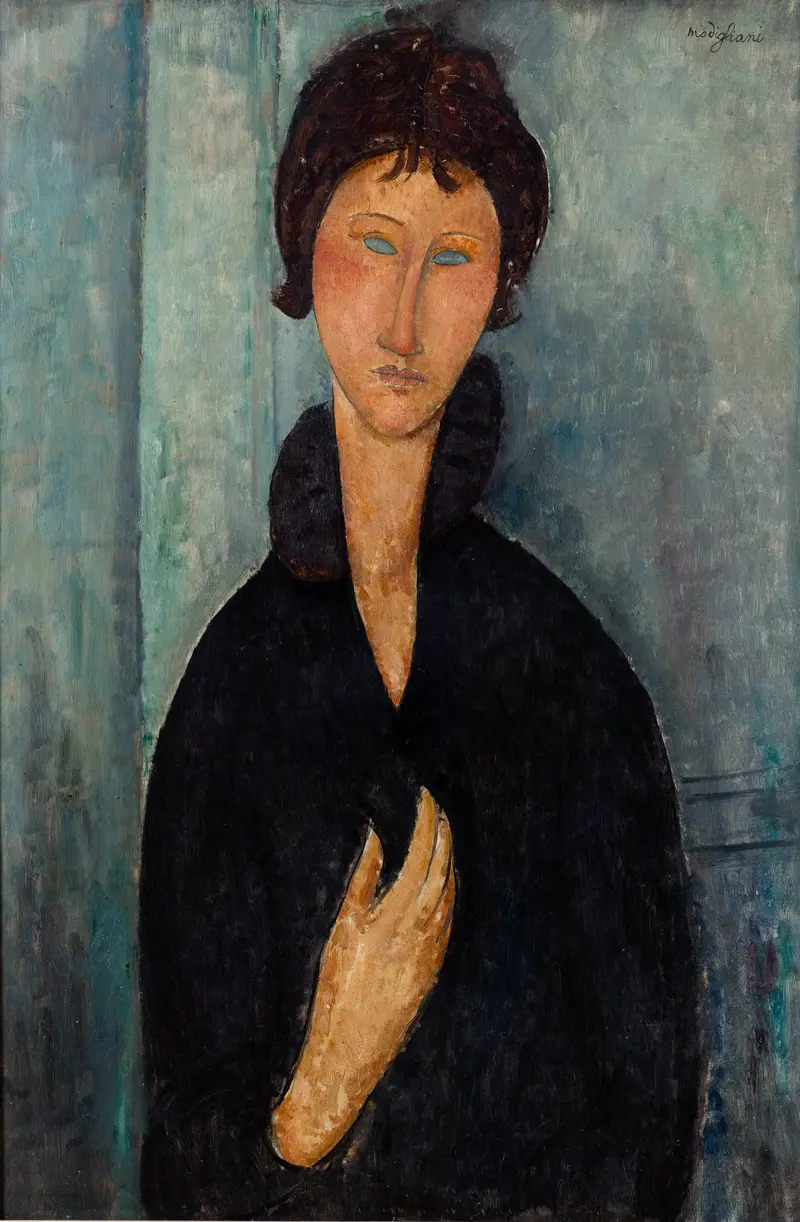
Femme aux yeux bleus
Amedeo Modigliani
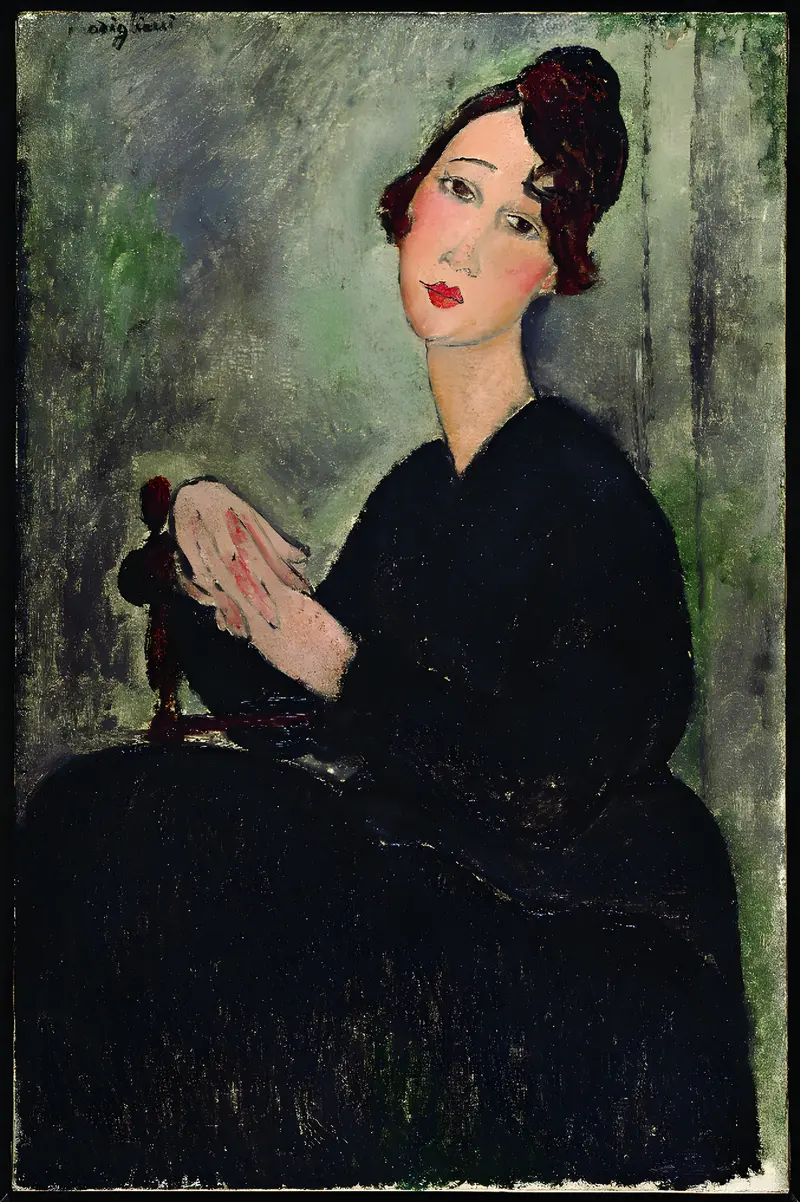
Portrait of Dedie
Amedeo Modigliani
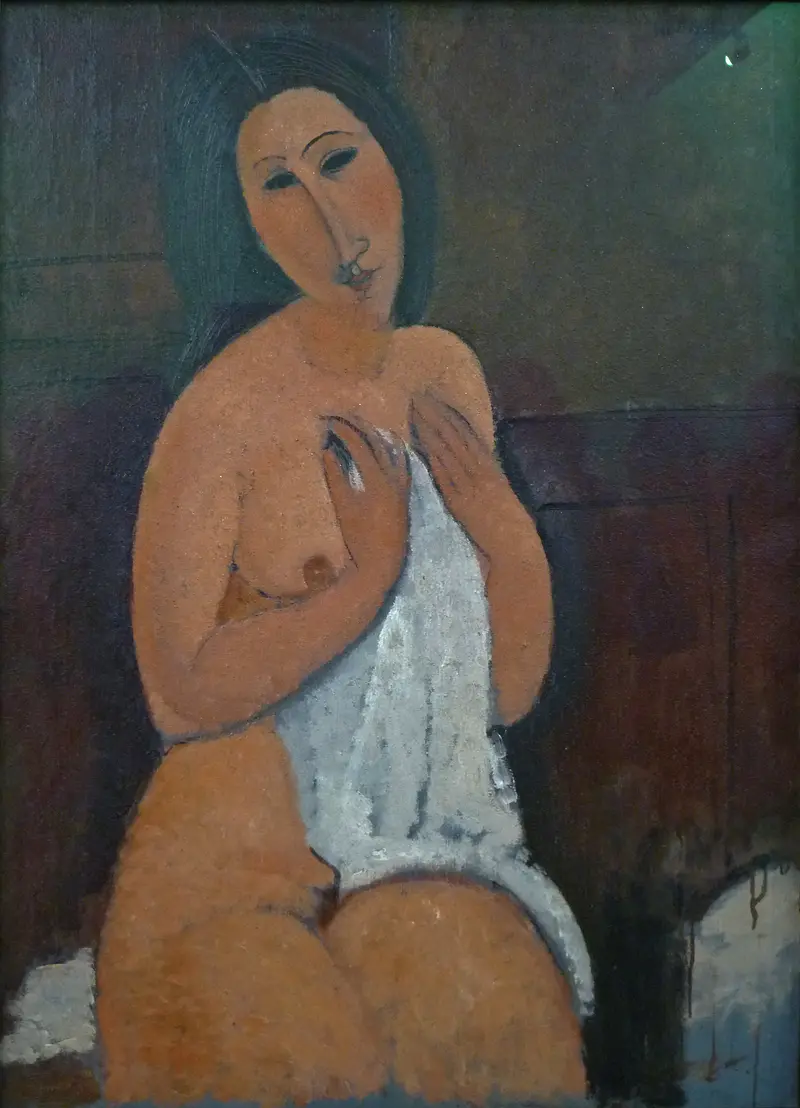
Seated nude with shirt
Amedeo Modigliani
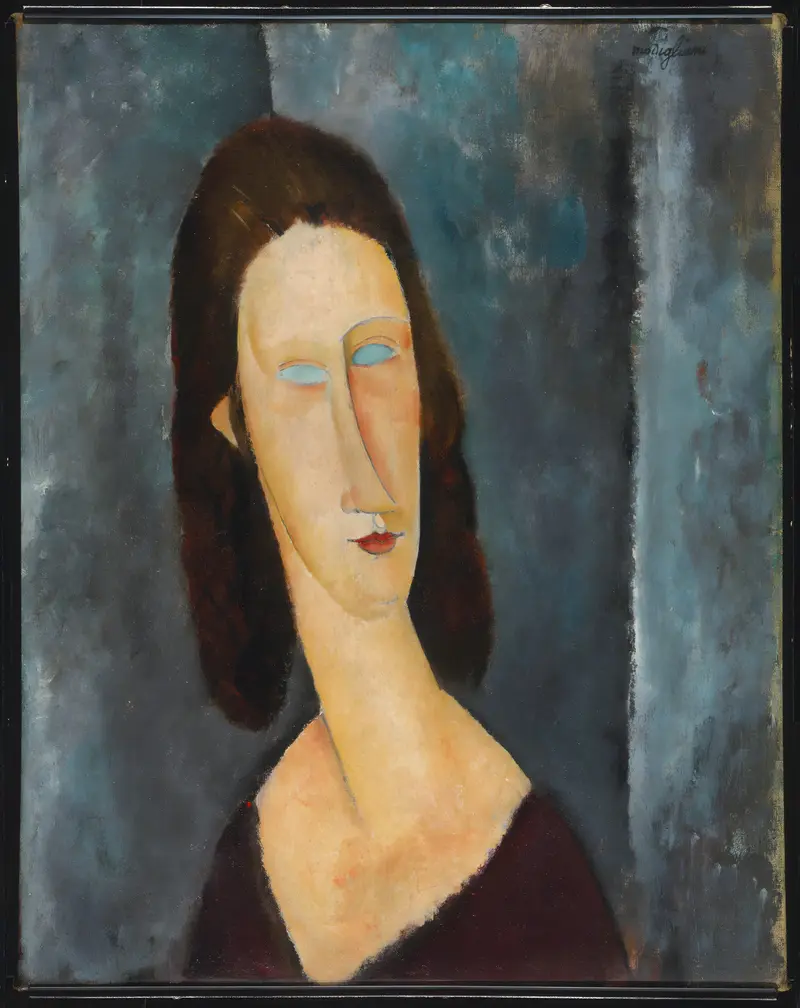
Blue Eyes (Portrait of Madame Jeanne Hébuterne)
Amedeo Modigliani
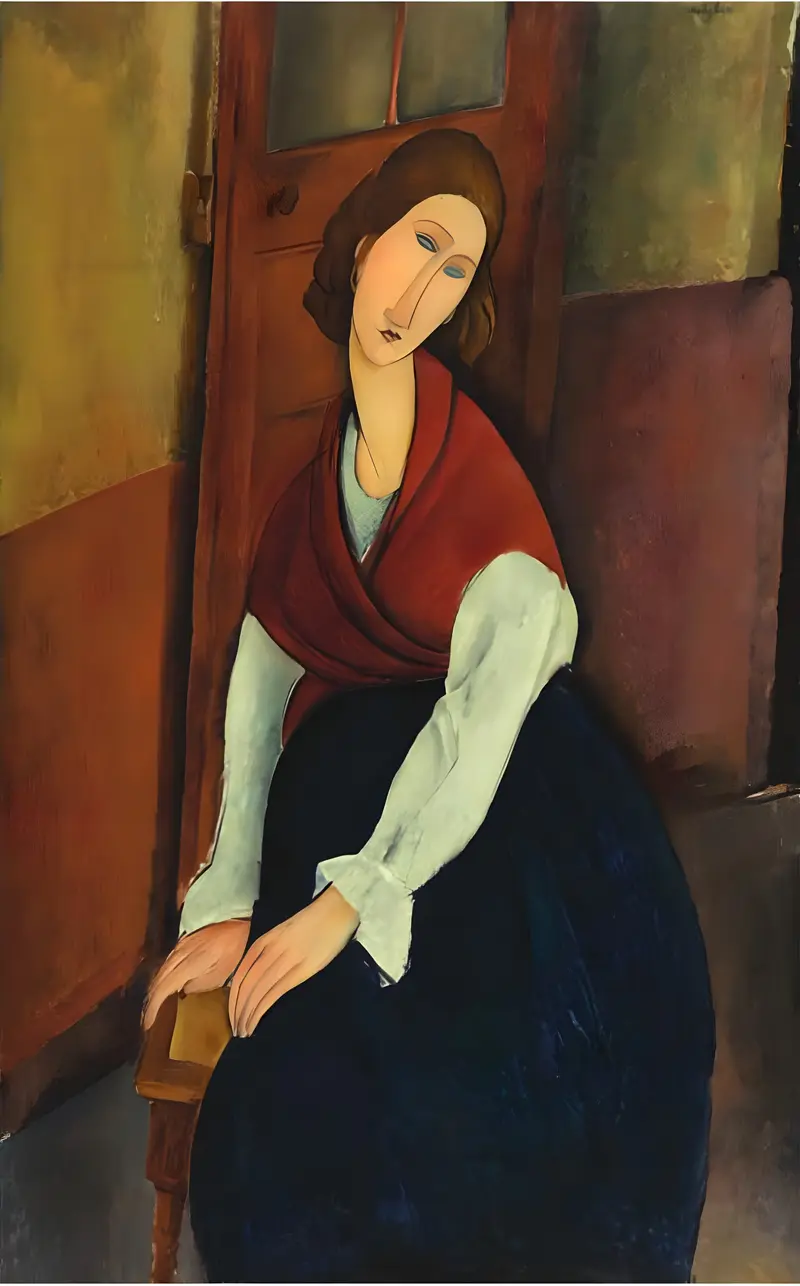
Jeanne Hebuterne in Red Shawl
Amedeo Modigliani
More Genre Scene Art

Banquet of the Officers of the St George Civic Guard
Frans Hals

Rembrandt and Saskia in the Scene of the Prodigal Son
Rembrandt van Rijn

Bal du moulin de la Galette
Pierre-Auguste Renoir

Quadrille at the Moulin Rouge
Henri de Toulouse-Lautrec

A Burial at Ornans
Gustave Courbet

When Will You Marry?
Paul Gauguin