
The Birth of the Virgin — History & Facts
What draws the eye first is not the newborn, but the hush and intimacy that fill the room. A cluster of women, absorbed in their quiet tasks, form a circle of care around the infant and her mother. The light, falling from the left, picks out the curve of the baby’s arm, the gleam of water poured into a basin, and the folds of linen ready for swaddling.
The scene is domestic but dignified: the canopied bed, the attentive gestures, and the subdued palette all lend a sense of solemnity to this everyday miracle. The figures’ absorbed concentration—one pouring water, another cradling the child, a third offering a dish—transforms routine into ritual, drawing the viewer into the heart of the story. Works like this, painted in the early seventeenth century, were shaped by the Catholic world’s renewed devotion to the Virgin Mary and her human origins. Scenes of the Virgin’s birth were especially popular in Italy and Spain, where they adorned chapels, altars, and private homes, reminding viewers of the sacredness of family and the sanctity found in humble acts.
Painted by Alessandro Turchi between circa 1631 and 1635, this canvas belongs to a moment when artists sought to bridge the divine and the everyday, inviting viewers to see holiness in the rhythms of women’s work. Few traces remain of this particular painting’s early life, but its quiet choreography of hands and glances still speaks, centuries later, of a world where faith and daily life were inseparable.
More Artworks by Alessandro Turchi

The Flood
Alessandro Turchi
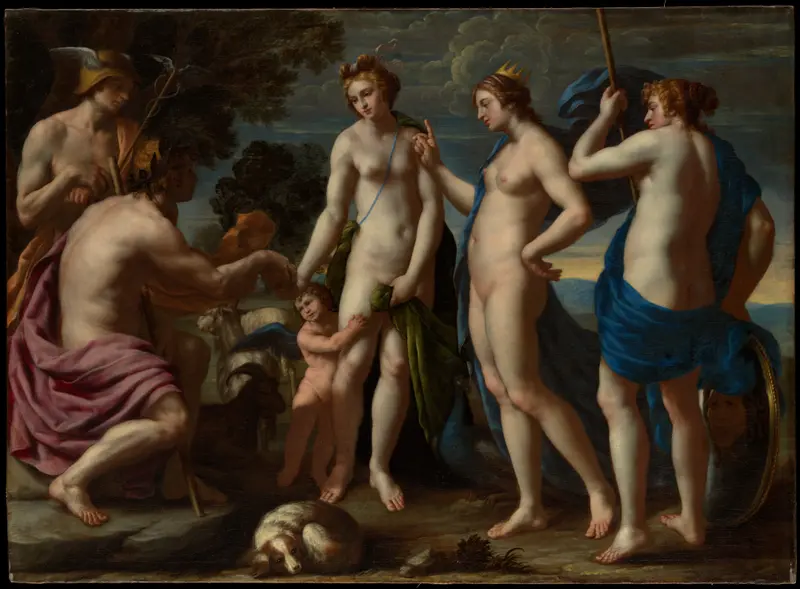
Judgment of Paris
Alessandro Turchi
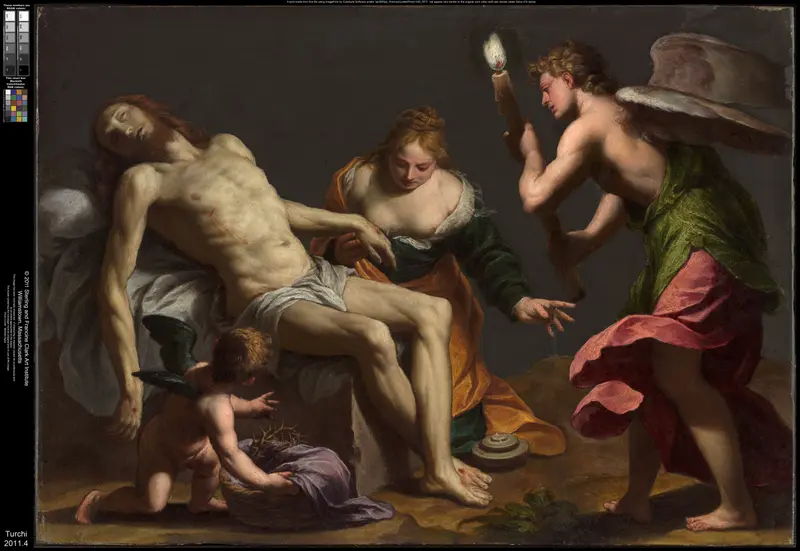
Lamentation over the Body of Christ
Alessandro Turchi
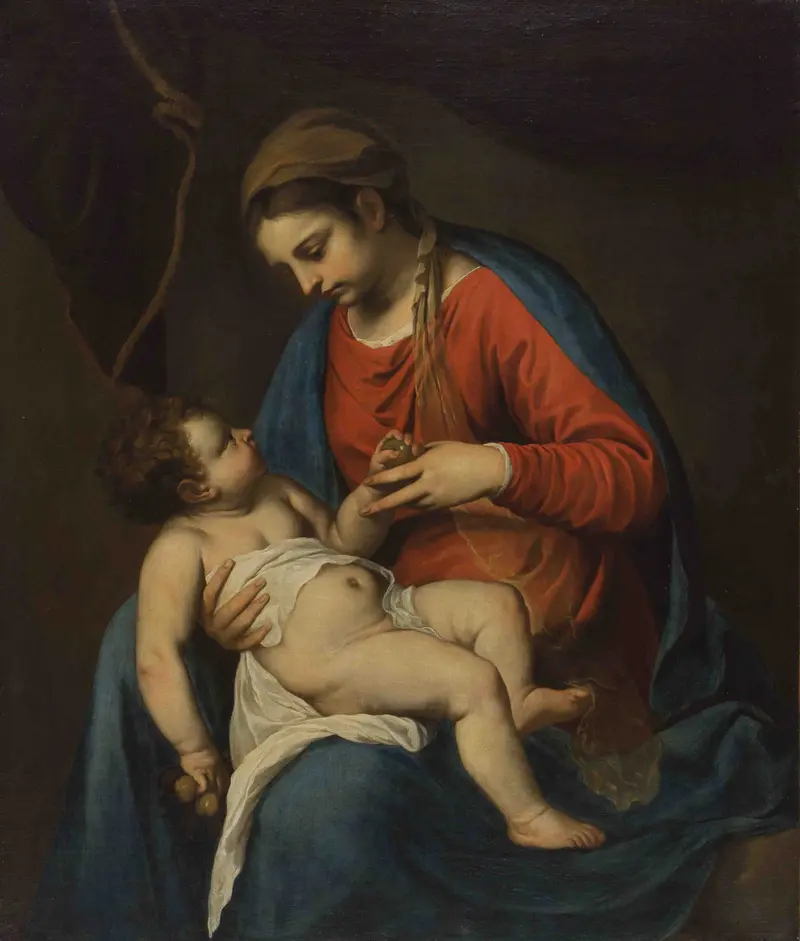
Maria with Child
Alessandro Turchi

Saint Peter visits Saint Agatha in her Prison
Alessandro Turchi
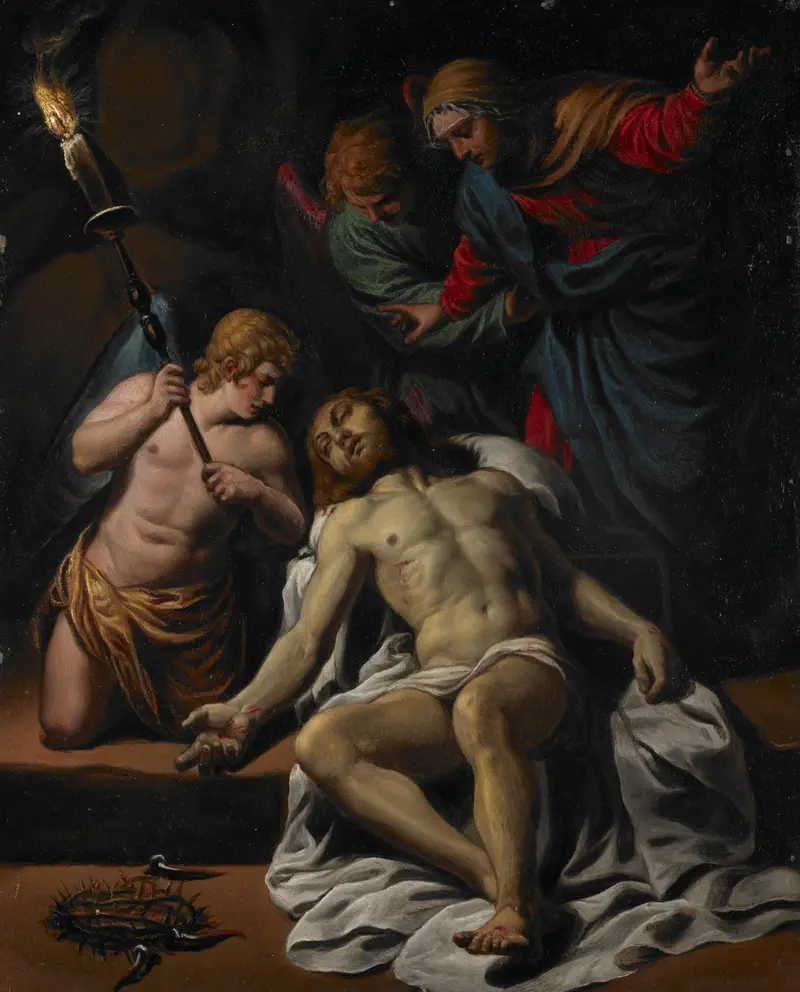
The Lamentation
Alessandro Turchi
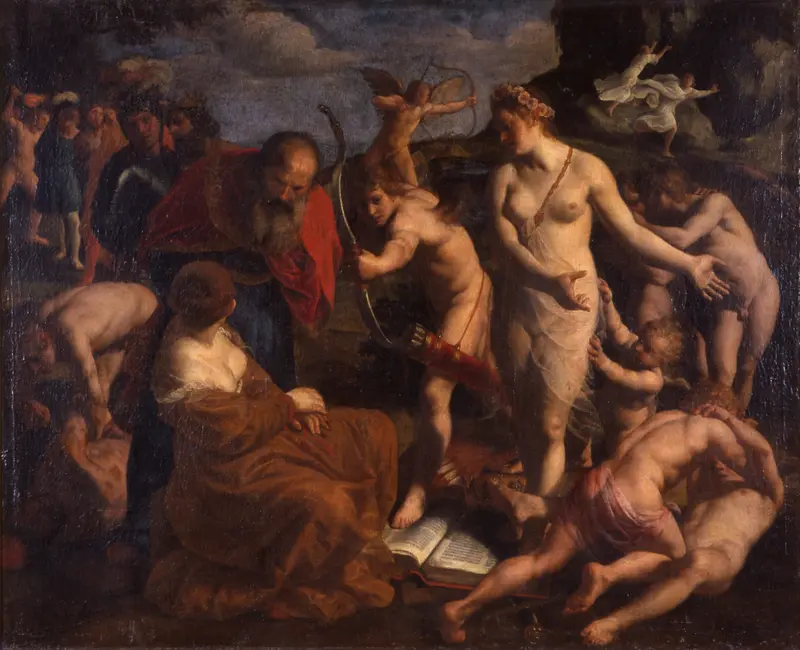
Allegory on the Power of Love ('Omnia Vincit Amor')
Alessandro Turchi
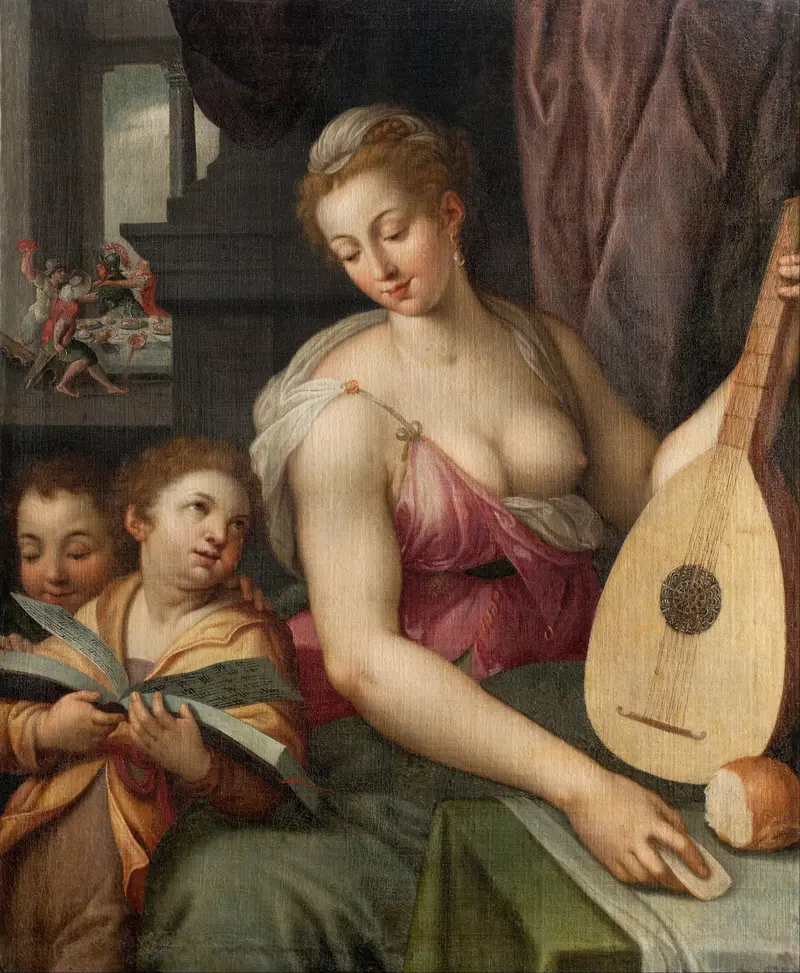
Allegory of Music
Alessandro Turchi
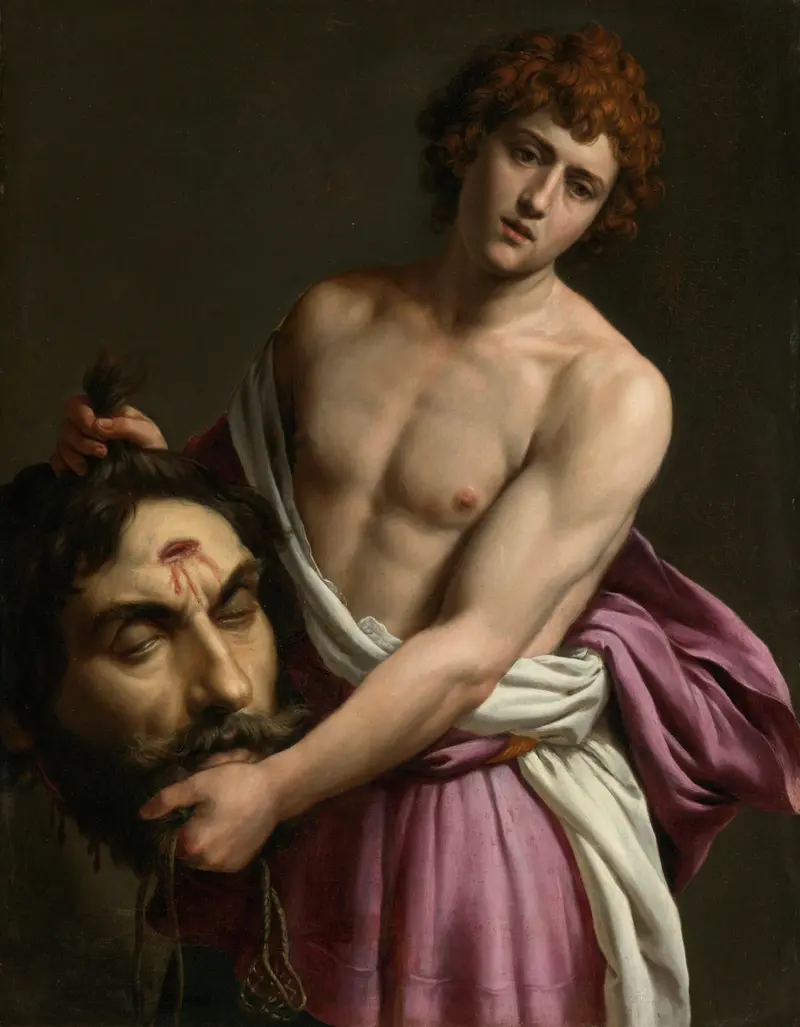
David with the Head of Goliath
Alessandro Turchi
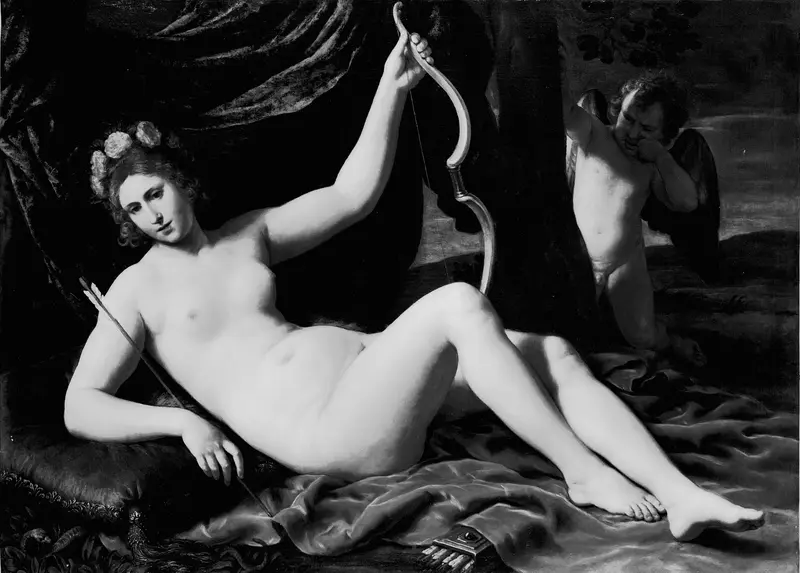
Venus and Cupid
Alessandro Turchi





