
The Buffoon, Pablo de Valladolid — History & Facts
No other painting by Diego Velázquez has sparked as much debate about the very nature of portraiture as The Buffoon, Pablo de Valladolid. When it entered the Spanish royal collection, its radical absence of setting—no floor, no wall, just a figure suspended in a void—bewildered viewers and critics alike. The subject, Pablo de Valladolid, was a court jester in the service of King Philip IV, and Velázquez’s treatment of him broke all conventions for both portrait and genre painting.
The painting’s daring composition led the 19th-century critic Théophile Gautier to exclaim, “He stands there, alone, on nothing, in nothing, like a vision.” To this day, scholars continue to debate whether the work was intended as a formal portrait, a genre scene, or something more experimental. Pablo stands mid-gesture, his right hand outstretched as if delivering a line or commanding the attention of an unseen audience. His theatrical pose and the sweep of his black costume suggest a moment of performance—perhaps reciting or jesting before the king and court. The absence of any background or props focuses all attention on his expressive face and lively posture, inviting us to see the dignity and individuality of a man whose official role was to amuse.
Velázquez’s loose, fluid brushwork, especially in the hands and face, breathes life into the figure, distinguishing it from the more formal, static portraits of courtiers or monarchs. Compared to Velázquez’s own The Dwarf Don Sebastián de Morra, which seats its subject in a somber, enclosed space, The Buffoon, Pablo de Valladolid feels startlingly modern, almost abstract in its simplicity. The exact date and circumstances of the painting’s commission remain uncertain, though it was likely created during Velázquez’s second decade at the Spanish court, in the late 1630s. It has always belonged to the Spanish royal collection, surviving the upheavals of war and regime change, and today it hangs in the Museo del Prado in Madrid.
The painting marks a turning point in Velázquez’s career, as he moved away from conventional portraiture toward a freer, more psychological approach. Its radical composition and humanizing gaze have made it a touchstone for later artists, who see in it an early challenge to the boundaries of art and reality.
More Artworks by Diego Velázquez

Las Meninas
Diego Velázquez
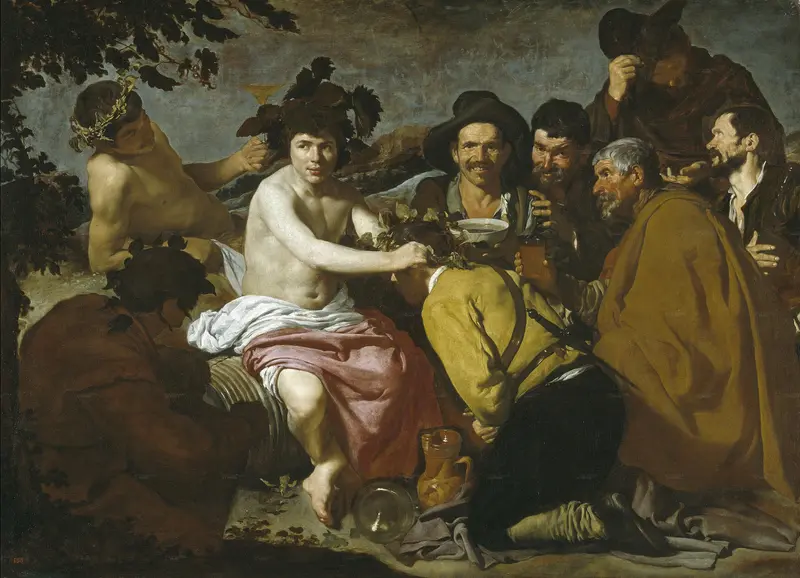
The Triumph of Bacchus
Diego Velázquez
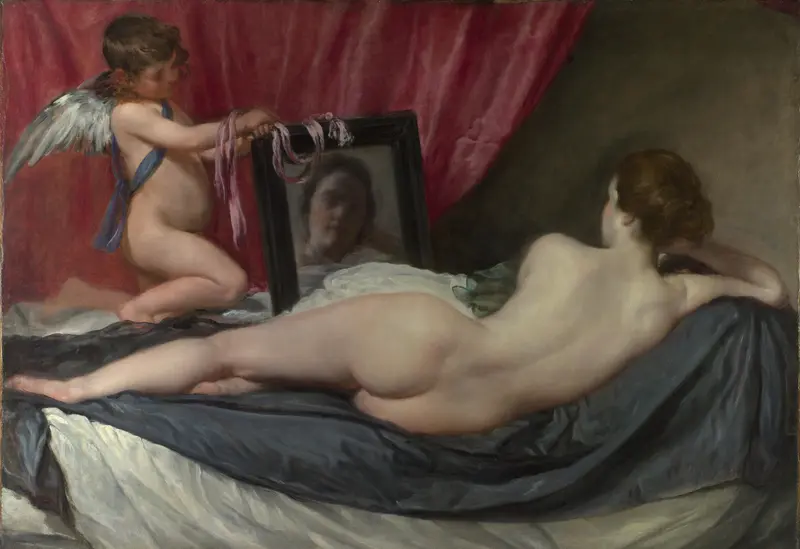
Rokeby Venus
Diego Velázquez
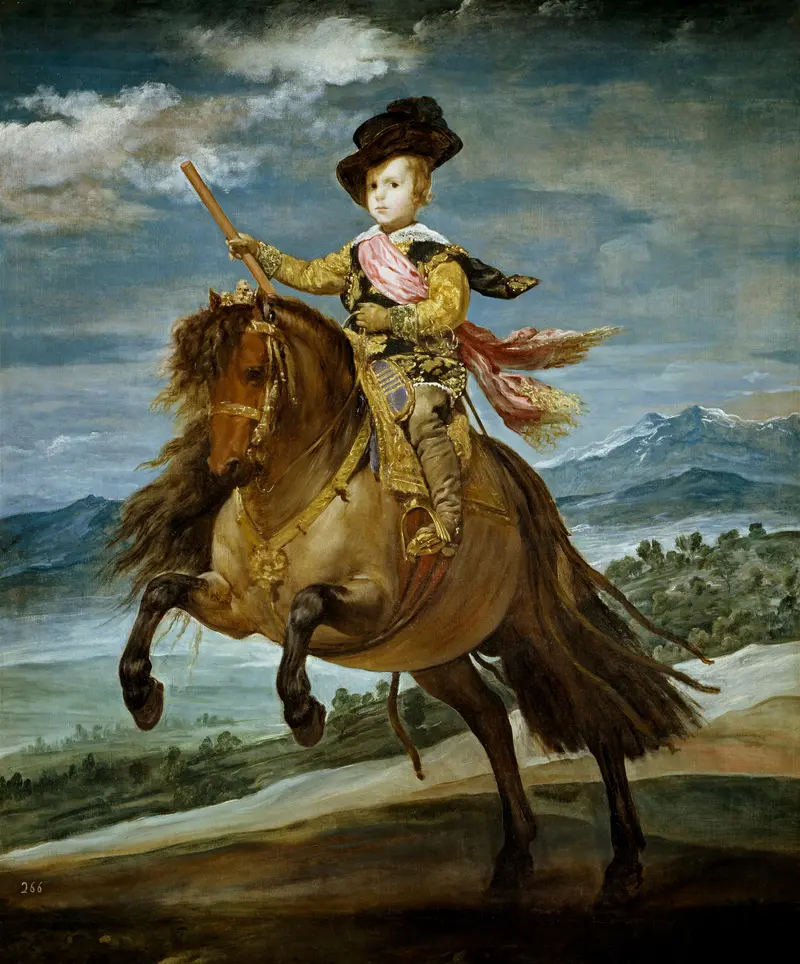
Equestrian Portrait of Prince Balthasar Charles
Diego Velázquez
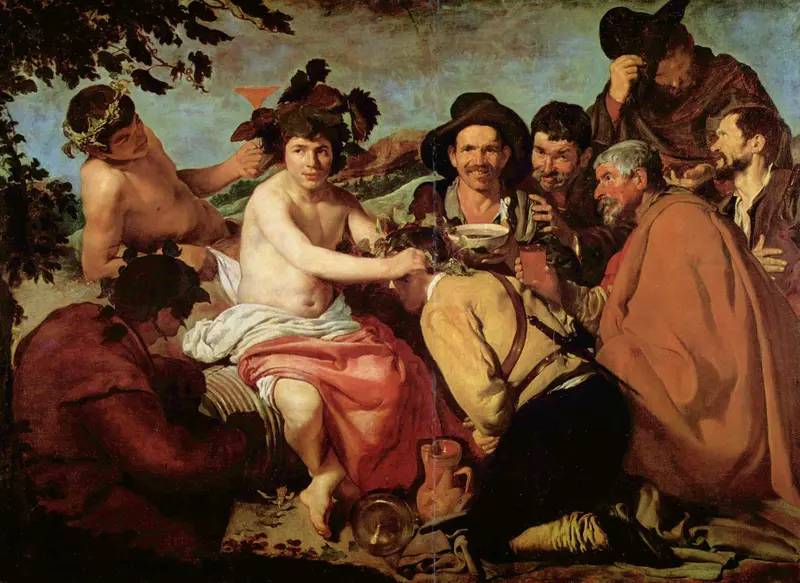
Bacchus
Diego Velázquez
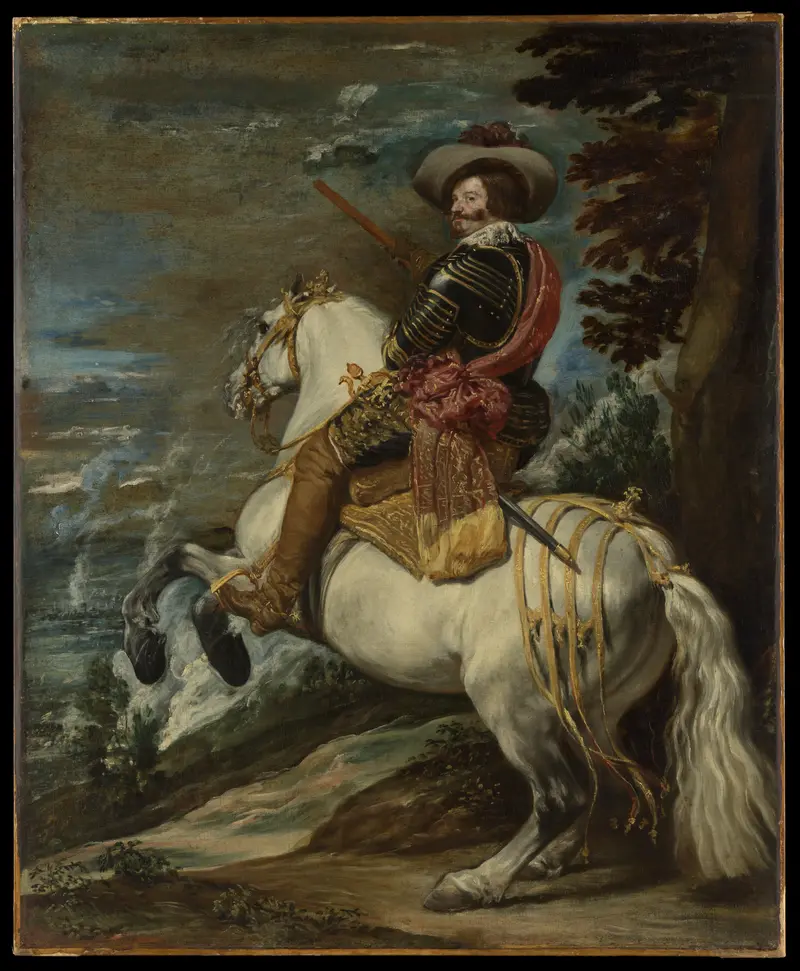
Don Gaspar de Guzmán (1587–1645), Count-Duke of Olivares
Diego Velázquez
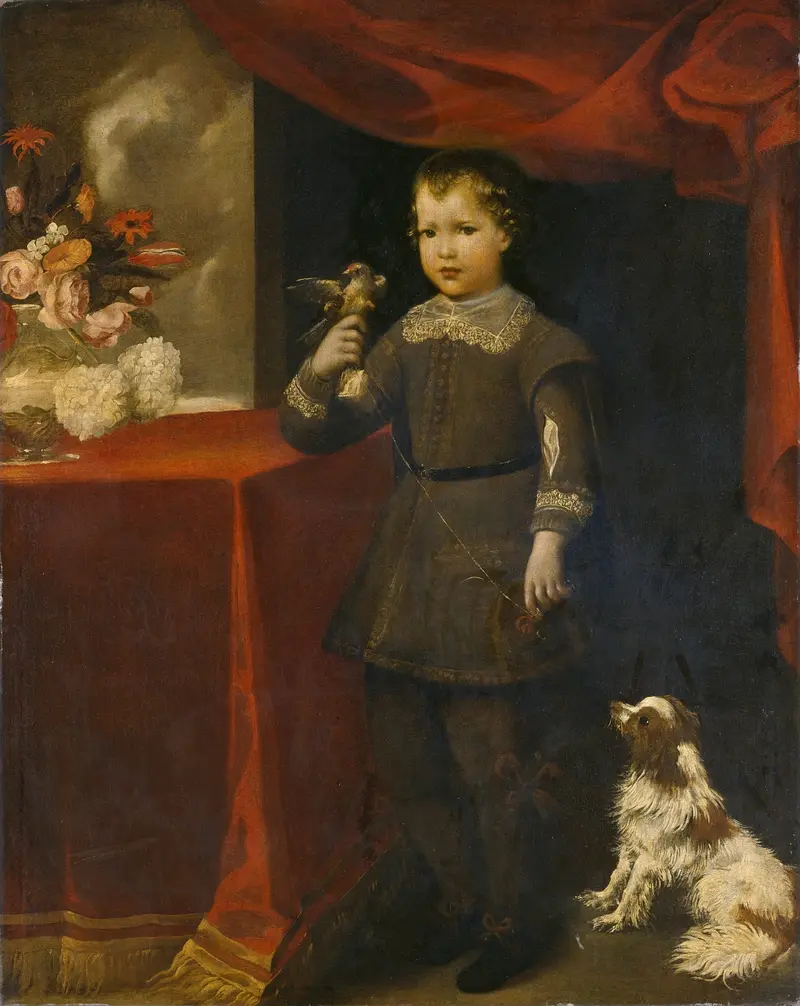
El príncipe Baltasar Carlos de Austria
Diego Velázquez
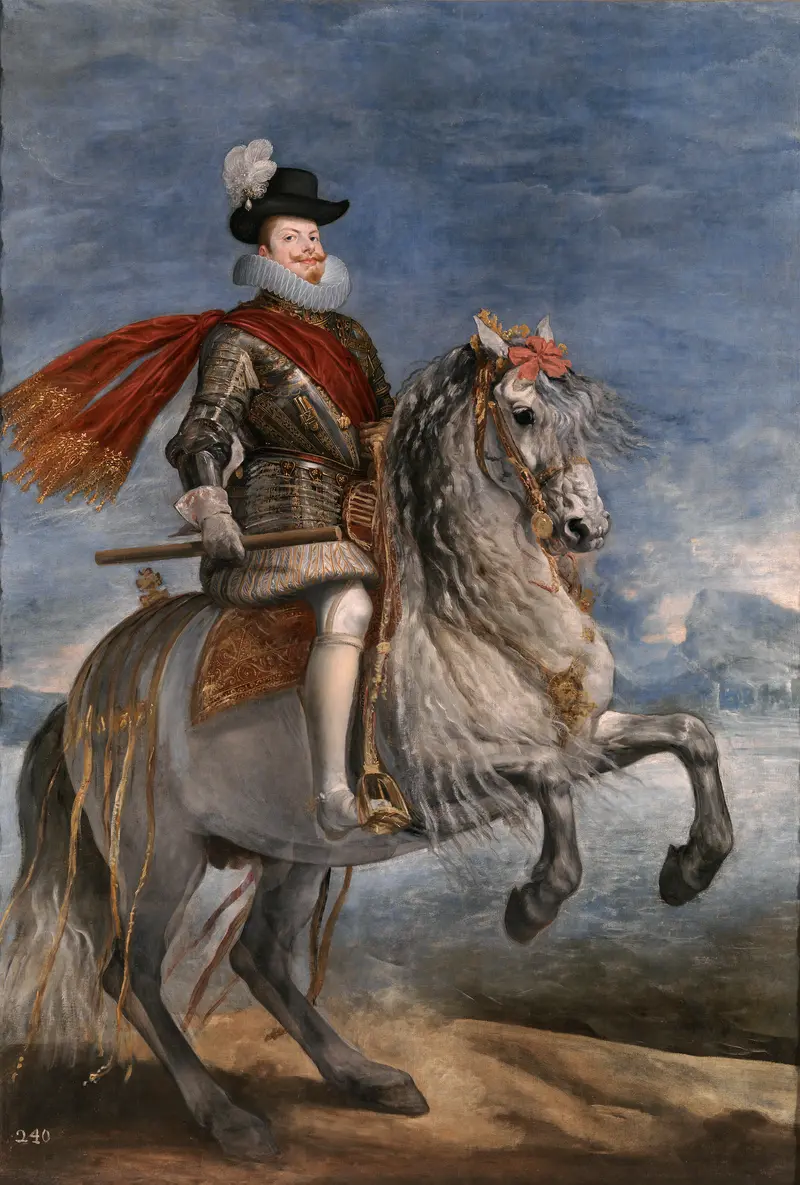
Equestrian Portrait of Philip III
Diego Velázquez
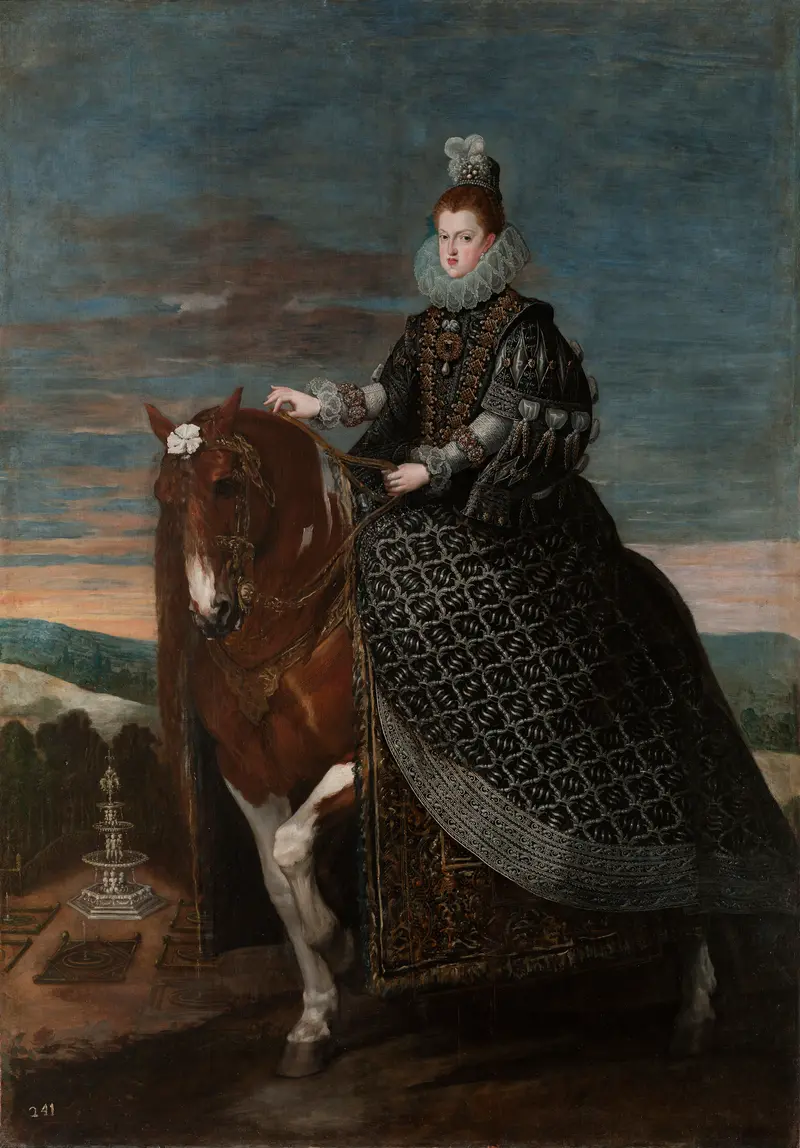
Equestrian Portrait of Margarita of Austria
Diego Velázquez
Las Hilanderas
Diego Velázquez




