
The Cup of Tea (I) — History & Facts
What catches the eye first in The Cup of Tea (I) is the almost architectural clarity with which Fernand Léger constructs a moment of quiet ritual. The figure, rendered in rounded, interlocking forms, seems both monumental and intimate, her faceless head crowned by a single, glossy sweep of hair. The cup, impossibly red, is cradled in hands that are less flesh than geometry, yet the gesture is unmistakably human: the pause before stirring, the anticipation of taste.
Around her, the world is a grid of color and shape—lamps, vases, and tables flattened into a patterned tapestry, as if the everyday has been rebuilt from the ground up. Painted in 1921, this work belongs to a period when Léger was forging his own path out of Cubism, fascinated by the machinery and rhythms of modern life. In Paris after the First World War, artists like Léger were reimagining what painting could do, seeking order and clarity in a world that had been shattered. Here, the domestic scene is not sentimental but almost mechanical, the figure and her surroundings equal participants in a visual symphony of cylinders, stripes, and bold contrasts.
The cup of tea—so ordinary—becomes, in Léger’s hands, a celebration of the new visual language of the twentieth century. Notice how the painting invites you to linger, to decipher its coded forms, and to imagine the quiet pleasure of a pause in a world on the move.
More Artworks by Fernand Léger

The Tugboat Bridge
Fernand Léger
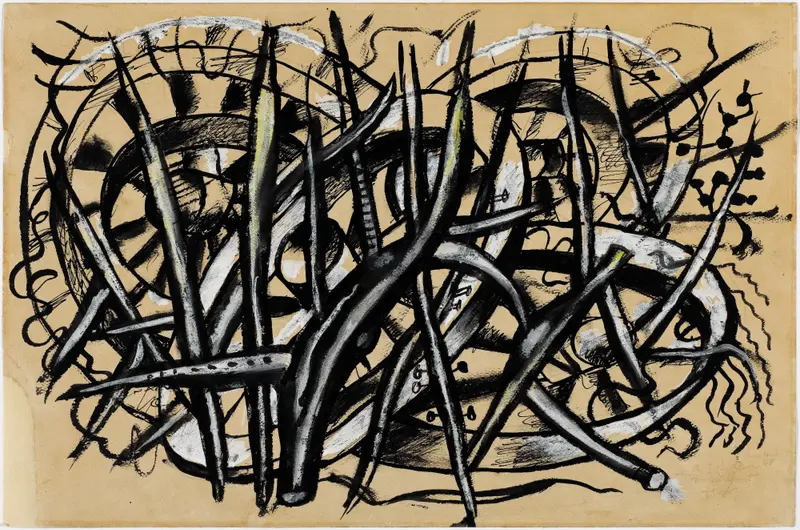
The Wheels
Fernand Léger

Le Cirque Médrano
Fernand Léger
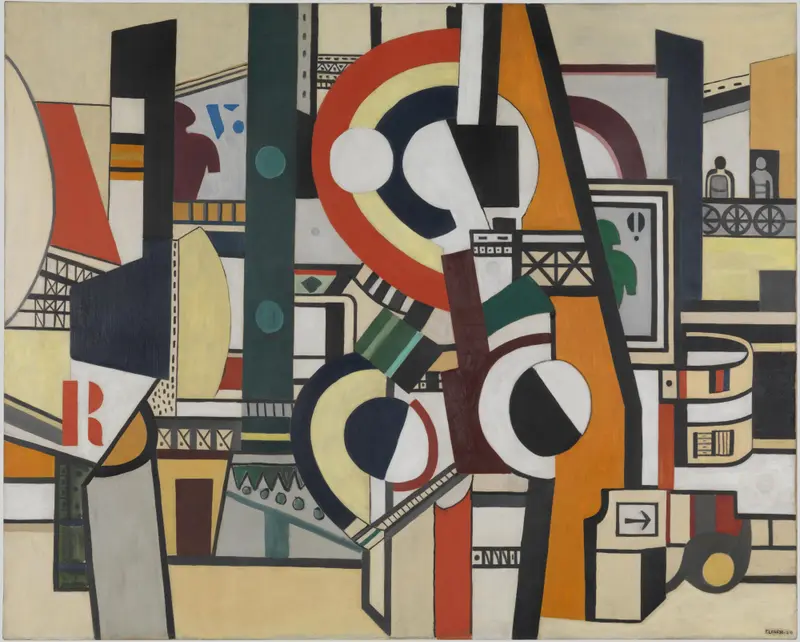
The Disks in the City
Fernand Léger
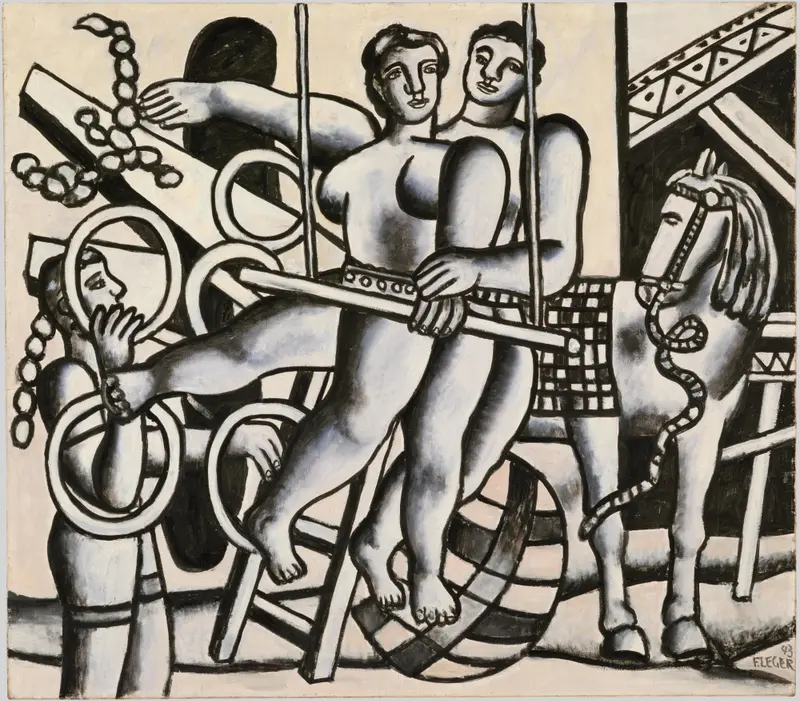
Le Jongleur et les acrobates
Fernand Léger
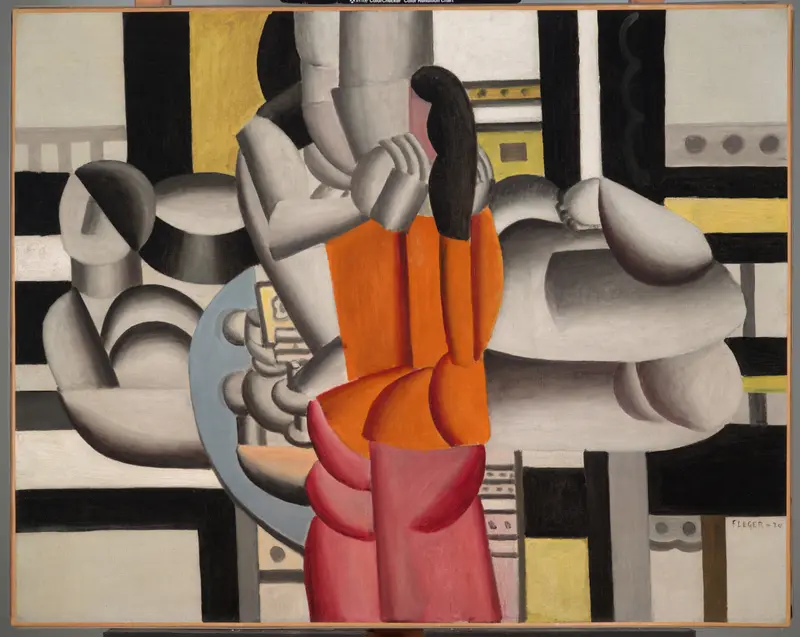
Three Women and Still Life (Déjeuner)
Fernand Léger
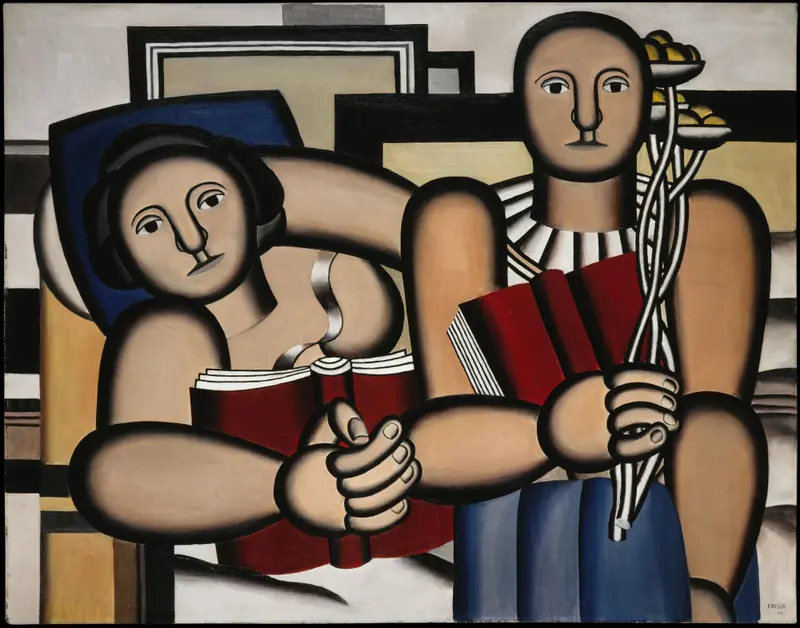
Reading
Fernand Léger
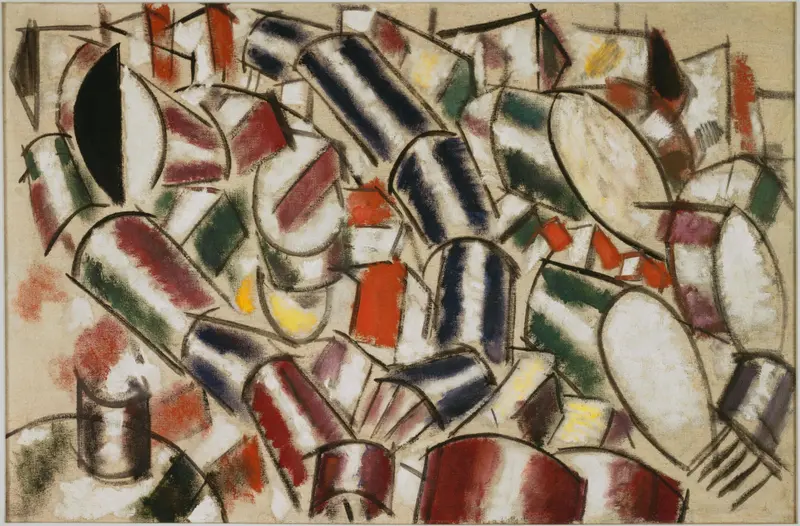
Femme couchée
Fernand Léger
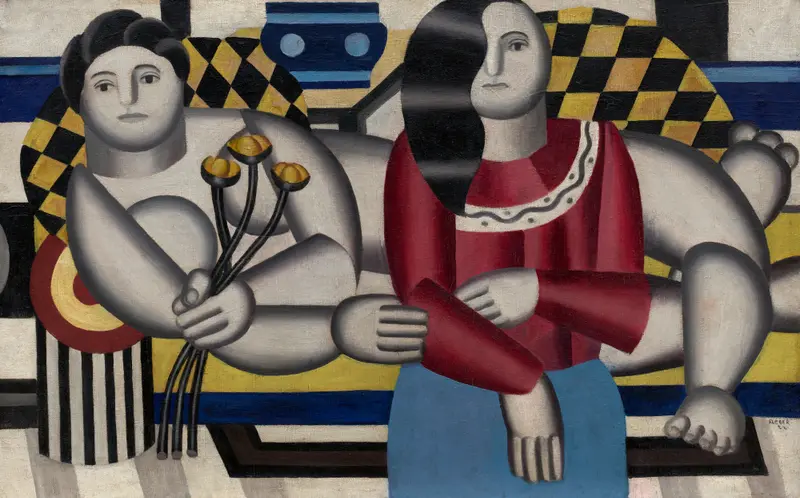
Woman holding flowers
Fernand Léger
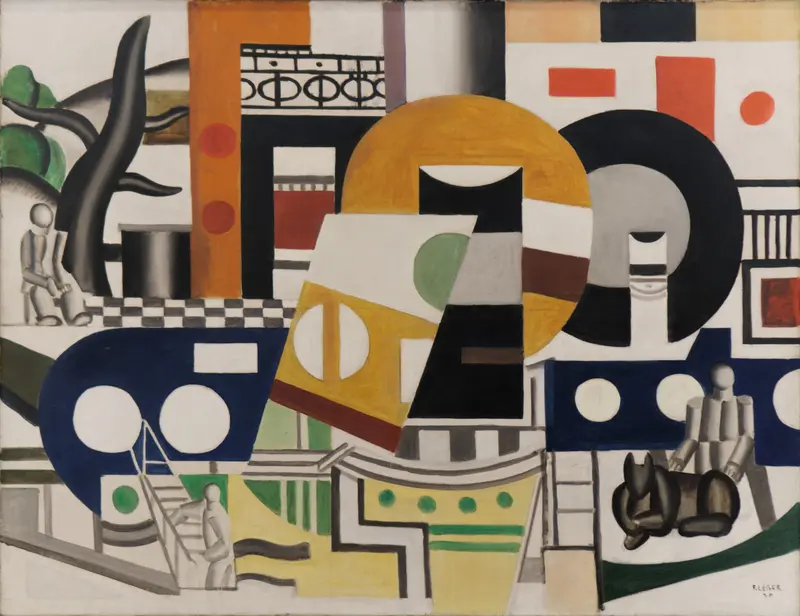
The Tug
Fernand Léger
More Genre Scene Art

Banquet of the Officers of the St George Civic Guard
Frans Hals

Rembrandt and Saskia in the Scene of the Prodigal Son
Rembrandt van Rijn

Bal du moulin de la Galette
Pierre-Auguste Renoir

Quadrille at the Moulin Rouge
Henri de Toulouse-Lautrec

A Burial at Ornans
Gustave Courbet

When Will You Marry?
Paul Gauguin