
The Deluge — History & Facts
A single shaft of light breaks through the storm-dark sky, falling not on a hero, but on a desperate crowd: this is where Adam Elsheimer’s The Deluge grips the viewer. The painting’s energy is immediate—bodies surge toward the viewer, faces turned in panic or prayer, while at the left, a man hoists a child up a tree in a last, futile bid for safety. The drama is not in the flood itself, but in the human scramble to escape it.
Elsheimer’s brushwork is restless, almost feverish, guiding the eye from the tangle of limbs in the foreground to the distant, shadowed procession of animals and families, each figure caught in a different moment of fear or hope. The palette, heavy with browns and ochres, deepens the sense of encroaching doom, while the single patch of sky offers a glimmer of the world beyond disaster. This work belongs to the turn of the seventeenth century, when artists across Europe were drawn to biblical catastrophes as a way to test the limits of narrative and emotion. Paintings like this, especially those based on the Genesis flood narrative, were often commissioned for private devotion or as moral warnings, their crowded compositions inviting viewers to find themselves among the saved or the lost.
Adam Elsheimer, active around 1599-1600, was known for his small, densely populated scenes, and here he packs the canvas with detail, from the livestock trudging through water to the ruined buildings dissolving into the gloom. Now in the collection of the Städelsches Kunstinstitut in Frankfurt, The Deluge survives as a testament to a world both fascinated and unsettled by the threat of divine judgment—inviting us to look closer, and perhaps to wonder where we would stand in the rising waters.
More Artworks by Adam Elsheimer

Saint John the Baptist in the Wilderness
Adam Elsheimer
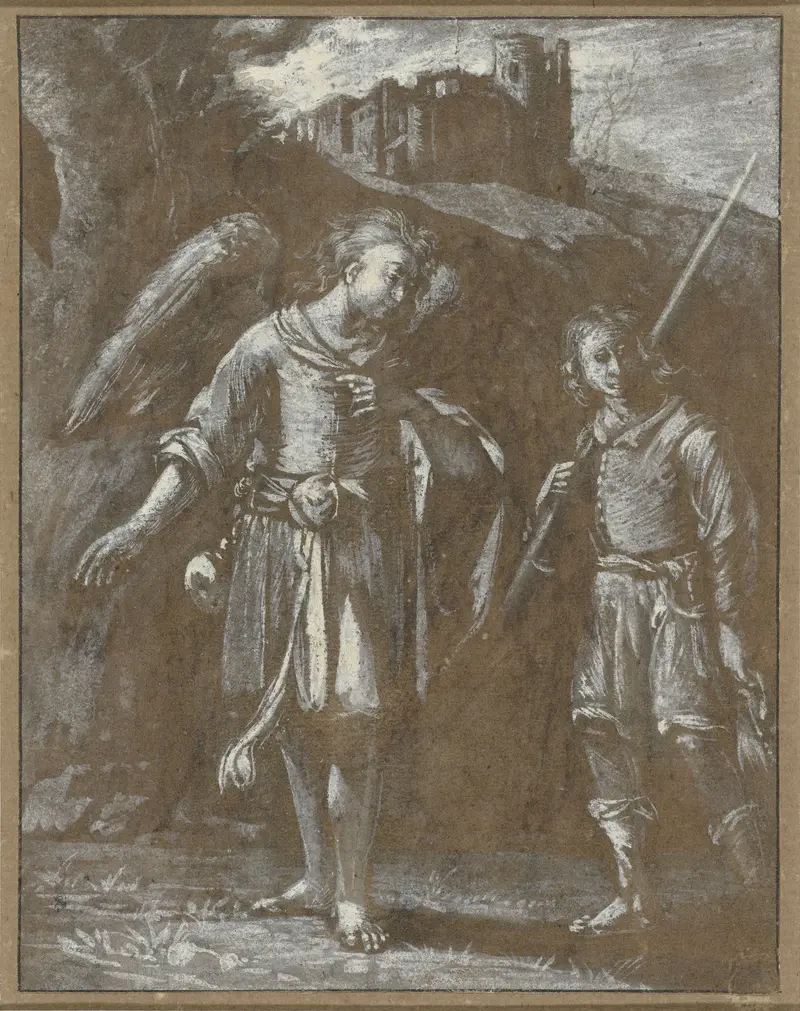
Tobias en de engel
Adam Elsheimer
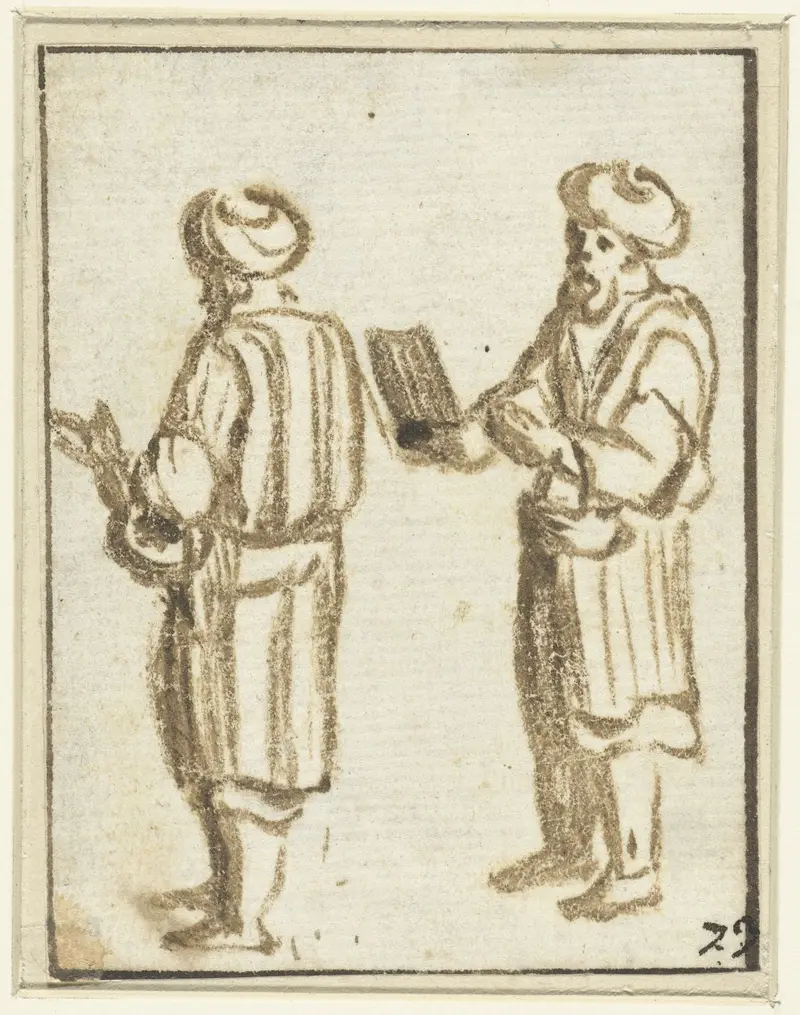
Twee staande mannen met tulbanden
Adam Elsheimer
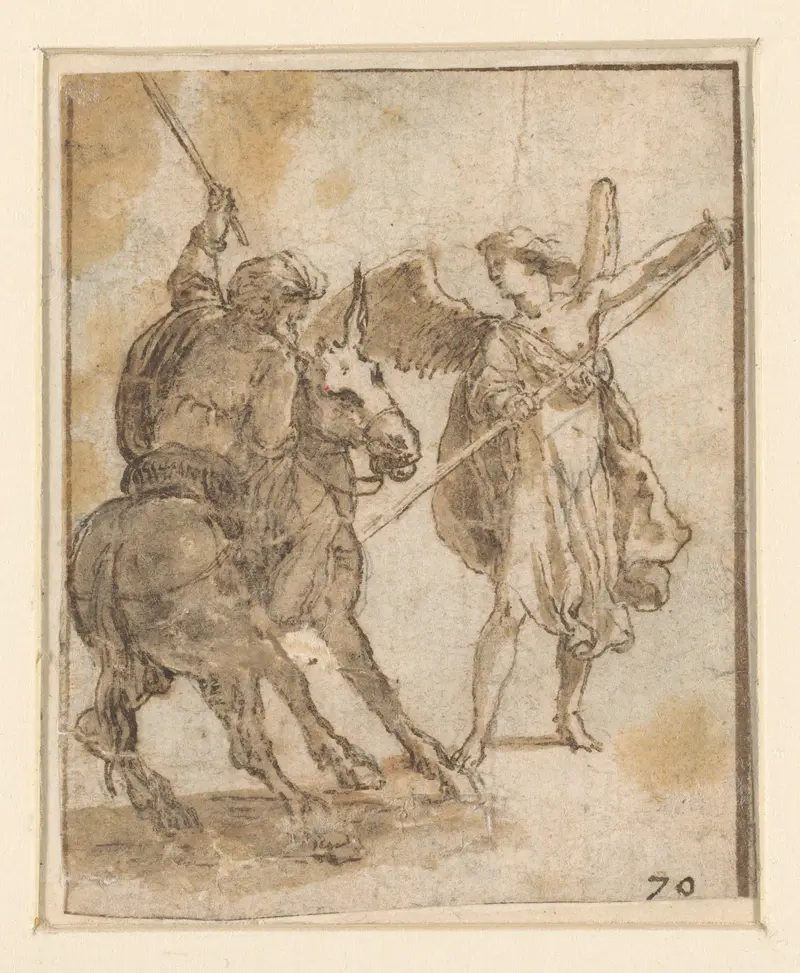
Bileam op zijn ezel ontmoet de engel
Adam Elsheimer
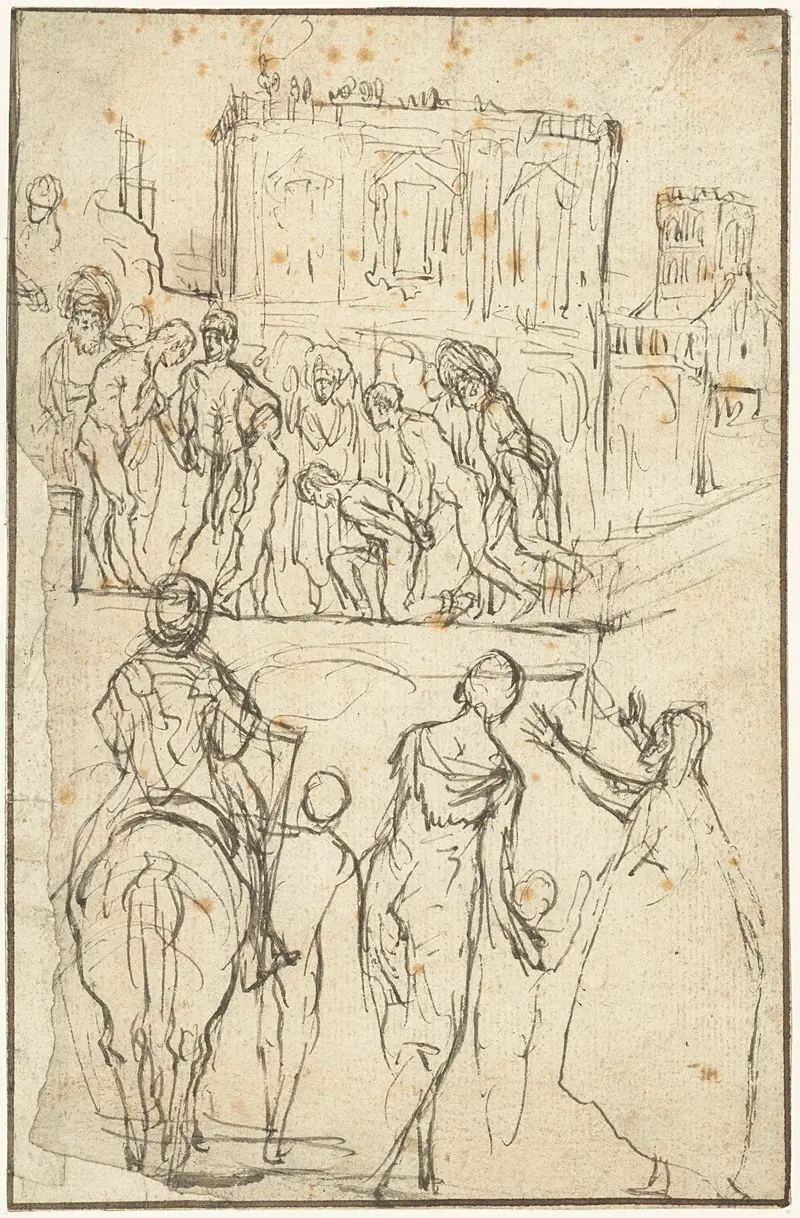
Judgement Scene with a Bound Prisoner
Adam Elsheimer
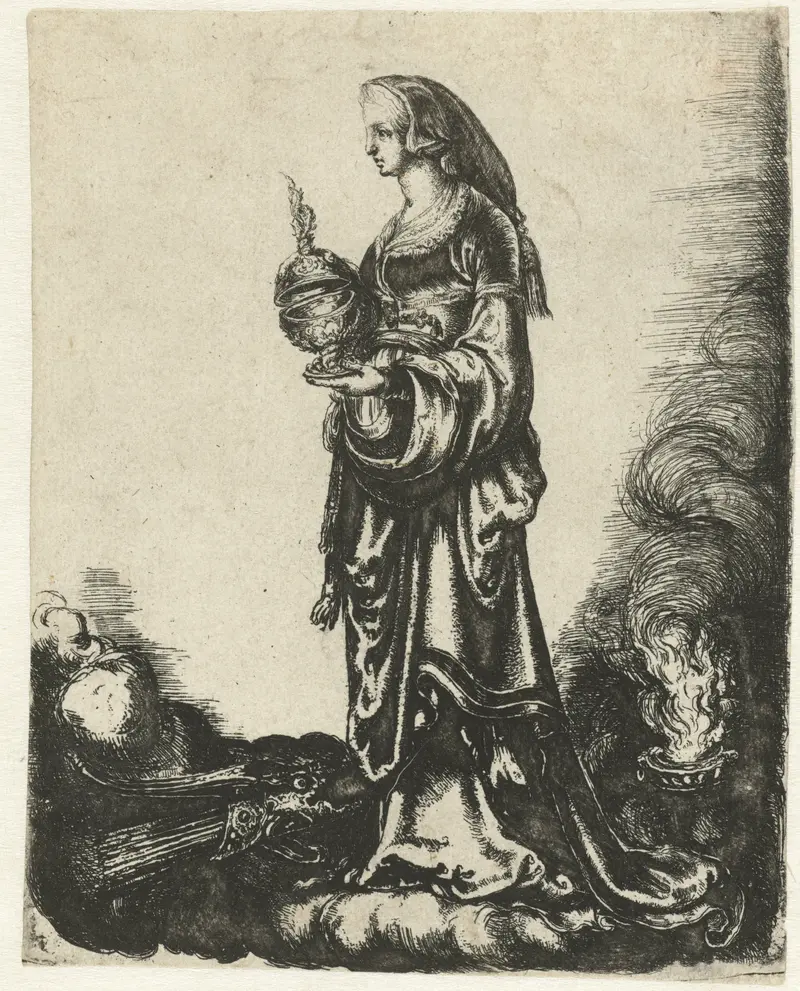
Allegorie met vrouw met beker staand op wolk
Adam Elsheimer
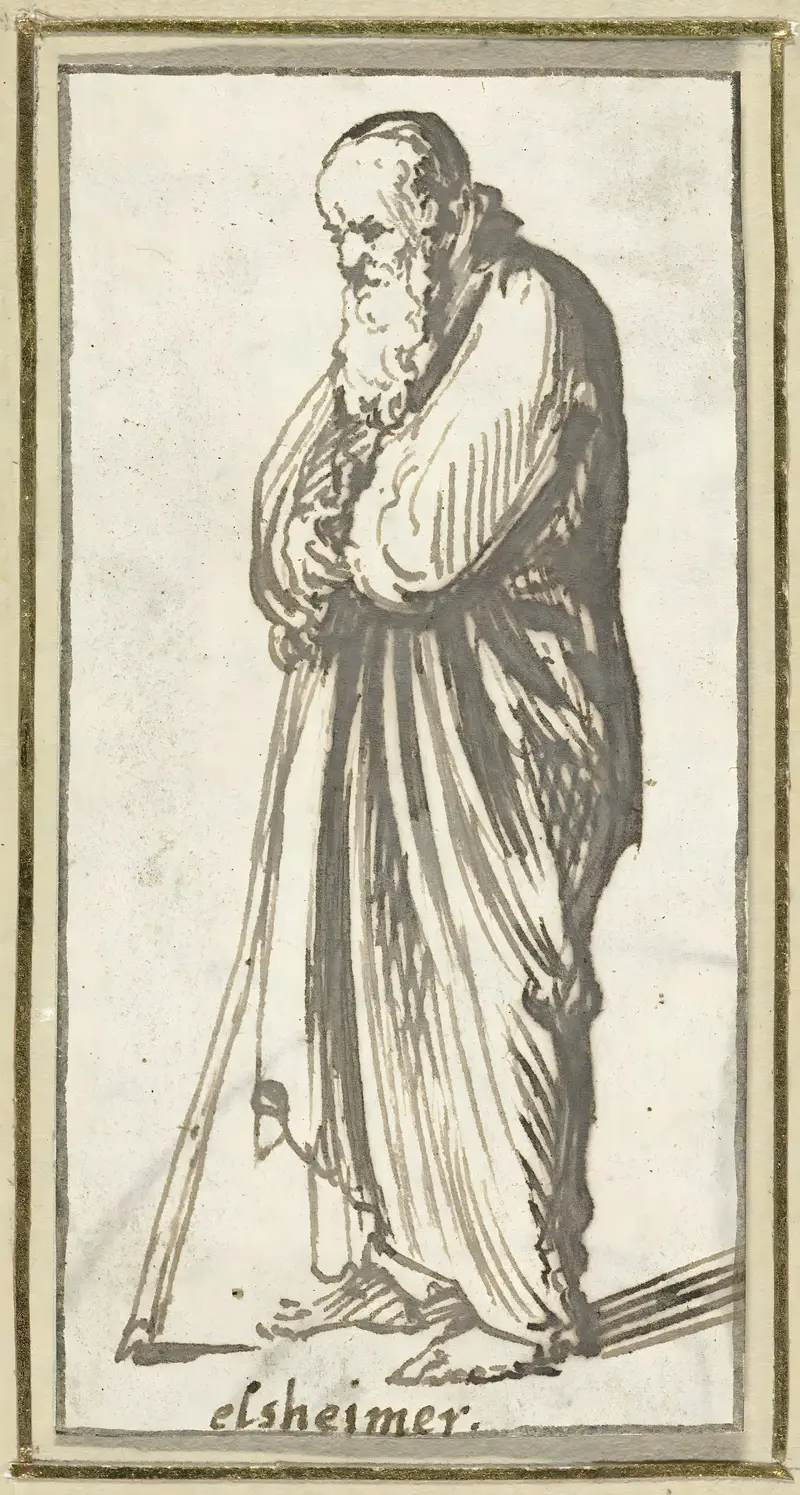
Oude man in lang gewaad
Adam Elsheimer
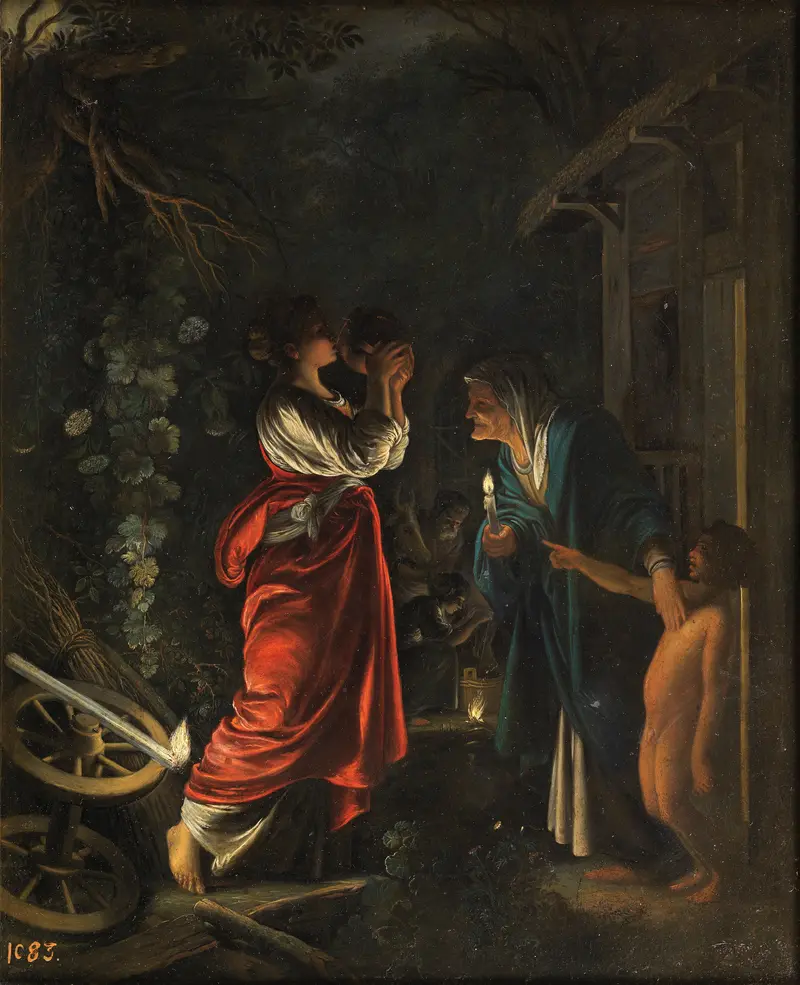
Ceres in the House of Hecuba
Adam Elsheimer
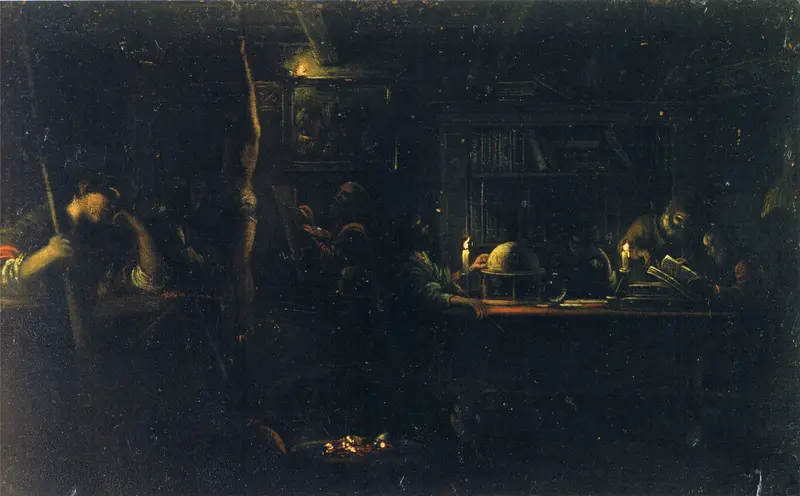
Minerva as patroness of Arts and Sciences
Adam Elsheimer
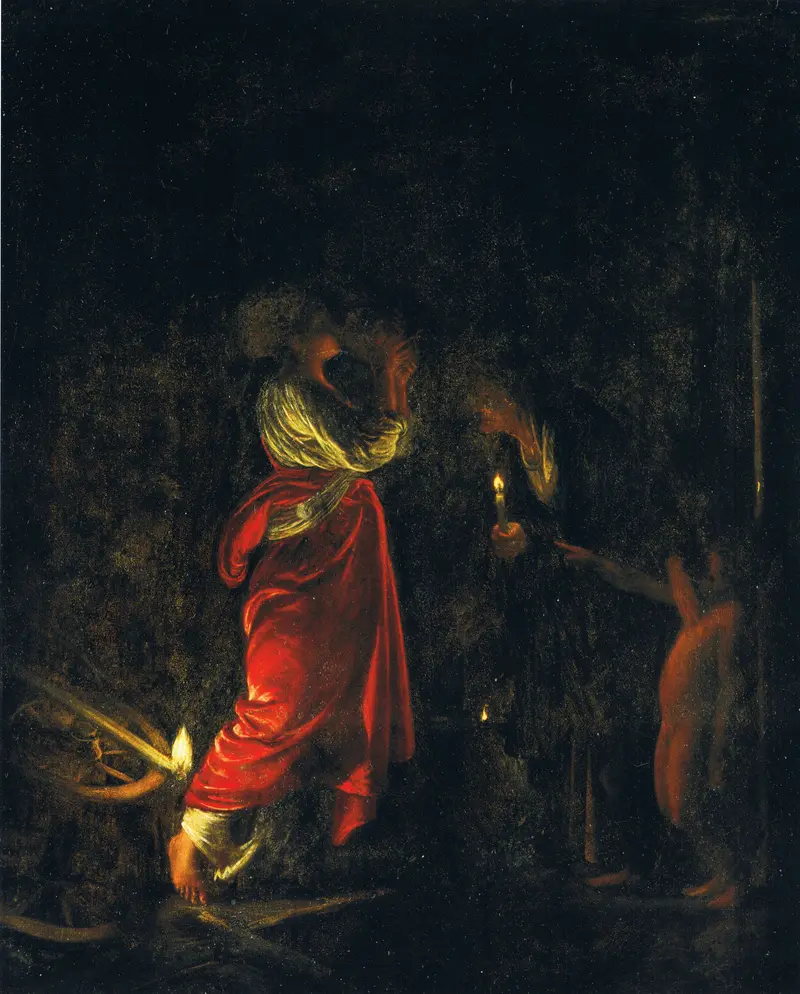
The Mocking of Ceres
Adam Elsheimer





