
The Evening Sun on the Ukamba Savanna — History & Facts
What first catches the eye in The Evening Sun on the Ukamba Savanna is the sheer force of color—an expanse of orange and gold that seems to pulse with the last heat of the day, broken only by cool, violet shadows and the distant blue of mountains. The brushwork is swift and open, giving the savanna a sense of movement and lightness, as if the grasses themselves are trembling in the evening air. A single tree stands to the right, its form simplified, while a scattered herd of antelope arcs across the middle ground, their pale bodies catching the sun in lively dashes of paint.
The artist leads the viewer’s gaze from the foreground’s deep shadow, through clumps of vegetation, and out toward the horizon, where the land meets the sky in a quiet, endless line. Every element is pared down to its essentials, yet the scene feels alive with the hush and promise of dusk. Painted in 1909, this work belongs to a moment when European artists were looking outward, drawn by the landscapes and light of Africa, Asia, and beyond. Akseli Gallen-Kallela was best known for his Finnish subjects, but here he turns his gaze to the Ukamba region, capturing not just its forms but its atmosphere—an approach that echoes trends in early twentieth-century landscape painting, where artists sought to distill the essence of place rather than its photographic likeness.
Such paintings were often created as studies or souvenirs of travel, intended for patrons or for the artist’s own reflection. The bold palette and loose handling speak to the influence of Post-Impressionism and the freedom artists found in painting far from home. History has kept few traces of this particular journey, but the painting remains as a vivid record—inviting us to linger in the long light of an African evening, and to imagine the world just beyond the edge of the frame.
More Artworks by Akseli Gallen-Kallela
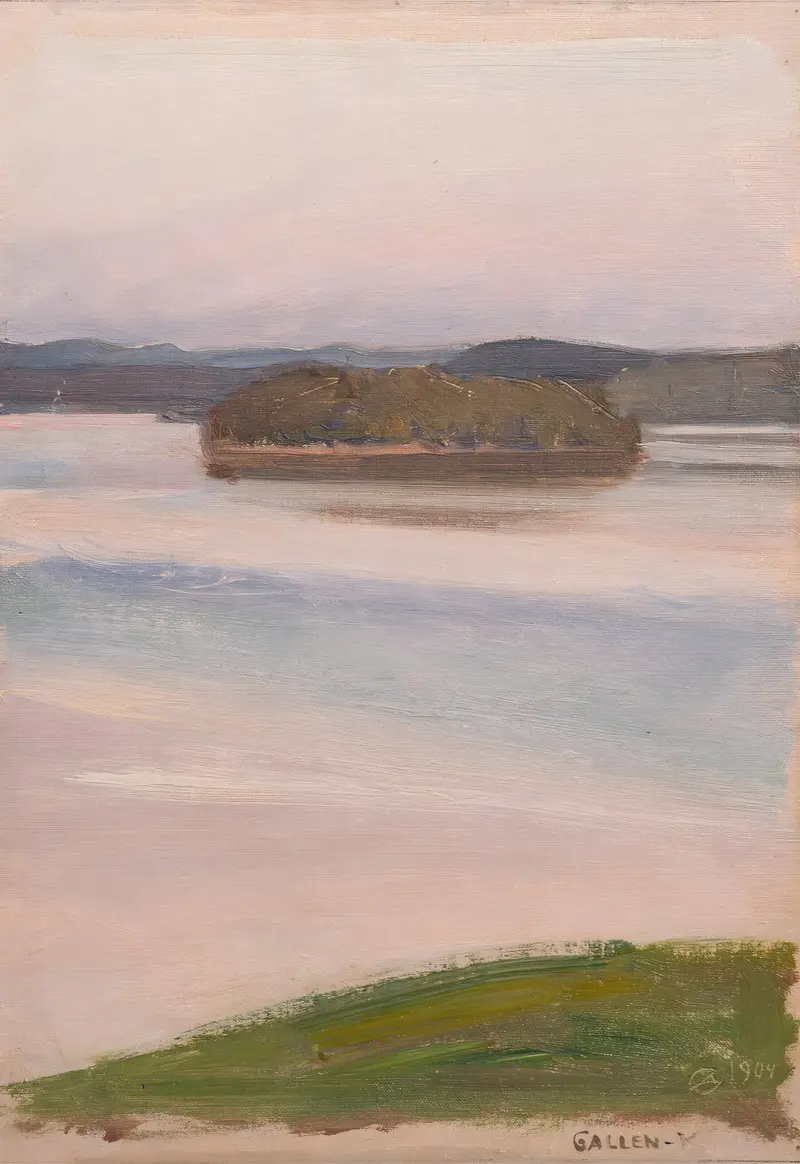
Lake Keitele
Akseli Gallen-Kallela
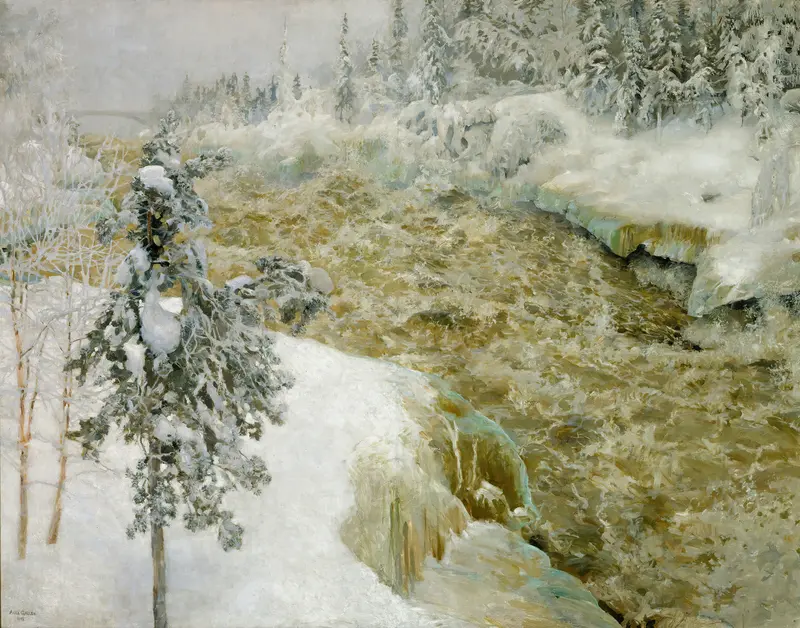
Imatra Falls in Snow ; Imatra in Winter
Akseli Gallen-Kallela
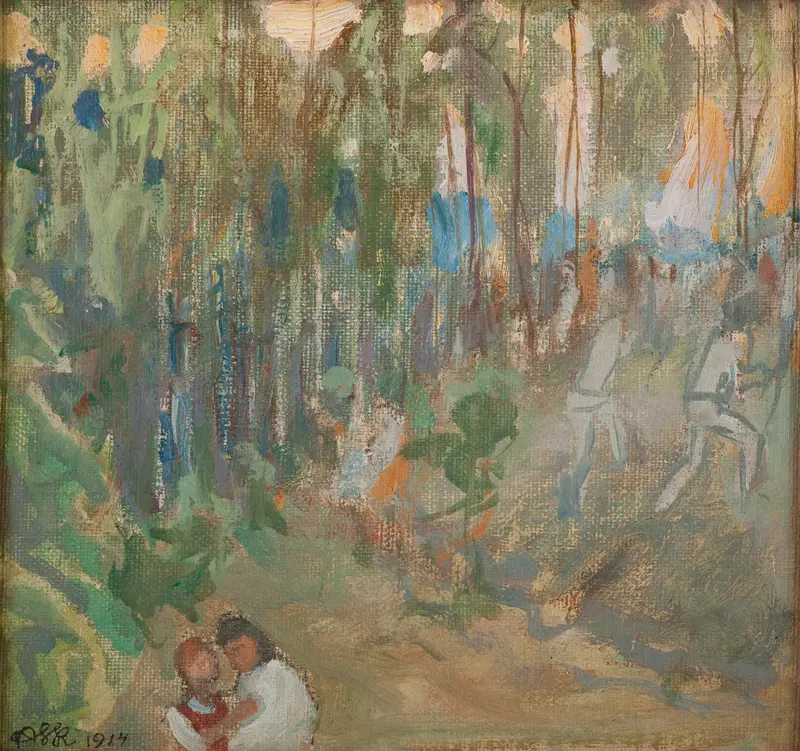
Vainovalkeat
Akseli Gallen-Kallela
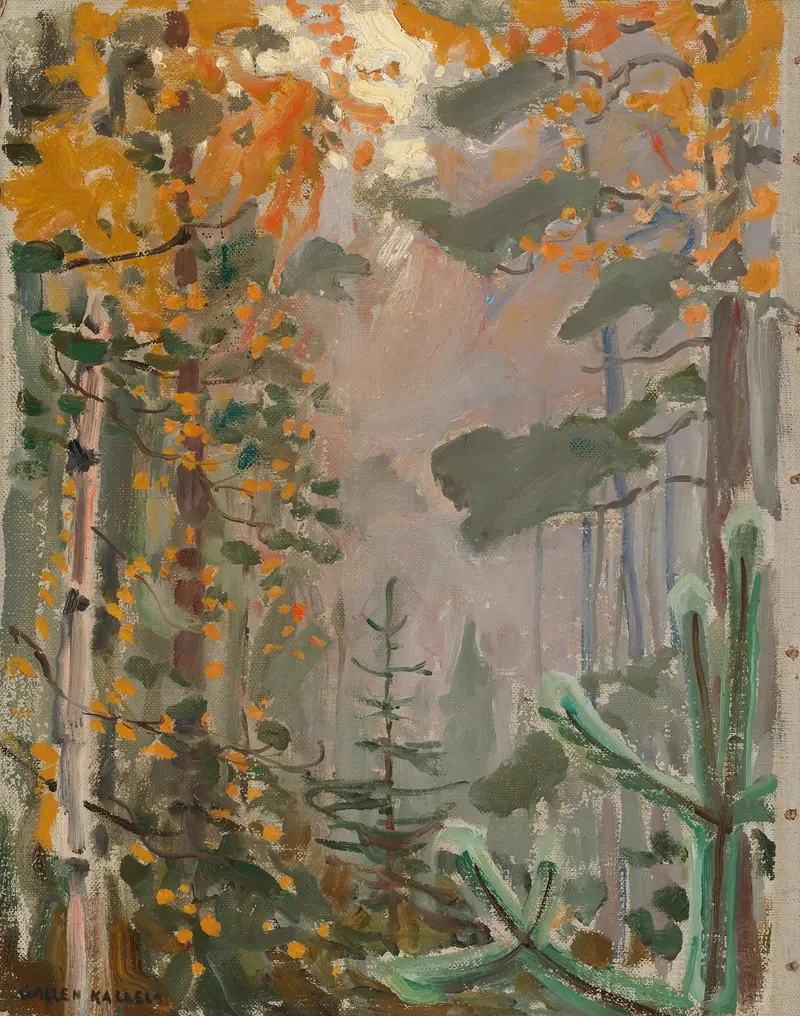
Autumn Landscape
Akseli Gallen-Kallela
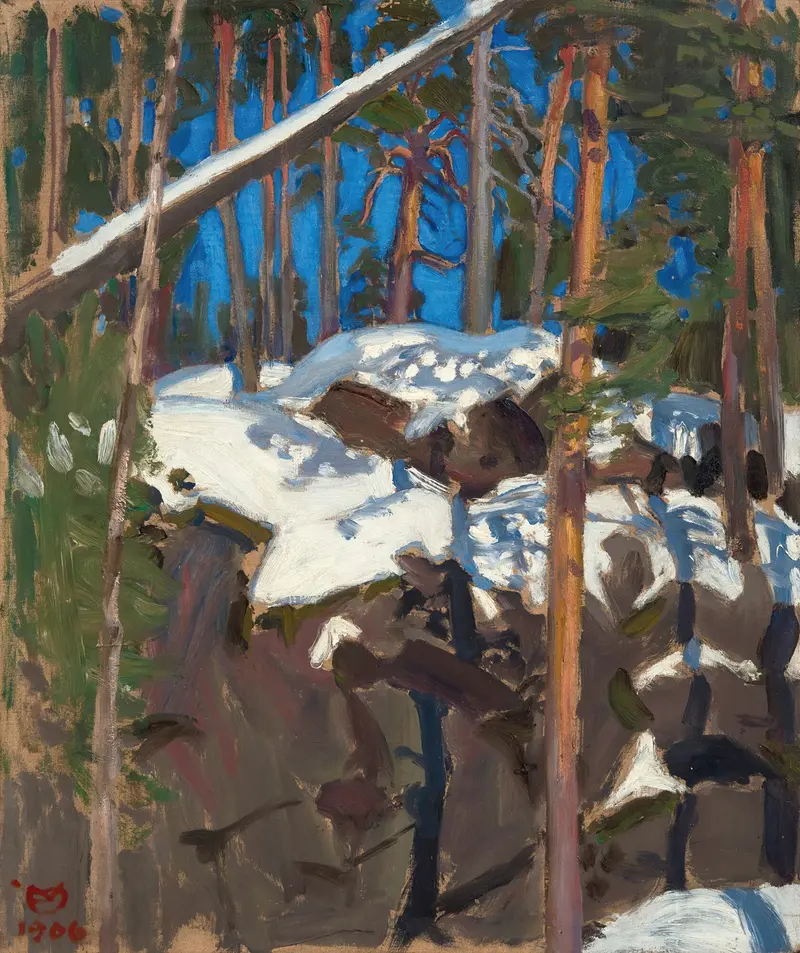
Spring Sun At Konginkangas
Akseli Gallen-Kallela
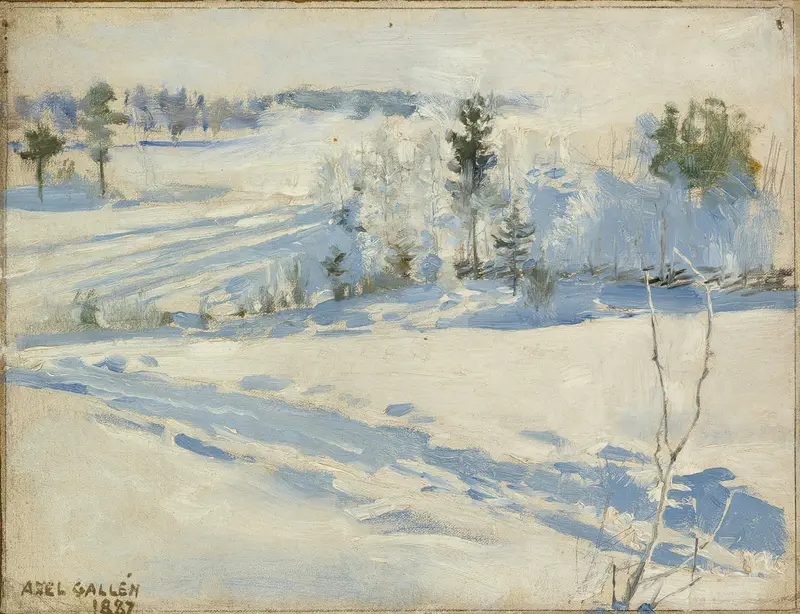
Winter Landscape
Akseli Gallen-Kallela

First Snow
Akseli Gallen-Kallela
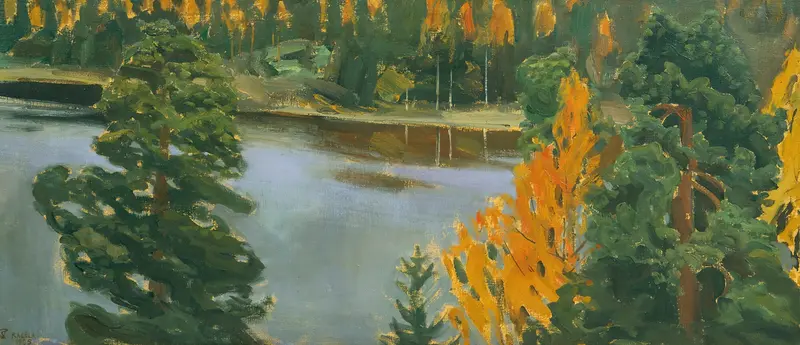
Lake View In Autumn
Akseli Gallen-Kallela
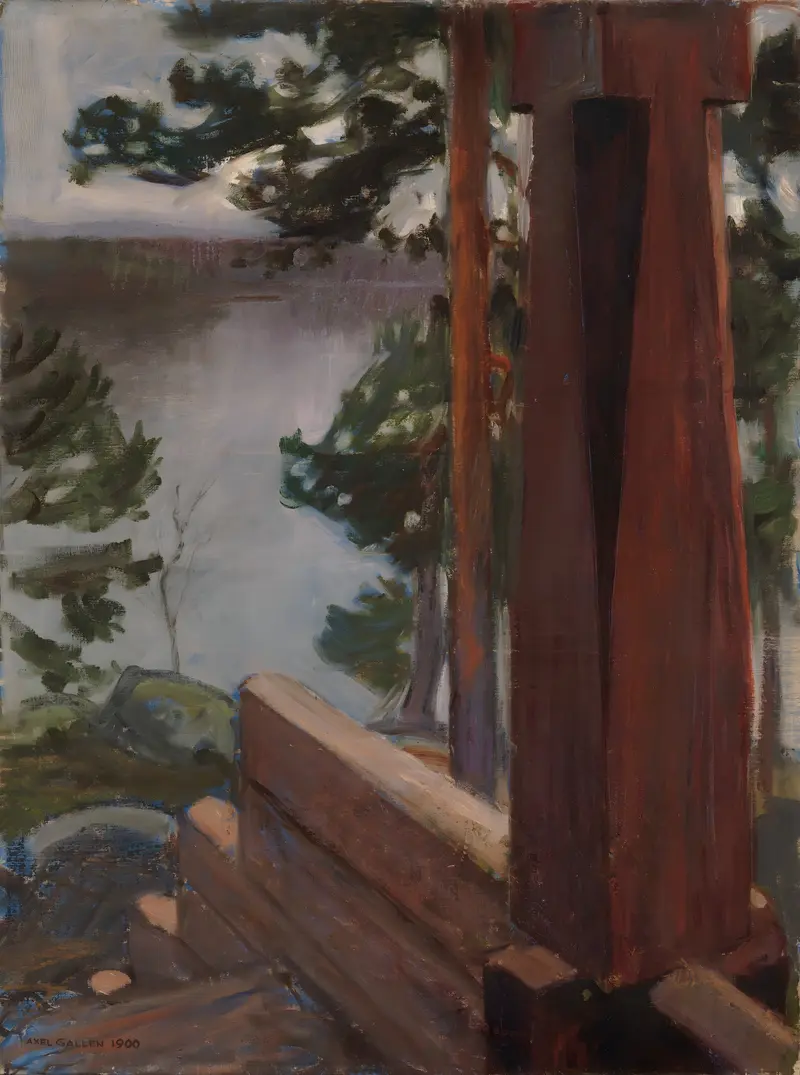
The Kalela Porch
Akseli Gallen-Kallela

Light Behind The Clouds
Akseli Gallen-Kallela
More Landscape Art

The Starry Night
Vincent van Gogh

View of Delft
Johannes Vermeer

Water Lilies
Claude Monet

The Grand Canal, Venice, looking north-west from the Ca' Corner to the Ca' Contarini degli Scrigni, with the campanile of Santa Maria della Carità
Canaletto

Windsor Castle
Canaletto

The Grand Canal looking North-East from the Palazzo Dolfin-Manin to the Rialto Bridge
Canaletto