
The Expulsion of Adam and Eve from the Garden of Paradise (Paradise Lost) — History & Facts
When Alexandre Cabanel unveiled The Expulsion of Adam and Eve from the Garden of Paradise (Paradise Lost) at the Paris Salon of 1867, critics immediately recognized its ambitious scale and emotional intensity. The painting arrived at a moment when French artists were fiercely debating how to represent biblical subjects in a modern, psychological way. Cabanel, already celebrated for his sensual The Birth of Venus, here turned to the tragedy of humanity’s first exile, choosing a moment of raw despair rather than the usual divine wrath.
This choice set his work apart from the more heroic or didactic versions by earlier painters, and it quickly became a touchstone for discussions about the intersection of academic technique and spiritual drama. The scene captures Adam and Eve at the very instant they are driven from Eden, their bodies illuminated by a cold, unforgiving light as an angel, sword raised, ushers them into a barren world. Adam covers his face, his muscular form bent in shame and grief, while Eve clings to him, her expression a mixture of fear and sorrow. The lush paradise they leave behind is glimpsed only at the painting’s edge, already receding into shadow.
Cabanel’s angel, with its flaming sword and stern gaze, is not a figure of comfort but of irrevocable judgment. Unlike Masaccio’s Expulsion from the Garden of Eden, which emphasizes the couple’s naked vulnerability, Cabanel’s version dwells on the psychological rupture—the moment when innocence gives way to knowledge and regret. The precise early history of this painting is not fully documented, but it is known that The Expulsion of Adam and Eve from the Garden of Paradise (Paradise Lost) was exhibited in Paris and likely entered a private collection soon after. It stands as a significant example of Cabanel’s mature period, when he was a professor at the École des Beaux-Arts and a leading figure in the French academic tradition.
The painting’s fate after the 19th century is less clear, with its current location and ownership the subject of ongoing scholarly interest. Nevertheless, it remains an important testament to the era’s fascination with biblical themes and the enduring power of myth reimagined through the lens of contemporary emotion.
More Artworks by Alexandre Cabanel
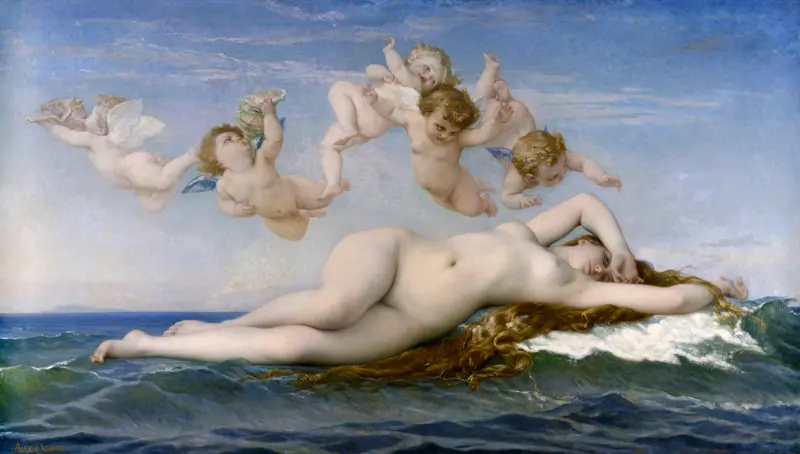
The Birth of Venus
Alexandre Cabanel
Phèdre
Alexandre Cabanel
La veuve du maître de chapelle
Alexandre Cabanel
Portrait de M. Pierre Cabanel
Alexandre Cabanel
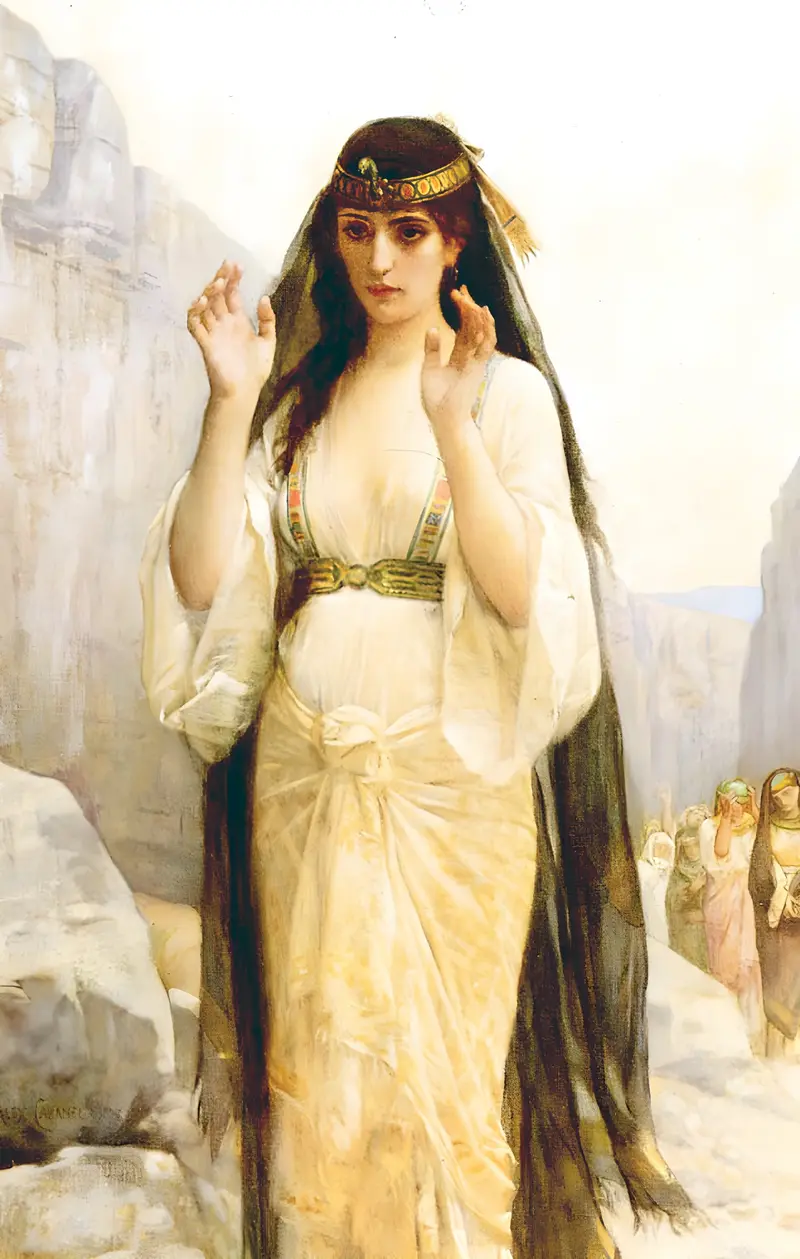
The Daughter of Jephthah
Alexandre Cabanel
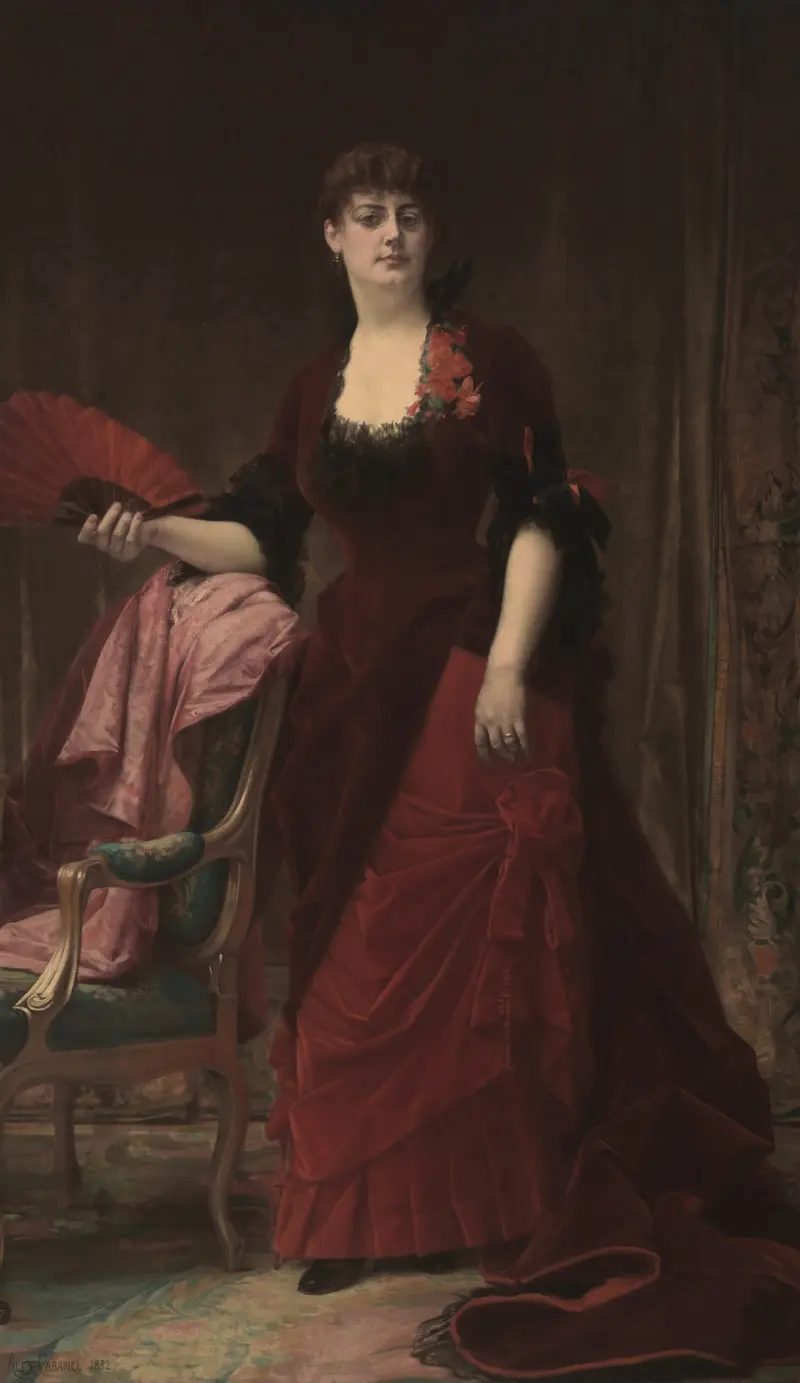
Portrait of Arabella Worsham (later Arabella Huntington)
Alexandre Cabanel
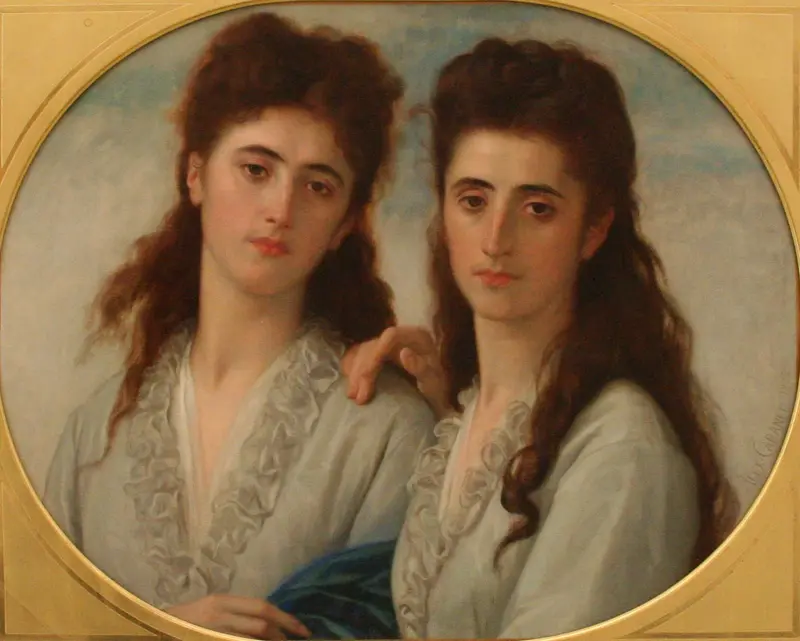
Portrait de mesdemoiselles Sophie et Berthe Cabanel
Alexandre Cabanel
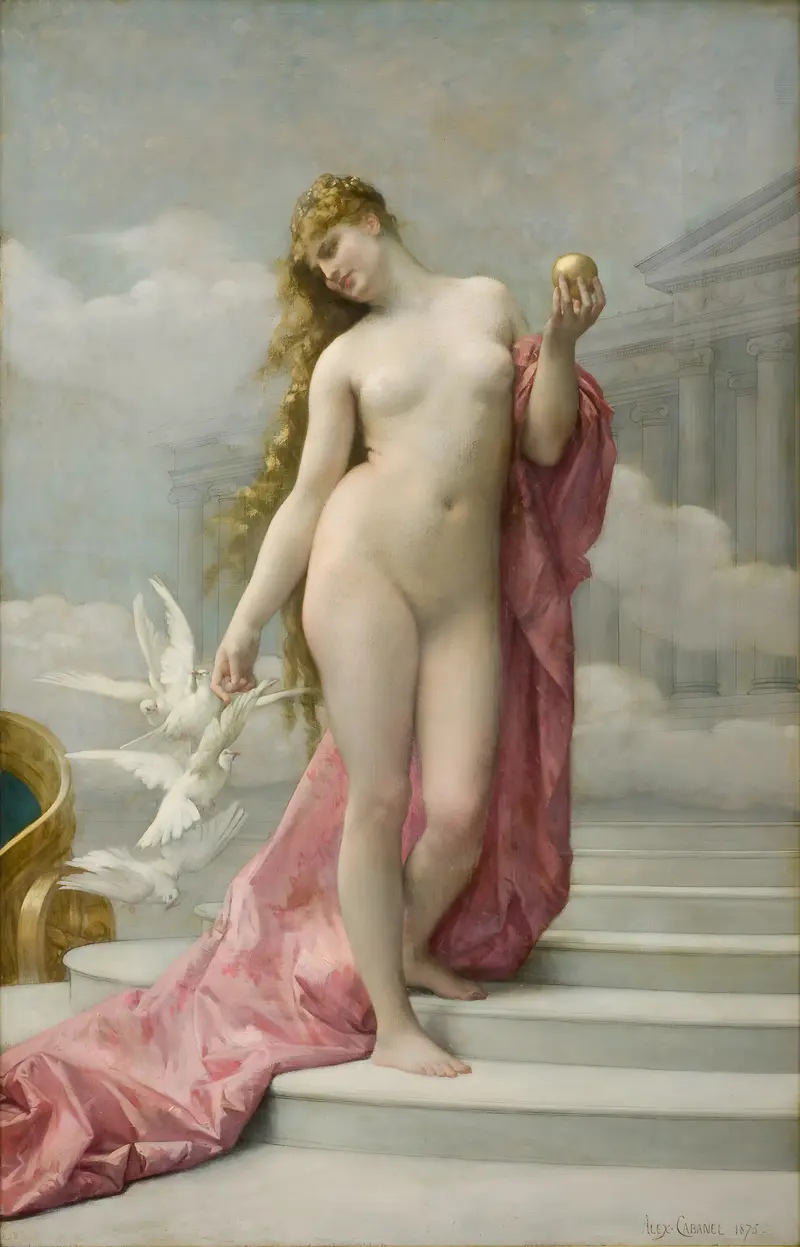
Vénus victorieuse
Alexandre Cabanel
Judith
Alexandre Cabanel
Catharine Lorillard Wolfe (1828–1887)
Alexandre Cabanel





