
The Fairies — History & Facts
A gathering shimmers at the heart of The Fairies, where figures seem to emerge and dissolve in a haze of light and shadow. At first glance, the scene is nearly lost in a mist of brushwork, but as your eyes adjust, faces and gestures begin to surface: a cluster of elegantly dressed women, their forms melting into one another, a child at their feet, and a dog caught mid-motion. The figures are less described than conjured, their presence defined by the flickering whites and silvery grays that pulse against a nearly impenetrable darkness.
The effect is not one of clarity, but of enchantment—like a memory half-remembered or a tale whispered at dusk. Painted between 1870 and 1880, this work belongs to a moment when artists like Adolphe Monticelli were pushing the boundaries of what painting could do, embracing thick impasto and blurred contours to evoke mood over narrative. In the France of Monticelli’s day, such scenes—part fantasy, part society gathering—were prized by a new class of collectors eager for art that offered escape and atmosphere. Little is recorded about the specific journey of this painting, now in the collection of the Art Institute of Chicago, but its very obscurity invites us to linger.
Each time you return to the canvas, another detail emerges from the darkness, as if the fairies themselves are inviting you into their world.
More Artworks by Adolphe Monticelli

Portrait of a Lady
Adolphe Monticelli
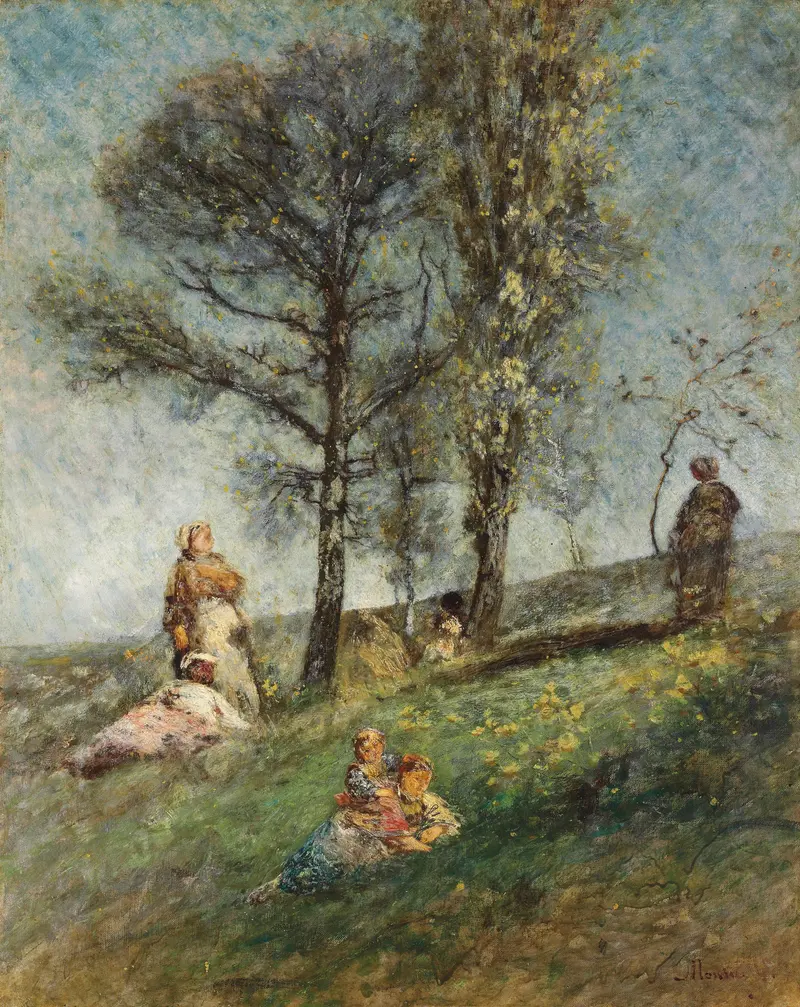
A Young Family Under Trees On A Hill
Adolphe Monticelli

Fête d'Après-Midi
Adolphe Monticelli
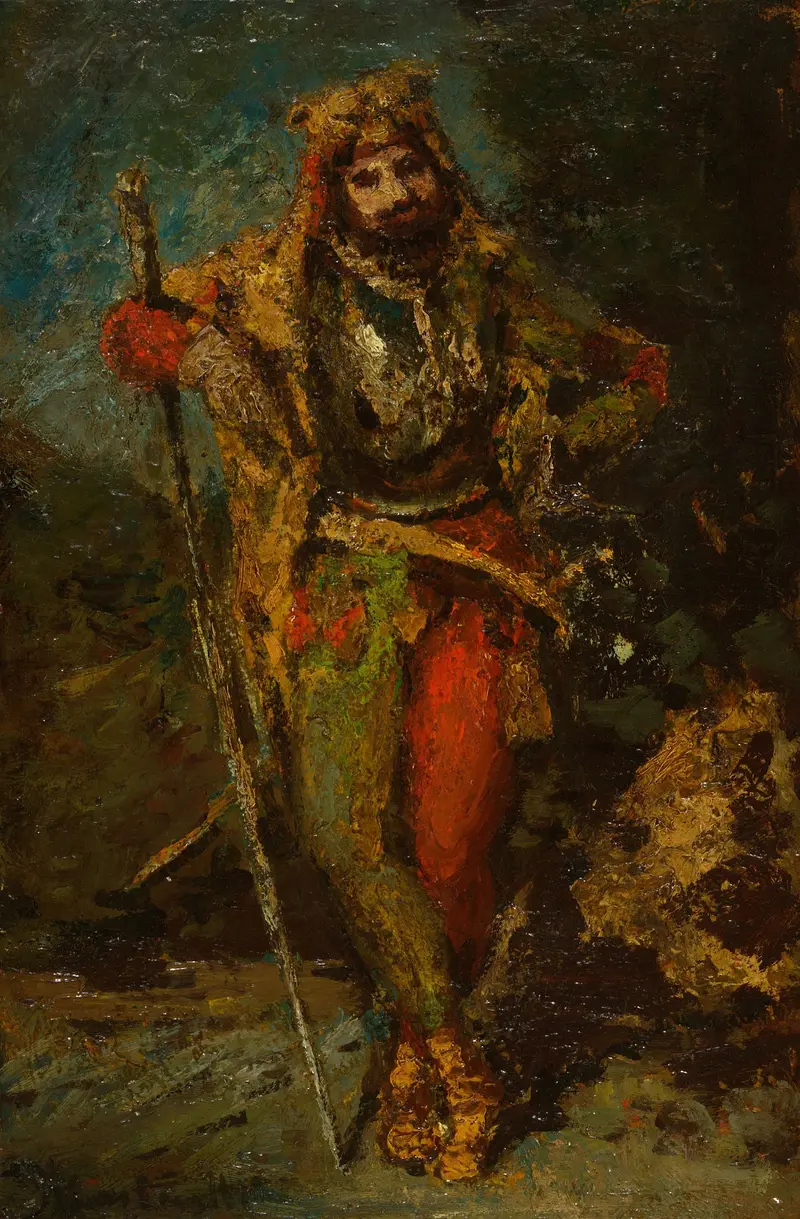
Mephisto from the Opera Faust
Adolphe Monticelli
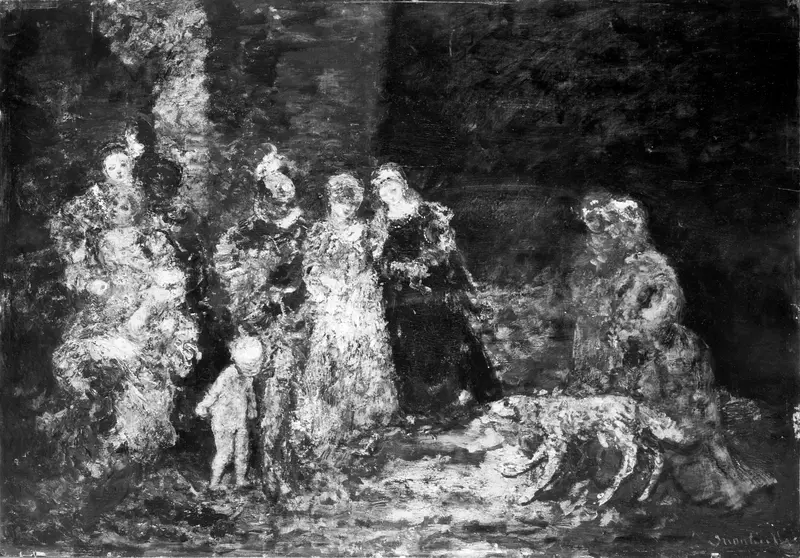
The Fairies
Adolphe Monticelli
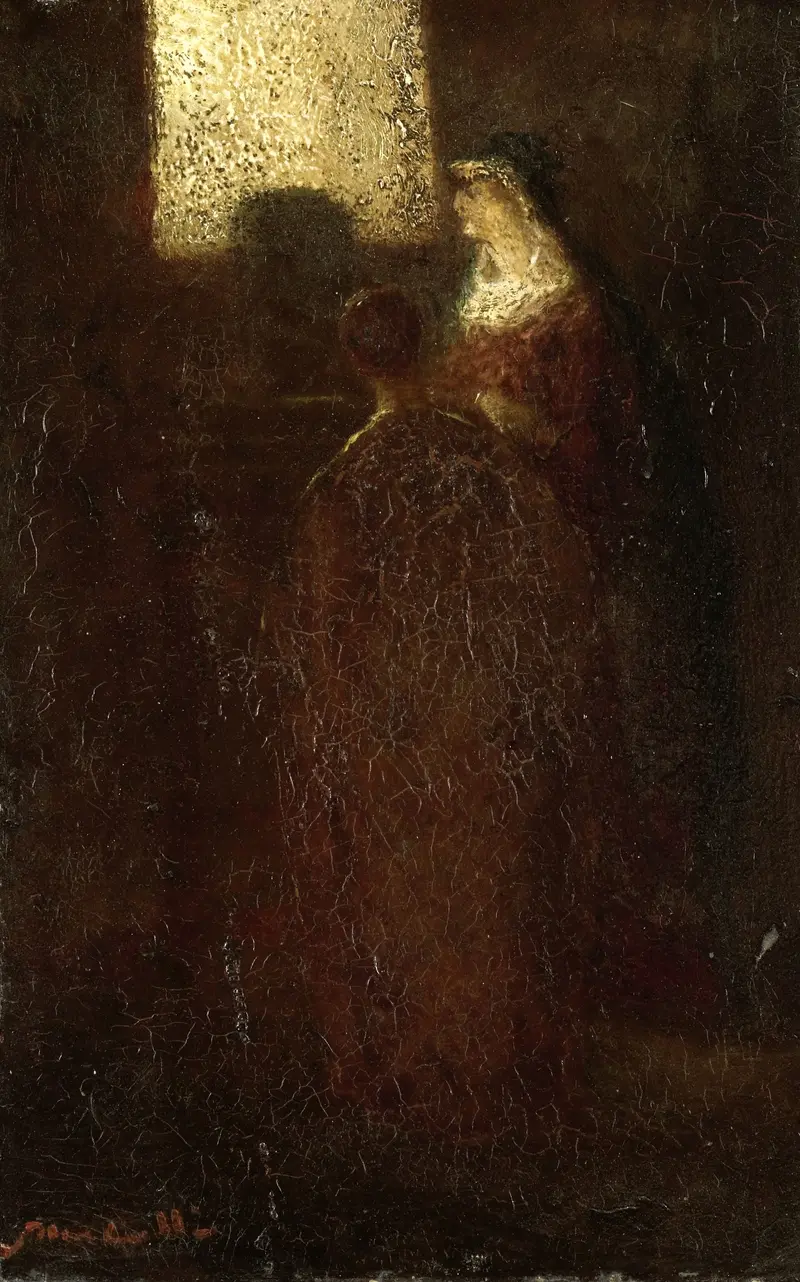
Aan het altaar
Adolphe Monticelli
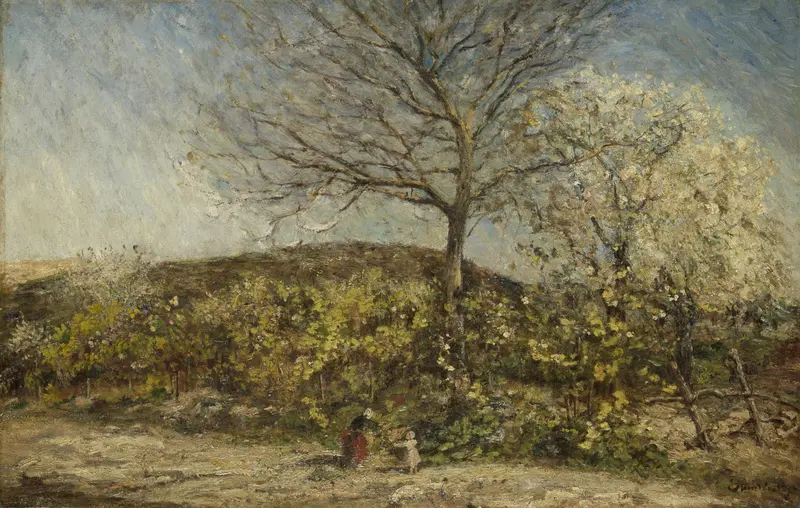
Landschap met bloeiende boomgaard
Adolphe Monticelli
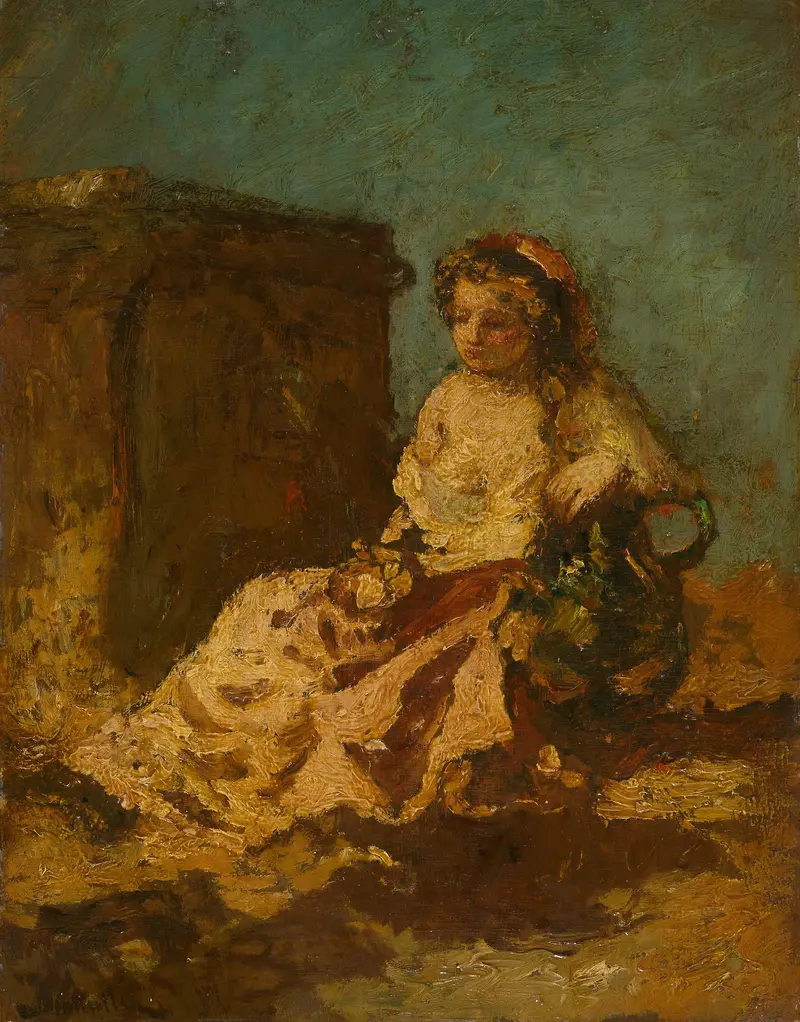
Meditation (Seated Woman)
Adolphe Monticelli
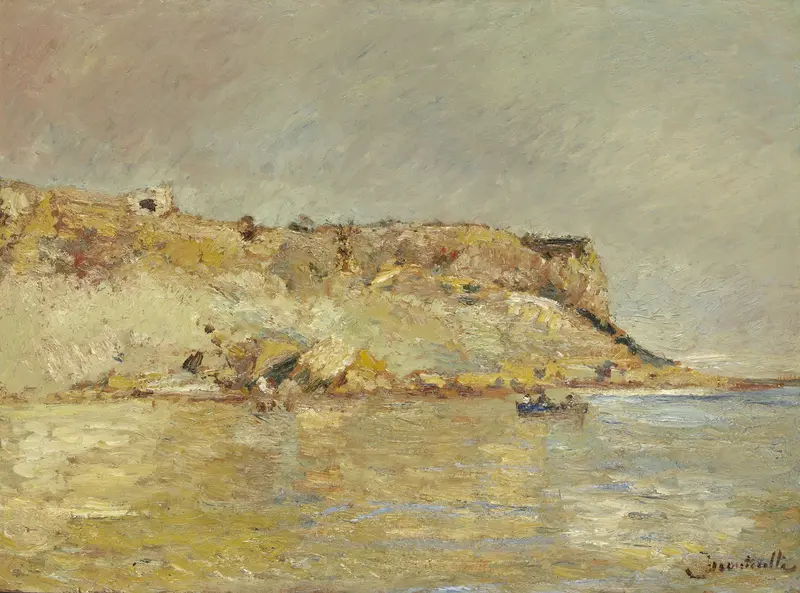
Coastal Mountains
Adolphe Monticelli
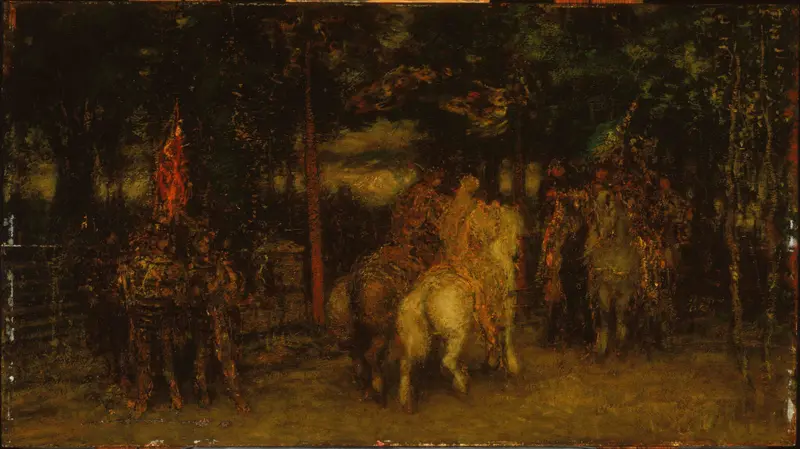
Landscape with Figures
Adolphe Monticelli





