
The Fall of the Rebel Angels — History & Facts
No other artist of the nineteenth century captured the feverish drama of celestial warfare quite like Gustave Doré in his The Fall of the Rebel Angels, created in 1866. Doré was already renowned for his illustrations of The Divine Comedy and Paradise Lost, and this work stands as a testament to his obsession with the cosmic battles between good and evil. Unlike many of his contemporaries, Doré’s vision of the angels’ fall is so densely packed with writhing forms and tumultuous energy that it has often been compared to the swirling chaos of John Milton’s poetry itself.
The precise medium Doré used for this work remains uncertain, adding a layer of intrigue for art historians and collectors alike. At the heart of the composition, Doré seizes the moment when the rebel angels, led by Lucifer, are cast down from heaven after their failed revolt. The canvas teems with bodies tumbling through a storm of darkness and light, wings torn and faces twisted in agony or defiance. Lucifer, distinguishable by his proud bearing and luminous form, plummets at the center, surrounded by his followers who spiral into the abyss.
The chains that bind some of the angels recall the biblical punishment awaiting the damned, while the stark contrasts of light and shadow evoke the eternal divide between salvation and ruin. In contrast to Peter Paul Rubens’ more theatrical and muscular The Fall of the Rebel Angels, Doré’s version is a torrent of movement and despair, emphasizing the overwhelming scale of the catastrophe. The subsequent journey of this particular The Fall of the Rebel Angels is less documented than some of Doré’s other works, perhaps owing to its uncertain medium and the artist’s prolific output. It was likely produced during the height of Doré’s fame, when his illustrations were in high demand across Europe, and may have been intended for a collector or as part of a larger series on biblical themes.
Today, the painting is most often encountered in reproduction, as the original’s whereabouts remain unclear, a fate not uncommon for works by Doré that straddle the line between fine art and illustration. Within Doré’s career, this work stands as a vivid example of his capacity to translate epic literature into unforgettable visual drama, cementing his reputation as a visionary interpreter of myth and scripture.
More Artworks by Gustave Doré

The Deluge
Gustave Doré
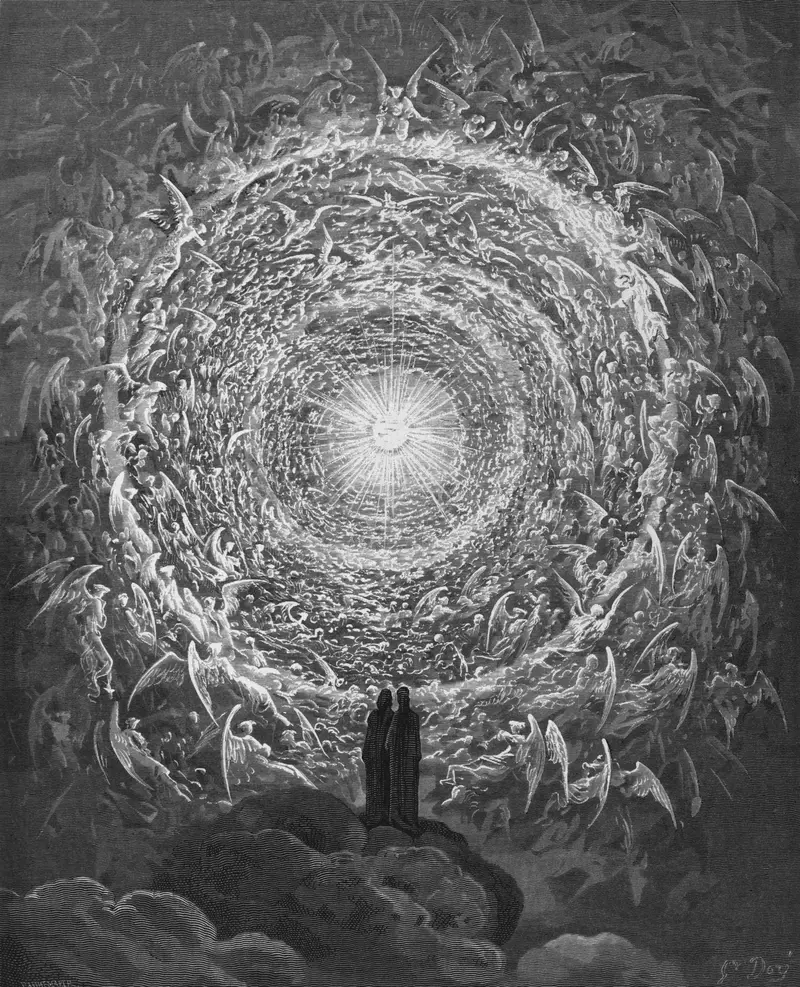
The Empyrean (Paradiso, Canto 31)
Gustave Doré
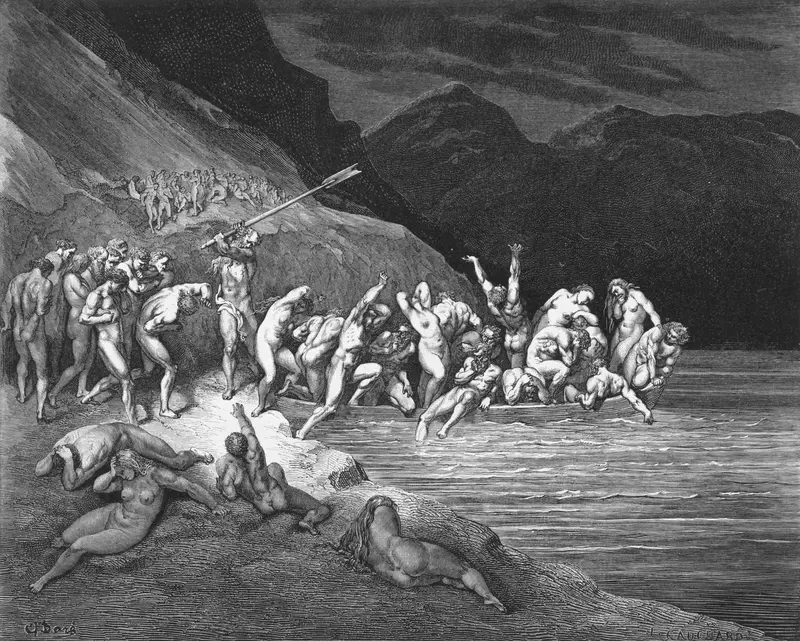
Charon (Inferno, Canto 3)
Gustave Doré
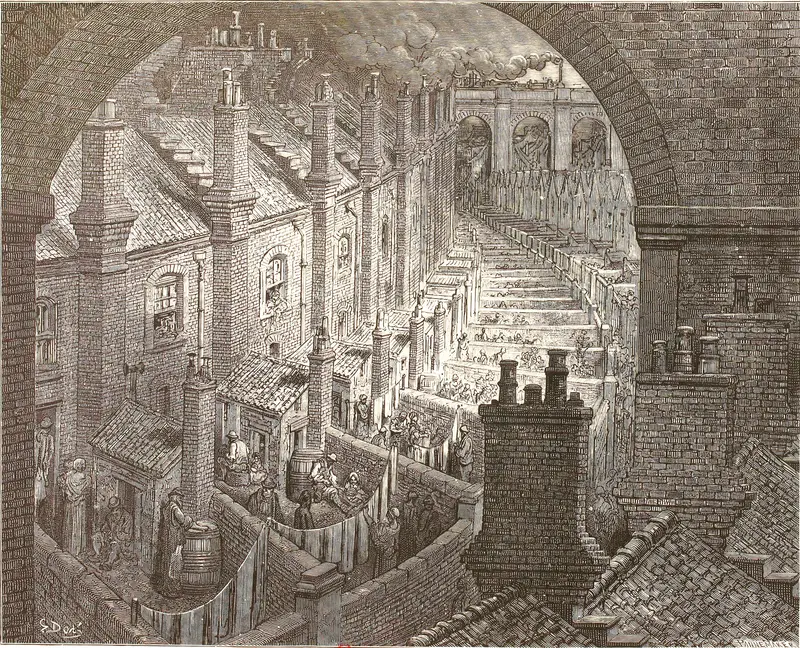
Over London by Rail
Gustave Doré
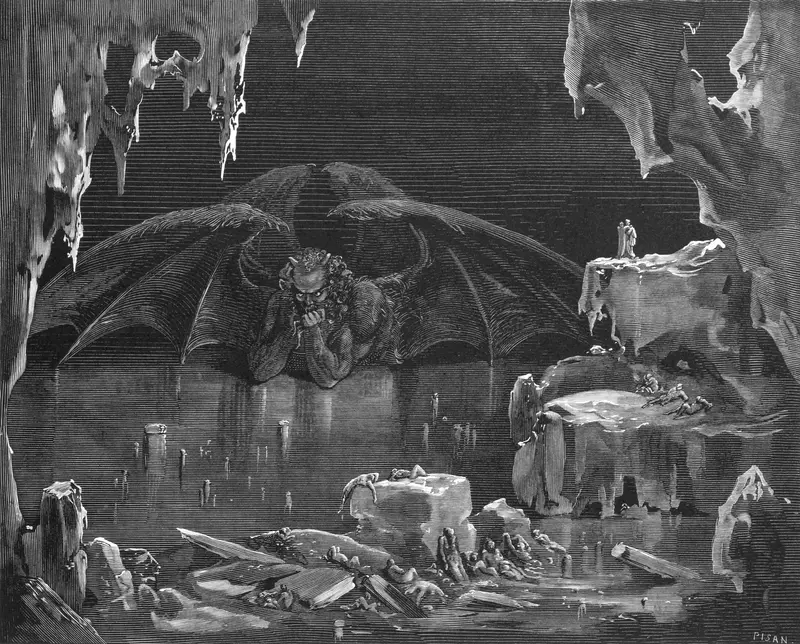
Lucifer, King of Hell
Gustave Doré
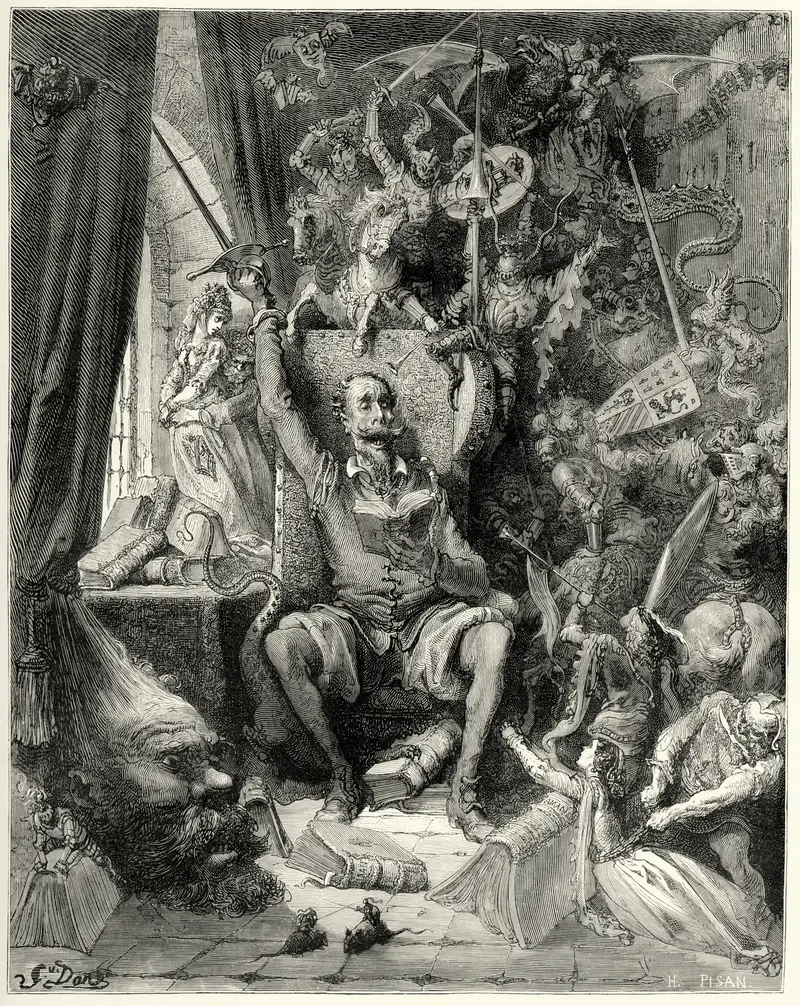
Don Quixote in His Library
Gustave Doré
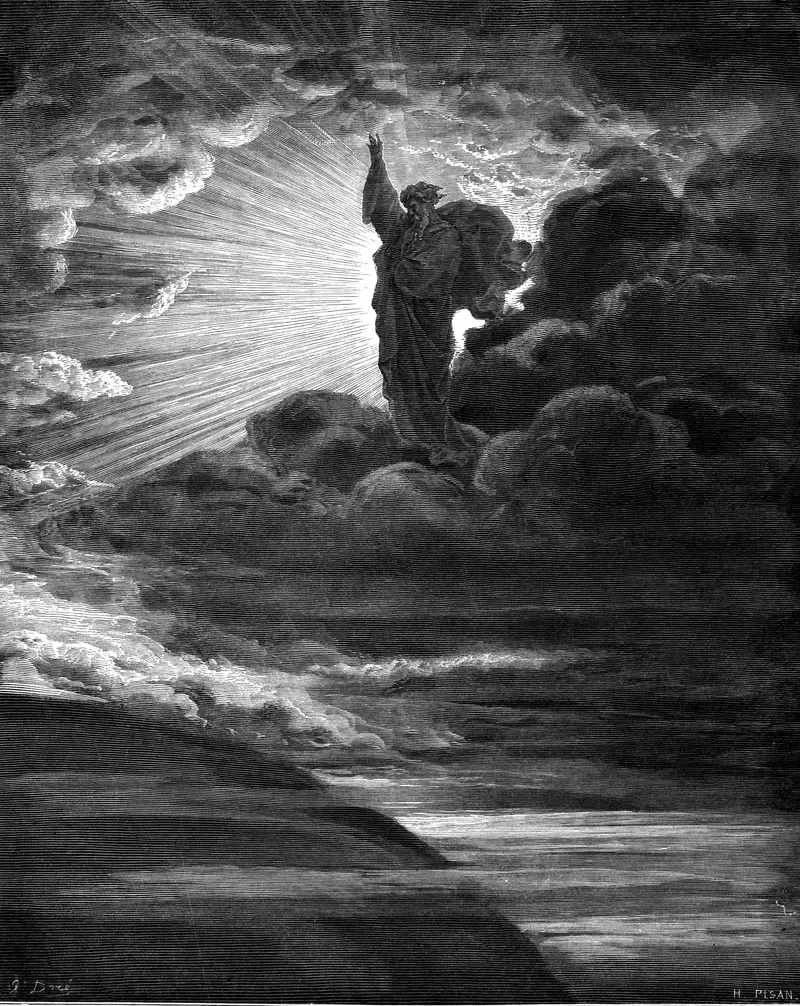
The Creation of Light
Gustave Doré
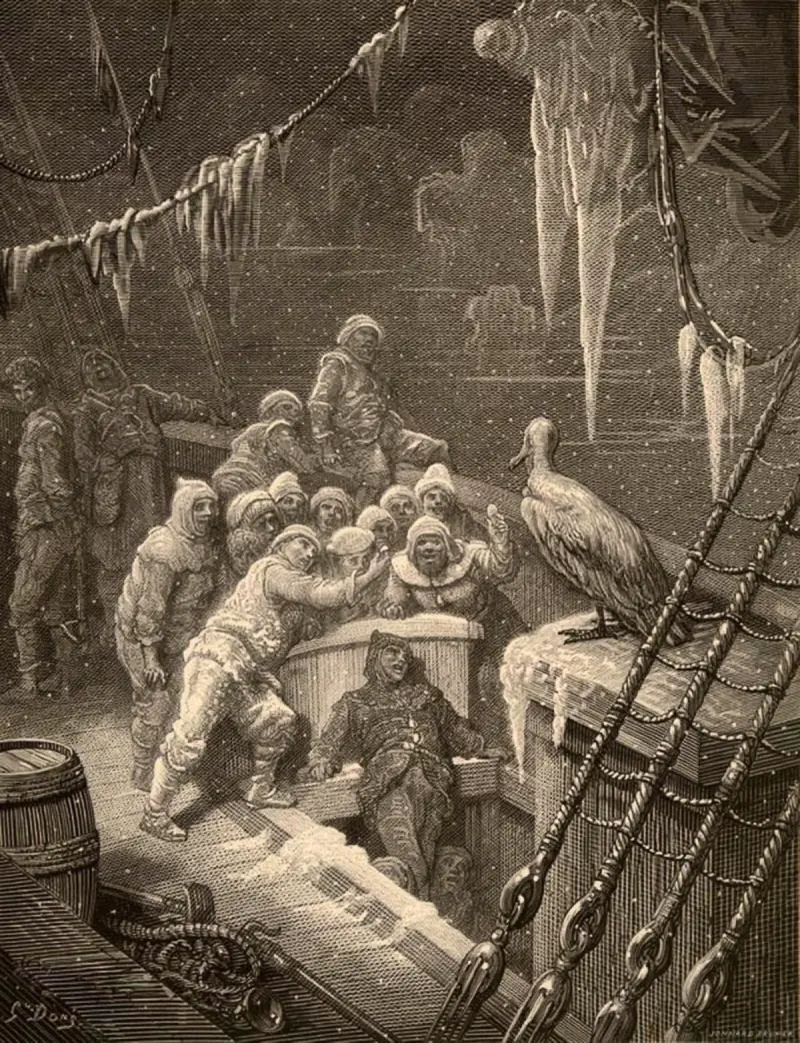
The Albatross (The Rime of the Ancient Mariner)
Gustave Doré
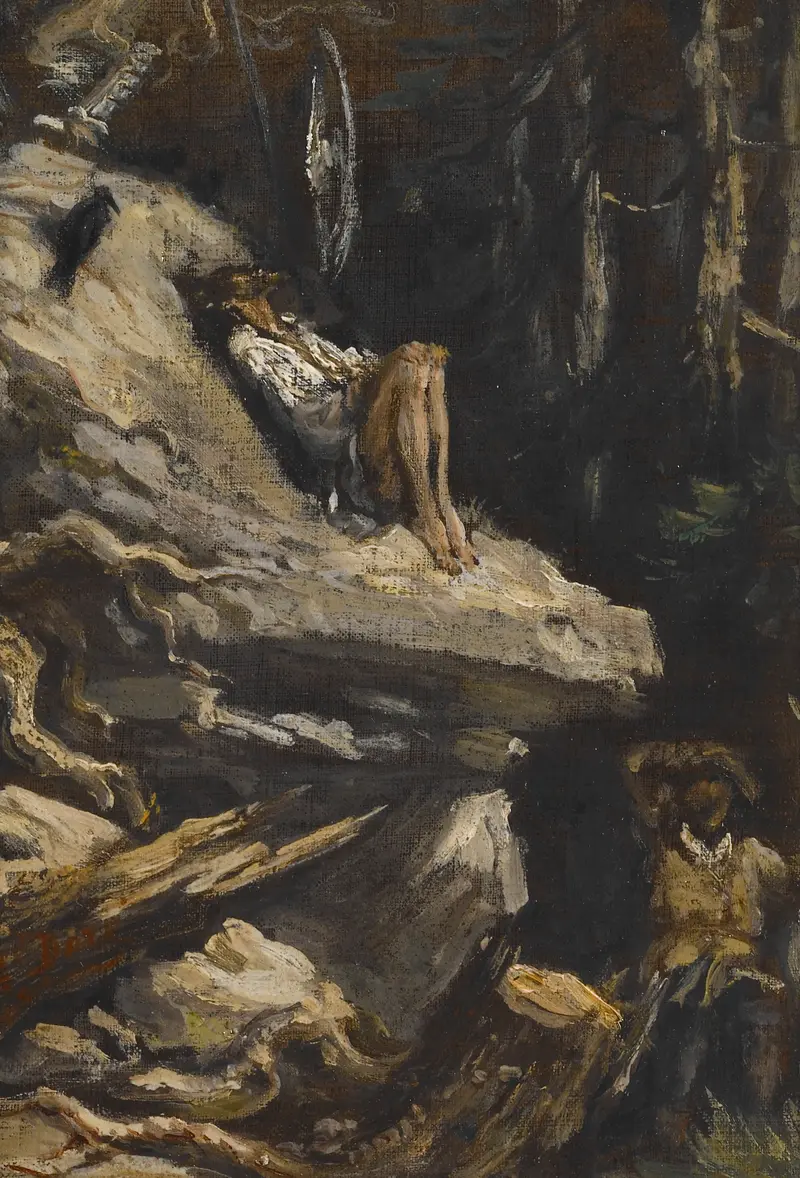
"'Alas!' answered Sancho, 'I found him in his shirt, lean, pale, and almost starved, sighing for his Lady Dulcinea'" from Don Quixote
Gustave Doré
Christ's Entry into Jerusalem
Gustave Doré





