
The Farmyard — History & Facts
A curl of smoke drifts from the chimney as dusk settles over the farmyard, drawing the eye to the quiet labor that animates the scene. The heart of the painting is not a grand event but the slow, persistent rhythm of rural life: a man bends over a bucket, a child struggles beneath the weight of a sack, and pigs root in the earth, oblivious to human cares. The barn’s thatched roof looms large, its angled lines pushing our gaze outward to the trees and distant church spires, while the wheelbarrow and scattered chickens anchor us in the everyday.
The palette is earthy and subdued, the light gentle but fading, suggesting a day’s end and the honest fatigue that comes with it. Painted in the 1630s by Adriaen Brouwer, The Farmyard belongs to a world where scenes of humble toil carried both documentary interest and a sly commentary on human nature. In the Dutch and Flemish tradition, such works were prized by urban collectors who sought reminders of a countryside rapidly changing under the pressures of commerce and war. Brouwer, known for his lively tavern interiors and peasant scenes, here turns his sharp eye to the quieter poetry of work and rest.
Now held in the collection of Museum Boijmans Van Beuningen, this painting stands as a window onto a vanished era—inviting us to linger, to notice the small dramas played out in the gathering dusk.
More Artworks by Adriaen Brouwer

The Smokers
Adriaen Brouwer
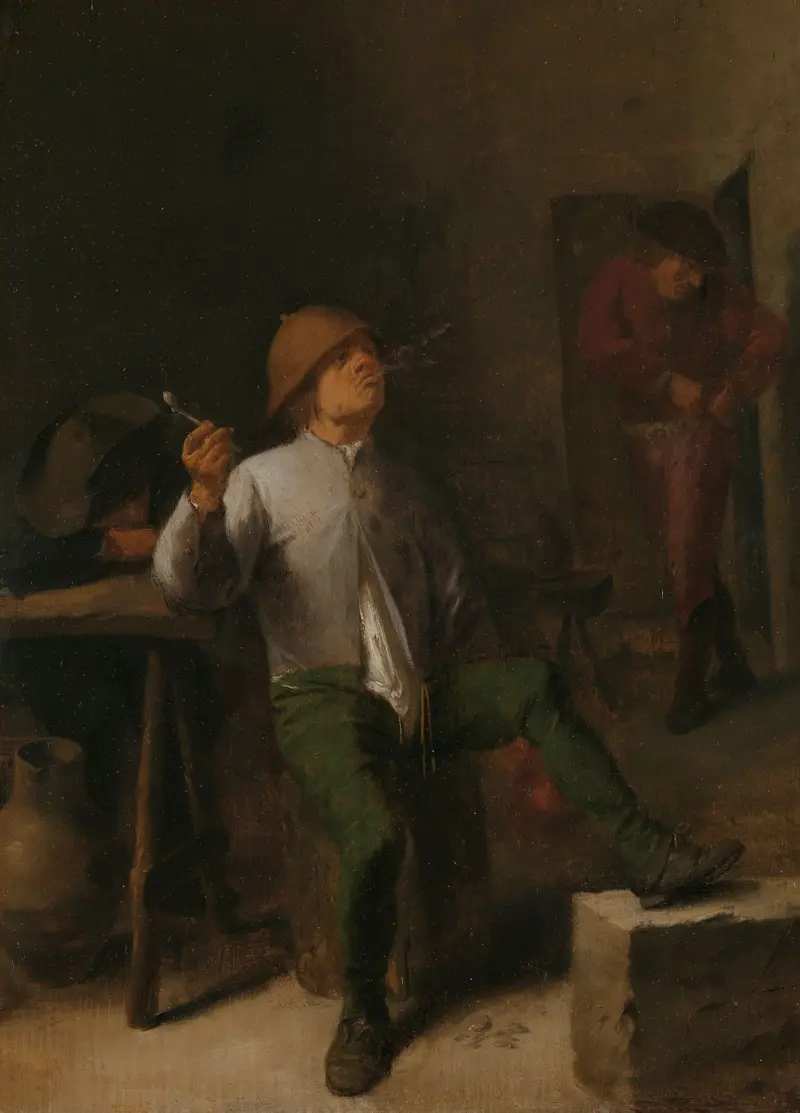
The Smoker
Adriaen Brouwer
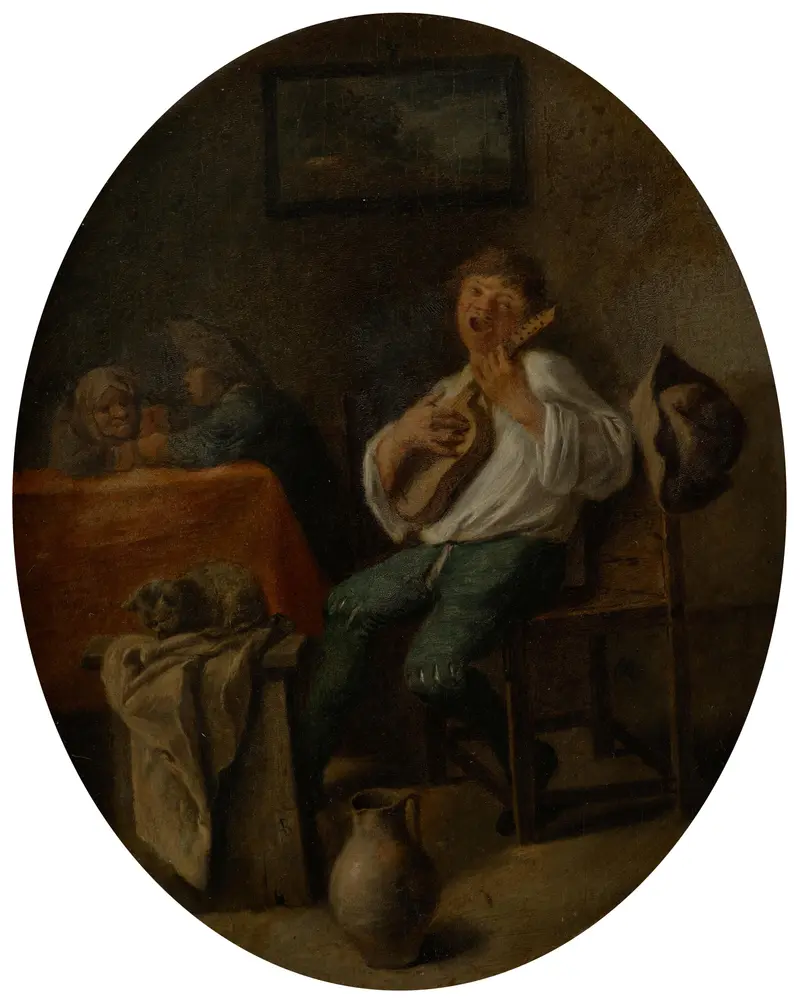
The Guitar Player
Adriaen Brouwer
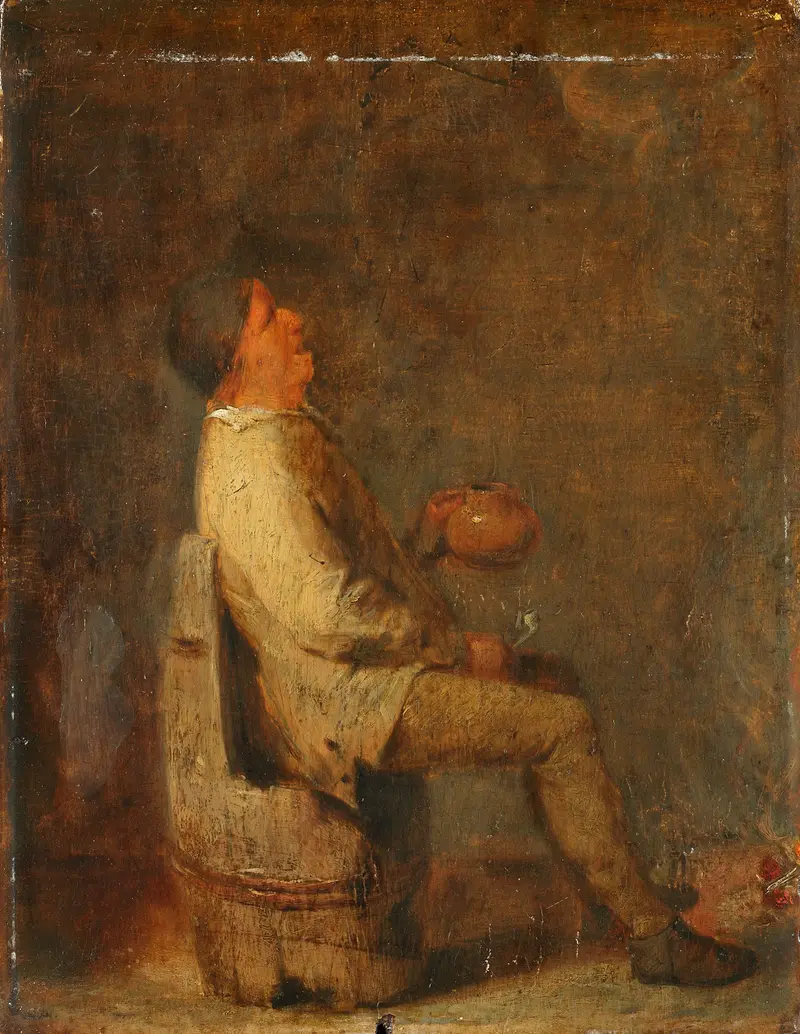
A Peasant Singing
Adriaen Brouwer
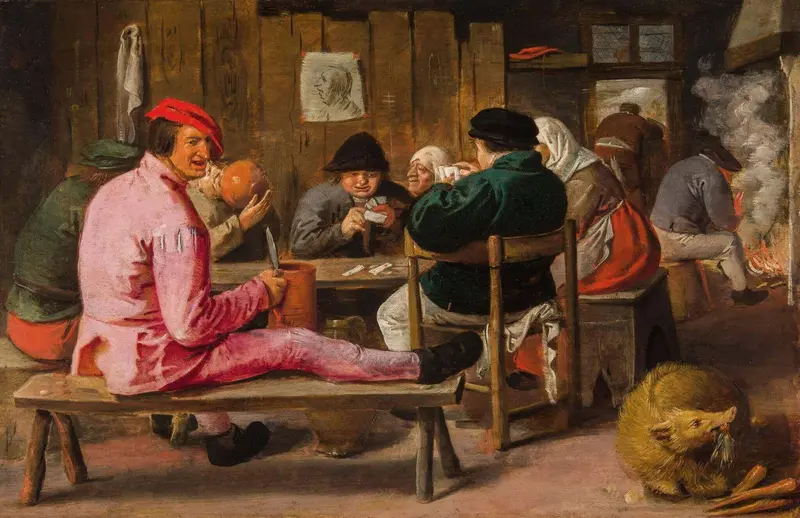
Merry Peasants in an Inn
Adriaen Brouwer
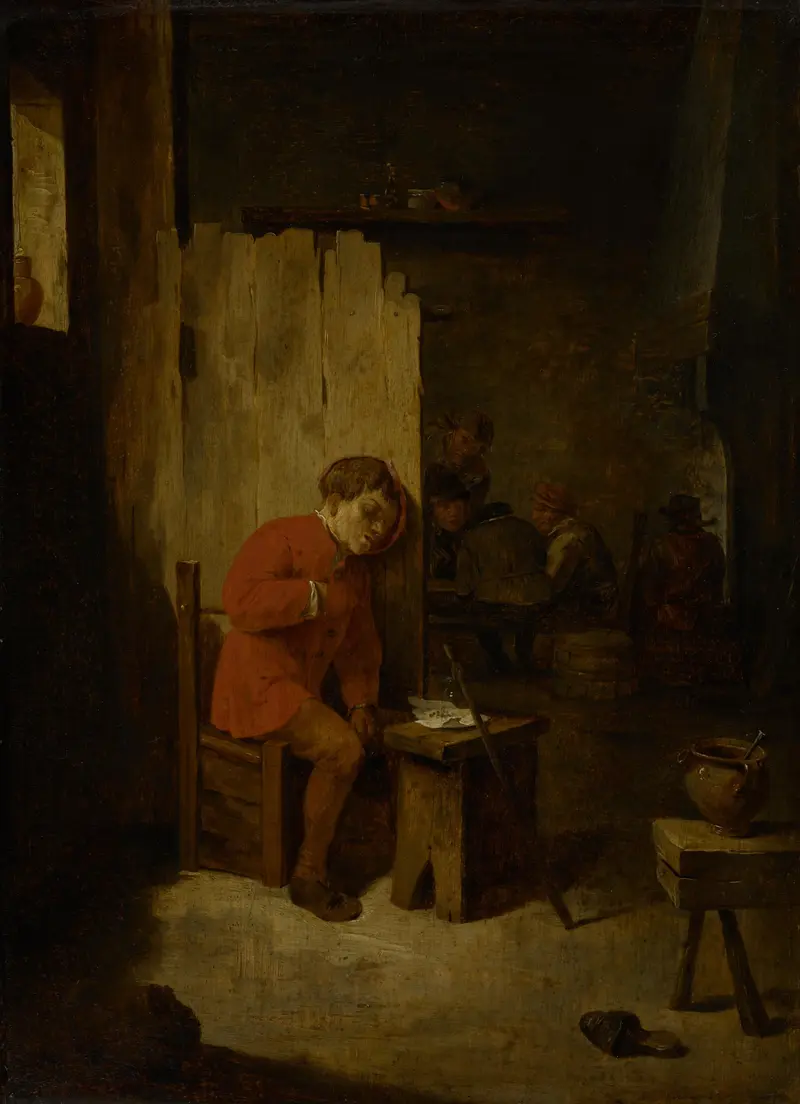
Nachahmer, Schlafender Bauer 853G Gemäldegalerie
Adriaen Brouwer
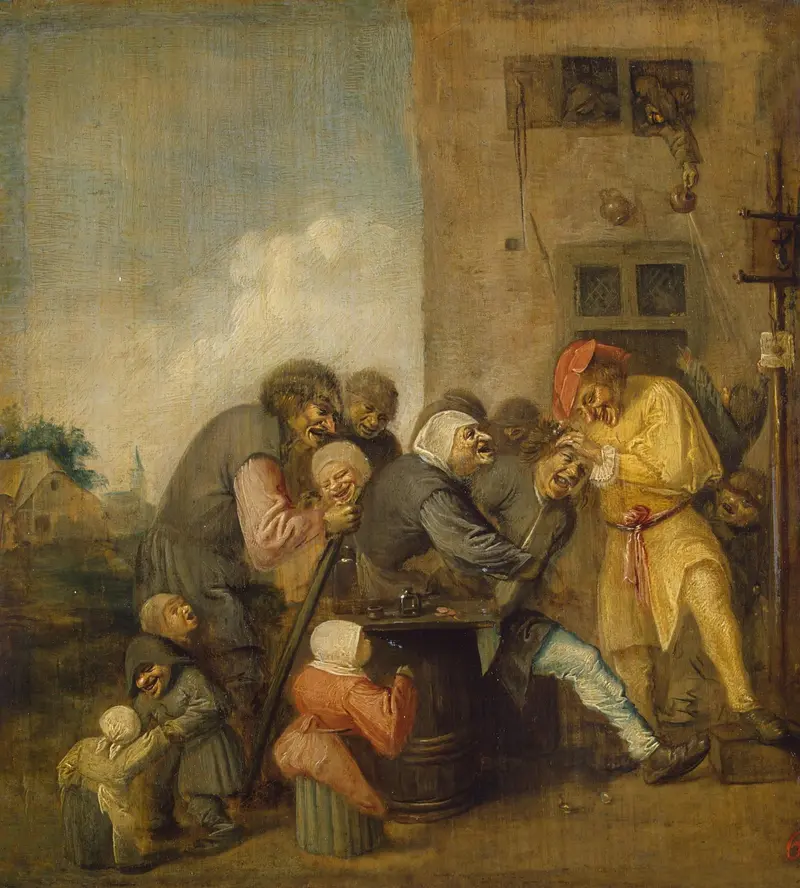
Village Charlatan (The Operation for Stone in the Head)
Adriaen Brouwer
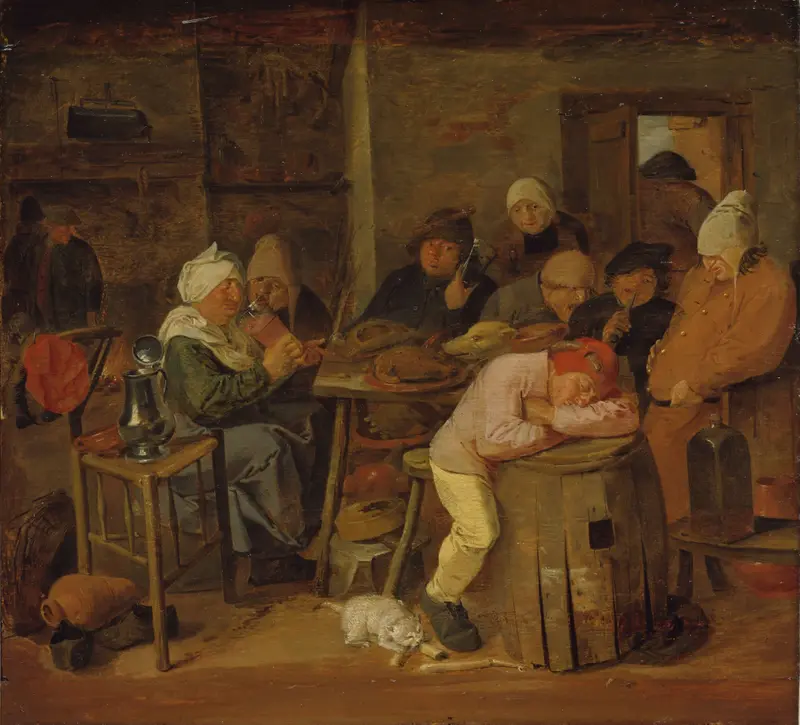
Peasants in an interior (The slaughter feast)
Adriaen Brouwer
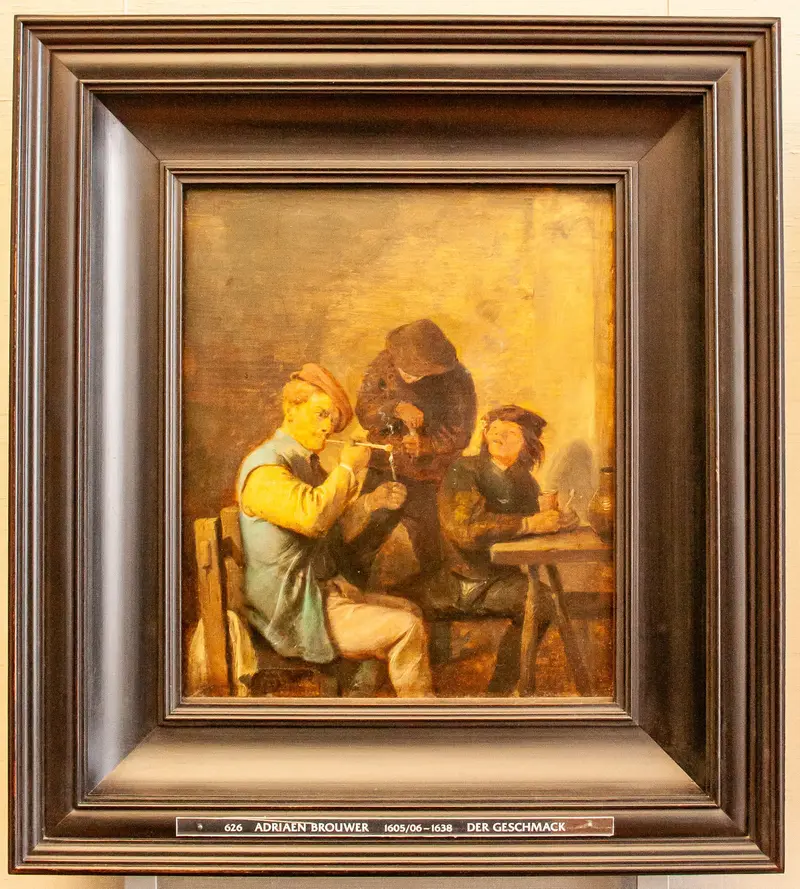
The Taste
Adriaen Brouwer
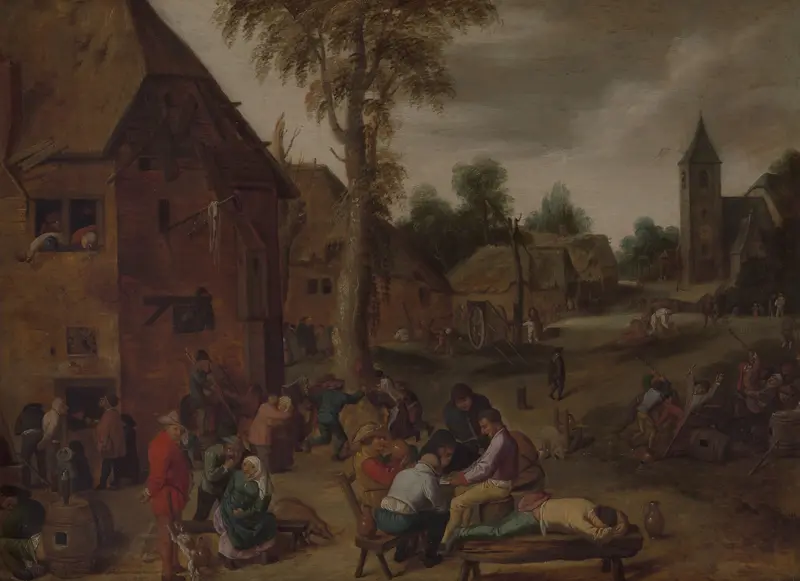
A Fair
Adriaen Brouwer
More Genre Scene Art

Banquet of the Officers of the St George Civic Guard
Frans Hals

Rembrandt and Saskia in the Scene of the Prodigal Son
Rembrandt van Rijn

Bal du moulin de la Galette
Pierre-Auguste Renoir

Quadrille at the Moulin Rouge
Henri de Toulouse-Lautrec

A Burial at Ornans
Gustave Courbet

When Will You Marry?
Paul Gauguin