
The Flight into Egypt — History & Facts
Few biblical episodes have inspired as many artists as the perilous escape of the Holy Family into Egypt, but Abraham Bloemaert’s The Flight into Egypt stands out for its tender humanity and luminous landscape. Bloemaert, a leading figure of the Dutch Mannerist movement, returned to this subject several times throughout his long career, each time exploring new moods and settings. While the exact date and patron of this version remain uncertain, its composition and handling place it firmly among the artist’s mature works, when he was admired for weaving sacred stories into the Dutch countryside.
The painting’s enduring appeal lies in its fusion of biblical narrative with the familiar world of Bloemaert’s viewers. At the heart of the scene, Mary sits side-saddle on a donkey, cradling the infant Jesus, while Joseph leads them along a winding path. The family’s journey, recounted in the Gospel of Matthew, takes place under the threat of King Herod’s massacre—yet Bloemaert chooses a moment of quiet movement, sunlight filtering through trees that arch protectively overhead. The lush foliage, gentle animals, and distant travelers evoke both the real dangers and the hope of sanctuary.
Bloemaert’s attention to the natural world, from the gnarled roots to the play of light on fabric, recalls the landscapes of Pieter Bruegel the Elder, though here the focus is more intimate and less panoramic. The donkey’s steady gaze and Joseph’s guiding hand become emblems of trust and perseverance. The painting’s early history is not precisely documented, a common fate for works from Bloemaert’s workshop, which produced many versions for both Catholic and Protestant patrons. Over the centuries, The Flight into Egypt has appeared in inventories and sales across the Netherlands, sometimes attributed to Bloemaert’s followers or sons, who often assisted in his studio.
Today, this work is recognized as a testament to Bloemaert’s ability to blend narrative and landscape, and it remains a touchstone for understanding Dutch religious painting in the early seventeenth century. Its journey from private devotion to public collection mirrors the broader fate of many Northern European religious artworks, cherished for their storytelling as much as their artistry.
More Artworks by Abraham Bloemaert

Adam and Eve
Abraham Bloemaert
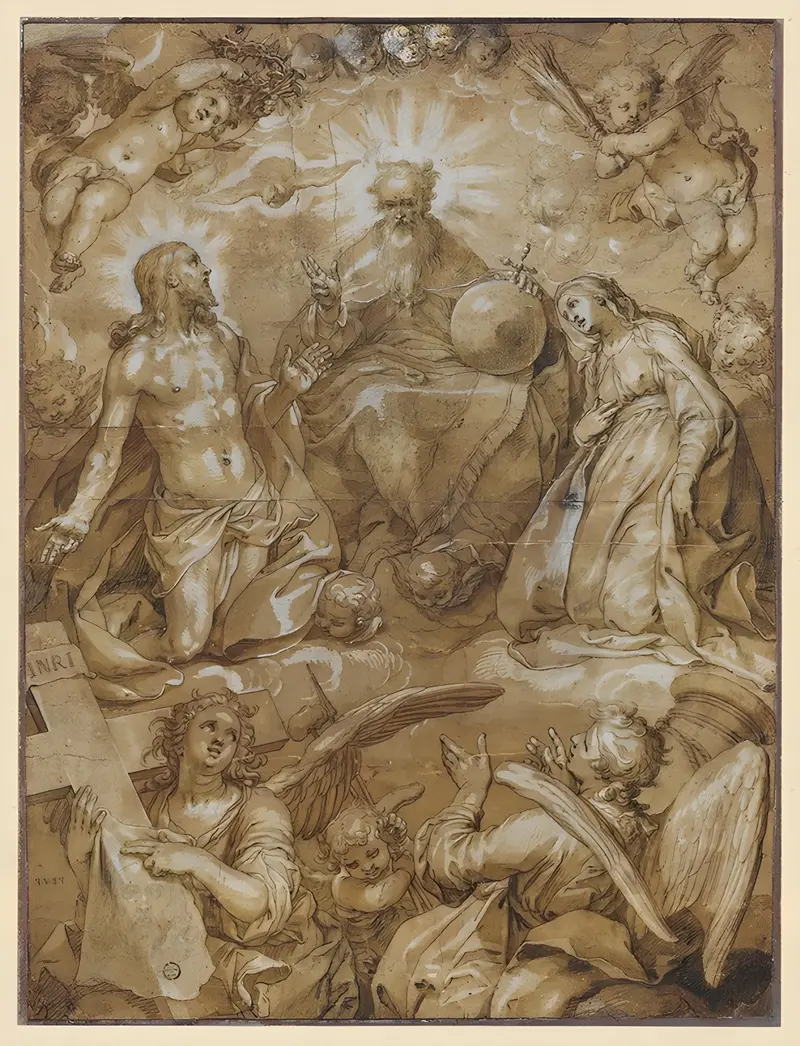
Intercession of Christ and Mary before God the Father
Abraham Bloemaert
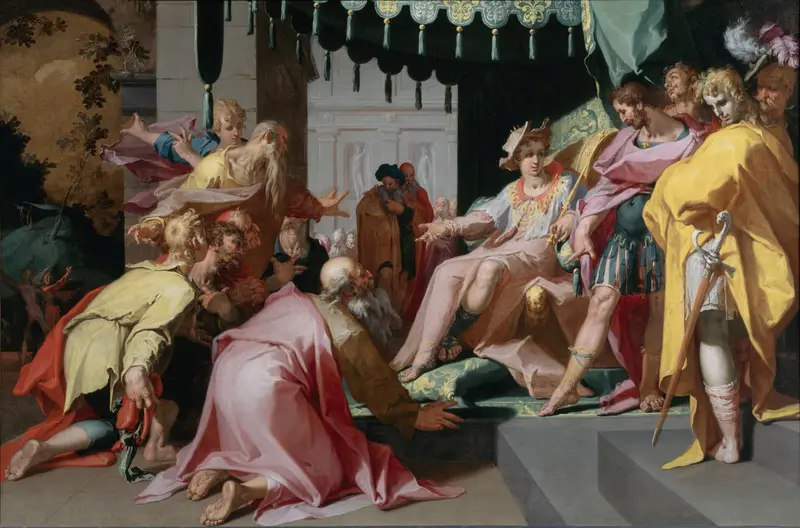
Joseph and his Brothers
Abraham Bloemaert
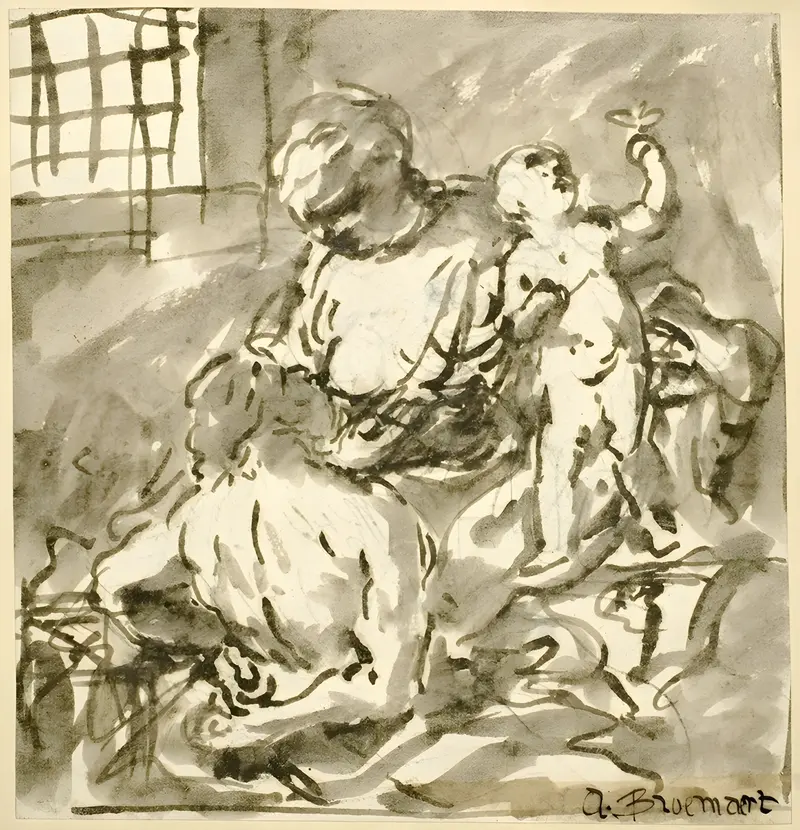
Caritas Romana
Abraham Bloemaert
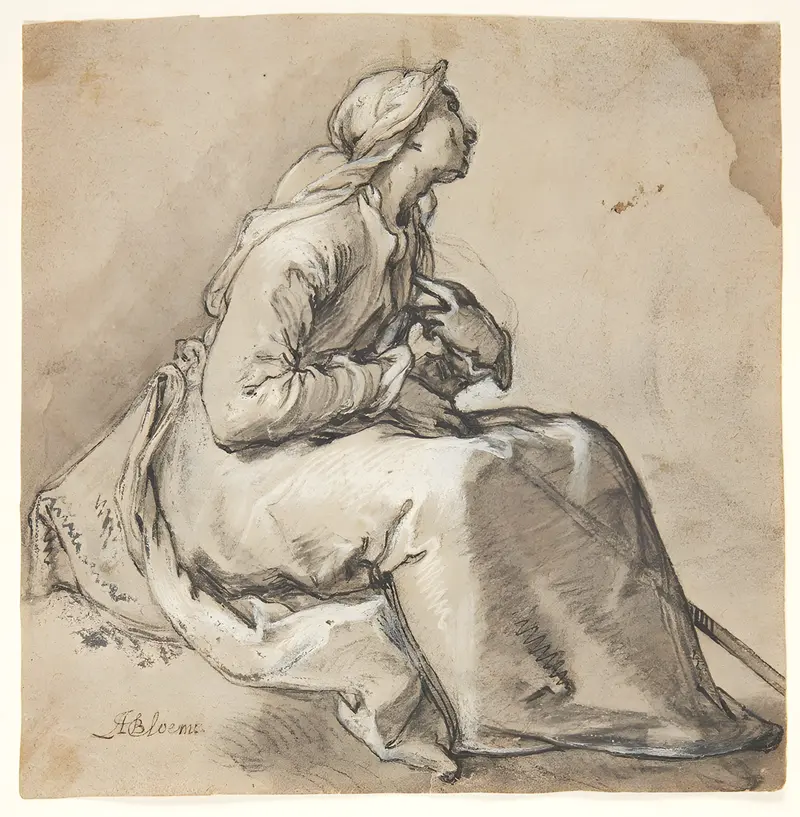
A seated woman facing right
Abraham Bloemaert
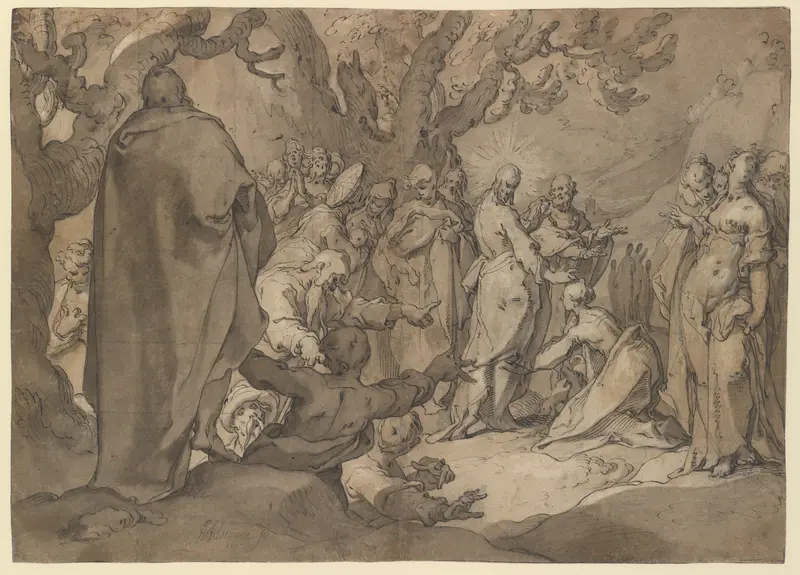
Christ and the Canaanite Women
Abraham Bloemaert
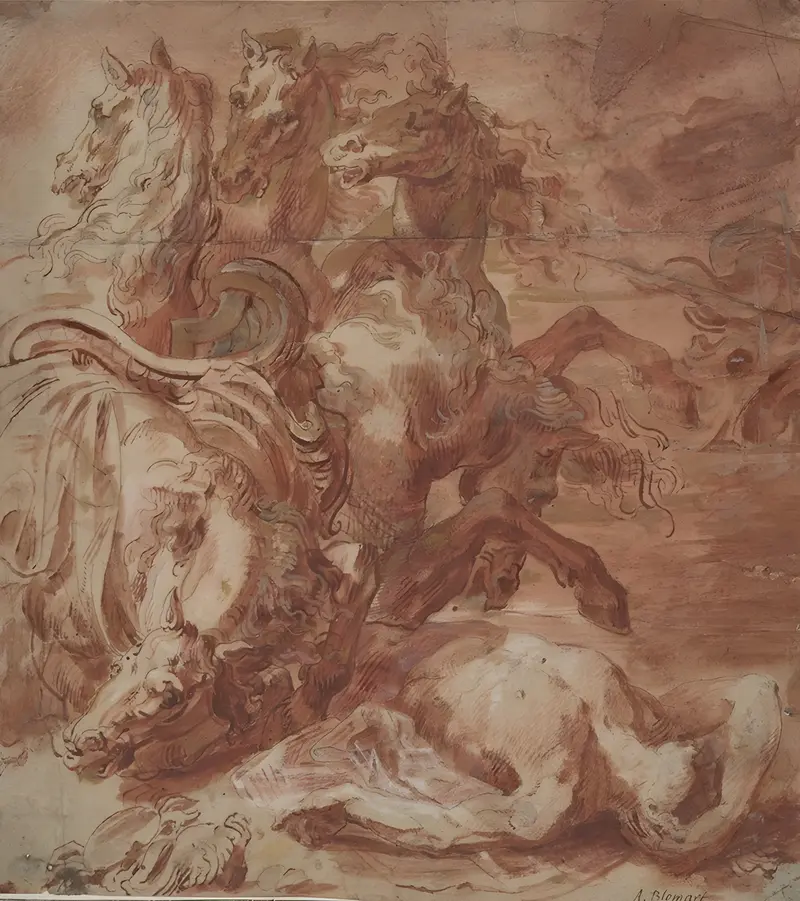
Hippolytus
Abraham Bloemaert
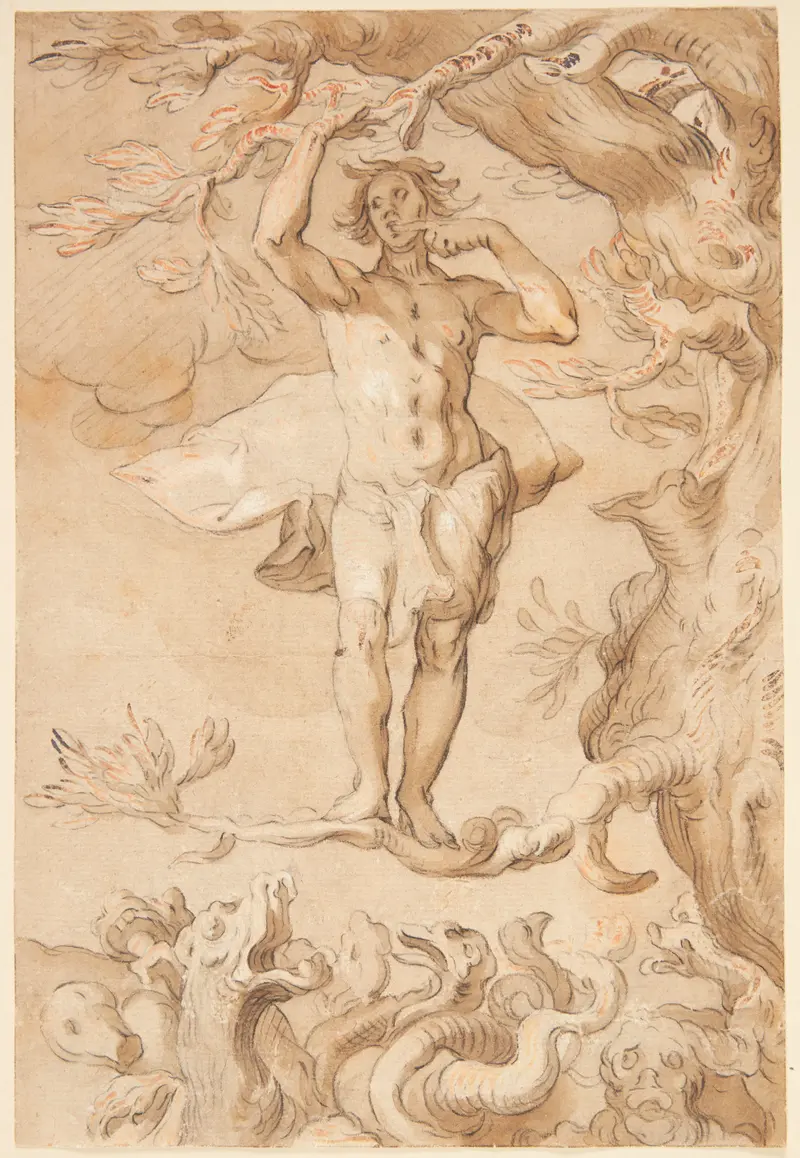
Den menneskelige glædes skrøbelighed En mand, der jages af en drage, klynger sig til en gren, mens han slikker honning af sin finger
Abraham Bloemaert

Moses Striking the Rock
Abraham Bloemaert
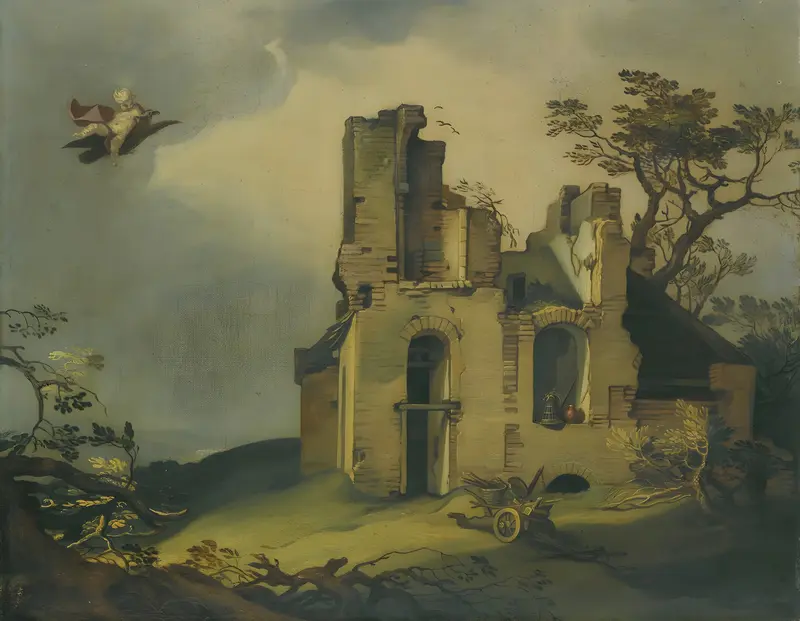
A Landscape With Ruins, With The Rape Of Ganymede
Abraham Bloemaert





