
The Flight into Egypt — History & Facts
What grips the viewer first is not the journey, but the night itself—an expanse of deep blue, punctuated by stars and the silvery sweep of the Milky Way. In The Flight into Egypt, Adam Elsheimer draws the eye across a landscape where darkness is not emptiness, but a stage for light: the moon glows cold and clear, mirrored in still water, while a campfire at the forest’s edge throws a warm, flickering glow over animals and figures. The Holy Family, huddled together and half-swallowed by shadow, seem both protected and exposed, their faces softly illuminated as if by hope itself.
Every element is arranged to heighten the sense of quiet movement—Joseph’s cautious step, Mary’s gentle hold, the donkey’s patient stance—while the vast sky above suggests the enormity of their flight. Painted in 1609, this work belongs to a moment when artists across Europe were pushing the boundaries of what a landscape could do. No longer mere backdrops, these settings became active participants in the story, shaping mood and meaning. In the early seventeenth century, scenes like this were prized by collectors who sought both devotional imagery and displays of technical skill—especially in the rendering of night, a rare feat before this period.
History has kept few traces of this particular painting’s journey, but its presence in collections such as The Yorck Project and the Adam Elsheimer Gesellschaft speaks to a quiet legacy. Let your eyes linger on the reflection of the moon: it is both a guide and a witness, just as this painting is a testament to the era’s fascination with the mysteries of light and darkness.
More Artworks by Adam Elsheimer

Saint John the Baptist in the Wilderness
Adam Elsheimer
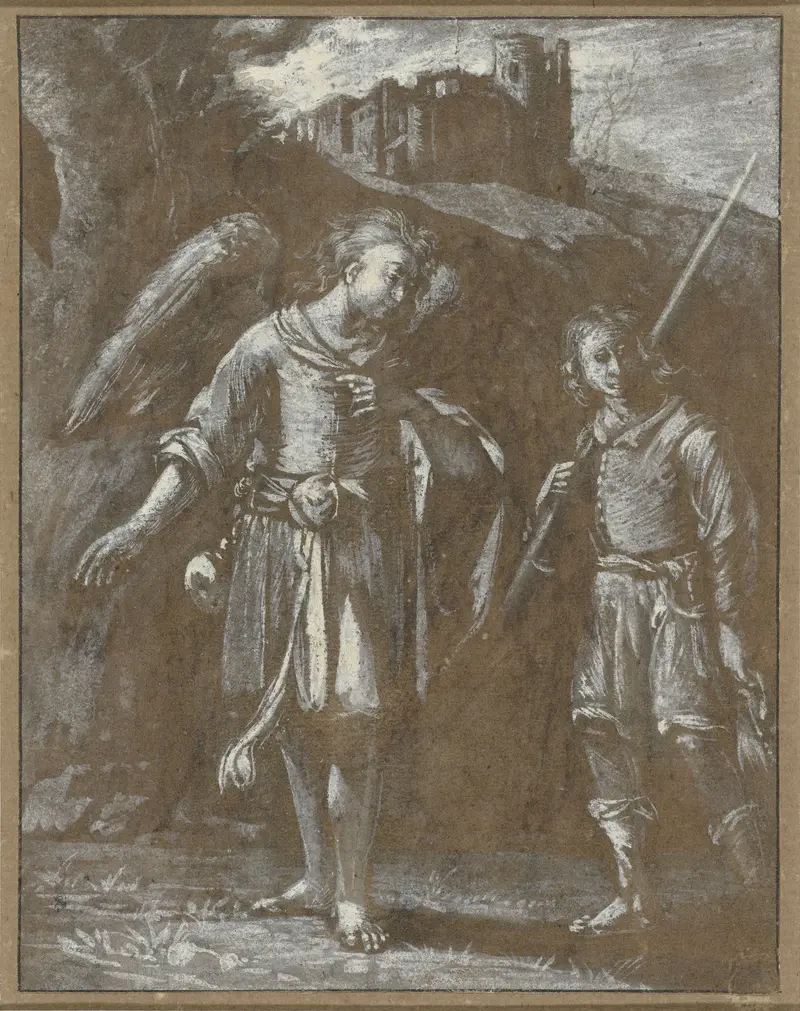
Tobias en de engel
Adam Elsheimer
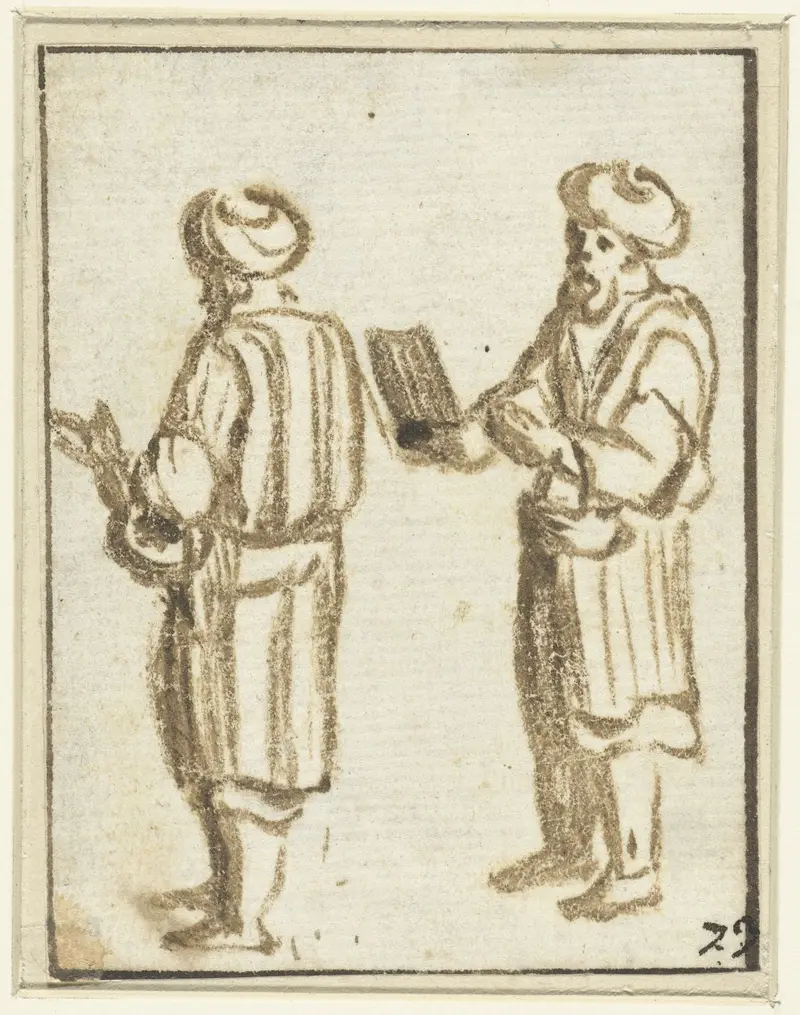
Twee staande mannen met tulbanden
Adam Elsheimer
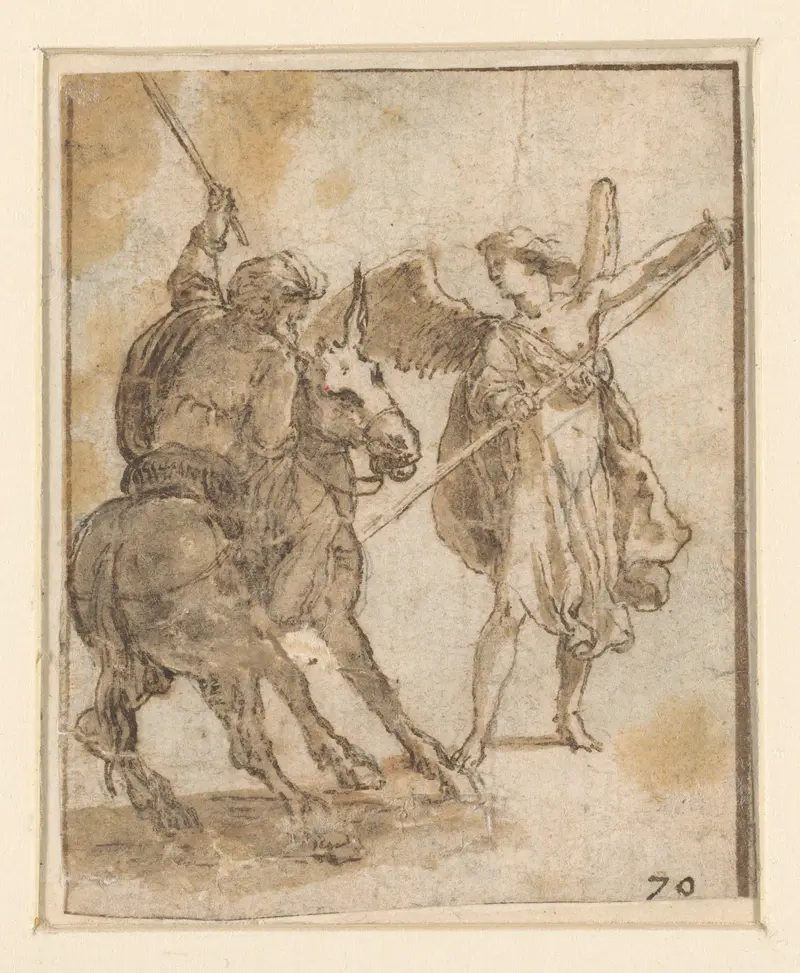
Bileam op zijn ezel ontmoet de engel
Adam Elsheimer
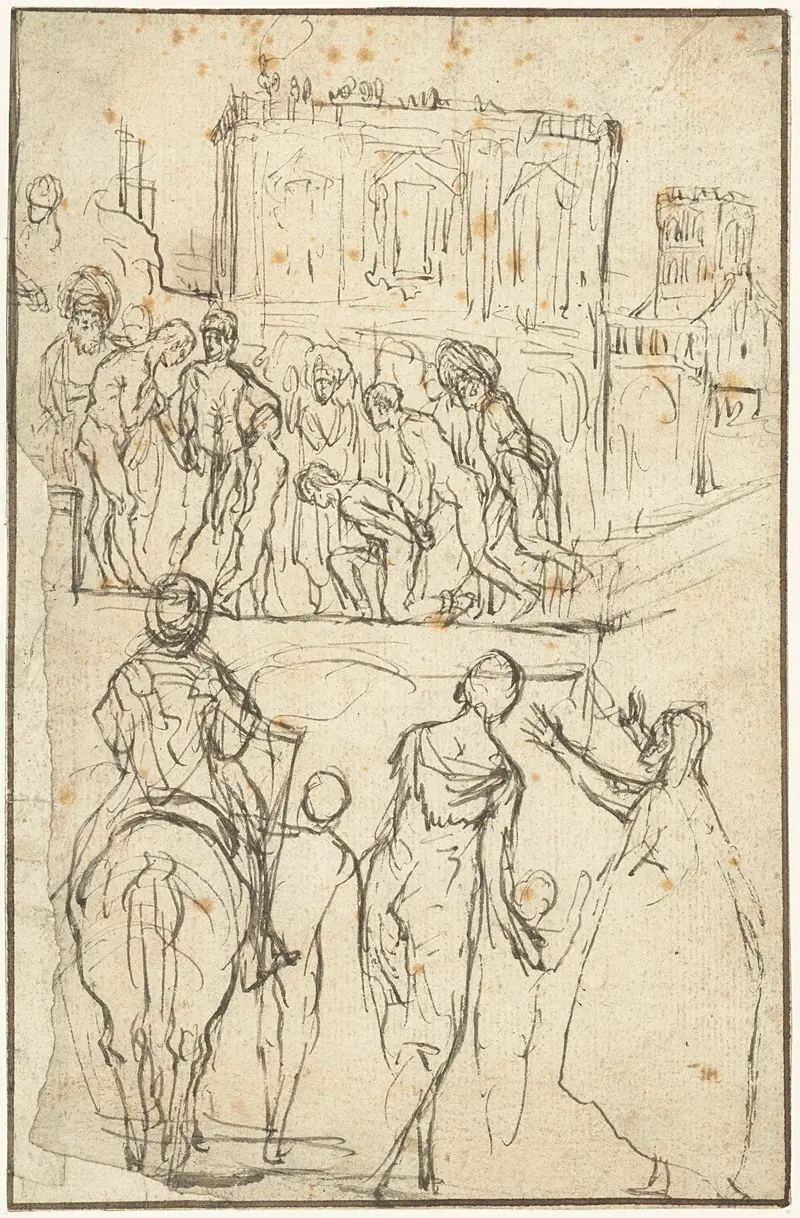
Judgement Scene with a Bound Prisoner
Adam Elsheimer
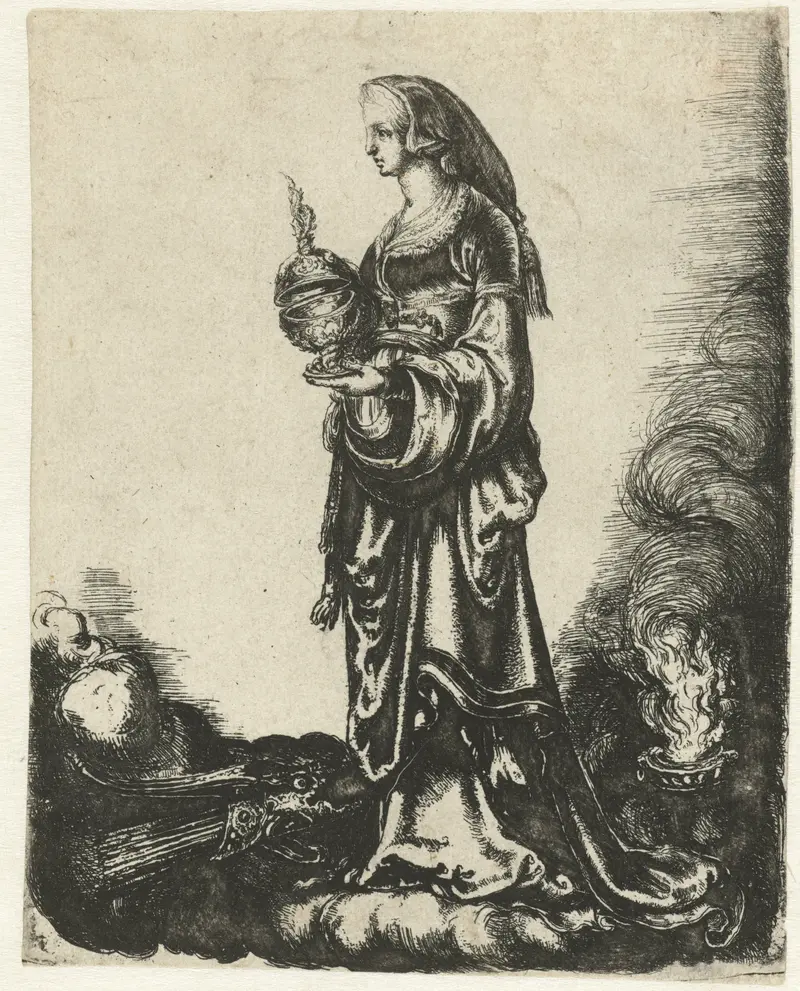
Allegorie met vrouw met beker staand op wolk
Adam Elsheimer
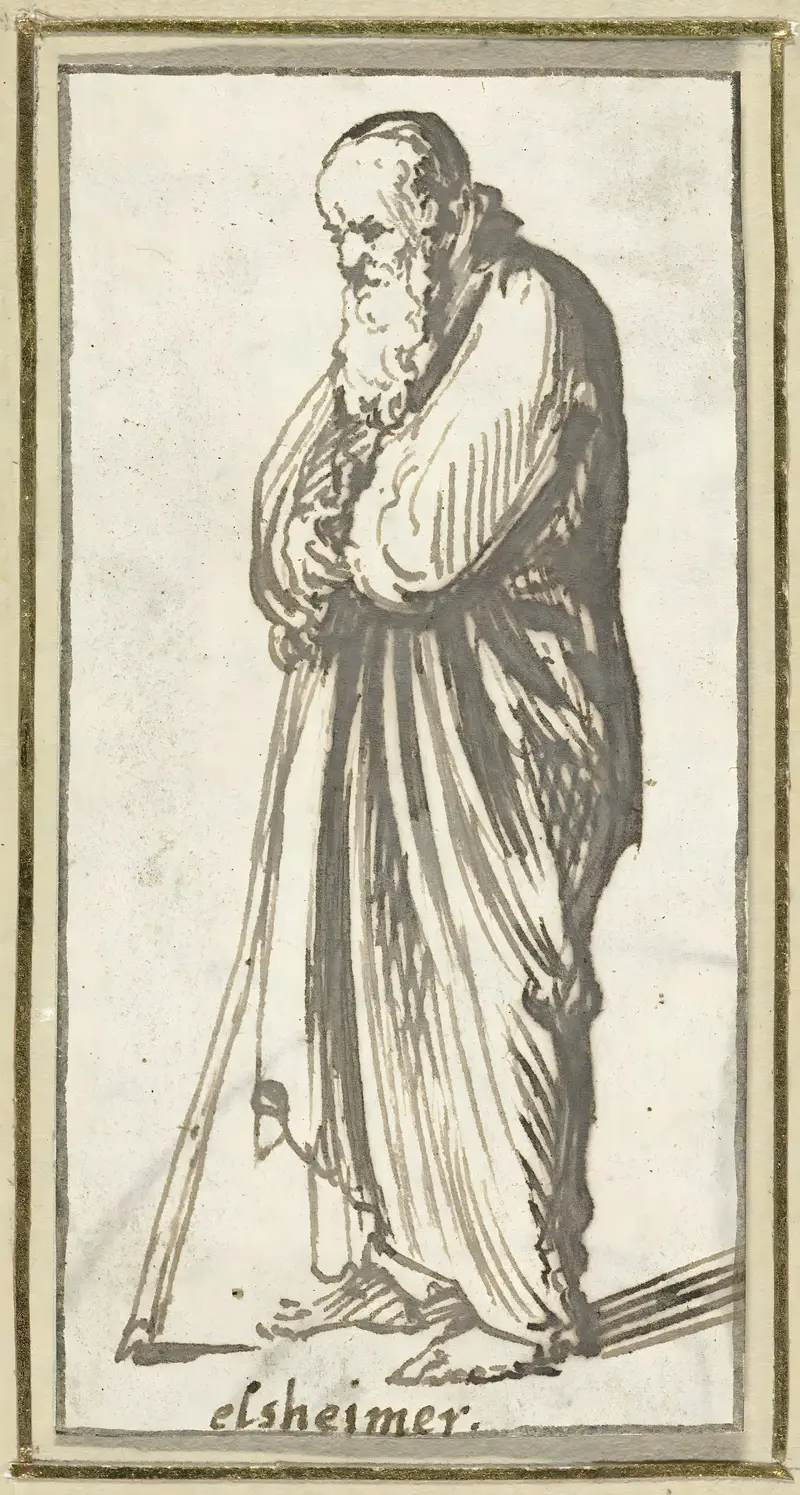
Oude man in lang gewaad
Adam Elsheimer
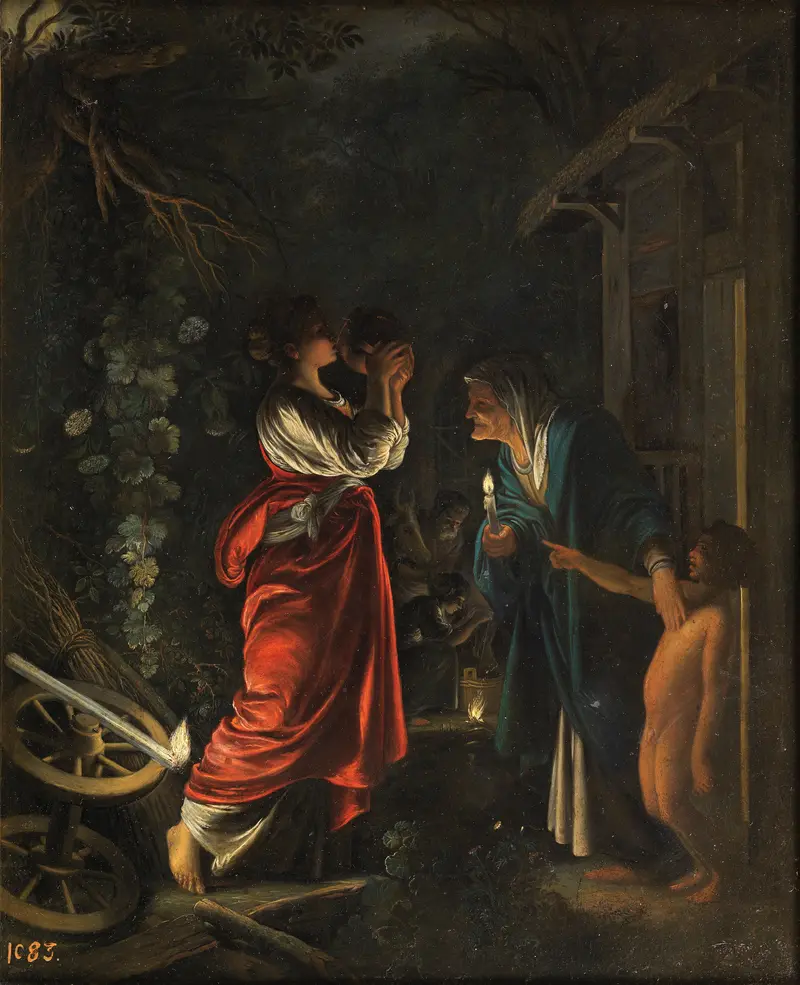
Ceres in the House of Hecuba
Adam Elsheimer
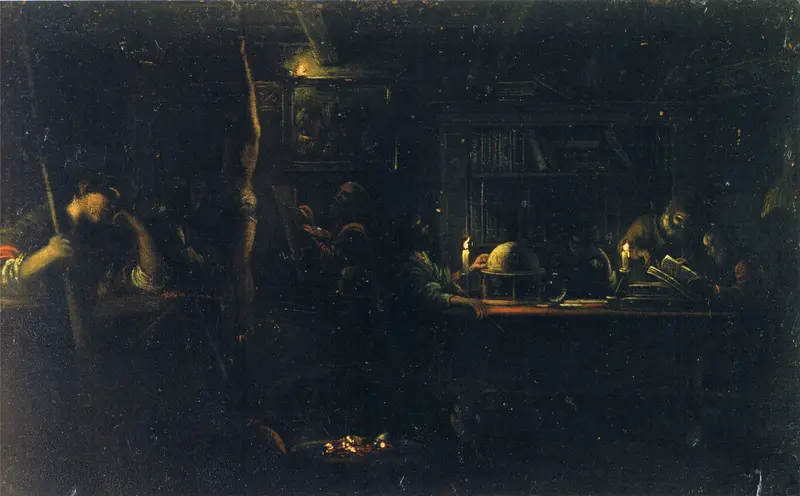
Minerva as patroness of Arts and Sciences
Adam Elsheimer
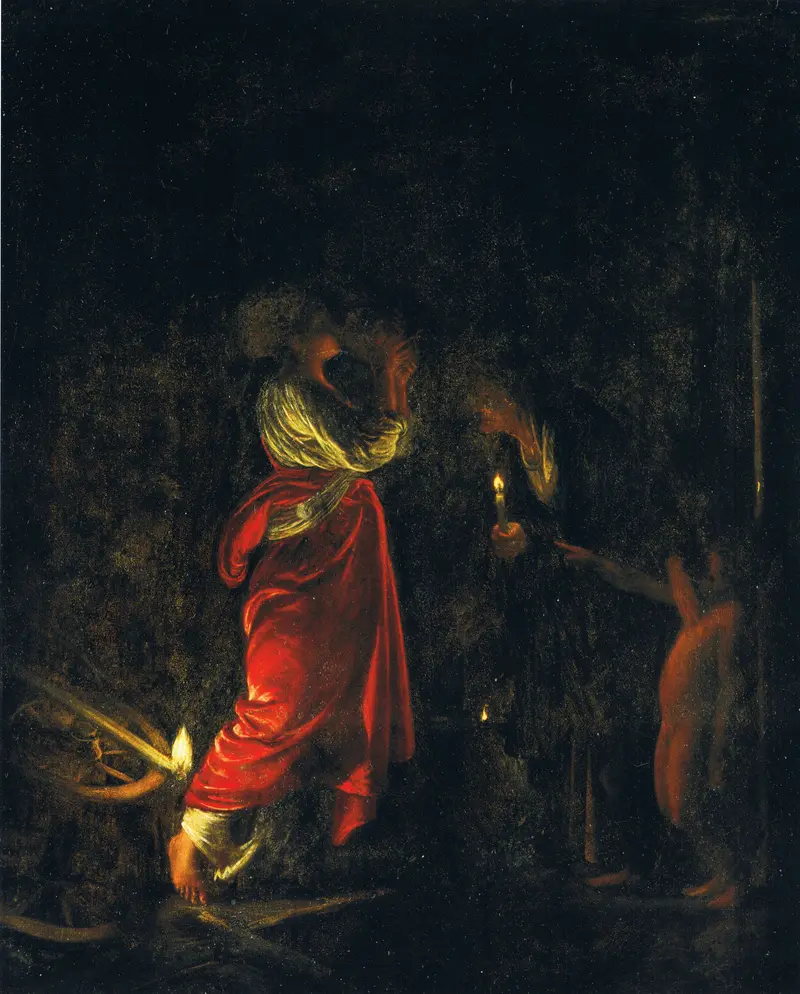
The Mocking of Ceres
Adam Elsheimer





