
The flight into Egypt — History & Facts
What first seizes the eye in The flight into Egypt by Alessandro Turchi is the hush of movement, as if the world itself pauses to witness this family’s uncertain journey. Light falls softly on the faces of Mary and the infant, drawing the viewer’s gaze upward from the sturdy, earthbound donkey to the delicate, sleeping child. Joseph stands at the center, his hand pressed to his chest, his face marked by both resolve and worry, while an angel, luminous in white, gestures forward, guiding their path with a calm authority.
The palette is rich yet subdued, the folds of garments rendered with a weight that anchors the holy travelers in the real world, while the architectural backdrop hints at both the threat left behind and the unknown ahead. Painted between 1630 and 1633, this work belongs to a period when religious painting in Italy was charged with new emotional immediacy and theatrical clarity. Scenes like this, drawn from the Christian narrative of the Holy Family’s escape from King Herod, were commissioned for private devotion and public altarpieces alike, meant to inspire empathy and trust in divine protection. Alessandro Turchi brings the drama close to the viewer, placing the figures almost at the picture plane, their gestures and glances weaving a silent conversation about fear, faith, and guidance.
History has kept few traces of this particular painting’s early life, but its quiet gravity and careful composition invite us to linger, searching for the hope and humanity in each face.
More Artworks by Alessandro Turchi

The Flood
Alessandro Turchi
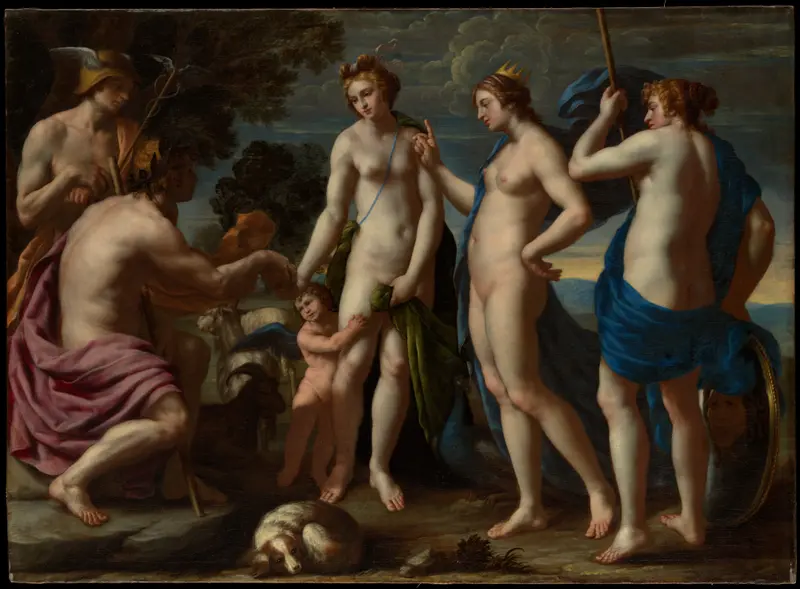
Judgment of Paris
Alessandro Turchi
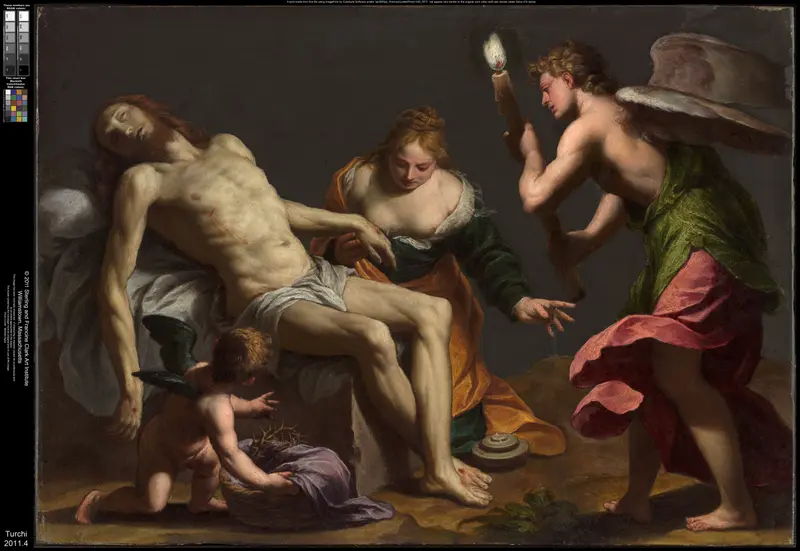
Lamentation over the Body of Christ
Alessandro Turchi
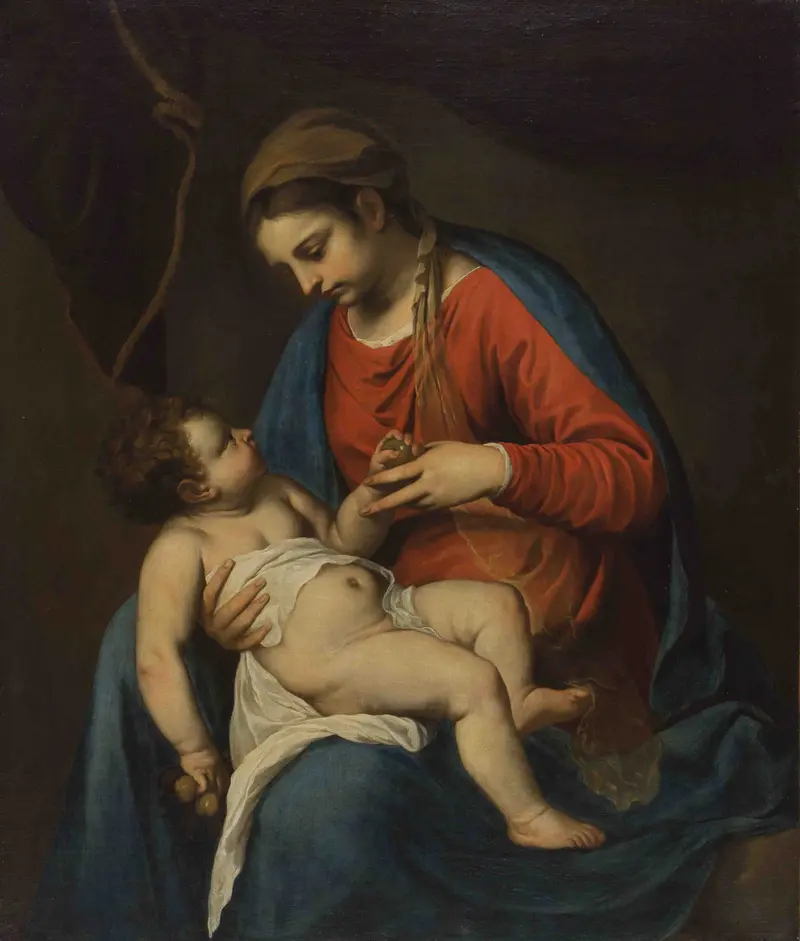
Maria with Child
Alessandro Turchi

Saint Peter visits Saint Agatha in her Prison
Alessandro Turchi
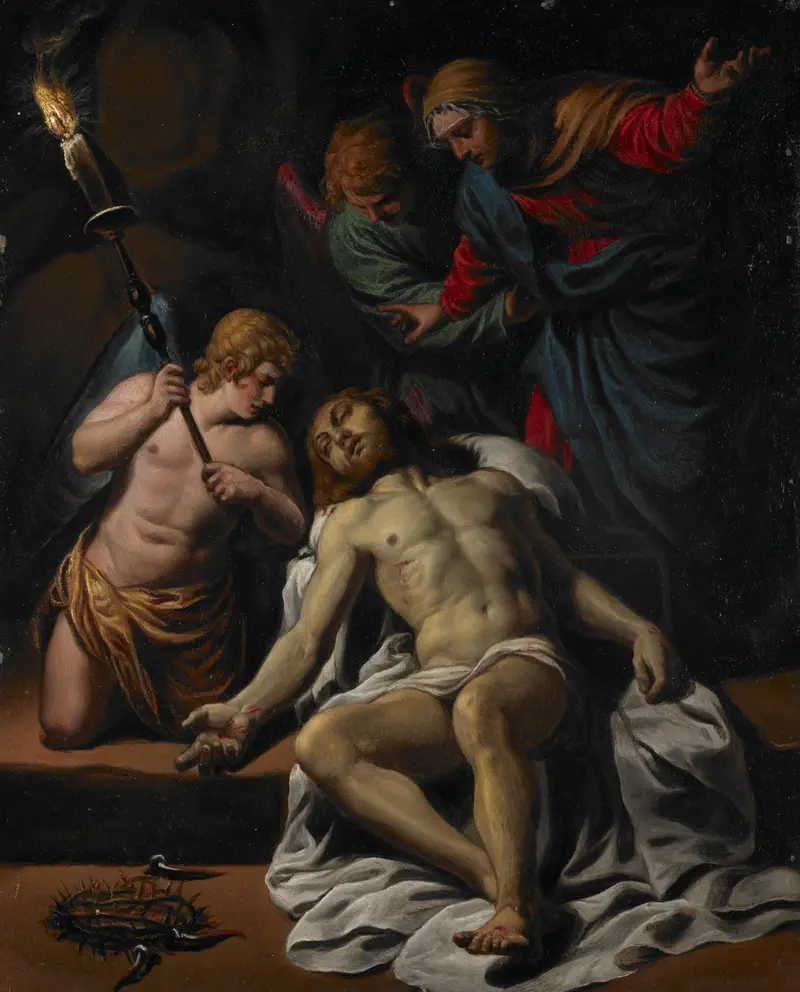
The Lamentation
Alessandro Turchi
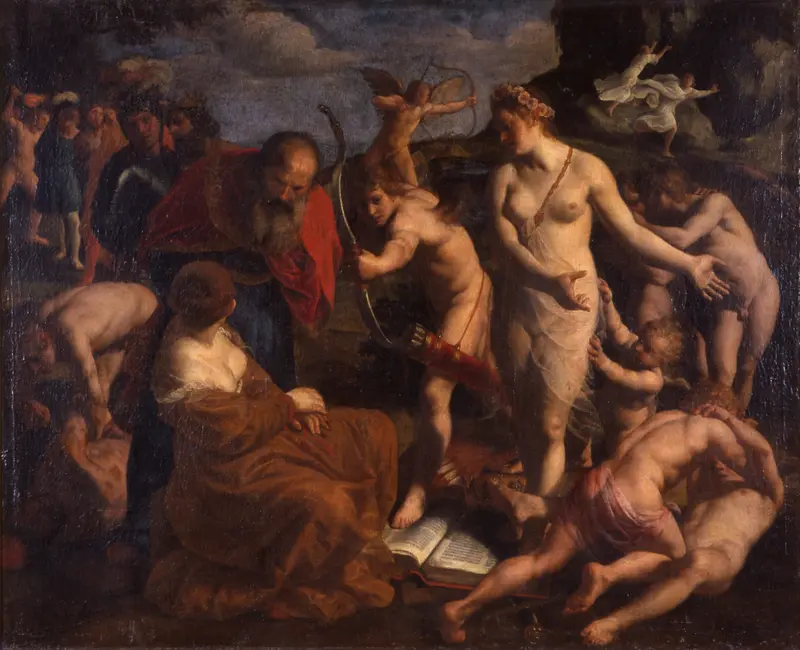
Allegory on the Power of Love ('Omnia Vincit Amor')
Alessandro Turchi
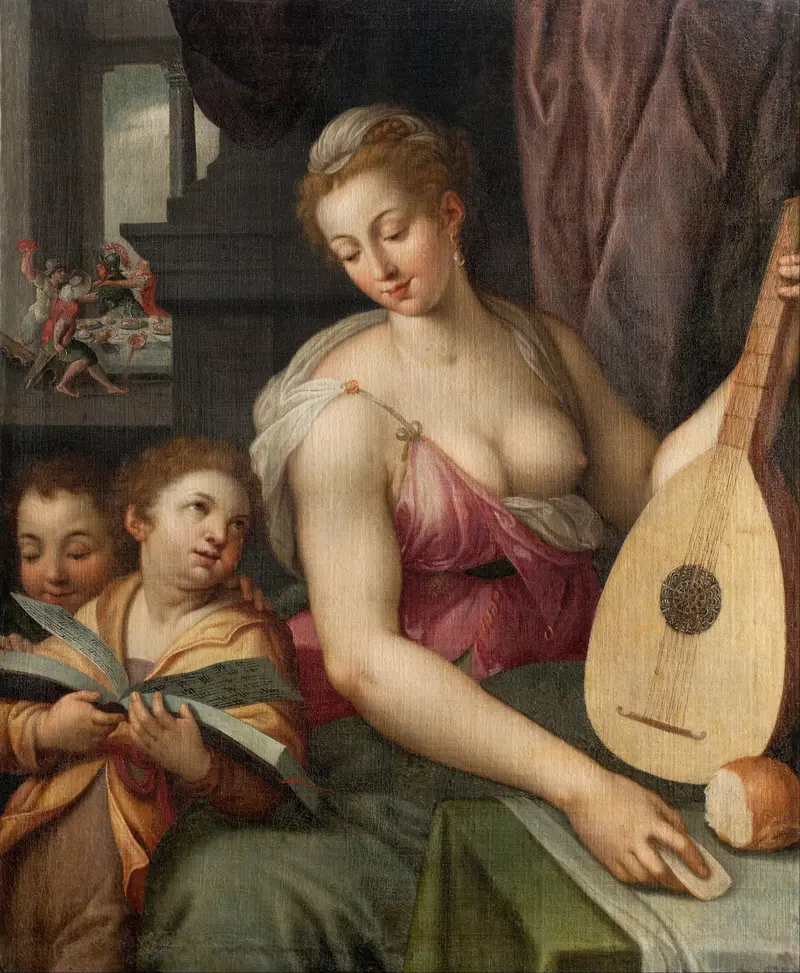
Allegory of Music
Alessandro Turchi
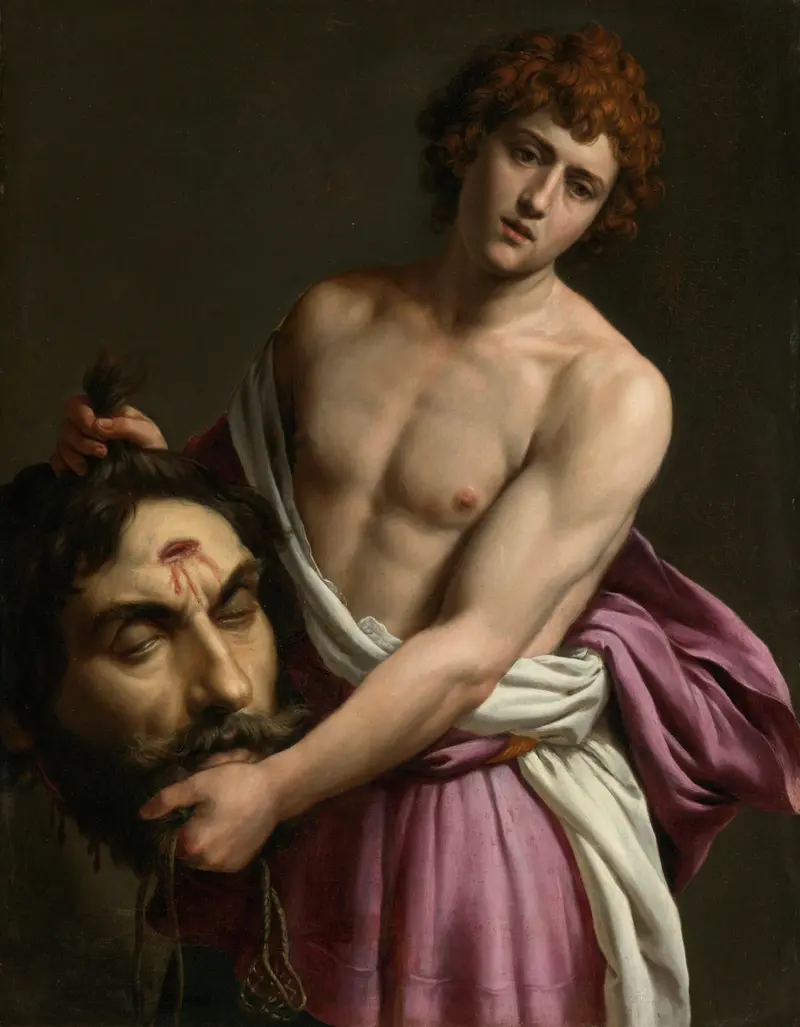
David with the Head of Goliath
Alessandro Turchi
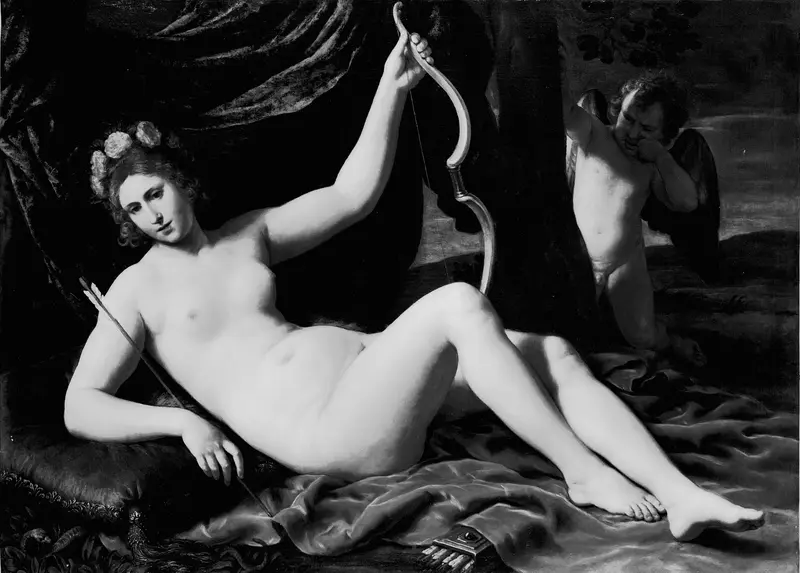
Venus and Cupid
Alessandro Turchi





