
The Flute Player — History & Facts
Few paintings from the Dutch Golden Age so vividly capture the everyday pleasures of music as The Flute Player by Abraham Bloemaert. What is most striking is that, despite Bloemaert’s reputation for grand biblical and mythological scenes, here he turns his attention to a single, humble musician—an unusual subject for an artist more often associated with elaborate allegories. The painting stands out as a rare example of Bloemaert’s engagement with genre themes, a trend that was gaining popularity in the Netherlands in the early seventeenth century. The young man, absorbed in his music, sits in a softly lit interior, his cheeks puffed as he concentrates on the notes.
His simple attire and the rustic setting suggest he is an ordinary villager, not a courtly performer. The flute, a symbol of both harmony and fleeting pleasure, rests lightly in his hands, while the gentle play of light on his face and instrument draws the viewer into the intimacy of the moment. Unlike the bustling tavern scenes of Jan Steen, Bloemaert’s approach is quieter, focusing on the solitary act of music-making and the inner world it reveals.
The artist’s sensitive rendering of texture—from the sheen of the flute to the roughness of the wooden table—invites us to appreciate the beauty in everyday life. The precise origins of The Flute Player remain uncertain; neither its date nor its original patron is known. What is clear is that works like this helped establish Bloemaert’s reputation as a versatile painter, admired by both his contemporaries and later generations. The painting’s journey through history is not well documented, and it is possible that it circulated among private collectors before entering a museum collection.
Today, it stands as a testament to Bloemaert’s ability to move between grand narratives and scenes of daily life, reflecting the shifting tastes of the Dutch art market in his time.
More Artworks by Abraham Bloemaert

Adam and Eve
Abraham Bloemaert
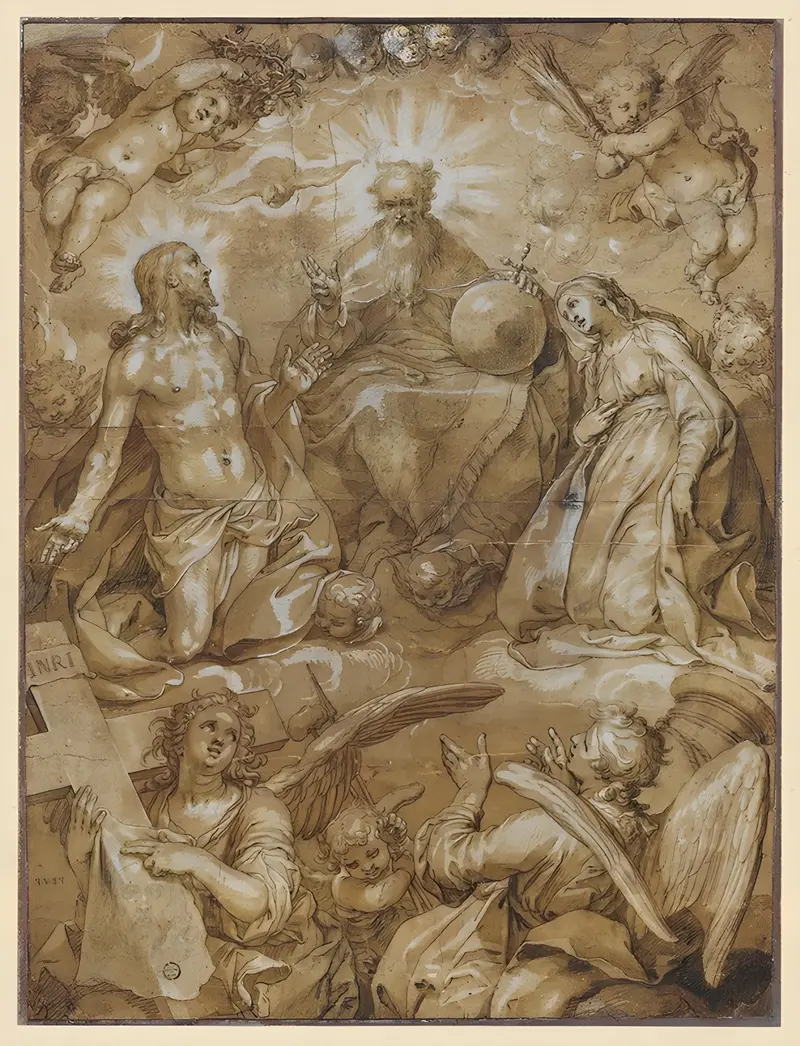
Intercession of Christ and Mary before God the Father
Abraham Bloemaert
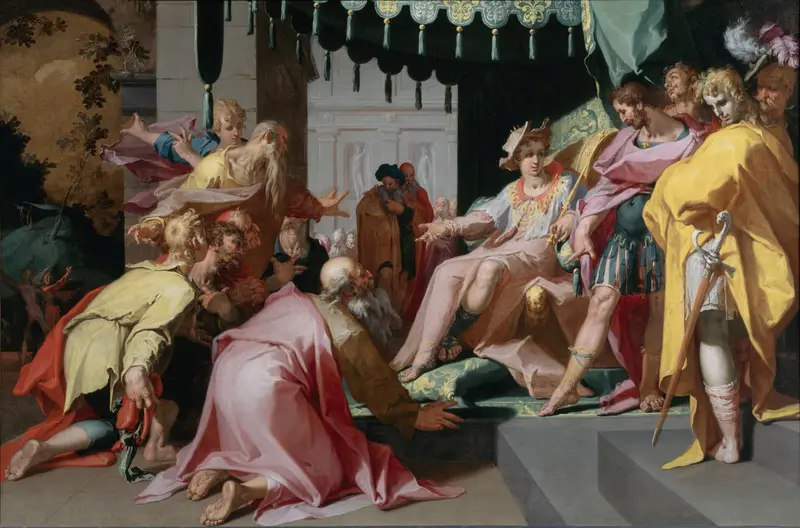
Joseph and his Brothers
Abraham Bloemaert
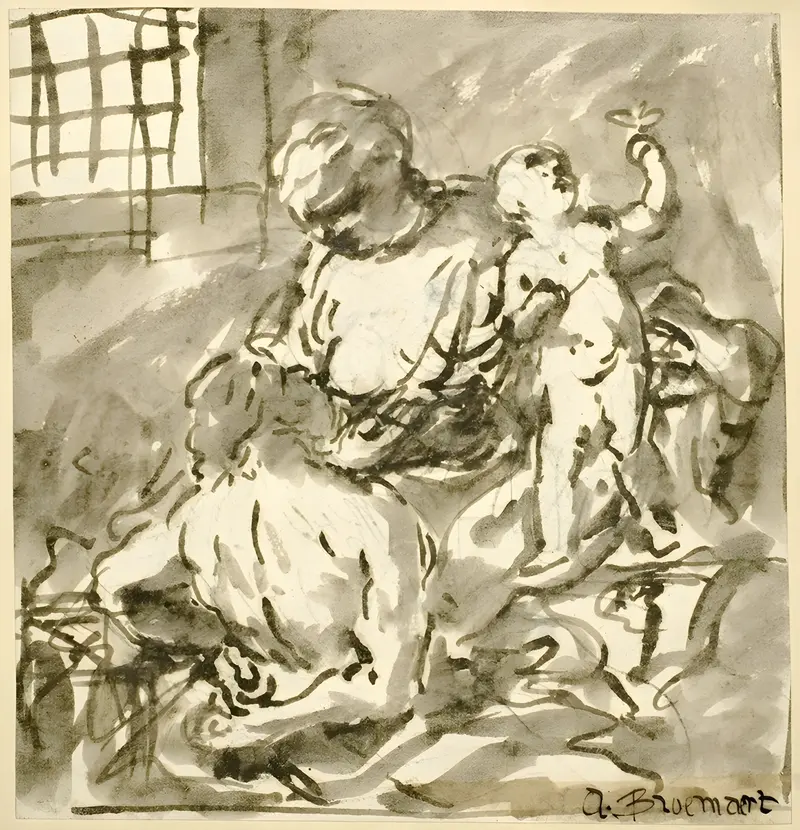
Caritas Romana
Abraham Bloemaert
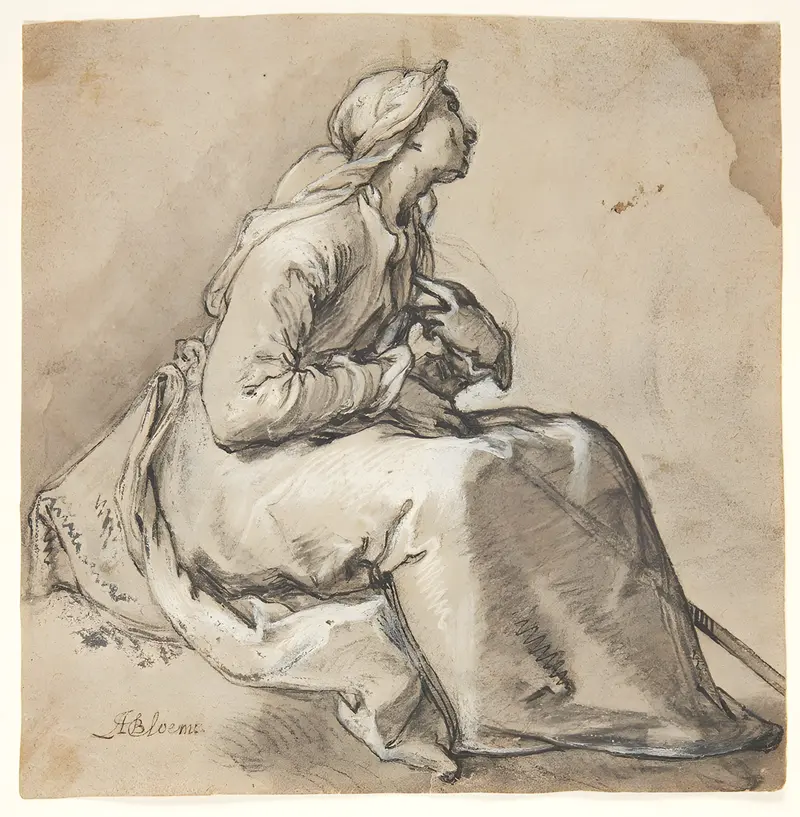
A seated woman facing right
Abraham Bloemaert
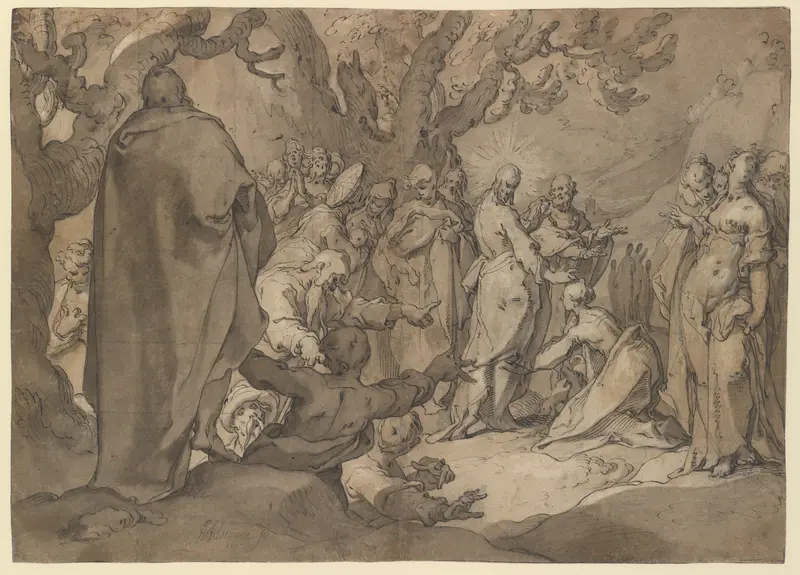
Christ and the Canaanite Women
Abraham Bloemaert
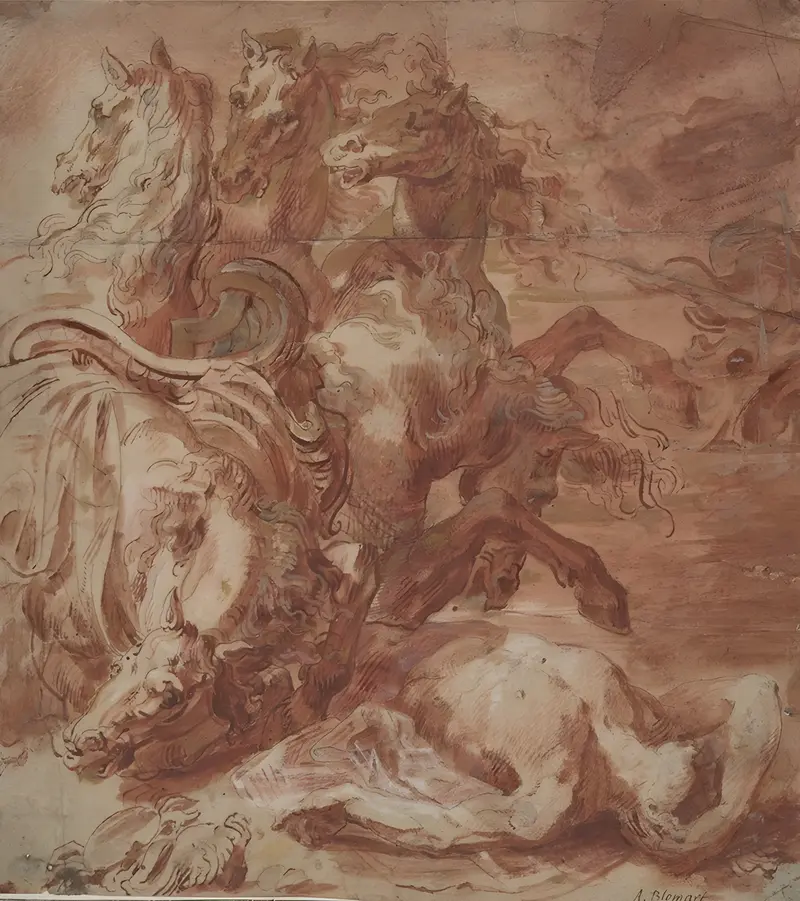
Hippolytus
Abraham Bloemaert
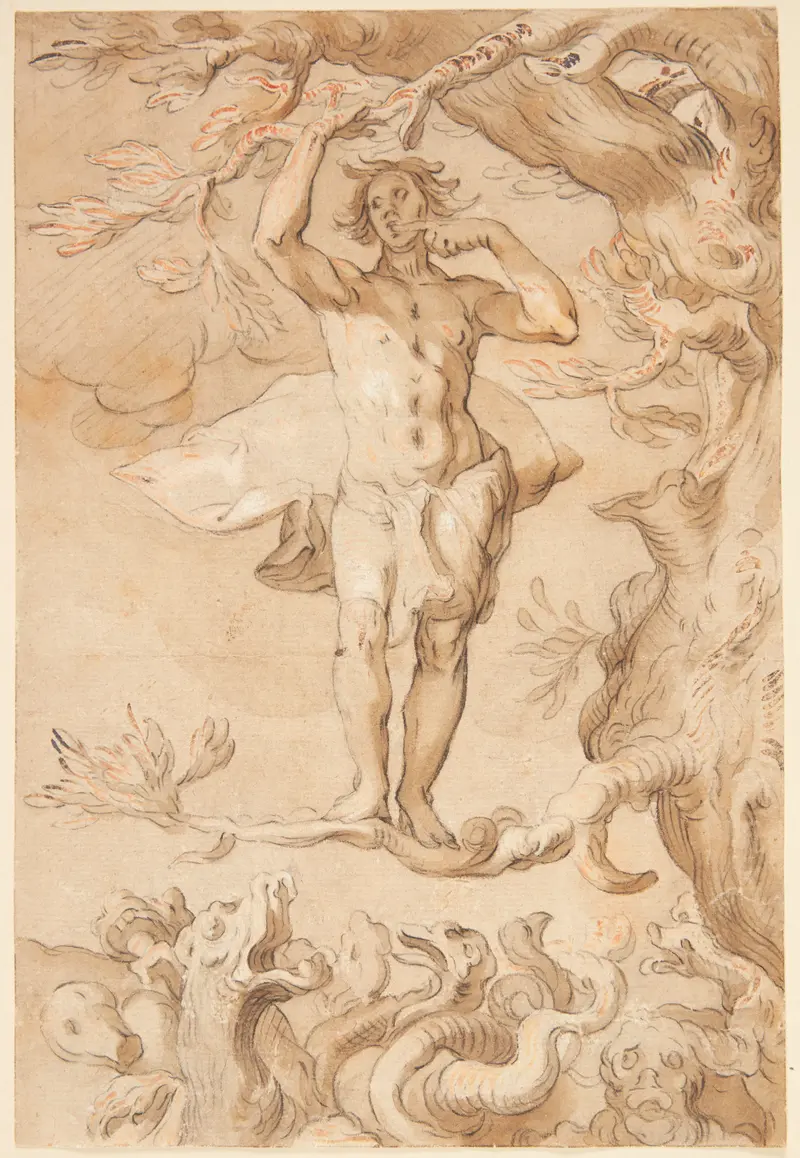
Den menneskelige glædes skrøbelighed En mand, der jages af en drage, klynger sig til en gren, mens han slikker honning af sin finger
Abraham Bloemaert

Moses Striking the Rock
Abraham Bloemaert
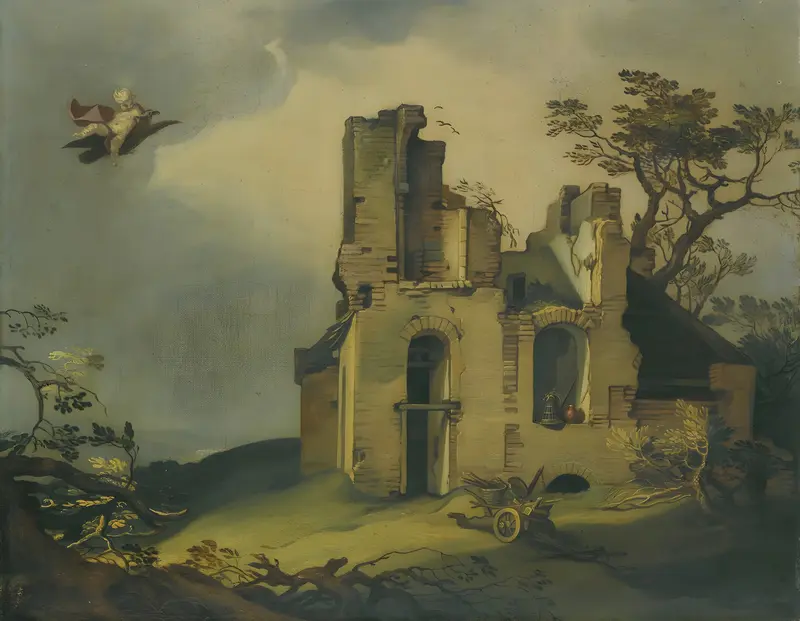
A Landscape With Ruins, With The Rape Of Ganymede
Abraham Bloemaert
More Genre Scene Art

Banquet of the Officers of the St George Civic Guard
Frans Hals

Rembrandt and Saskia in the Scene of the Prodigal Son
Rembrandt van Rijn

Bal du moulin de la Galette
Pierre-Auguste Renoir

Quadrille at the Moulin Rouge
Henri de Toulouse-Lautrec

A Burial at Ornans
Gustave Courbet

When Will You Marry?
Paul Gauguin