
The Foot Doctor — History & Facts
What draws the eye first in The Foot Doctor is not the act of healing, but the grimace of the patient—mouth agape, eyes squeezed shut, a portrait of discomfort frozen in oil. The composition pulls you into a cramped, dimly lit interior, where every surface seems to absorb the earthy browns and ochres of daily life. Light falls from the left, catching the fur trim of the kneeling doctor’s cap and the patient’s pained expression, making their drama the focal point.
The doctor’s concentration is palpable, his hands steady as he tends to the bare foot, while a woman in the background, hunched over her own task, seems oblivious to the scene, lost in her own world. The clutter of objects—a skull on the shelf, a bowl, scattered tools—suggests a space where necessity rules, and comfort is rare. Works like this by Adriaen Brouwer belong to a world where genre painting flourished in the Low Countries, delighting viewers with glimpses of ordinary people in moments of folly, pain, or pleasure. In the seventeenth century, such scenes were prized by a new class of collectors: urban merchants and craftsmen who saw their own lives, with all their hardships and humor, reflected in these humble interiors.
Brouwer’s talent for capturing raw emotion and everyday drama set him apart, his brushwork loose yet precise enough to conjure the sting of a crude medical procedure. Now in the National Gallery of Ireland, this painting stands as a rare survivor of a tradition that found dignity and fascination in the rough edges of life—inviting us to search the shadows for stories still untold.
More Artworks by Adriaen Brouwer

The Smokers
Adriaen Brouwer
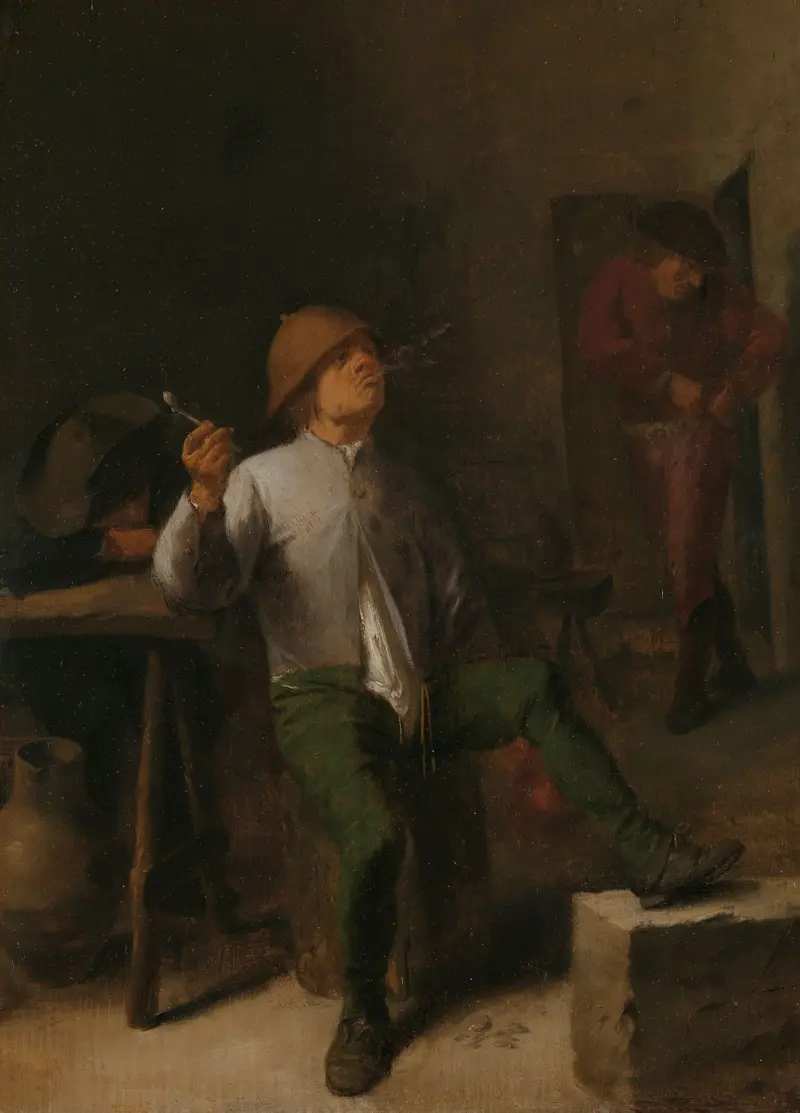
The Smoker
Adriaen Brouwer
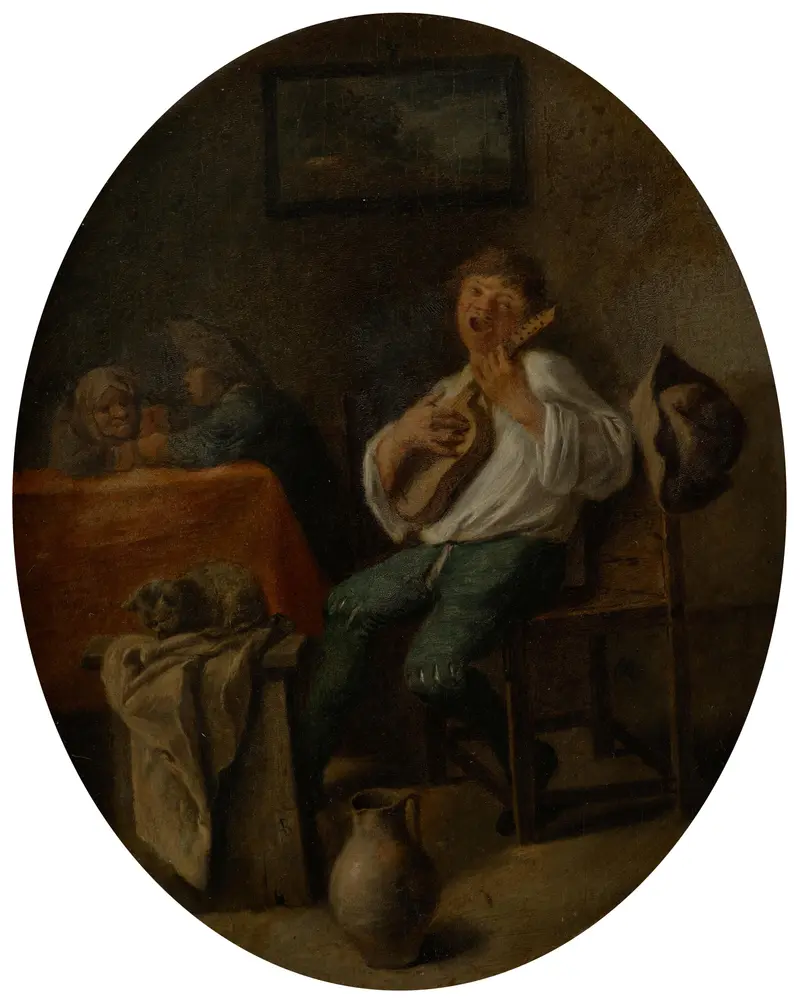
The Guitar Player
Adriaen Brouwer
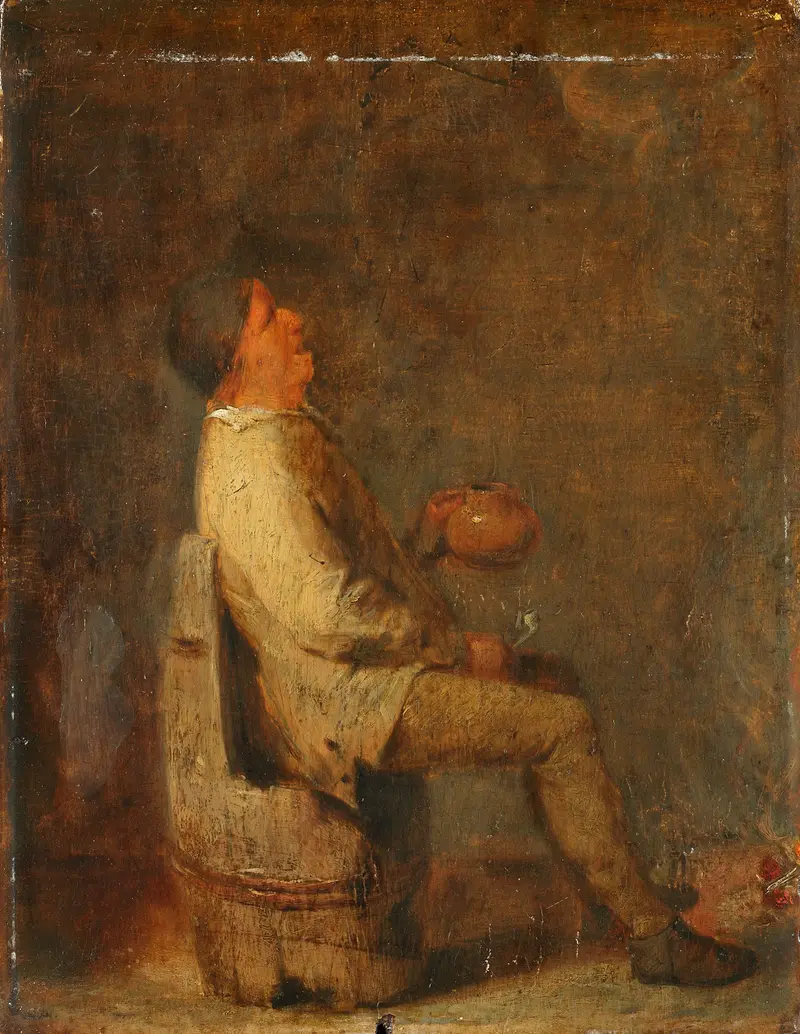
A Peasant Singing
Adriaen Brouwer
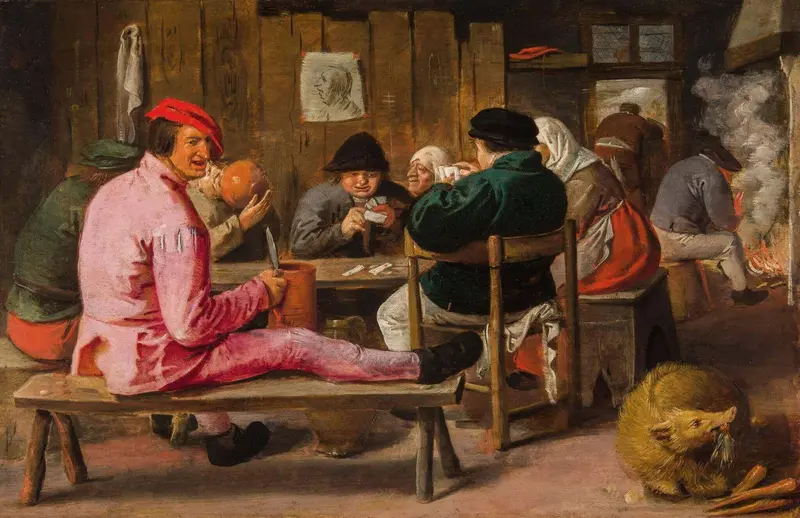
Merry Peasants in an Inn
Adriaen Brouwer
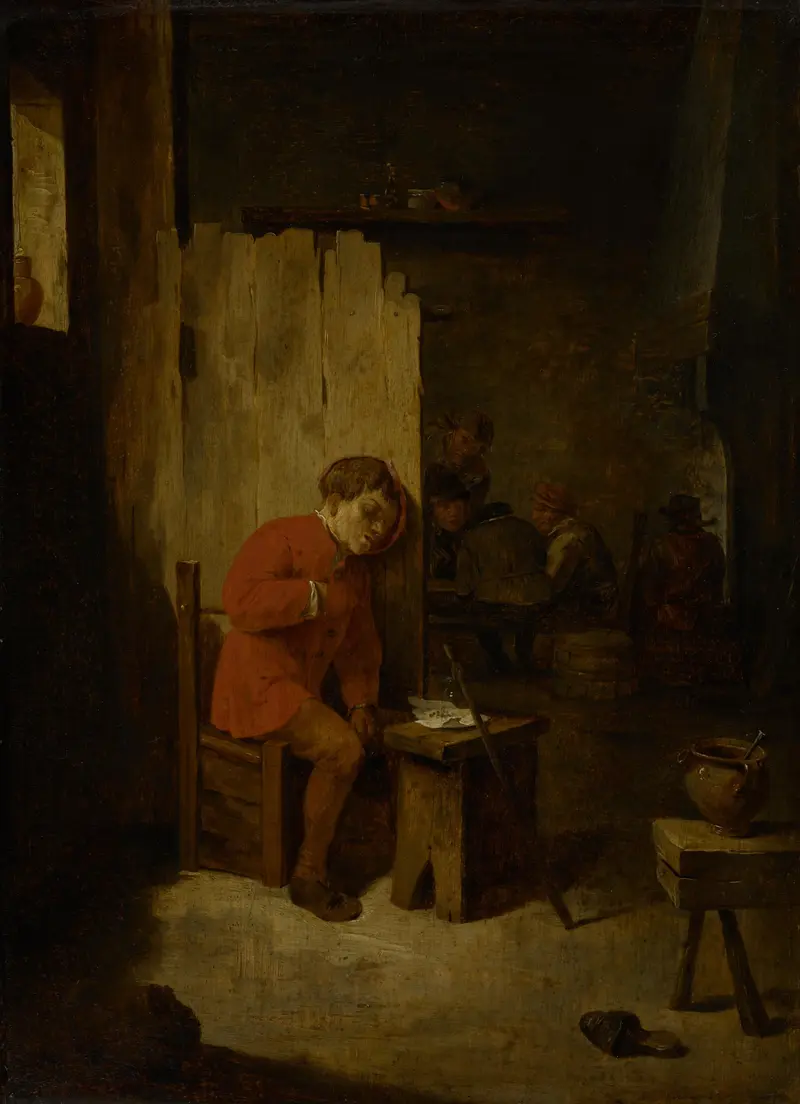
Nachahmer, Schlafender Bauer 853G Gemäldegalerie
Adriaen Brouwer
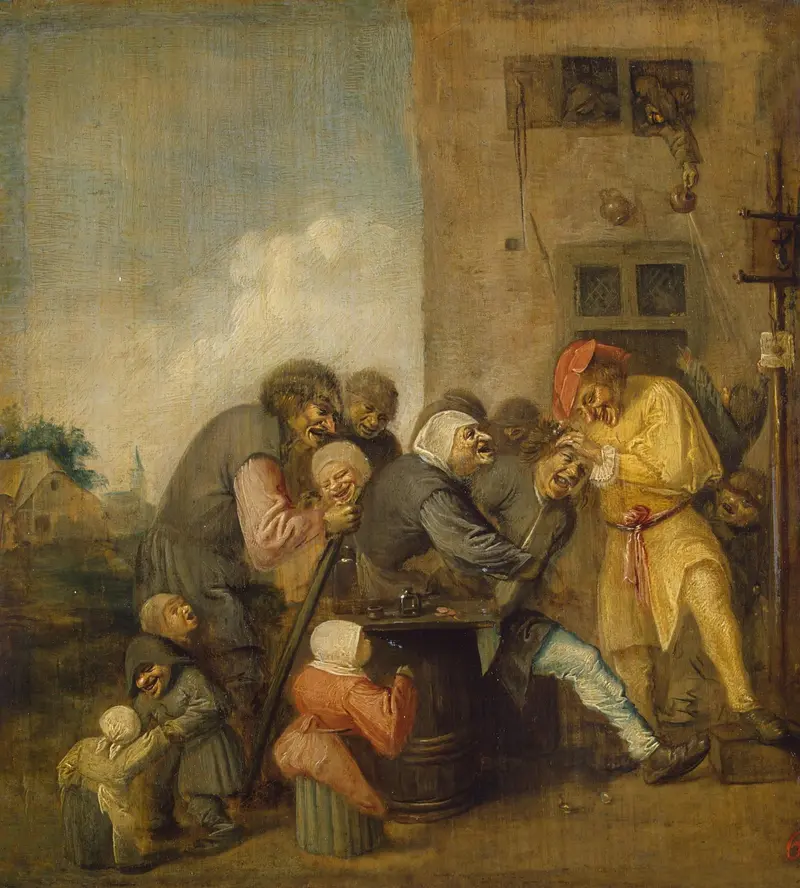
Village Charlatan (The Operation for Stone in the Head)
Adriaen Brouwer
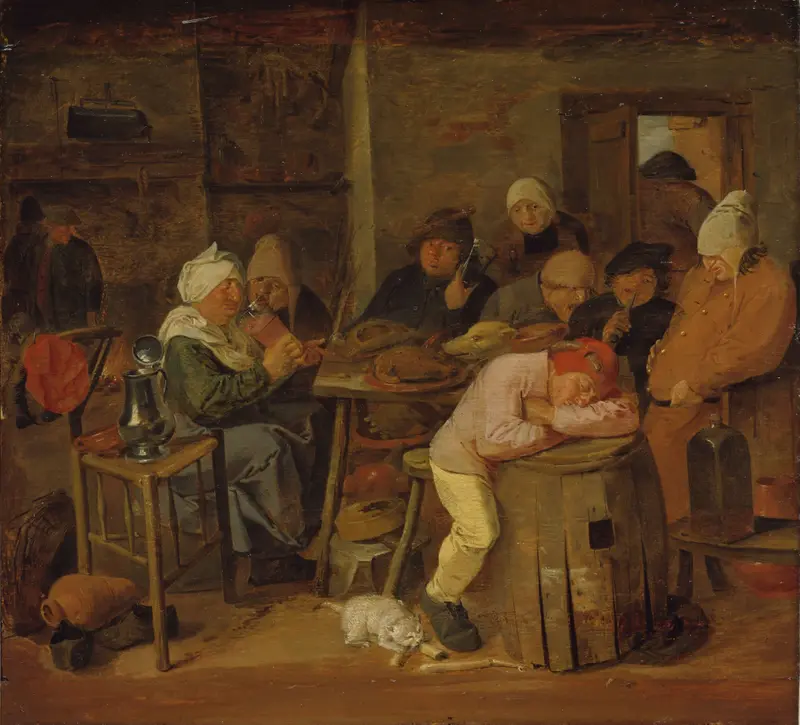
Peasants in an interior (The slaughter feast)
Adriaen Brouwer
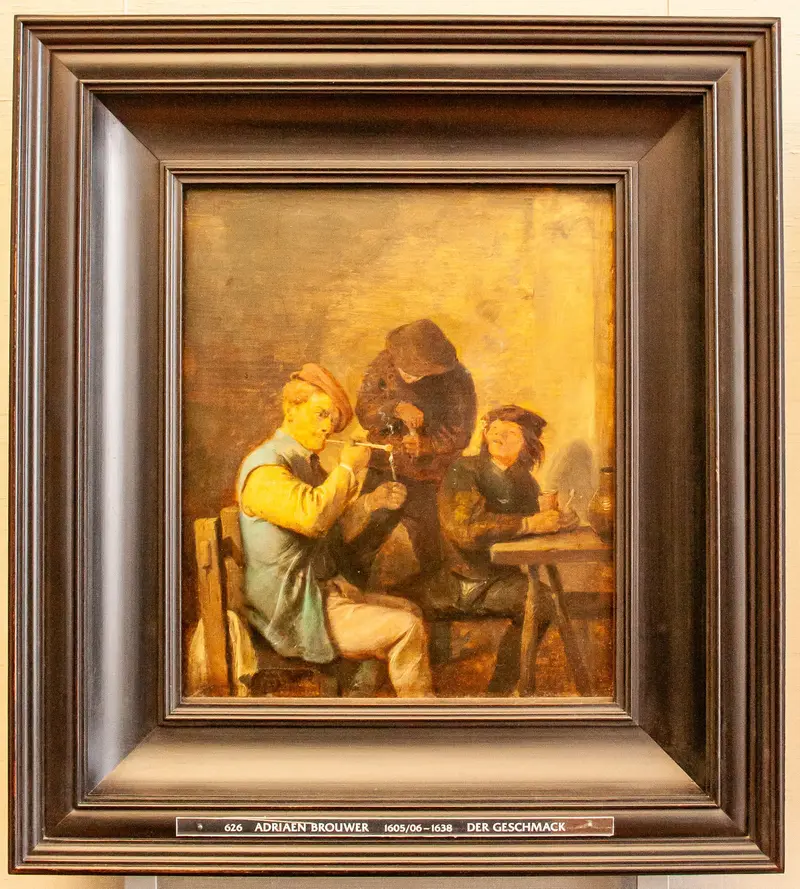
The Taste
Adriaen Brouwer
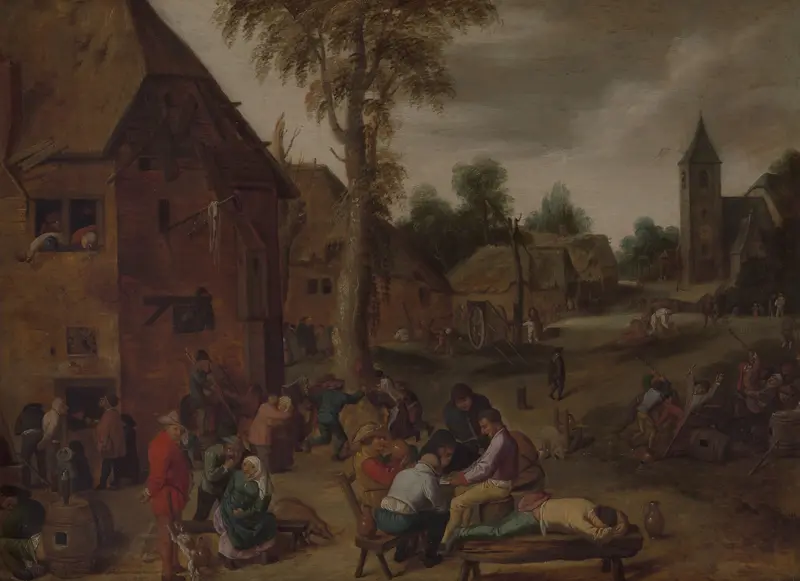
A Fair
Adriaen Brouwer
More Genre Scene Art

Banquet of the Officers of the St George Civic Guard
Frans Hals

Rembrandt and Saskia in the Scene of the Prodigal Son
Rembrandt van Rijn

Bal du moulin de la Galette
Pierre-Auguste Renoir

Quadrille at the Moulin Rouge
Henri de Toulouse-Lautrec

A Burial at Ornans
Gustave Courbet

When Will You Marry?
Paul Gauguin