
The Funeral of a Bishop Saint — History & Facts
No one knows for certain which bishop saint lies at the heart of The Funeral of a Bishop Saint, a mystery that has intrigued scholars for centuries. Painted by Giotto di Bondone in 1411, this panel stands as one of the last works attributed to the artist, whose innovations shaped the course of Western painting. The lack of a clear inscription or identifying attribute has led to lively debate: is the figure Saint Nicholas, Saint Zeno, or perhaps a more local holy man? The uncertainty only deepens the painting’s aura, inviting viewers to join the centuries-long search for the saint’s name. Giotto captures the charged moment when the bishop’s body, draped in a golden cope, lies in state before the altar, surrounded by grieving clergy and townsfolk.
The mourners’ faces, each individualized in their sorrow, draw the eye across the composition, while the bishop’s mitre and crozier rest at his side, symbols of his office and sanctity. Above, angels hover in a shallow gold sky, their gestures echoing the lament below, as if heaven and earth mourn together. The crowd’s compressed arrangement and the architectural setting recall Giotto’s earlier frescoes in the Scrovegni Chapel, but here the drama is quieter, the gestures more restrained—a marked contrast to the more theatrical funerals painted by later artists like Fra Angelico. The painting’s origins are shrouded in uncertainty: while some believe it was commissioned for a Florentine chapel, others suggest it was part of a larger altarpiece, now lost.
Over the centuries, The Funeral of a Bishop Saint has passed through the hands of private collectors and religious institutions, its attribution to Giotto occasionally questioned but now widely accepted by scholars. Today, it stands as a testament to the late Gothic period’s shift toward human emotion and narrative clarity, and as a poignant farewell from one of the fathers of Renaissance art.
More Artworks by Giotto di Bondone
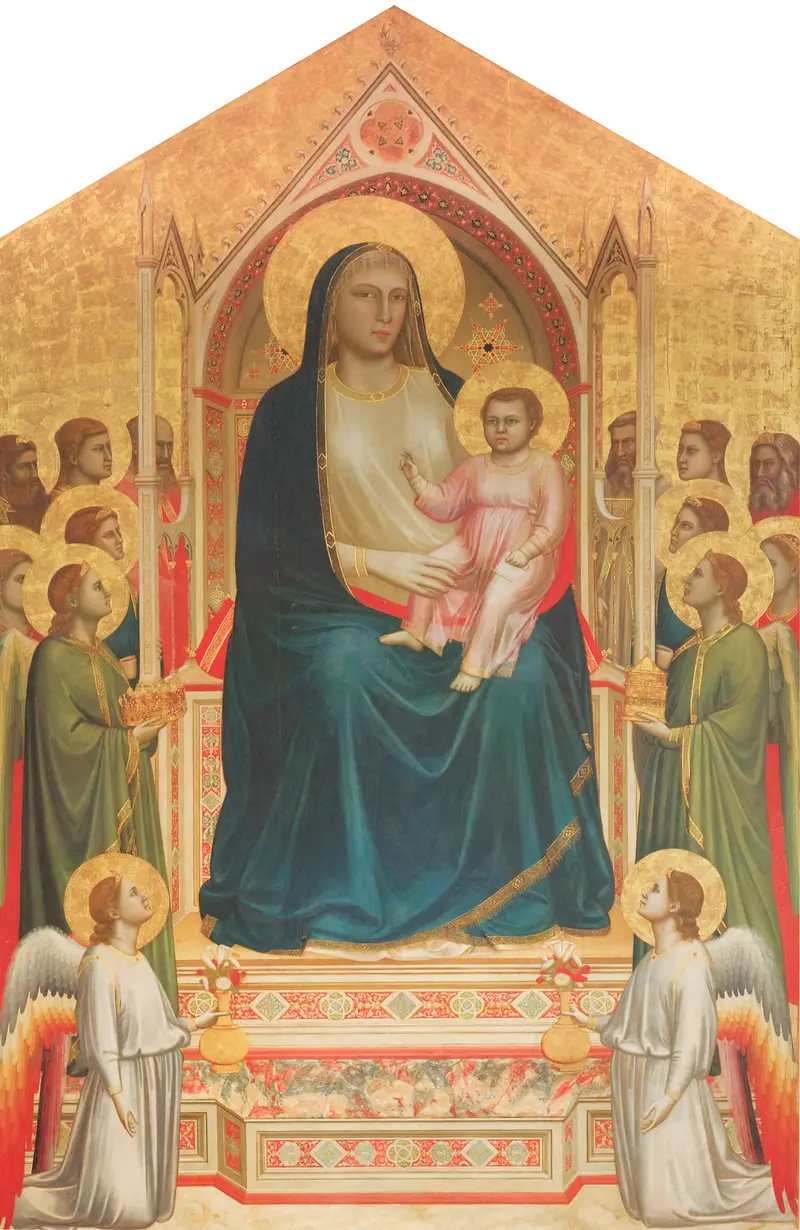
Ognissanti Madonna
Giotto di Bondone
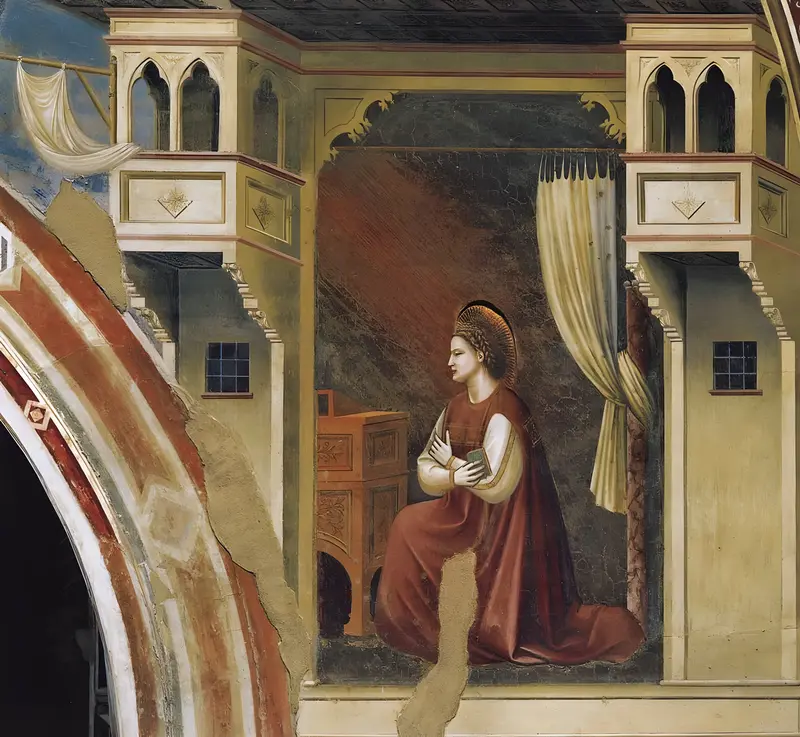
The Virgin of the Annunciation
Giotto di Bondone
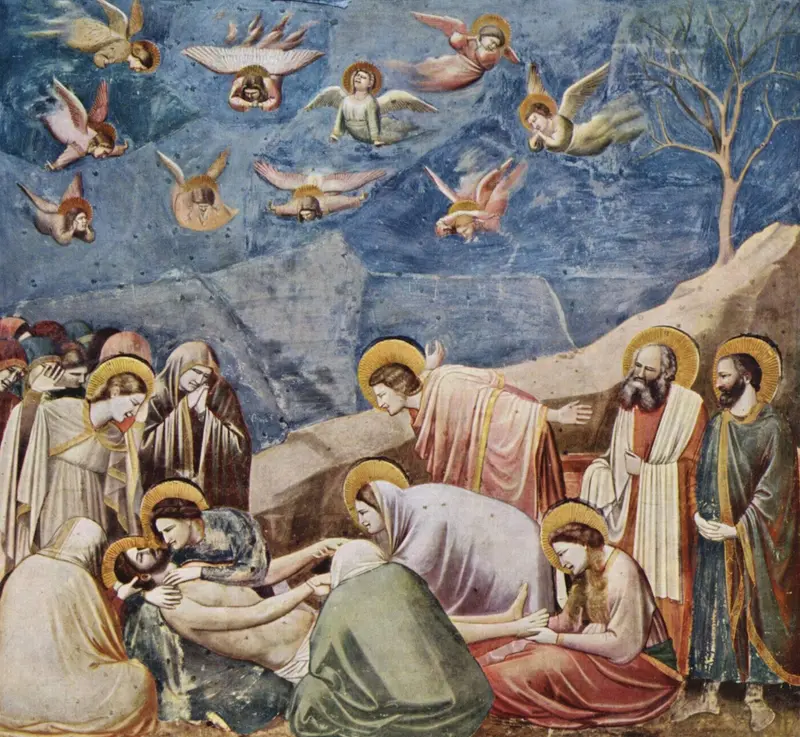
Lamentation (The Mourning of Christ)
Giotto di Bondone
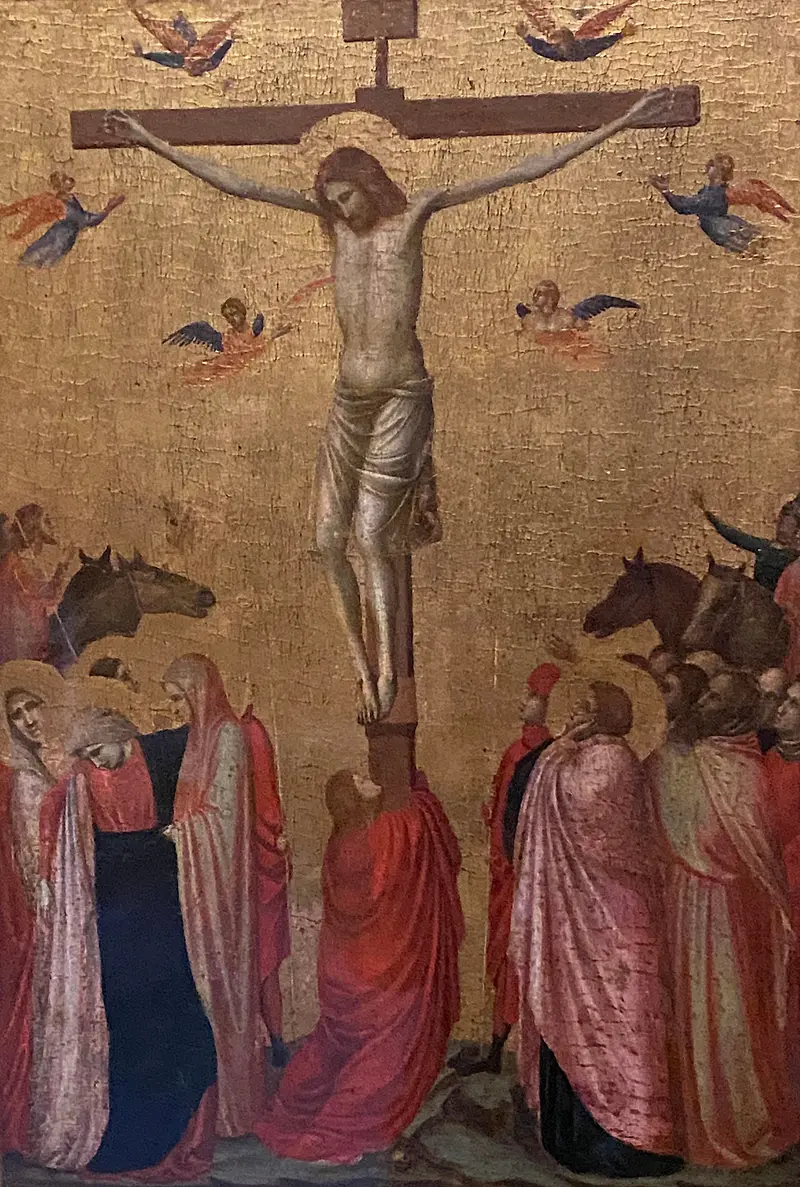
Crucifixion of Strasbourg
Giotto di Bondone
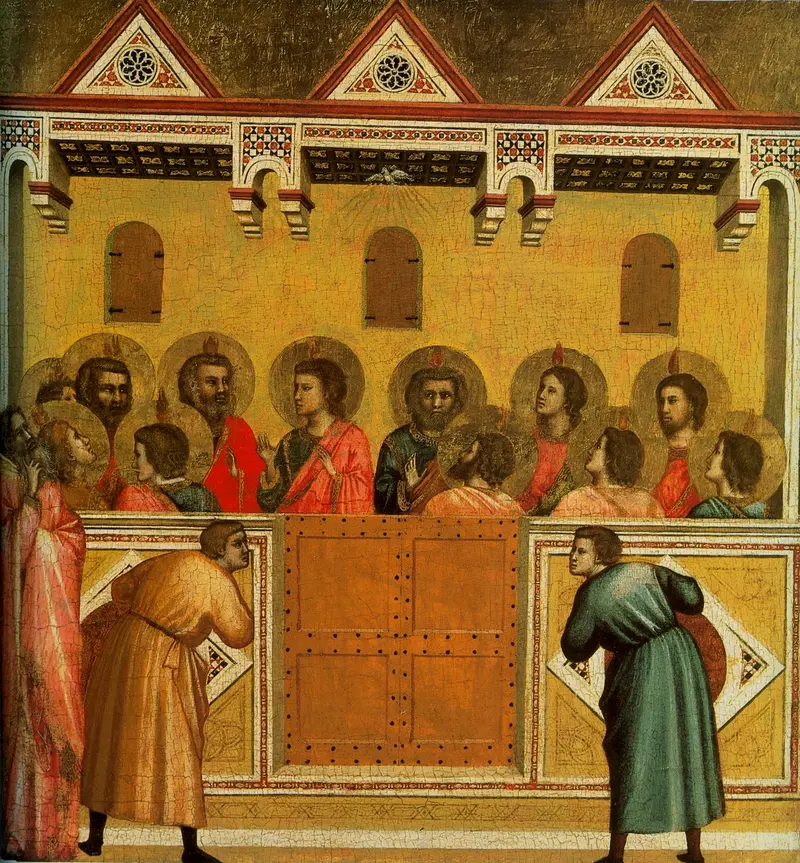
Pentecost
Giotto di Bondone
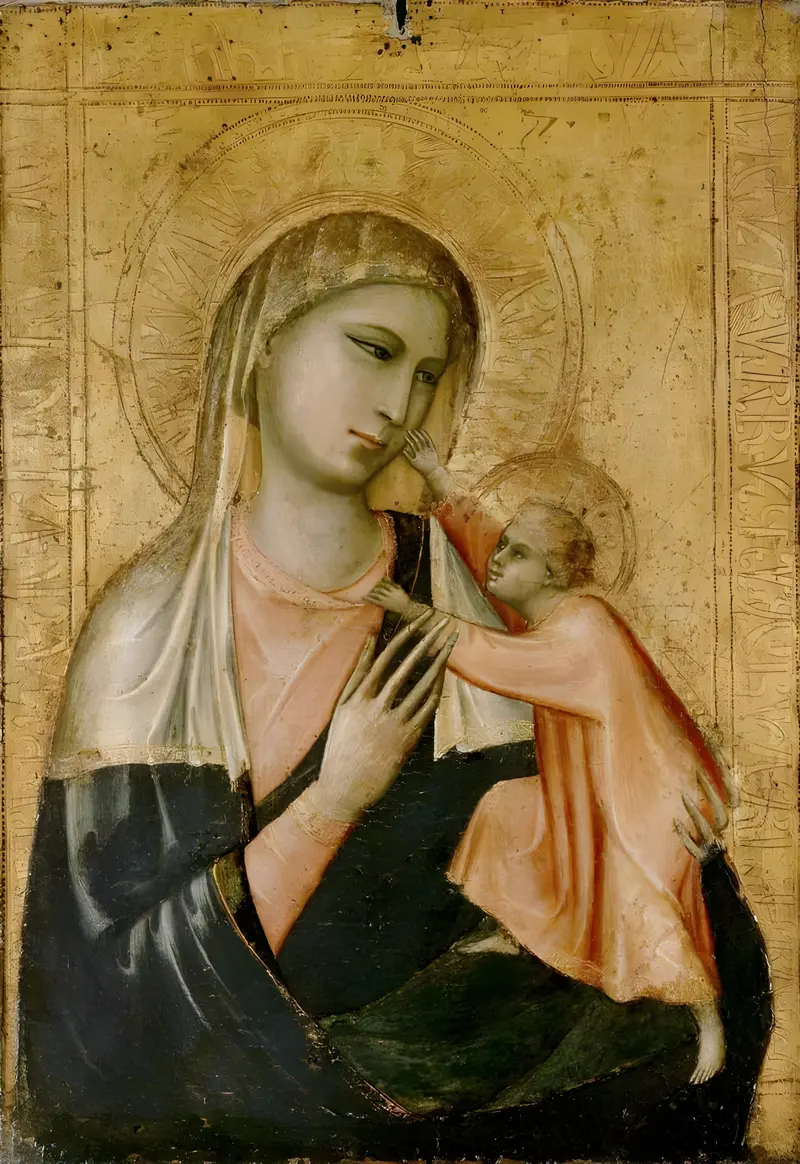
The Virgin and Child
Giotto di Bondone
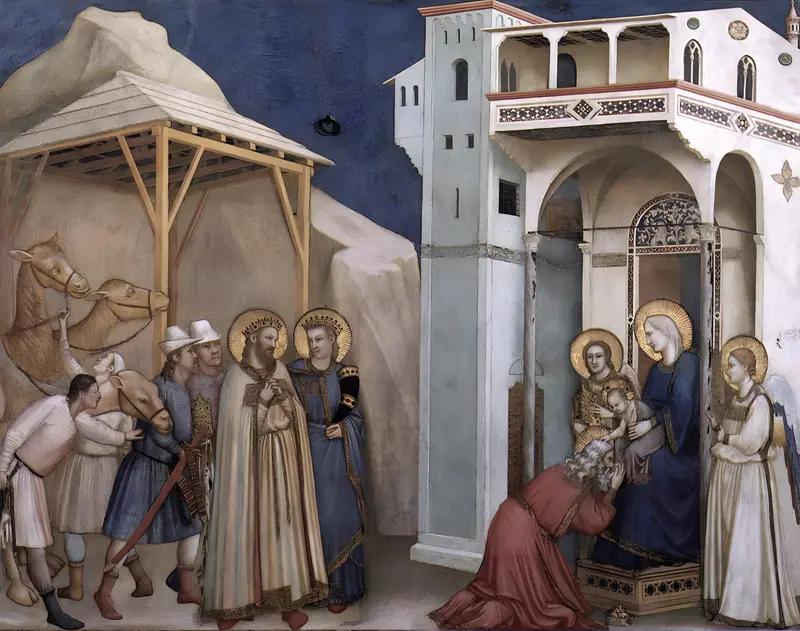
Anbetung der Könige
Giotto di Bondone
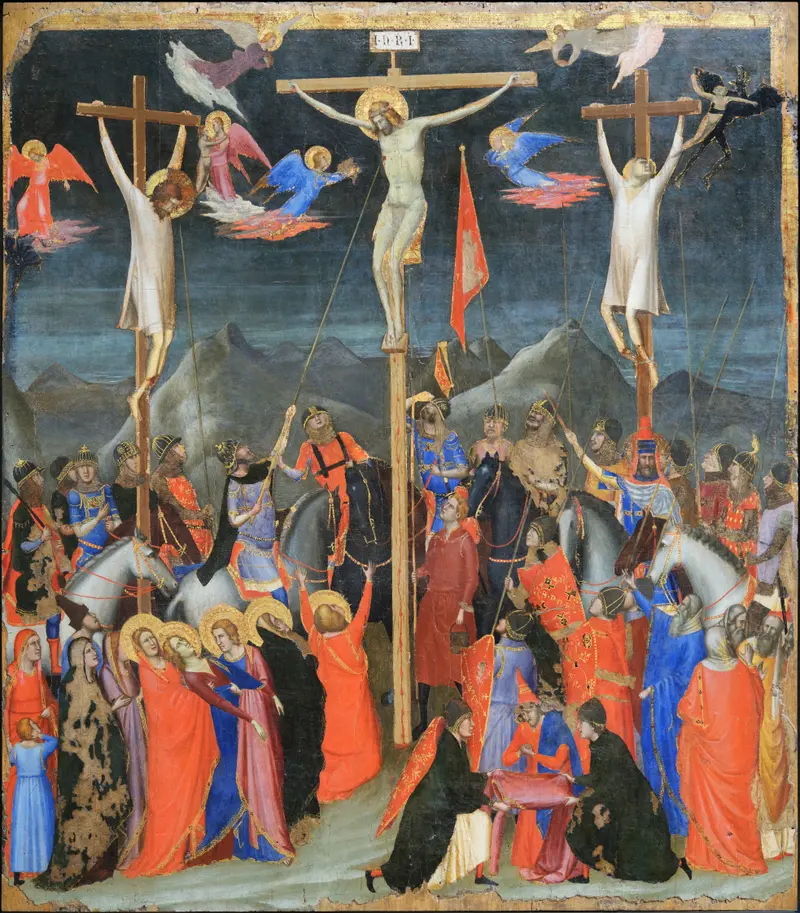
Crucifixion
Giotto di Bondone
The Visitation
Giotto di Bondone
Bologna Polyptych
Giotto di Bondone





