
The Garbage Cart — History & Facts
Could a single brushstroke hold eternity? In The Garbage Cart, William P. Chappel invites us to confront the unseen beauty lurking within the mundane, awakening our senses to the artistry of daily life. Look to the left at the cart, where a rough-hewn wooden frame cradles its contents—a chaotic array of refuse, yet rendered with a care that draws the eye. The artist's earthy palette evokes a tactile quality; ochres and browns mingle, grounding the viewer in a moment that is both ordinary and profound.
The interplay of light and shadow highlights the textures of the discarded materials, while subtle hints of impasto add depth to the scene, inviting closer inspection. Beyond the surface, this work emphasizes contrast: the juxtaposition of beauty against decay prompts reflection on societal neglect and the overlooked aspects of existence. Chappel’s choice to spotlight refuse elevates it to a point of contemplation, suggesting that even in forgotten corners, potential awaits. The figures in the background—perhaps laborers or passersby—remain intentionally obscured, hinting at the collective human experience that often goes unnoticed in the hustle of life. In the 1870s, while creating this piece, Chappel was part of a burgeoning realism movement that sought to depict life authentically, often focusing on the unglamorous.
Working in America during a time of rapid urbanization and change, he captured the essence of a society grappling with its own transformation, illuminating the dignity found in every corner of life, even where it might be least expected.
More Artworks by William P. Chappel
Browse all →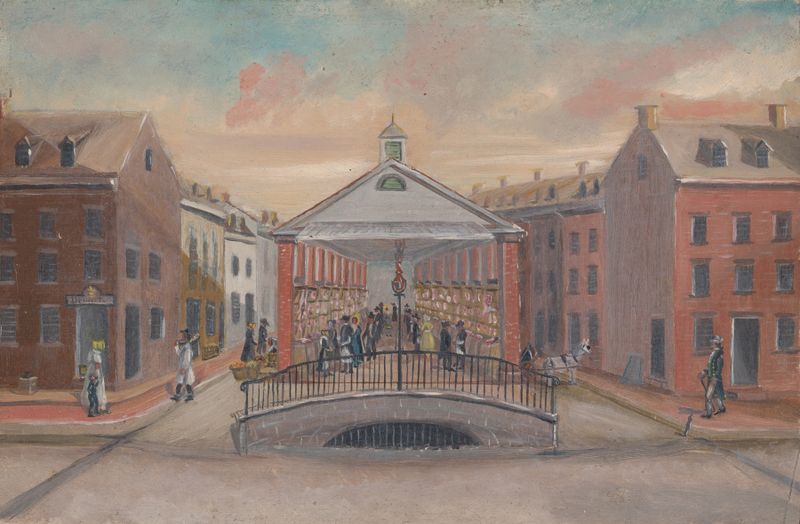
Fly Market
William P. Chappel
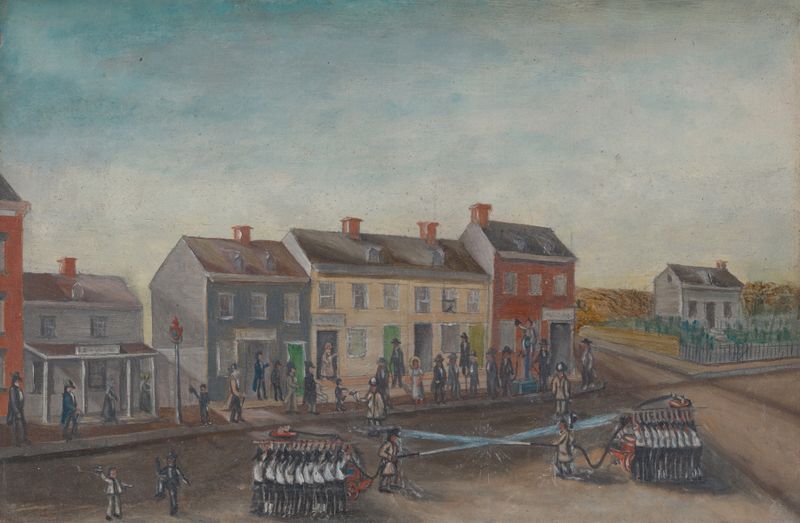
Firemen’s Washing Day
William P. Chappel
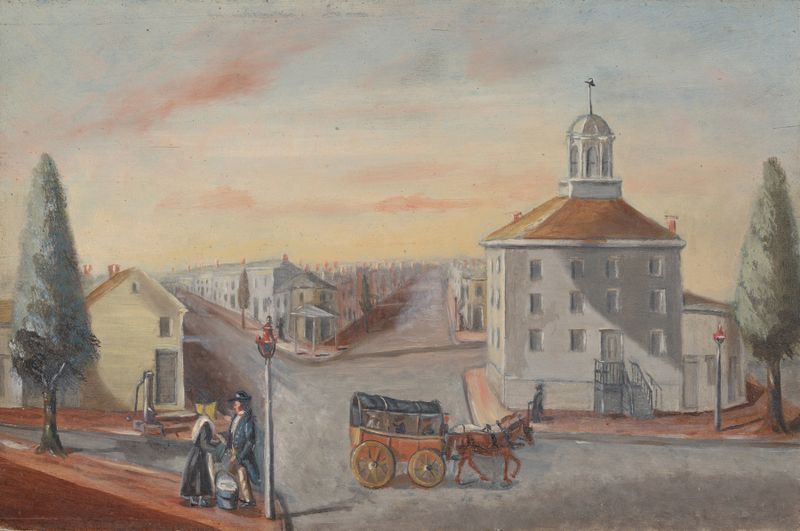
Hot Corn Seller
William P. Chappel
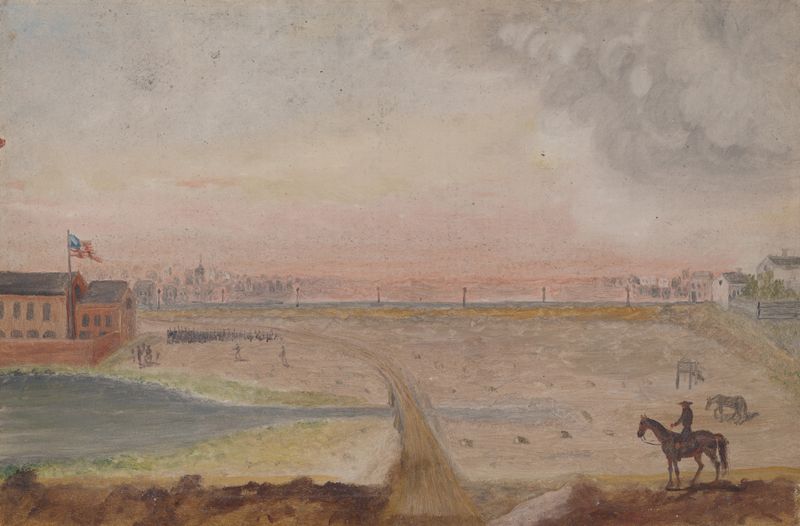
Militia Drilling
William P. Chappel
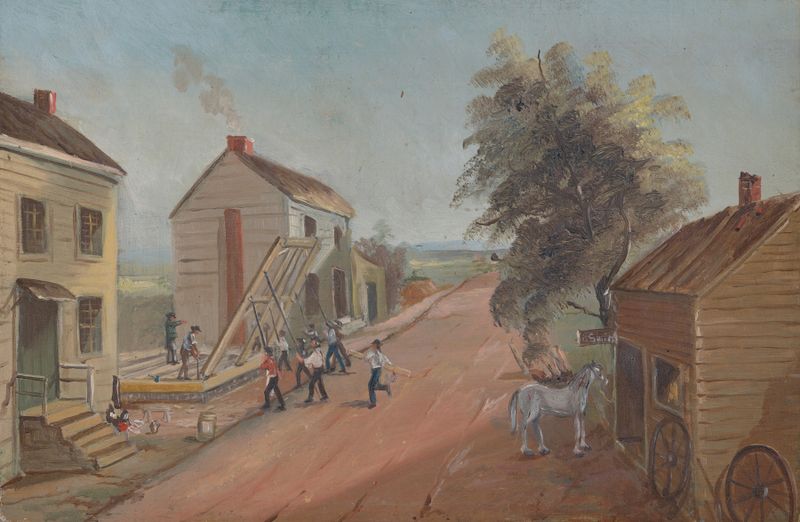
House Raising
William P. Chappel
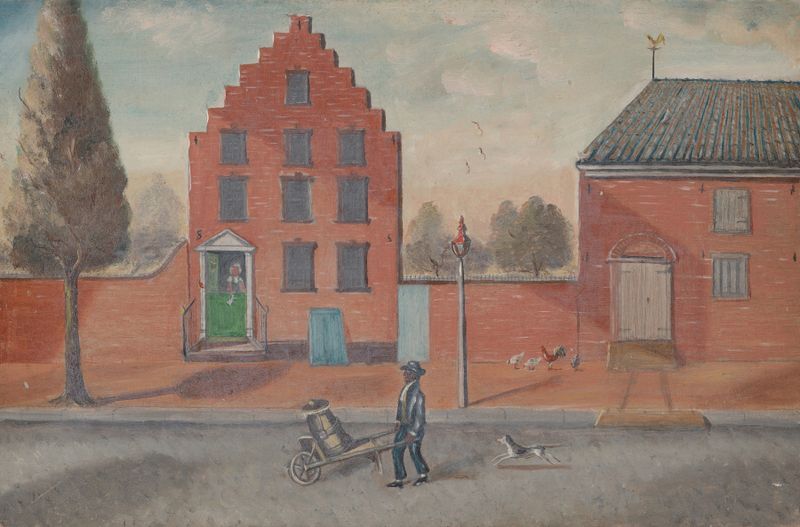
Buttermilk Pedlar
William P. Chappel
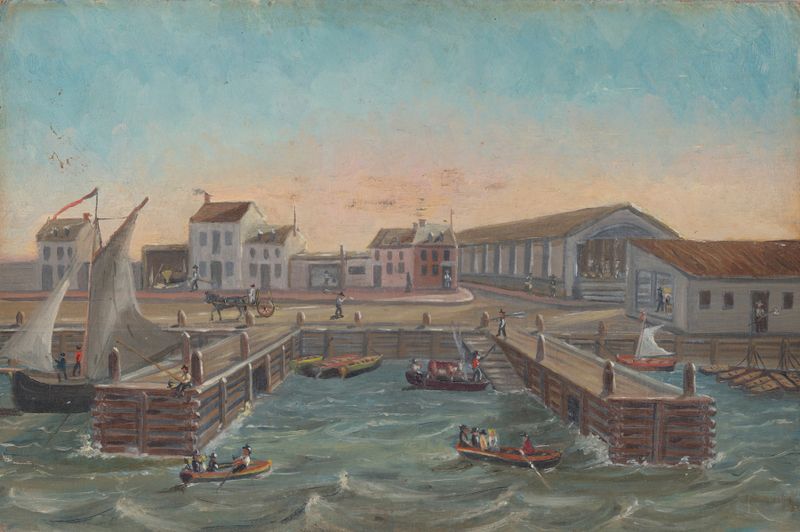
Old Ferry Stairs
William P. Chappel
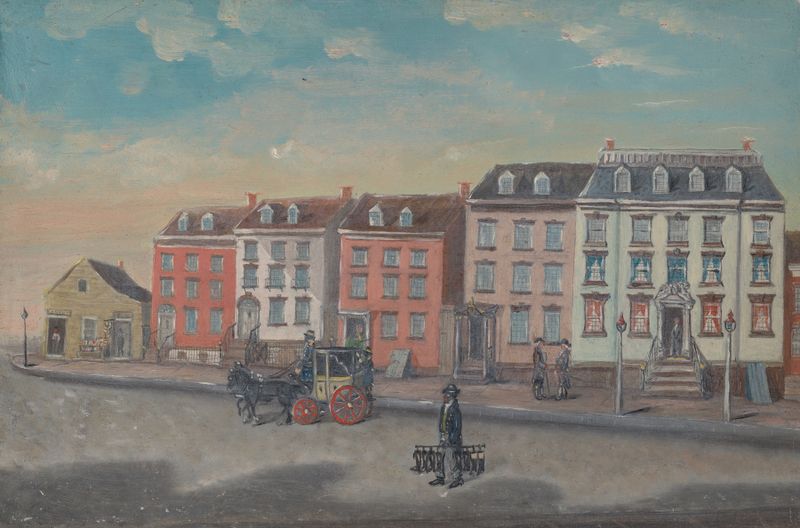
The Boot Black
William P. Chappel
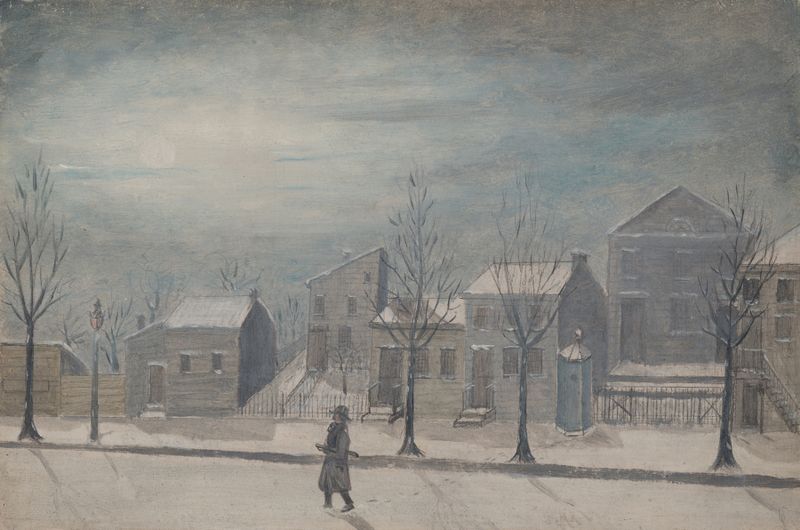
City Watchman
William P. Chappel
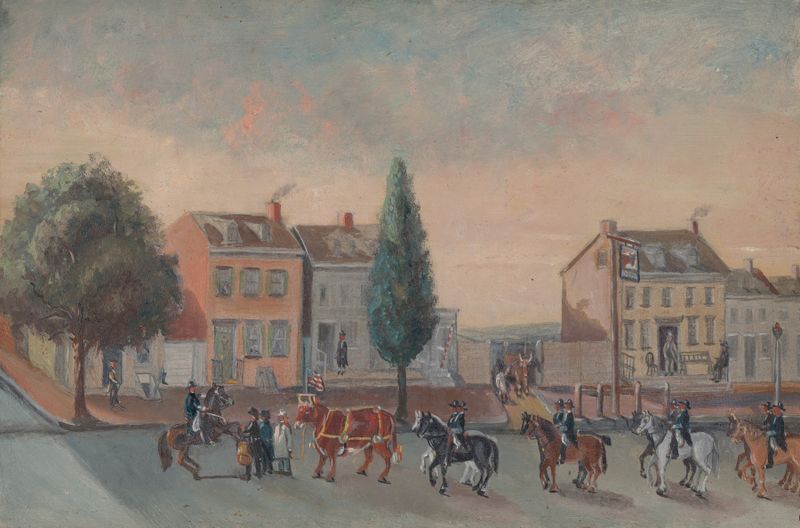
Bull’s Head Tavern
William P. Chappel





