
The Grazing Horse — History & Facts
When Albert Pinkham Ryder exhibited The Grazing Horse in 1872, it marked one of the earliest public showings of his career, and the painting’s fate became a point of fascination among critics and collectors alike. Unlike his later, brooding seascapes, this work captures a moment of rural calm, and its survival offers a rare glimpse into Ryder’s formative years—an era from which few paintings remain. The piece’s early exhibition at the National Academy of Design in New York was noted in contemporary press, with one reviewer remarking on its "singular quietude." Today, the painting is often discussed as a window into the artist’s evolving style before he turned to the shadowy allegories that would define his legacy. The scene itself is simple but quietly charged: a lone horse, head bent, grazes in a sunlit meadow, its form rendered with Ryder’s distinctive, almost sculptural brushwork.
The animal’s isolation amid the open field hints at a sense of contemplation, a theme Ryder would revisit in later works. The soft, diffused light bathes the horse and grass in gentle tones, emphasizing the tranquility of the moment. Unlike the precise anatomical studies of George Stubbs, whose horses are poised and monumental, Ryder’s creature is humble, nearly blending into the landscape, as if to suggest the unity of animal and earth.
The painting’s quiet mood invites viewers to pause, reflecting on the simple dignity of the everyday. Little is known about the early provenance of The Grazing Horse, and the specifics of its commission, if any, remain undocumented. What is clear is that the work stands apart from the symbol-laden, heavily reworked canvases of Ryder’s later years, where layers of paint and varnish often obscured his subjects. As such, it offers scholars a rare, unvarnished look at his early technique and interests.
The painting has passed through private collections and, though its current location is not widely publicized, it is occasionally loaned for exhibitions exploring American art of the 19th century. For admirers of Albert Pinkham Ryder, this modest scene is a touchstone—a reminder of the quiet beginnings from which his more enigmatic visions would later emerge.
More Artworks by Albert Pinkham Ryder

The Toilers of the Sea
Albert Pinkham Ryder
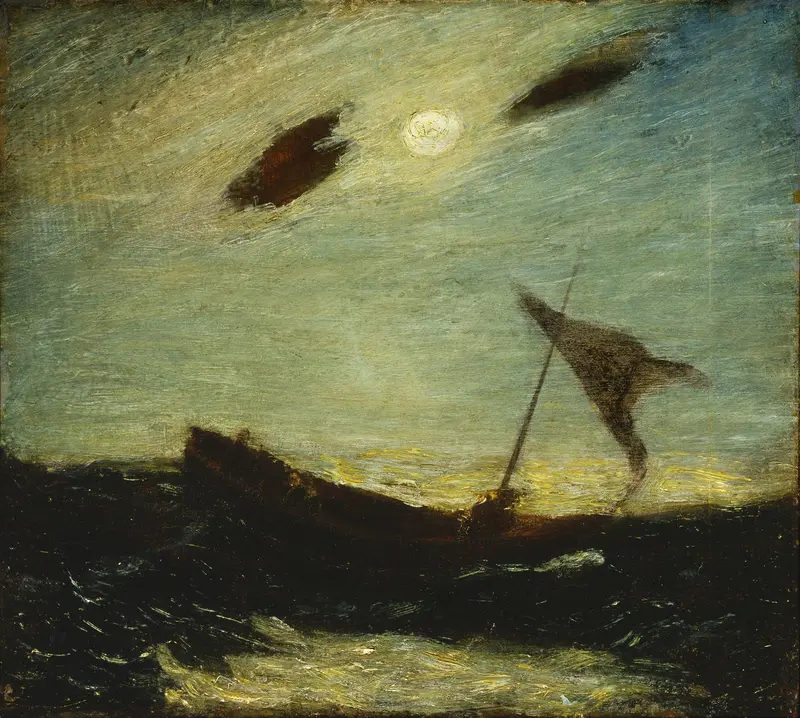
Moonlight
Albert Pinkham Ryder
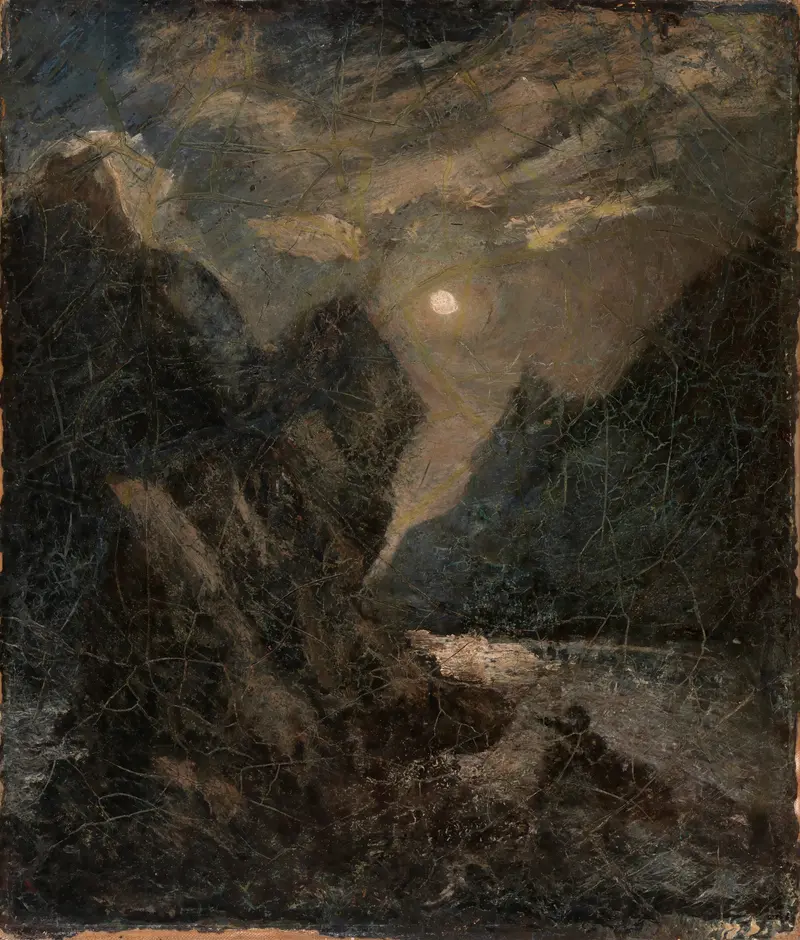
The Lorelei
Albert Pinkham Ryder
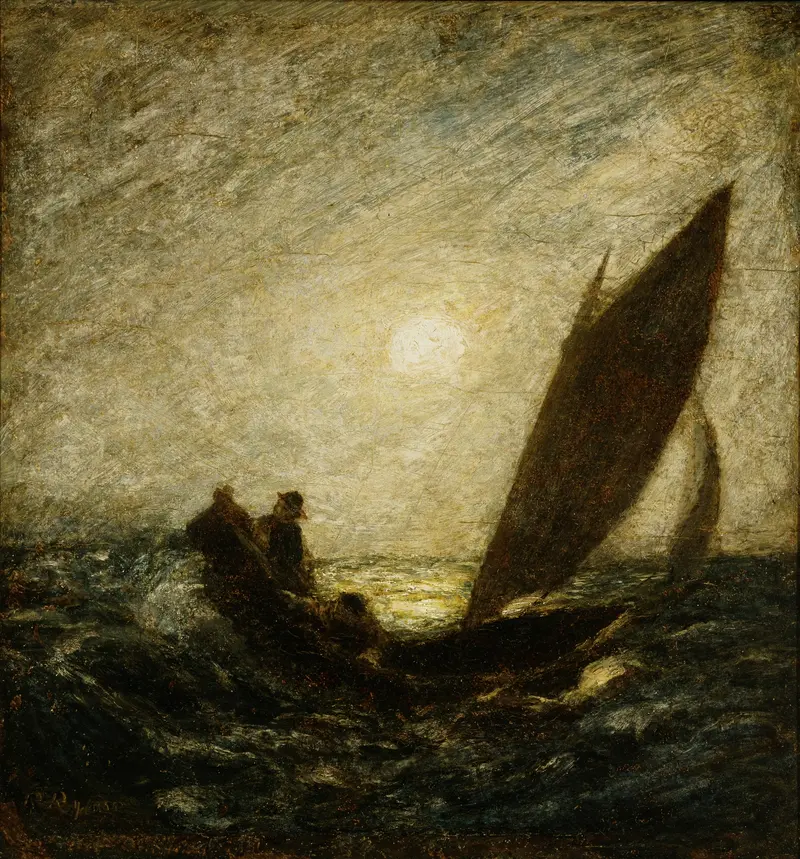
With Sloping Mast And Dipping Prow
Albert Pinkham Ryder
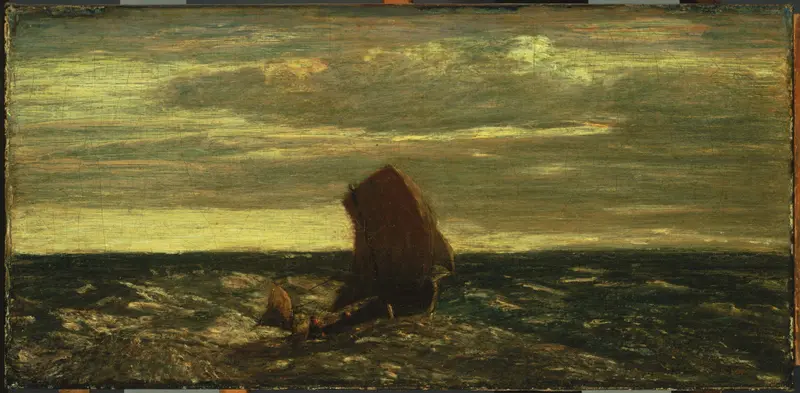
Homeward Bound
Albert Pinkham Ryder
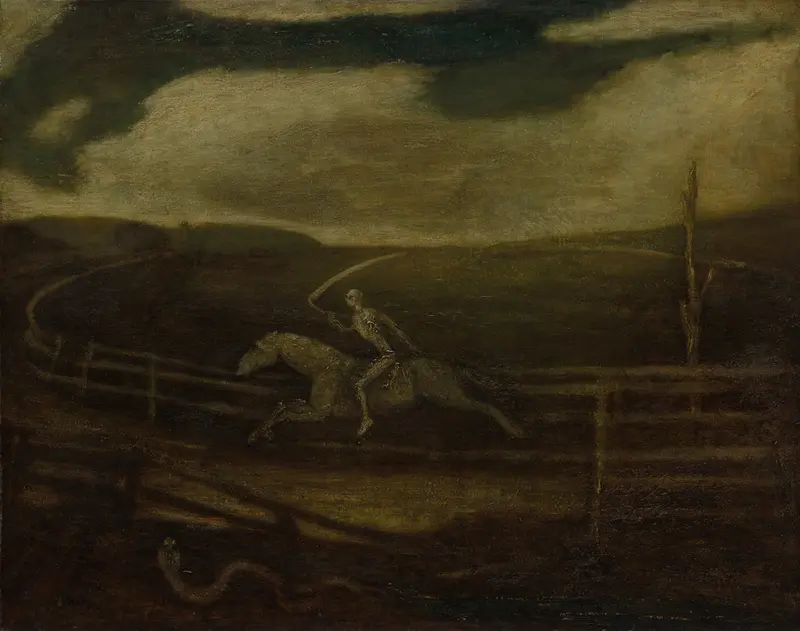
The Race Track (Death on a Pale Horse)
Albert Pinkham Ryder
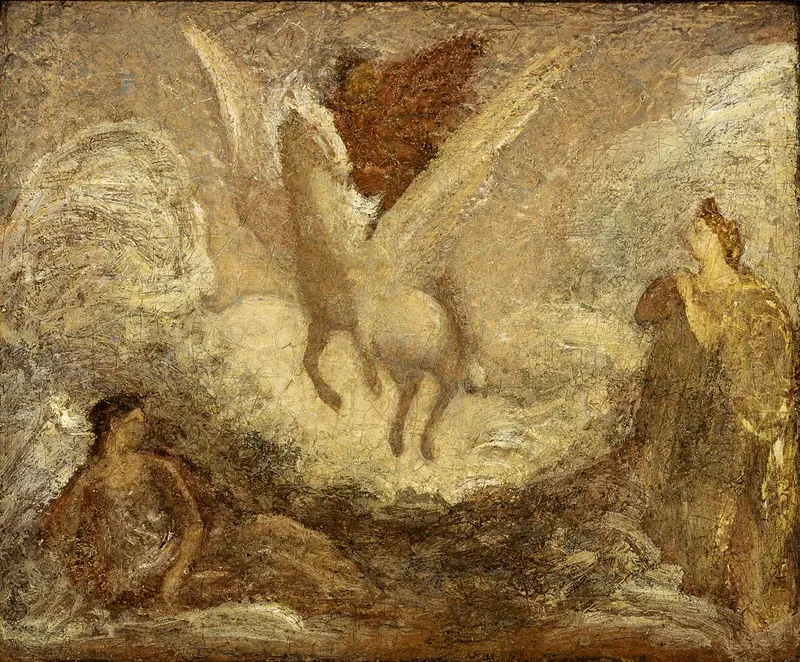
Pegasus Departing
Albert Pinkham Ryder
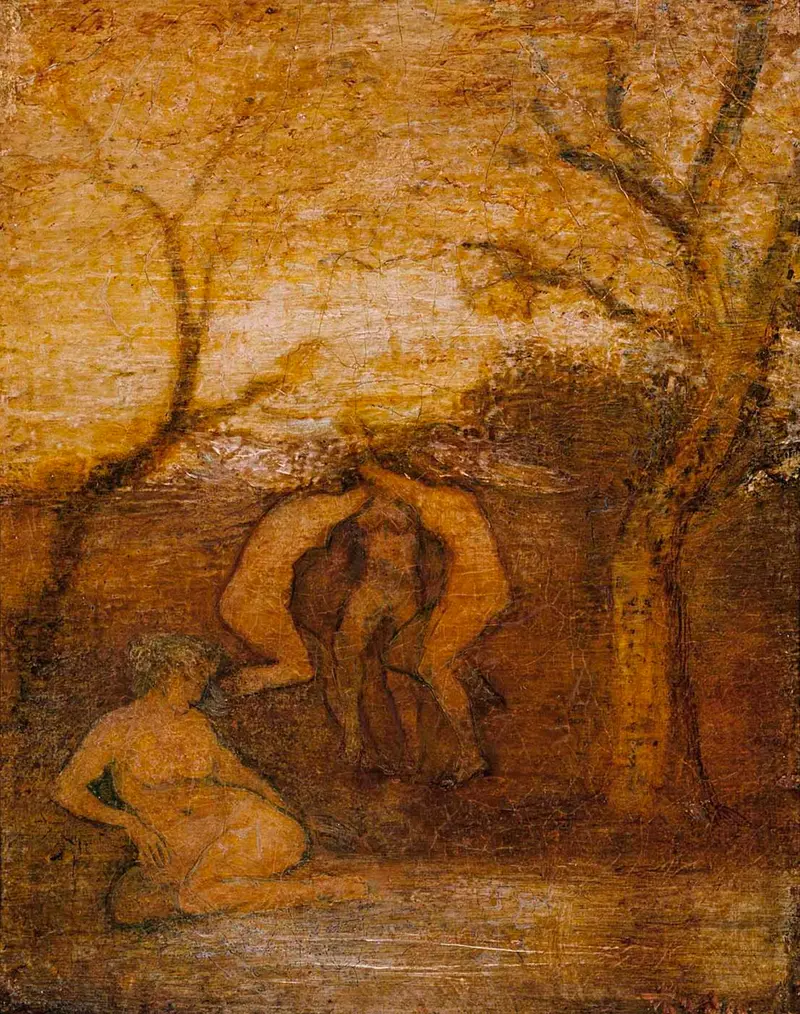
Dancing Dryads
Albert Pinkham Ryder
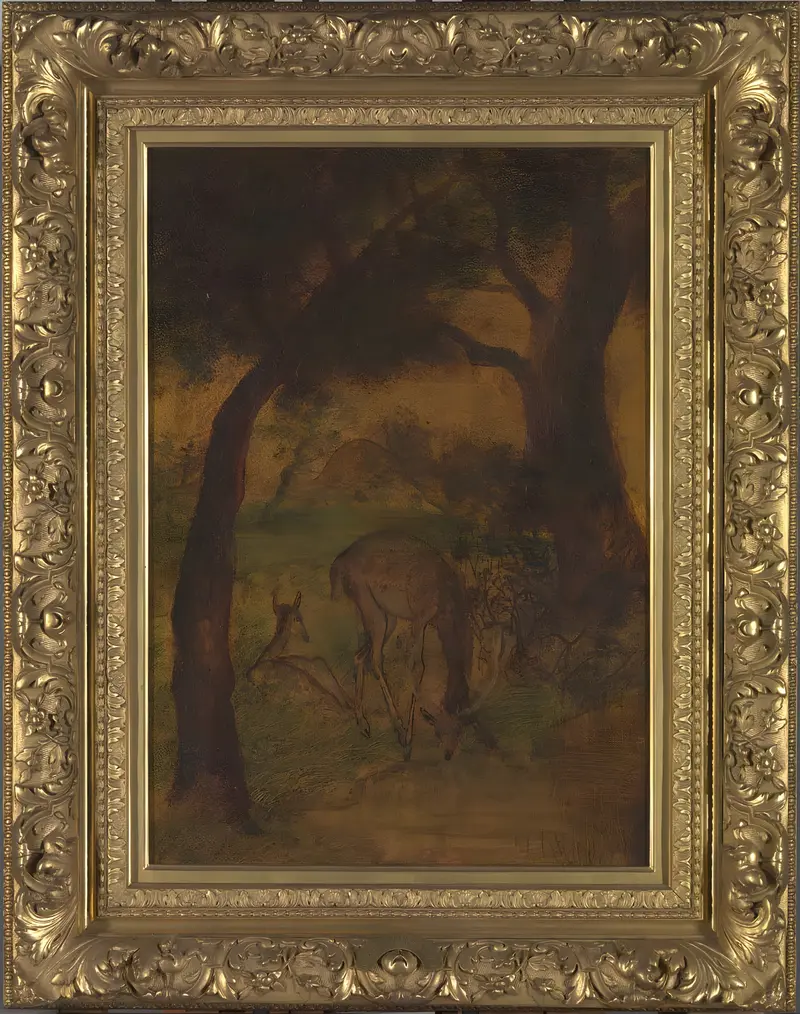
A Stag Drinking
Albert Pinkham Ryder
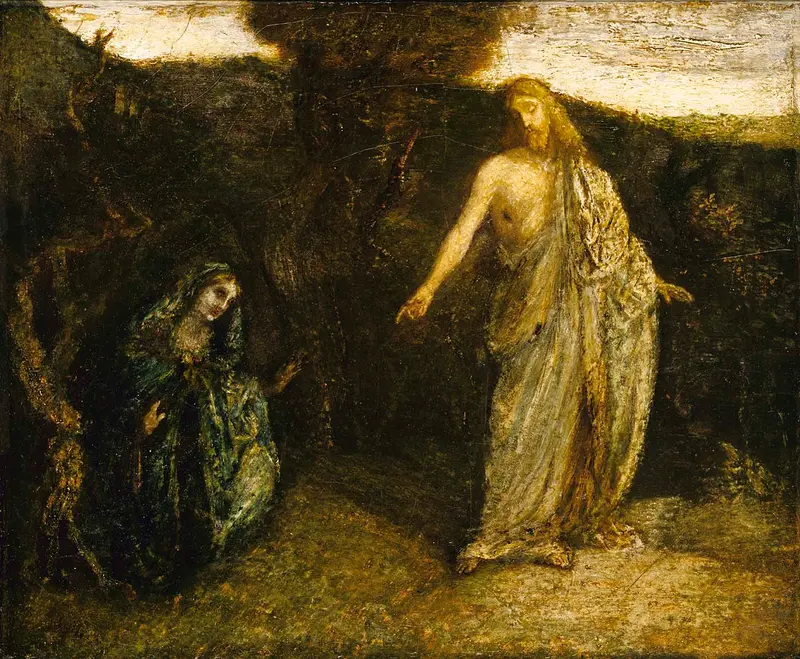
Christ Appearing to Mary
Albert Pinkham Ryder





