
The Gypsies; The Departure — History & Facts
In The Gypsies; The Departure, Jacques Callot captures a lively scene filled with color and movement. The painting features a group of gypsies, dressed in vibrant clothing, preparing to leave. Their expressions convey a mix of excitement and anticipation, while the surrounding landscape adds depth to the composition.
The use of warm colors enhances the overall atmosphere of the scene. This artwork is an etching, a technique that allows for fine detail and intricate line work. Callot's skill is evident in the delicate rendering of the figures and their clothing. The composition is dynamic, with figures positioned in a way that leads the viewer's eye through the scene.
The etching technique also gives the work a unique texture, enhancing its visual appeal. Jacques Callot was a French artist known for his etchings and depictions of everyday life. This work, created in the 1620s, reflects his interest in the lives of marginalized communities, such as gypsies. An interesting fact about this piece is that it showcases Callot's ability to blend realism with a sense of narrative, inviting viewers to engage with the story of the figures depicted.
More Artworks by Jacques Callot

De verloren zoon als zwijnenhoeder
Jacques Callot
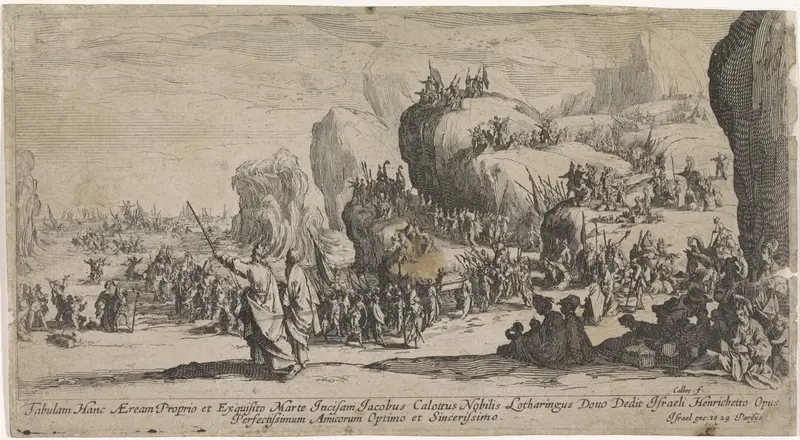
De doortocht door de Rode Zee
Jacques Callot

Kruisiging
Jacques Callot
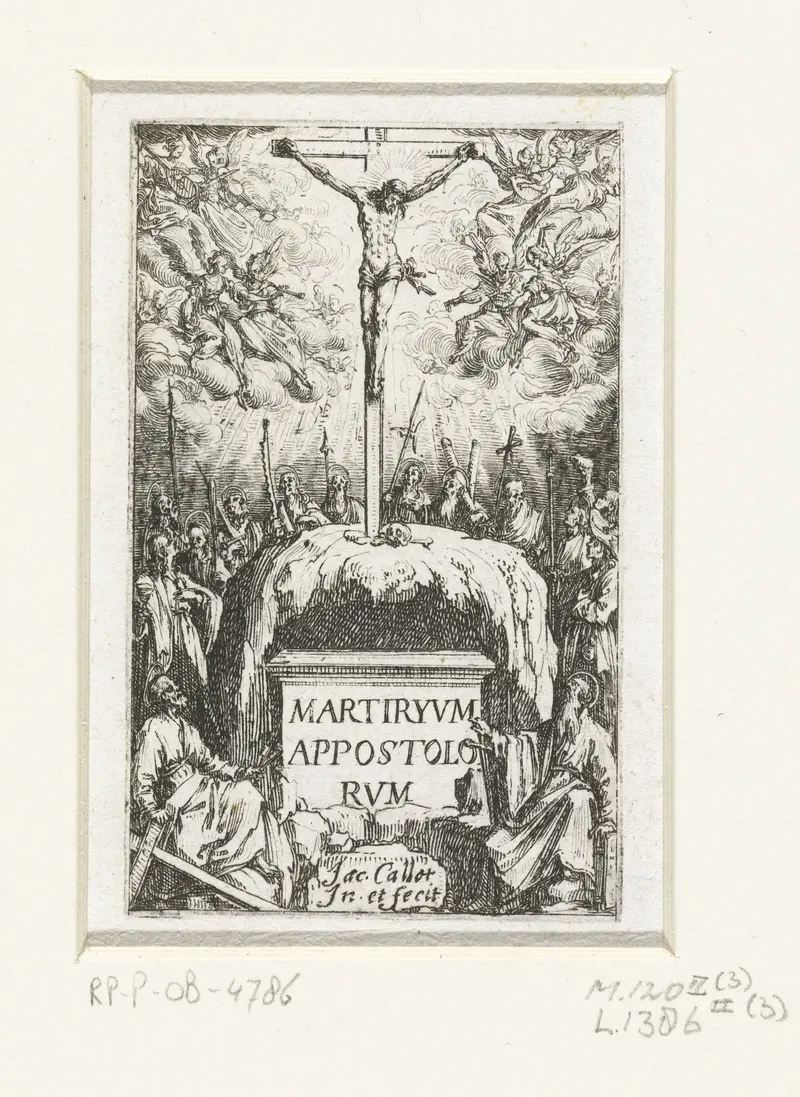
Titelprent voor de prentreeks 'De kleine apostelen' (Het martelaarschap van de apostelen)
Jacques Callot
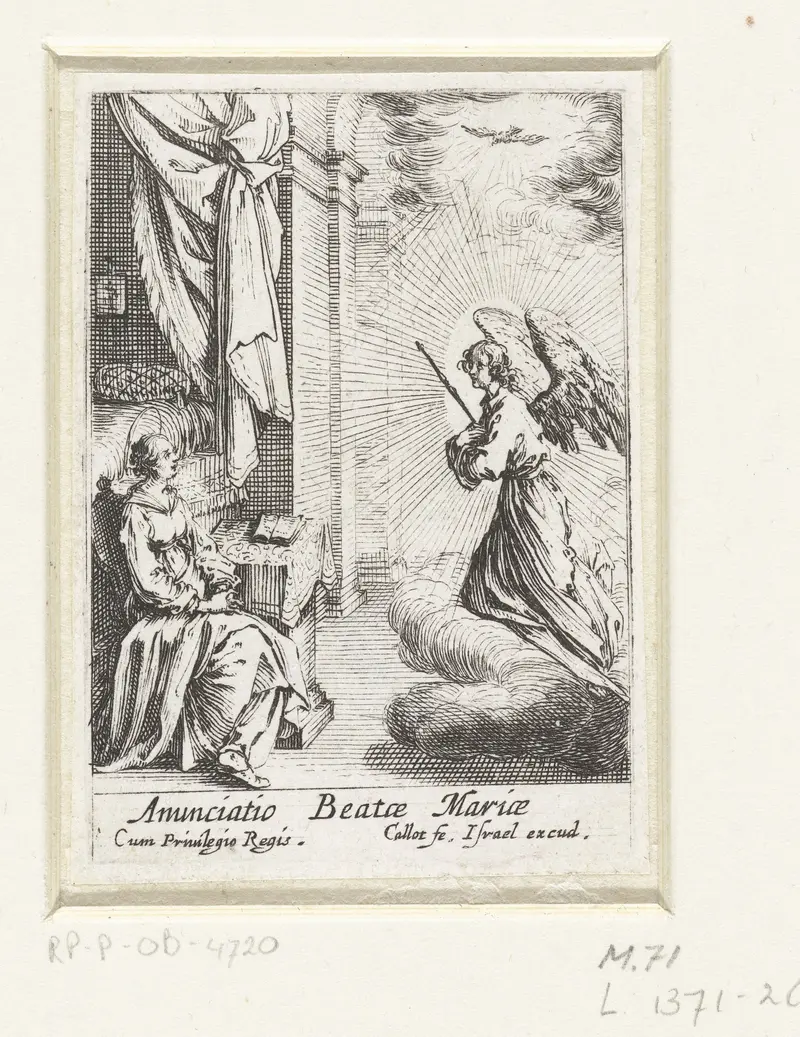
Annunciatie
Jacques Callot
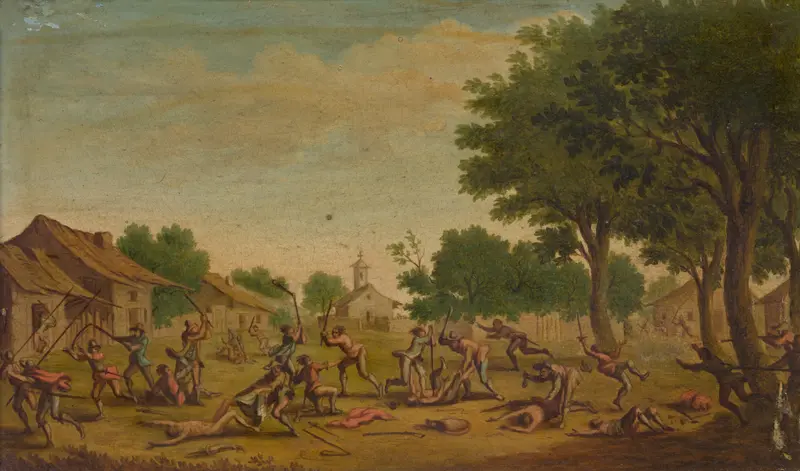
Village Fight
Jacques Callot
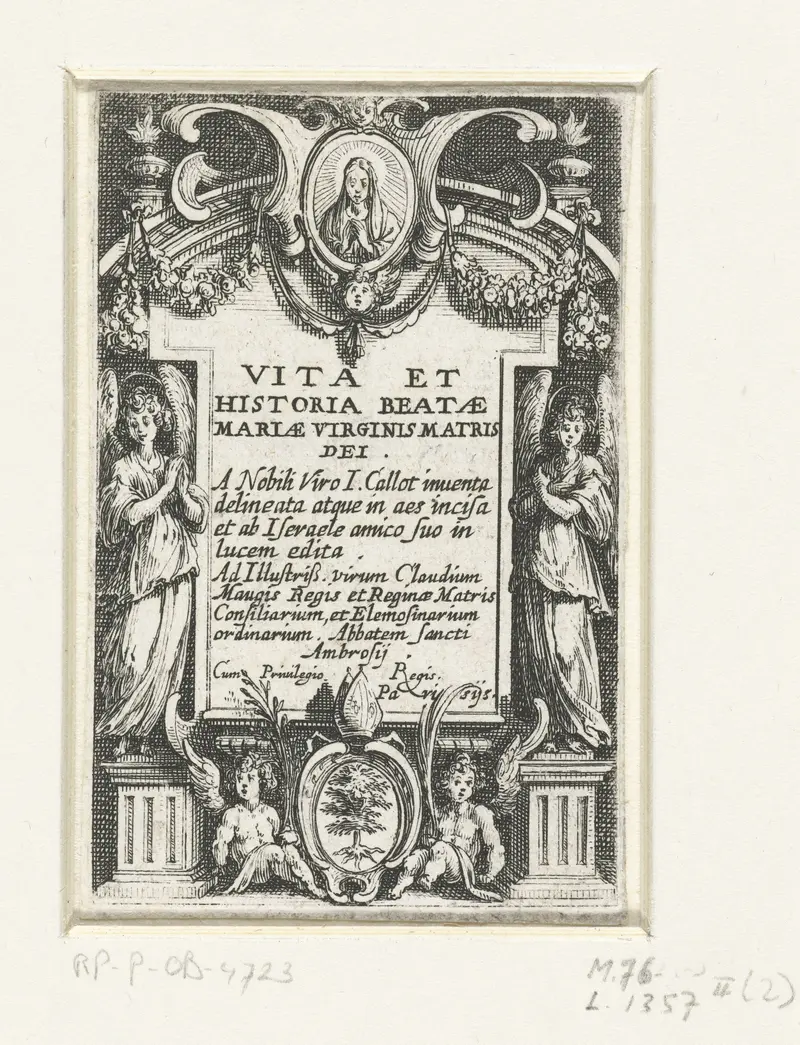
Titelprent voor prentreeks 'Het leven van Maria'
Jacques Callot
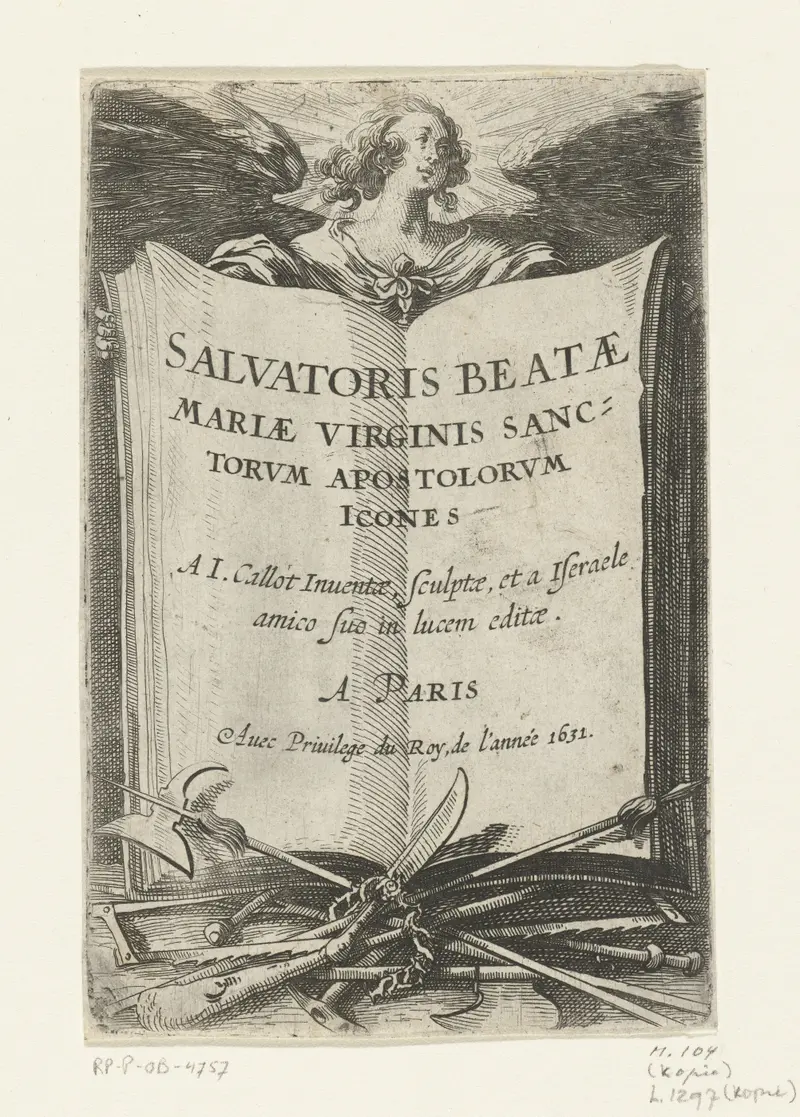
Titelprent voor de prentreeks 'De grote apostelen' (Christus, Maria en de apostelen)
Jacques Callot

Kruisoprichting
Jacques Callot
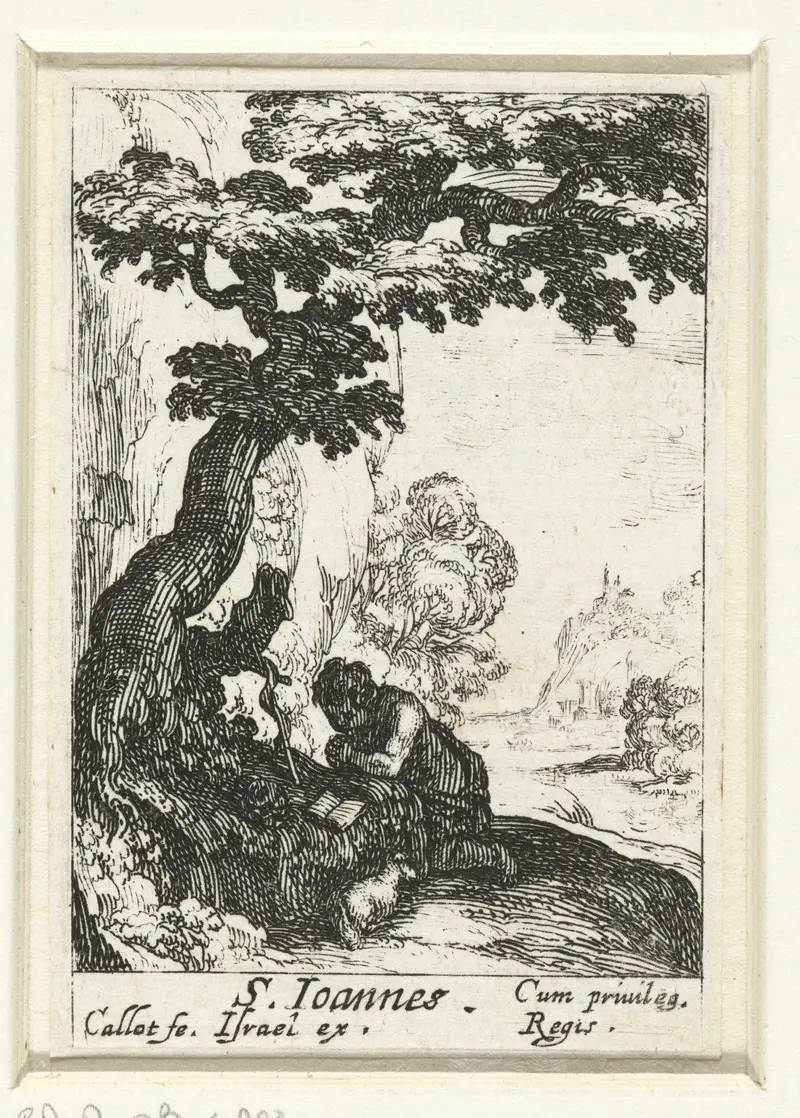
De boetvaardige Johannes de Doper
Jacques Callot
More Genre Scene Art

Banquet of the Officers of the St George Civic Guard
Frans Hals

Rembrandt and Saskia in the Scene of the Prodigal Son
Rembrandt van Rijn

Bal du moulin de la Galette
Pierre-Auguste Renoir

Quadrille at the Moulin Rouge
Henri de Toulouse-Lautrec

A Burial at Ornans
Gustave Courbet

When Will You Marry?
Paul Gauguin