
The Handsome Pillar (Makibashira), Illustration to Chapter 31 of the Tale of Genji (Genji monogatari) — History & Facts
In an era where ephemeral beauty is constantly at odds with decay, the act of creation becomes an intimate rebellion against oblivion. Focus first on the central figure, a handsome young man clad in elaborately patterned robes. Notice how the vibrant hues of his garments contrast sharply with the serene backdrop, creating a rhythm of color that enchants the viewer. The delicate brushwork captures the textures of silk and brocade, while the fluid lines breathe life into every fold.
The way light plays across the surface reveals not just the physicality of the fabric, but also an emotional depth that hints at the character's inner world. As you explore further, consider the juxtaposition of youth and transience. The figure's youthful charm embodies the notion of fleeting beauty, often celebrated in the Genji monogatari. Yet, his contemplative gaze suggests a longing for permanence, a desire to grasp the ephemeral moments of life.
The surrounding elements, including the soft, natural landscape, evoke the theme of transformation, subtly reinforcing the idea that beauty is both abundant and temporary. Created between 1509 and 1510 during the Muromachi period, this work reflects Tosa Mitsunobu's mastery in bridging traditional narratives with aesthetic innovation. At this time, Japan was experiencing a burgeoning interest in classical literature, which infused art with deeper cultural significance. Mitsunobu's illustration not only encapsulates the elegance of the Tale of Genji but also marks a pivotal moment where painting became a medium of both storytelling and emotional expression.
More Artworks by Tosa Mitsunobu
Browse all →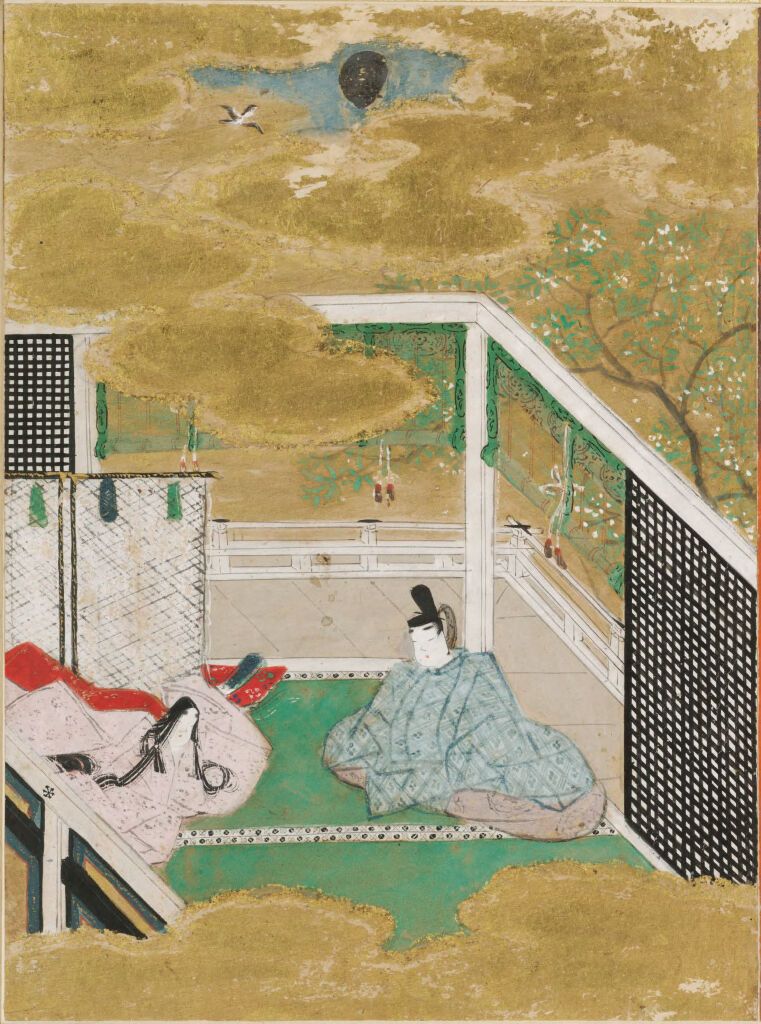
Falling Flowers (Hanachirusato), Illustration to Chapter 11 of the Tale of Genji (Genji monogatari)
Tosa Mitsunobu
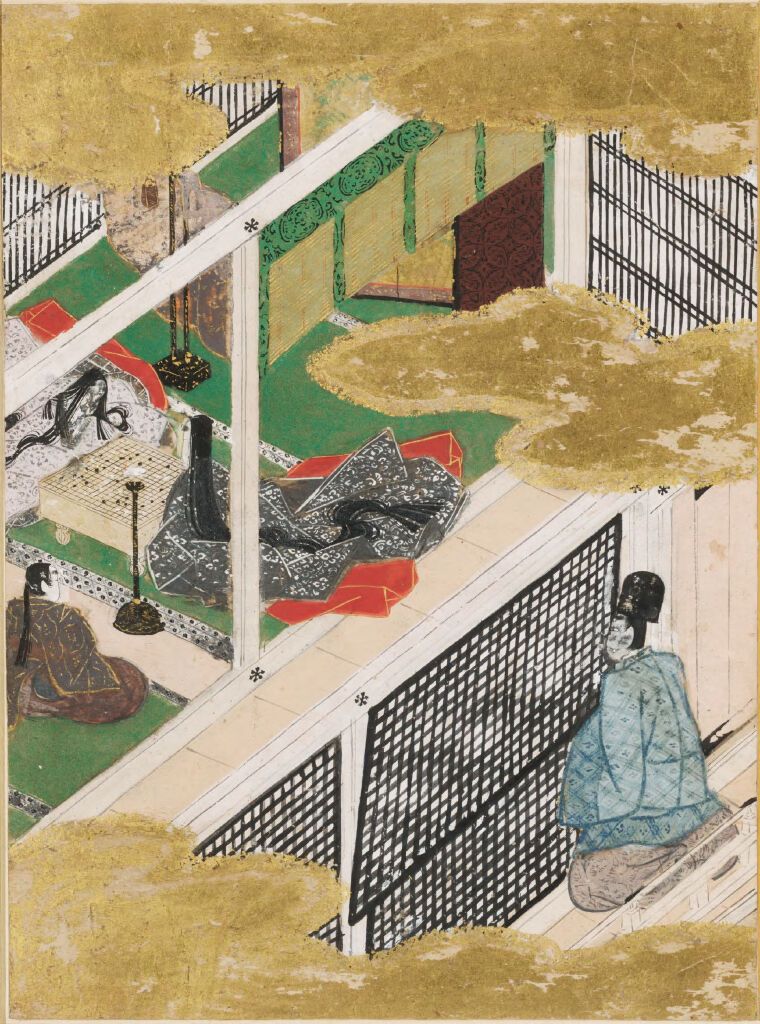
The Cicada Shell (Utsusemi), Illustration to Chapter 3 of the Tale of Genji (Genji monogatari)
Tosa Mitsunobu
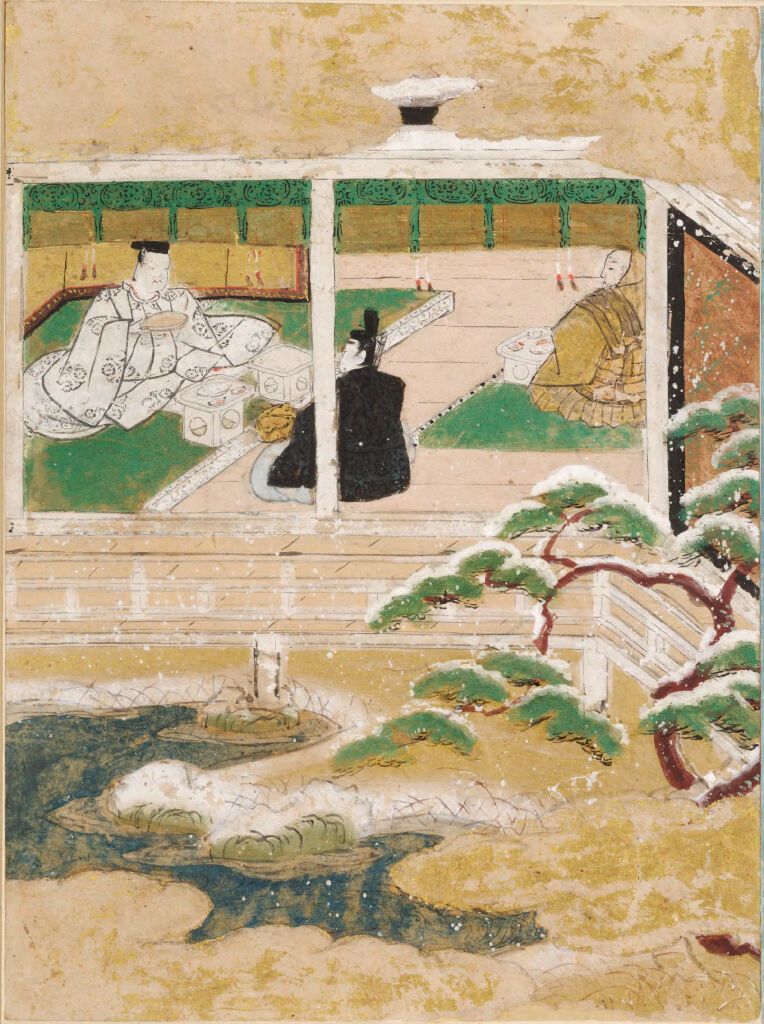
The Seer (Maboroshi), Illustration to Chapter 41 of the Tale of Genji (Genji monogatari)
Tosa Mitsunobu
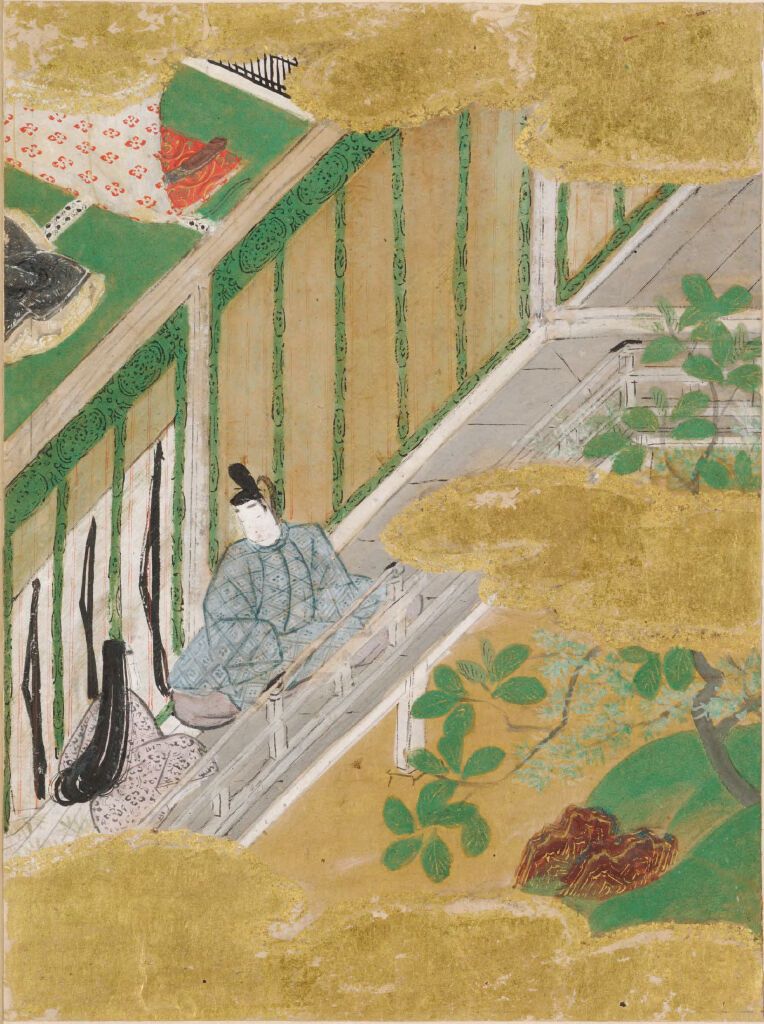
The Oak Tree (Kashiwagi), Illustration to Chapter 36 of the Tale of Genji (Genji monogatari)
Tosa Mitsunobu
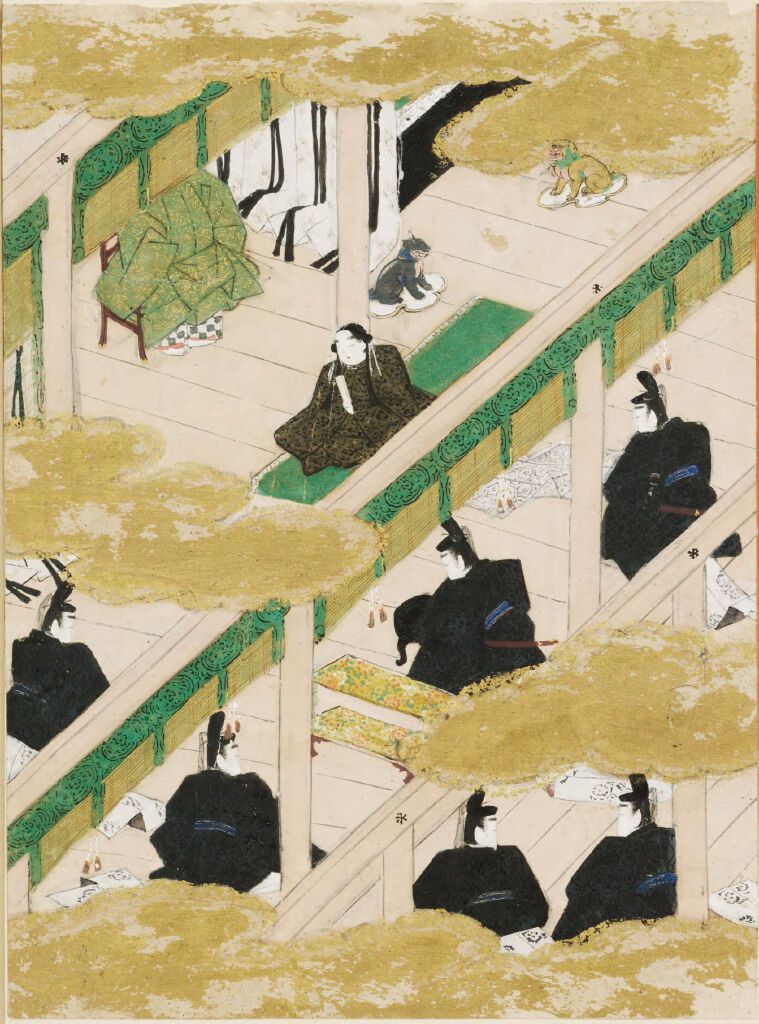
The Paulownia Pavilion (Kiritsubo), Illustration to Chapter 1 of the Tale of Genji (Genji monogatari)
Tosa Mitsunobu
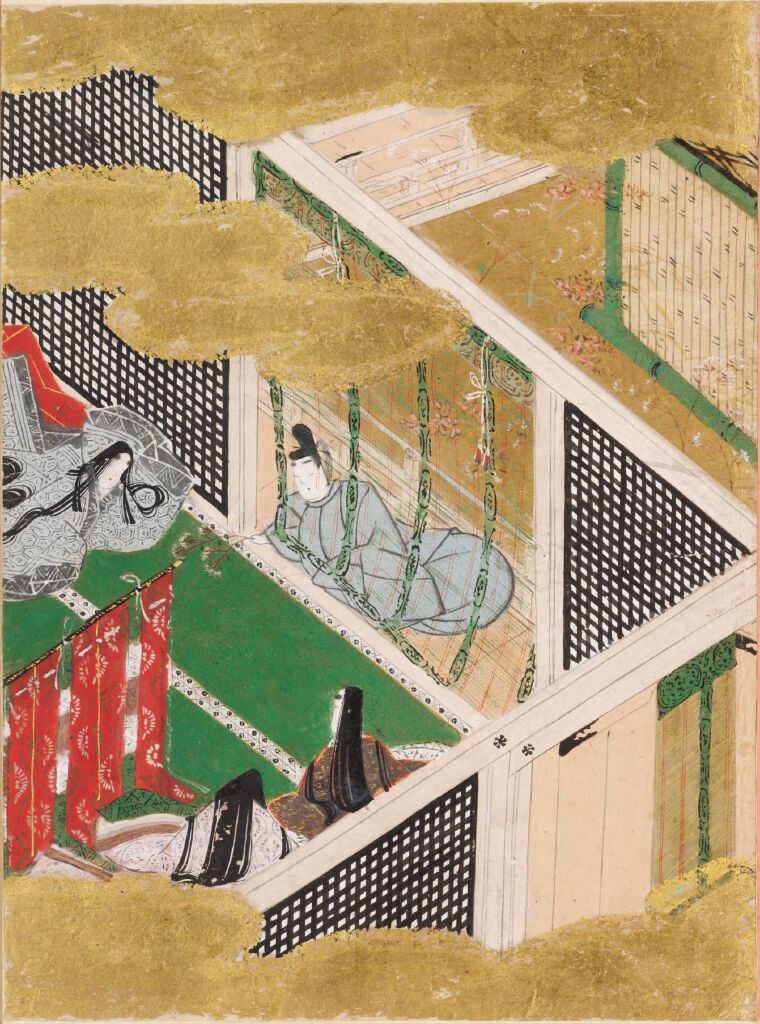
Thoroughwort Flowers (Fujibakama), Illustration to Chapter 30 of the Tale of Genji (Genji monogatari)
Tosa Mitsunobu

Under the Cherry Blossoms (Hana no En), Illustration to Chapter 8 of the Tale of Genji (Genji monogatari)
Tosa Mitsunobu

The Pilgrimage to Sumiyoshi (Miotsukushi), Illustration to Chapter 14 of the Tale of Genji (Genji monogatari)
Tosa Mitsunobu
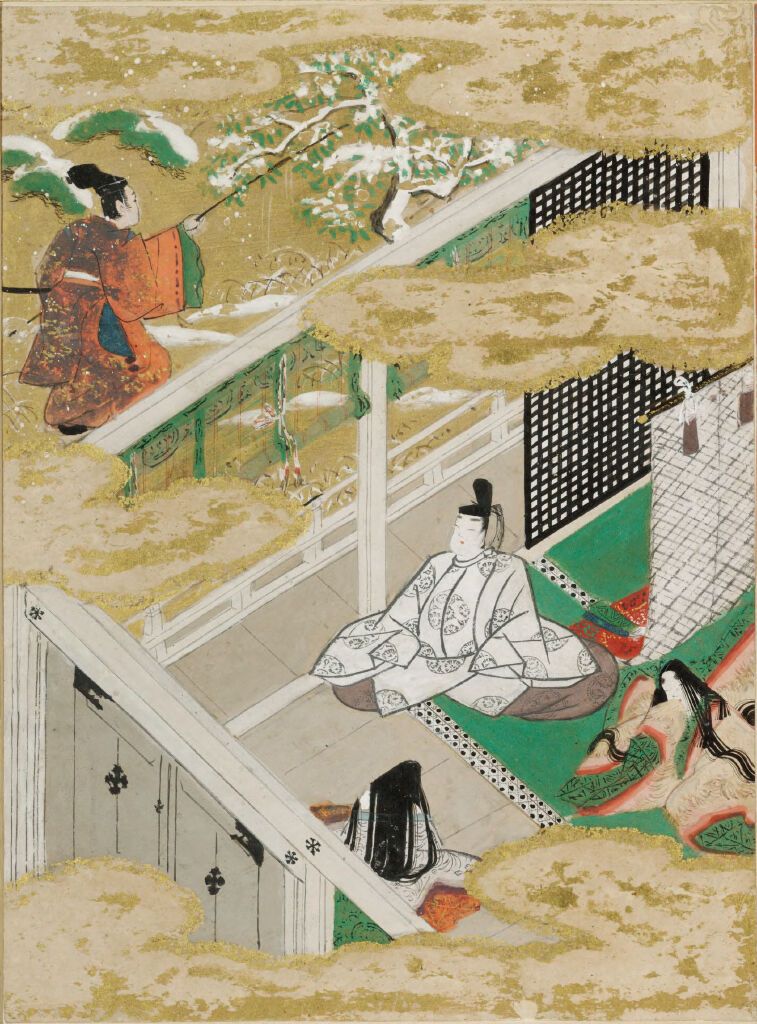
The Safflower (Suetsumuhana), Illustration to Chapter 6 of the Tale of Genji (Genji monogatari)
Tosa Mitsunobu
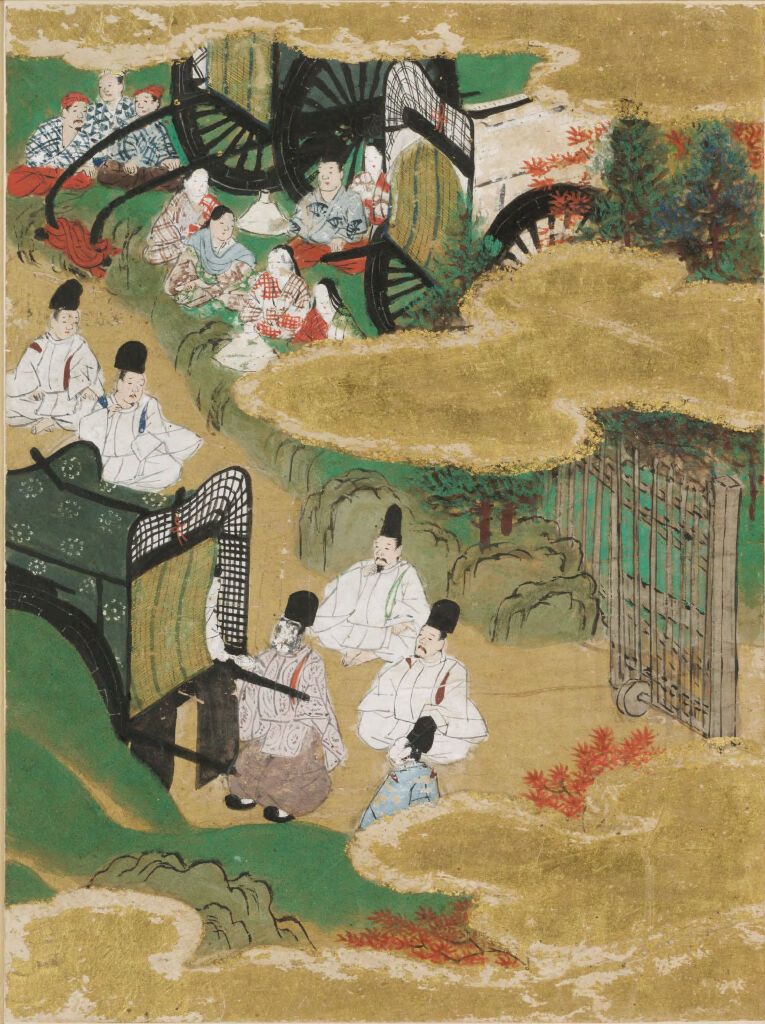
At the Pass (Sekiya), Illustration to Chapter 16 of the Tale of Genji (Genji monogatari)
Tosa Mitsunobu
More Illustration Art
Browse all →Falling Flowers (Hanachirusato), Illustration to Chapter 11 of the Tale of Genji (Genji monogatari)
Tosa Mitsunobu
The Cicada Shell (Utsusemi), Illustration to Chapter 3 of the Tale of Genji (Genji monogatari)
Tosa Mitsunobu
The Seer (Maboroshi), Illustration to Chapter 41 of the Tale of Genji (Genji monogatari)
Tosa Mitsunobu
The Oak Tree (Kashiwagi), Illustration to Chapter 36 of the Tale of Genji (Genji monogatari)
Tosa Mitsunobu
The Paulownia Pavilion (Kiritsubo), Illustration to Chapter 1 of the Tale of Genji (Genji monogatari)
Tosa Mitsunobu
Thoroughwort Flowers (Fujibakama), Illustration to Chapter 30 of the Tale of Genji (Genji monogatari)
Tosa Mitsunobu