
The Holy Family — History & Facts
The first thing that draws the eye in The Holy Family is the sense of ceremony and intimacy, as if the viewer has stumbled upon a sacred moment staged beneath a lavish canopy. The figures are arranged in a careful choreography: the Virgin Mary, swathed in deep blue, presents the Christ Child to an older woman—likely Saint Anne—whose outstretched hand meets the infant’s in a gesture that radiates both tenderness and reverence. Angels part the green curtains, inviting us into this private space, while a golden aura and the dove above suggest the presence of the Holy Spirit, anchoring the scene in divine approval.
Every fold of cloth and every glance is purposeful, guiding the viewer’s attention from the central exchange outward to the supporting cast of saints and angels, then upward to the supernatural light. Painted around 1520, this work belongs to a moment when devotional images were both objects of private meditation and declarations of faith, often commissioned by wealthy patrons for chapels or homes. The careful attention to textiles, the geometric floor, and the canopy’s opulence all speak to Northern Renaissance tastes, where artists like Aelbert Bouts blended late medieval traditions with new Renaissance naturalism. While little is recorded about this specific painting’s early history, its current home in the Honolulu Museum of Art is a reminder of how such works have traveled far from their original settings, carrying with them the visual language of a world where the sacred and the everyday intertwined.
Notice how the artist’s choices—especially the interplay of gesture and gaze—invite you to linger, searching for meaning in every detail.
More Artworks by Aelbert Bouts
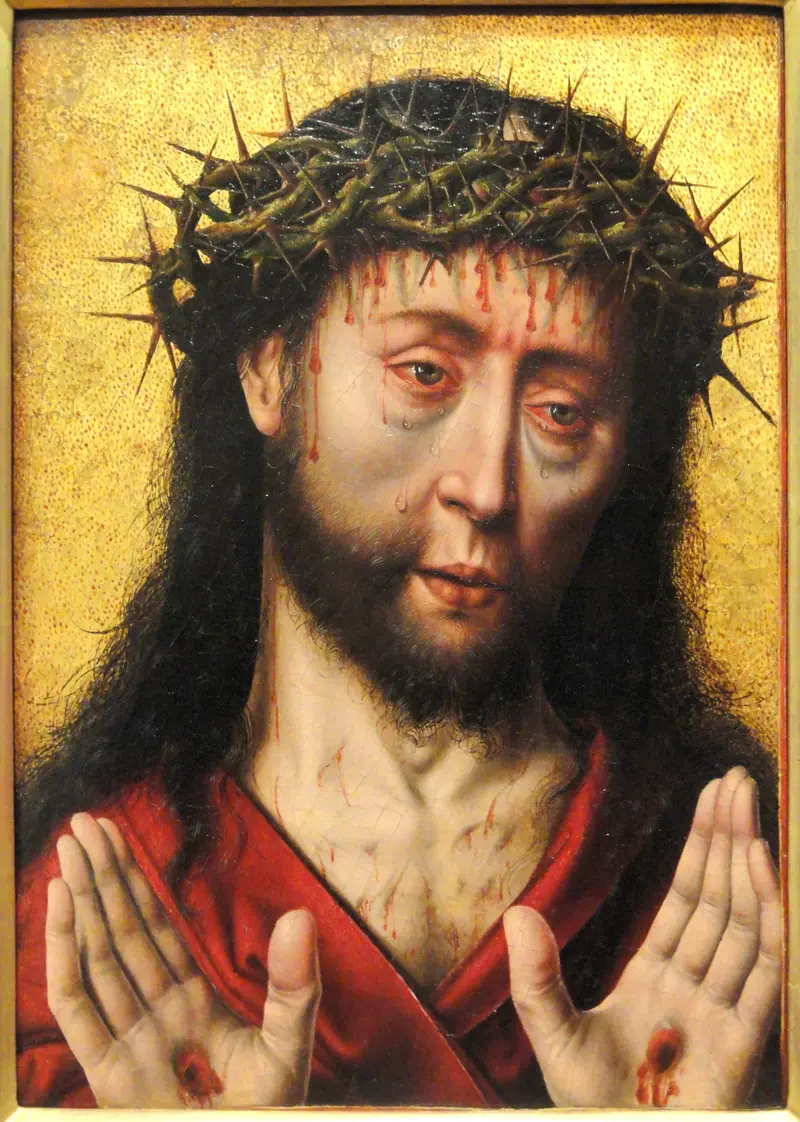
The Man of Sorrows
Aelbert Bouts
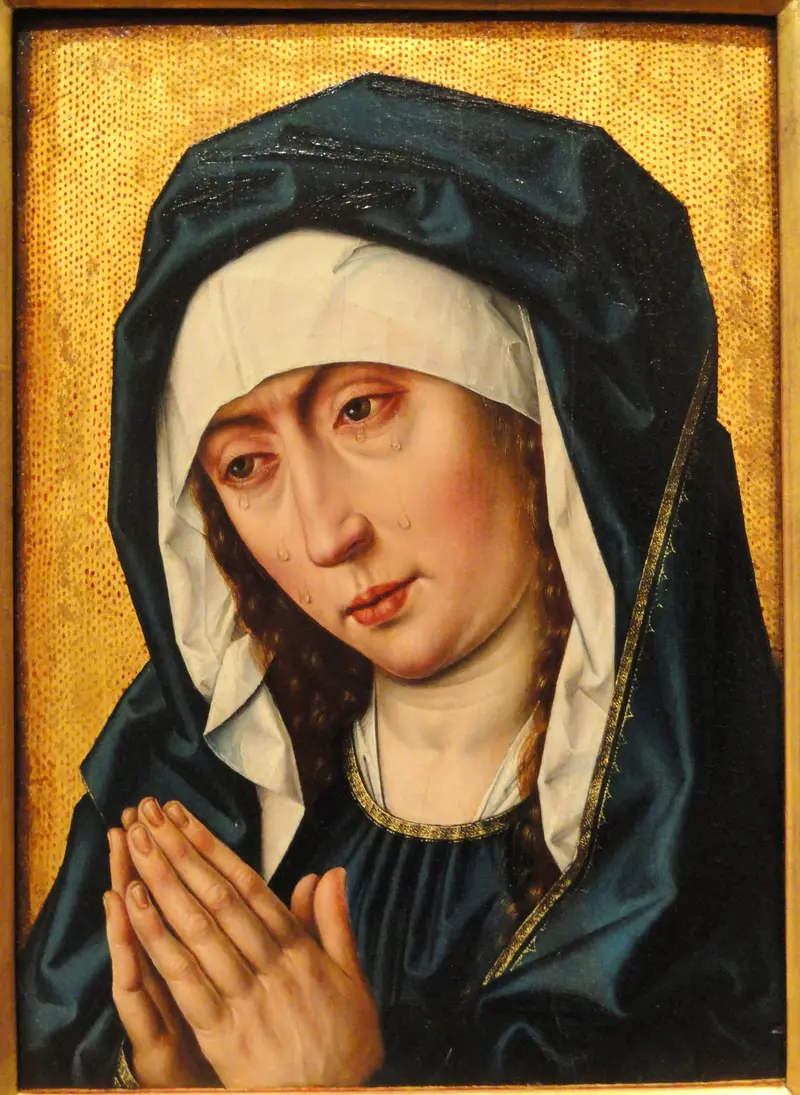
The Mater Dolorosa
Aelbert Bouts
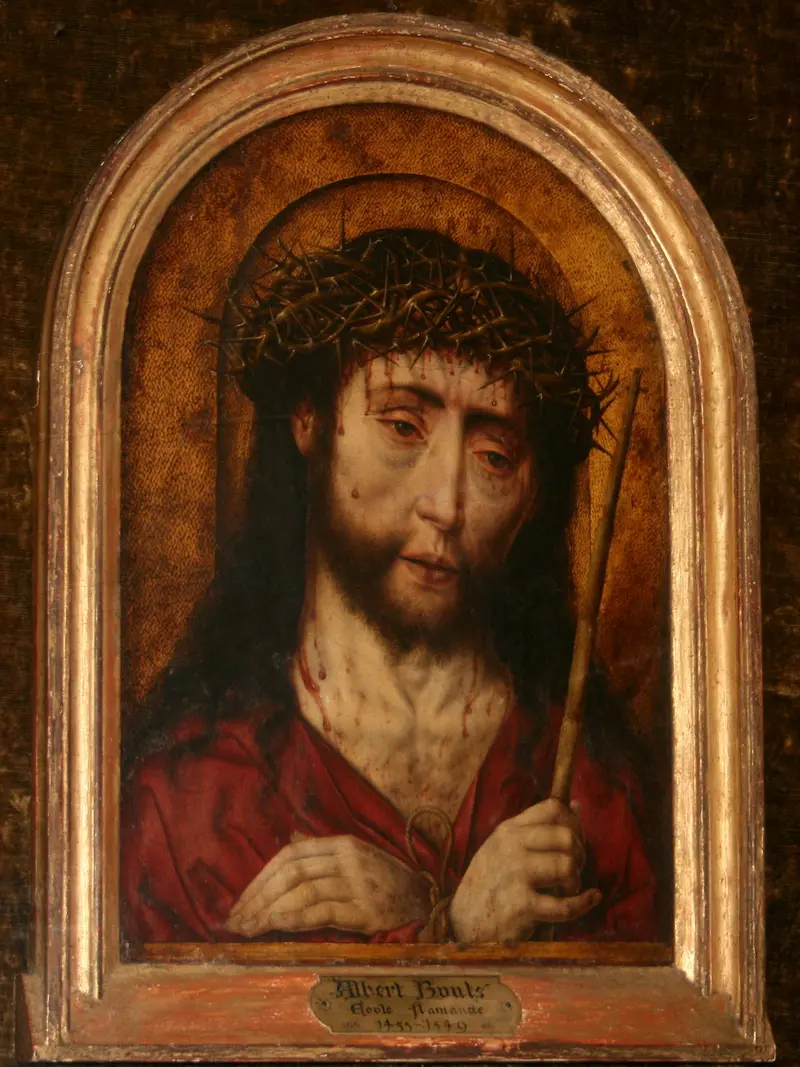
The Mocking of Christ
Aelbert Bouts
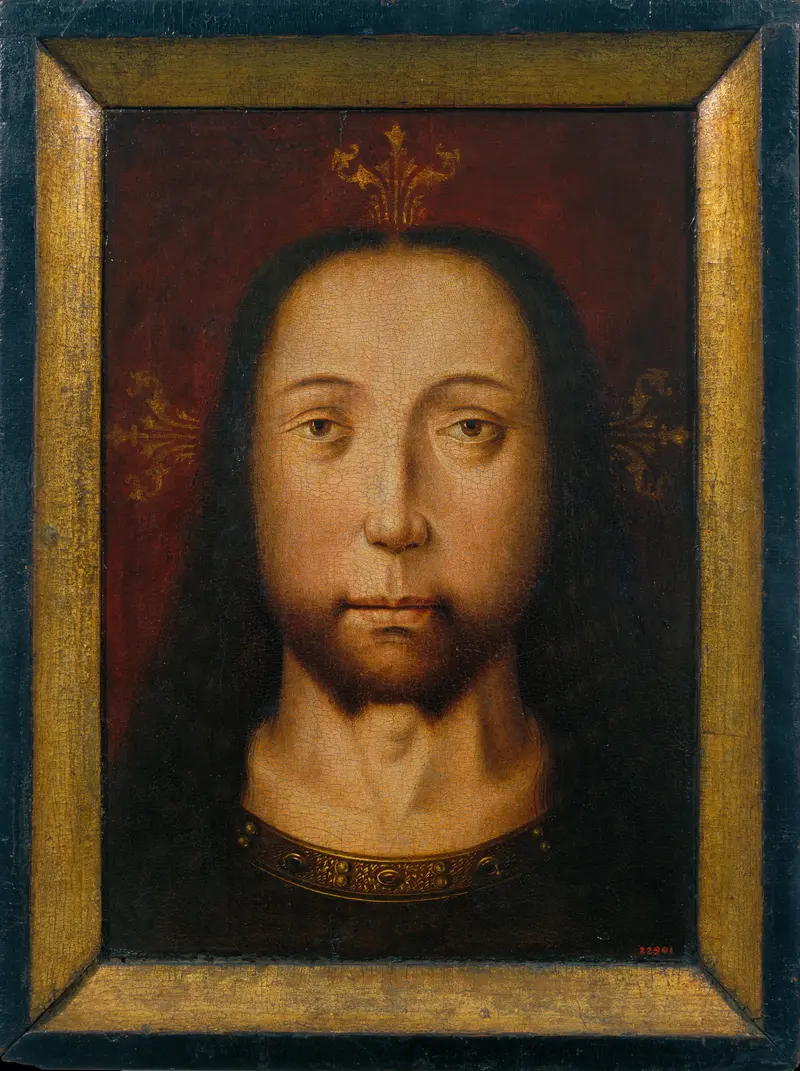
Holy Countenance
Aelbert Bouts
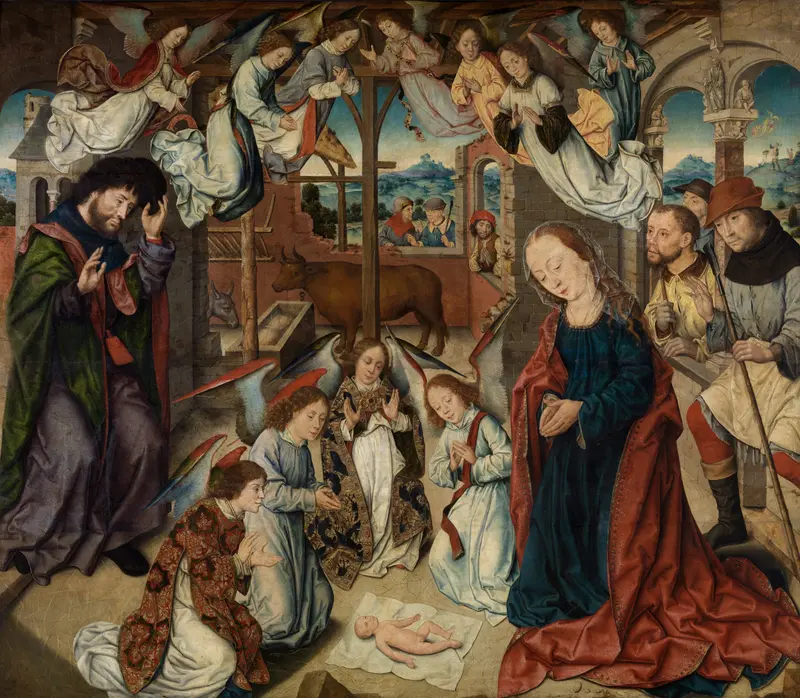
The Adoration of the Shepherds
Aelbert Bouts
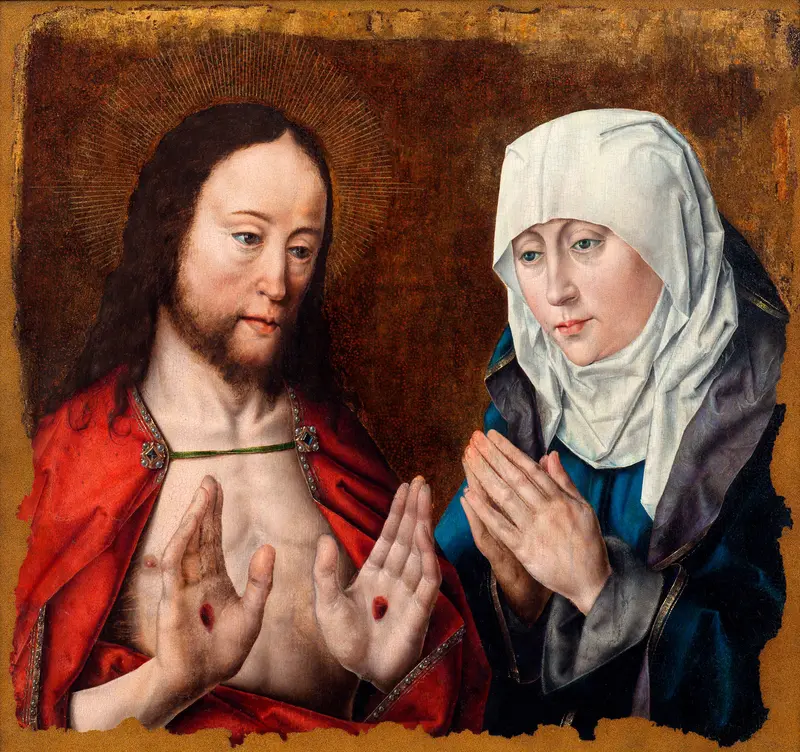
Christ appears to Mary
Aelbert Bouts
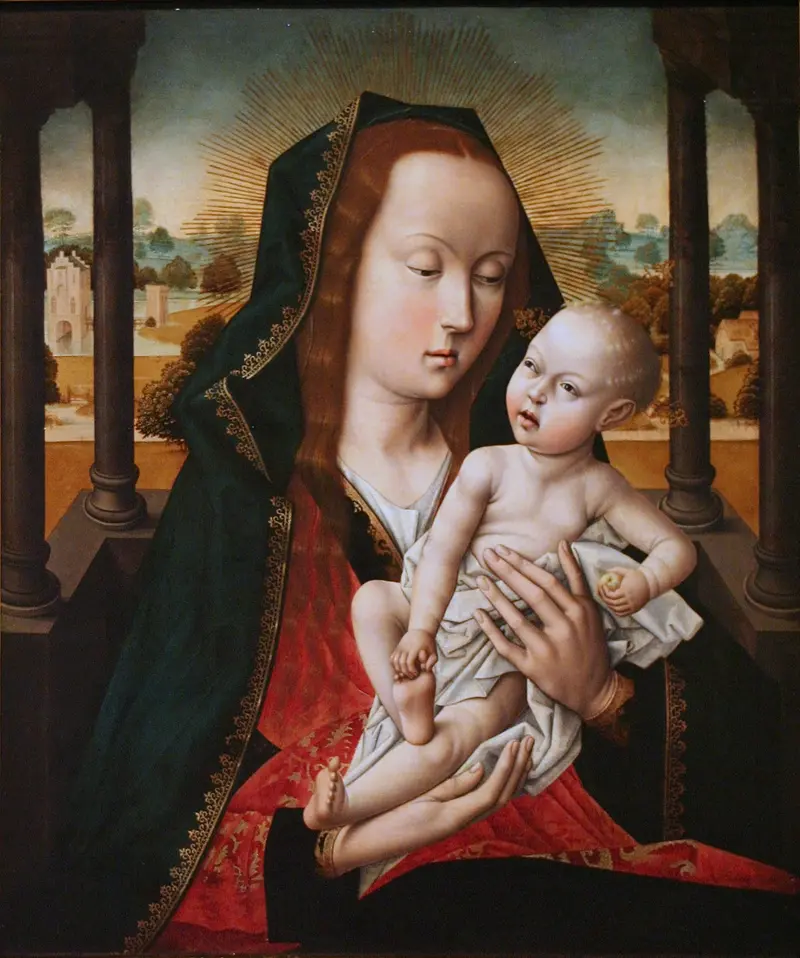
Madonna and Child
Aelbert Bouts
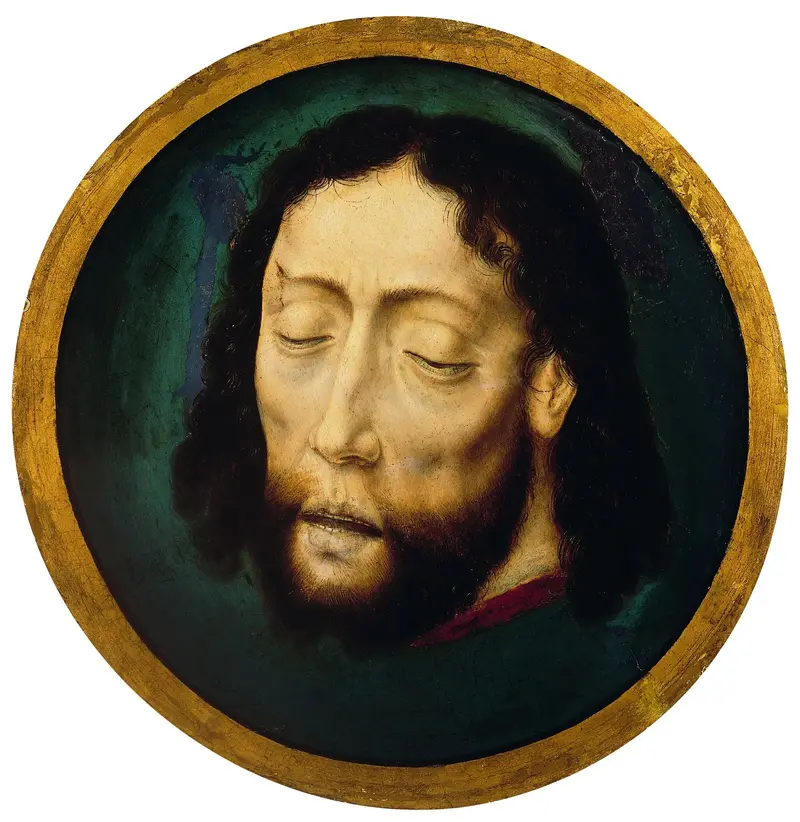
Head of St. John the Baptist
Aelbert Bouts
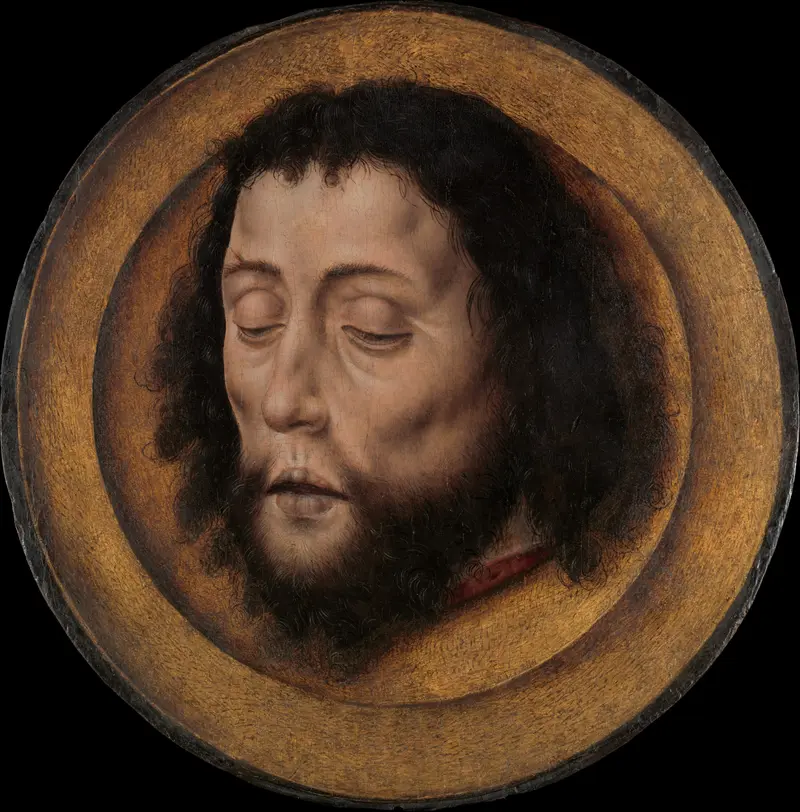
Head of Saint John the Baptist on a Charger
Aelbert Bouts
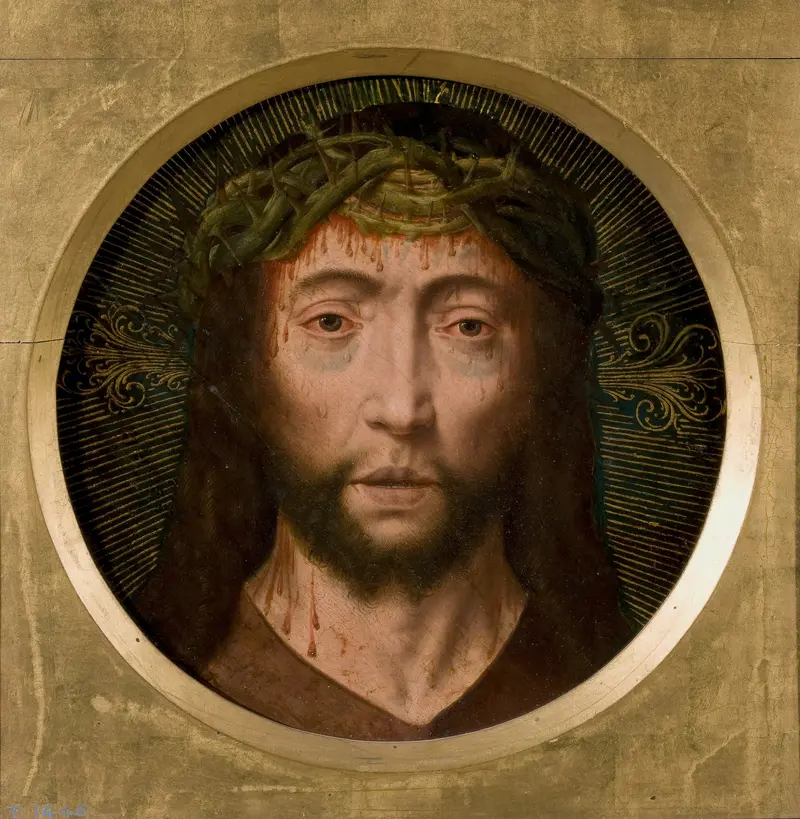
Head of Christ
Aelbert Bouts





