
The Judgement of Solomon — History & Facts
Few biblical judgments have captured the imagination of artists like the tale of Solomon’s wisdom, but William Blake’s The Judgement of Solomon stands apart for its rare blend of visionary intensity and moral drama. The exact date and circumstances of this work’s creation remain uncertain, adding to its mystique—no definitive record of its commission or early ownership survives, and its medium is likewise undocumented. This air of mystery is heightened by the fact that, unlike his more famous illuminated books, this scene survives as a singular, independent composition, with no known preparatory sketches or companion pieces. Blake chooses the moment of highest tension: the infant lies between the two pleading women, while Solomon, robed and imperious, signals to the sword-bearing guard.
The real mother’s anguished gesture—arms outstretched in desperate supplication—contrasts starkly with the other woman’s cold resolve. Blake’s swirling lines and luminous palette heighten the psychological stakes, drawing the viewer’s eye to the child and the king’s calm, almost otherworldly face. Unlike Raphael’s stately Judgement of Solomon, Blake’s figures pulse with emotion, their bodies contorted by fear, grief, and hope.
The composition’s dynamic energy and spiritual overtones are hallmarks of Blake’s unique vision. The painting’s provenance is uncertain; it does not appear in early exhibition catalogues, and scholars debate whether it was intended for private devotion or as part of a larger, unrealized series of biblical subjects. Its style and technique suggest a date in the late eighteenth or early nineteenth century, when Blake was at the height of his powers as both poet and painter. Today, The Judgement of Solomon stands as a testament to Blake’s lifelong fascination with the intersection of justice, mercy, and the imagination, offering a vivid reinterpretation of a story that has challenged artists—and rulers—for centuries.
More Artworks by William Blake
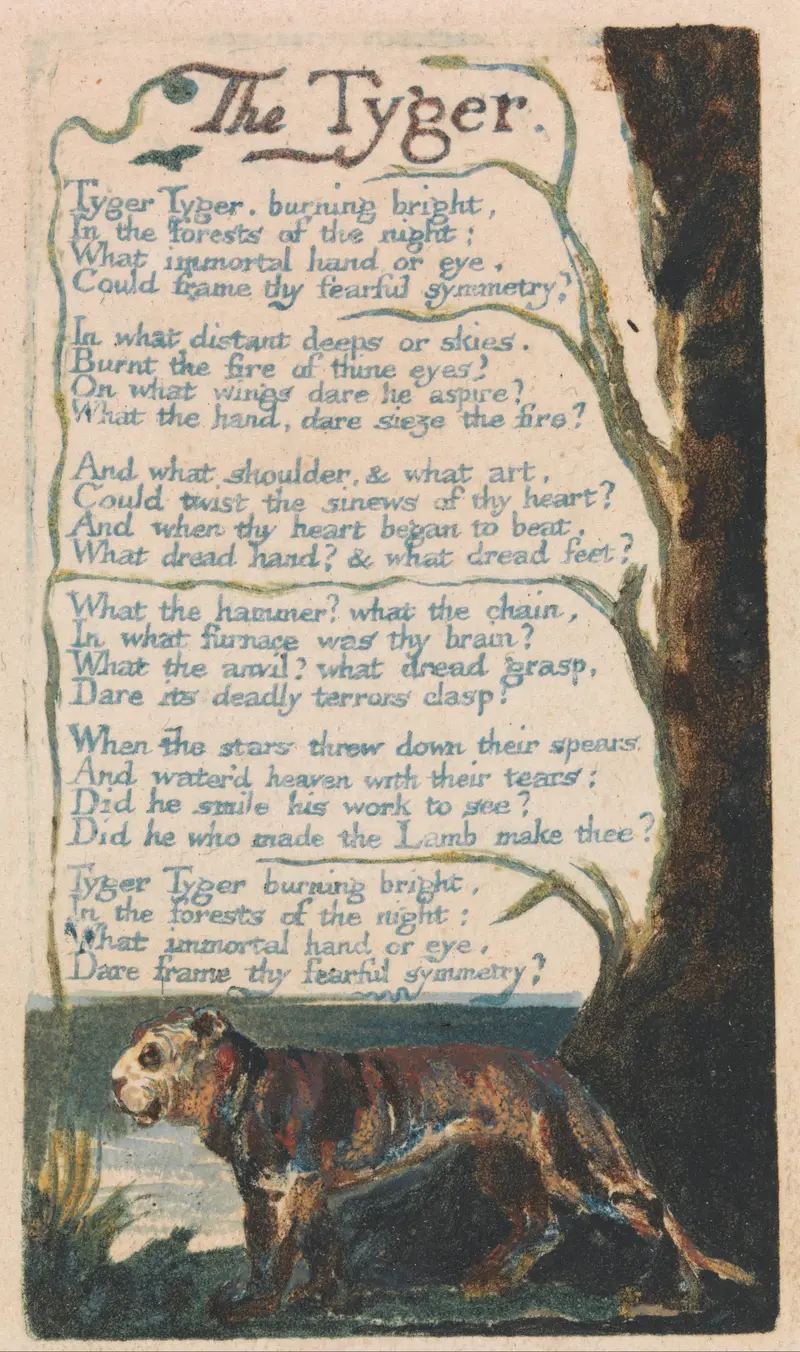
The Tyger
William Blake

Christ Blessing
William Blake
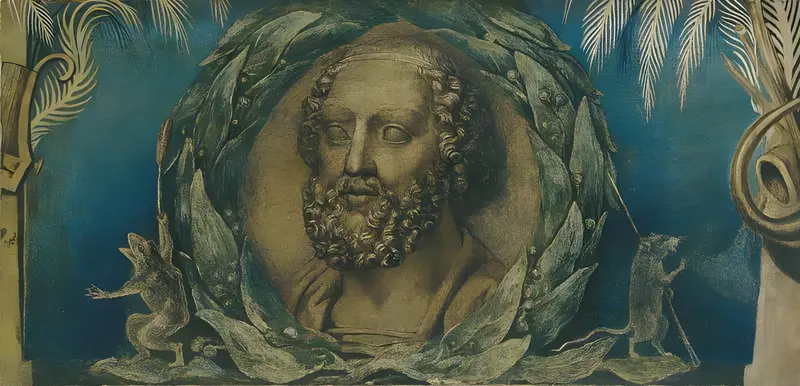
Homer
William Blake
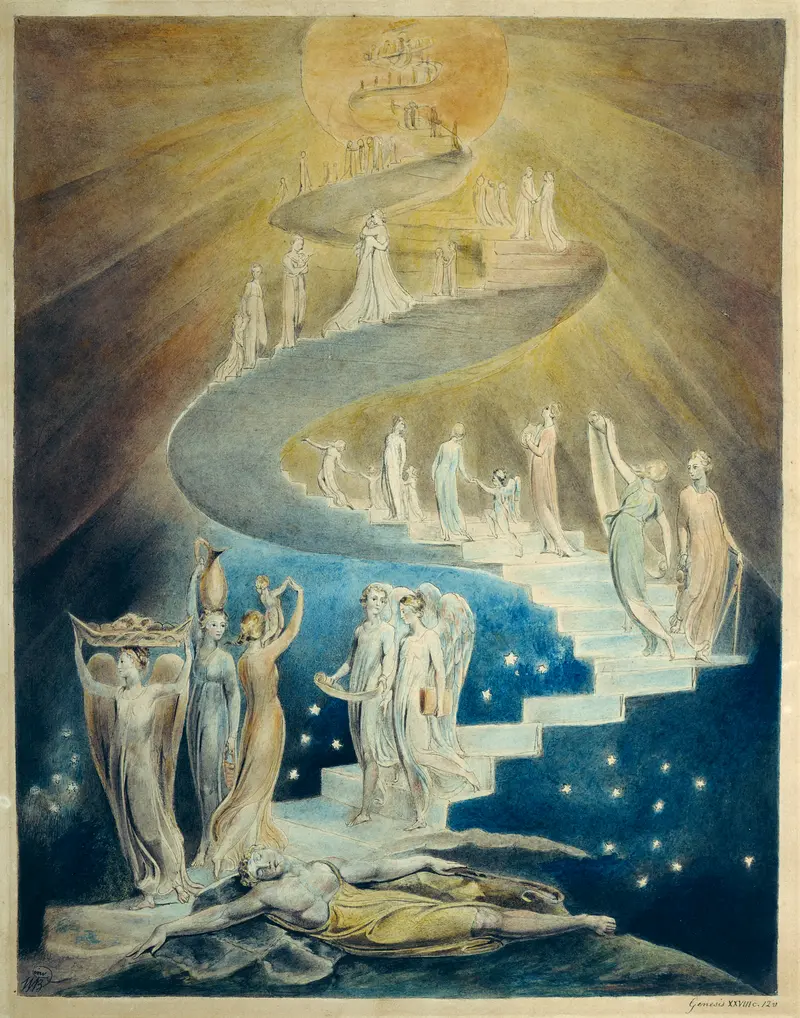
Jacob's Ladder
William Blake
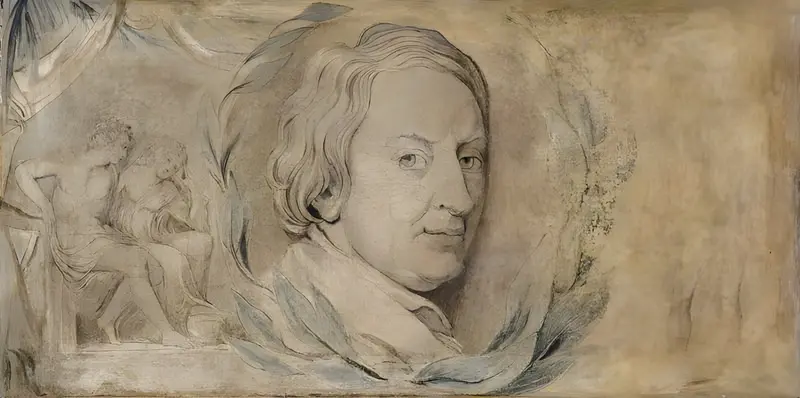
John Dryden (1631–1700)
William Blake
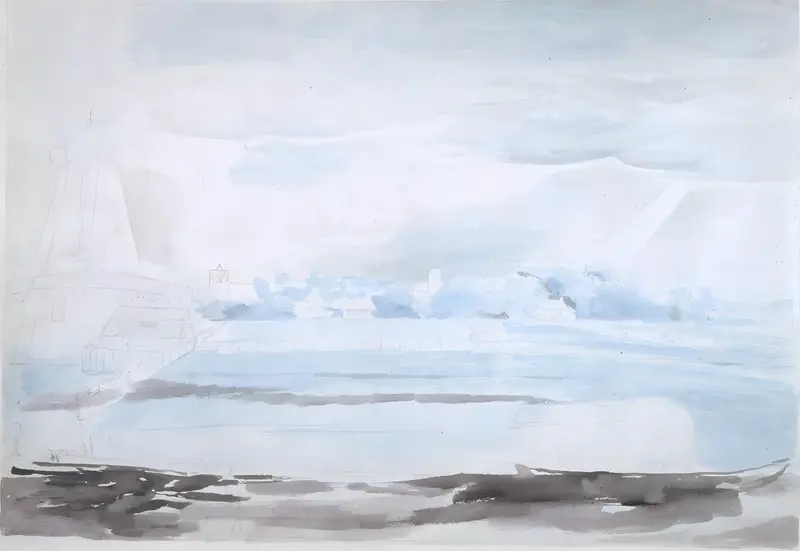
Landscape near Felpham
William Blake
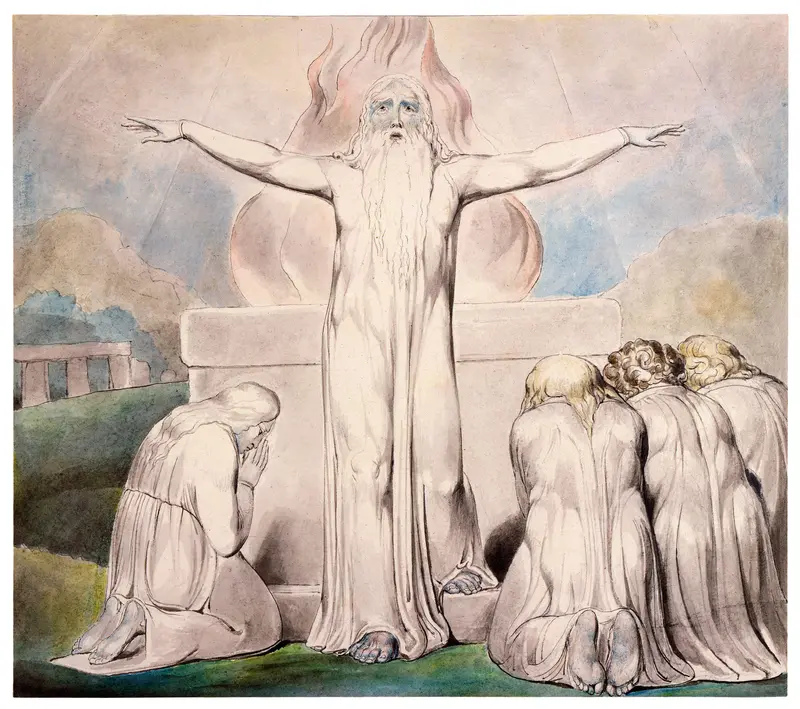
Sacrifice of Job
William Blake
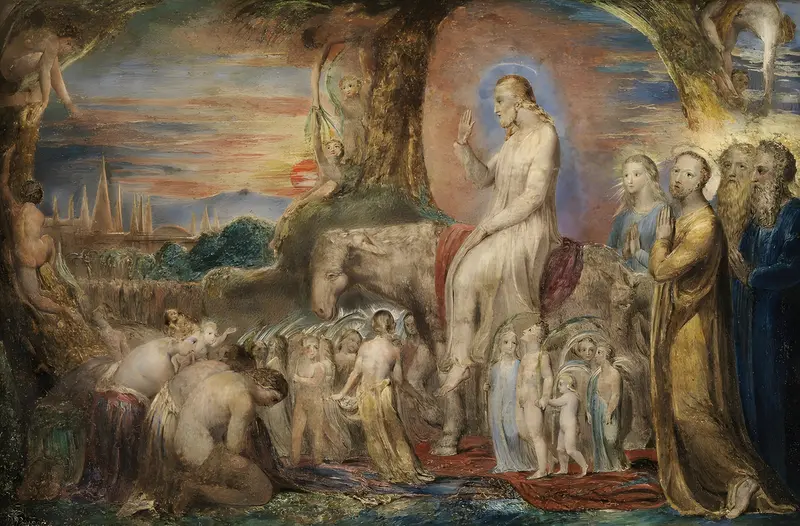
Christ's Entry into Jerusalem
William Blake
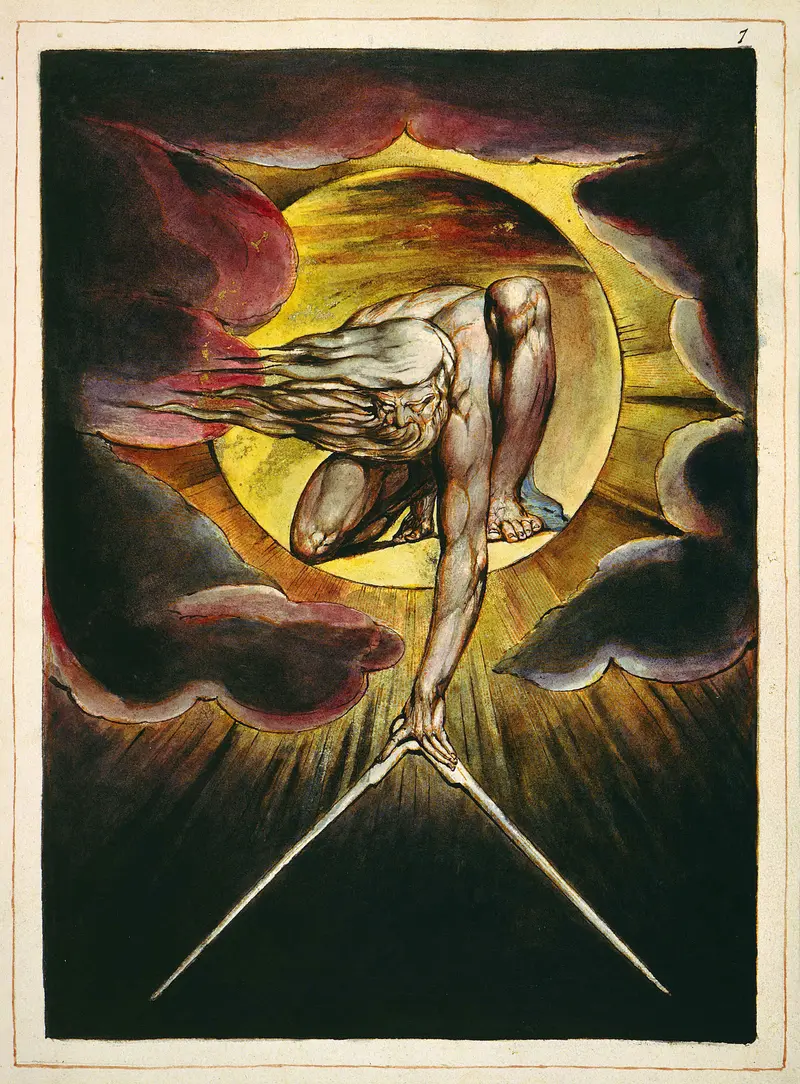
The Ancient of Days
William Blake
Adam Naming the Beasts
William Blake





