Discover insights about this artwork
The lagoon — History & Facts
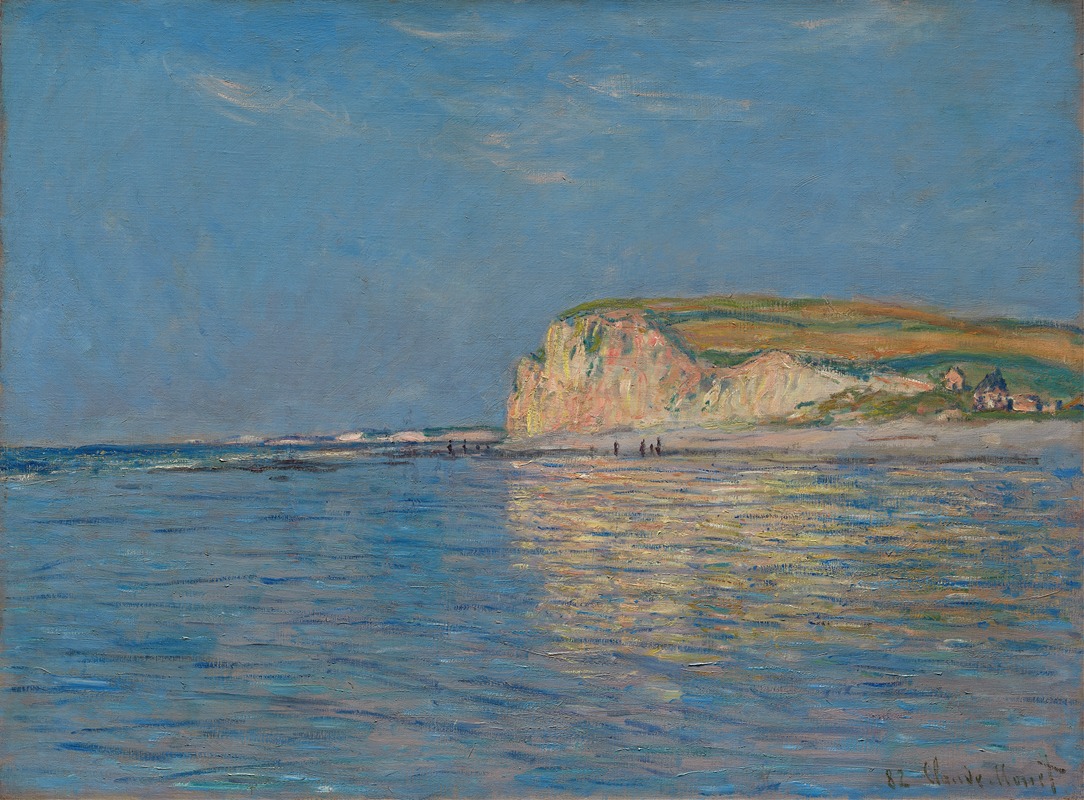
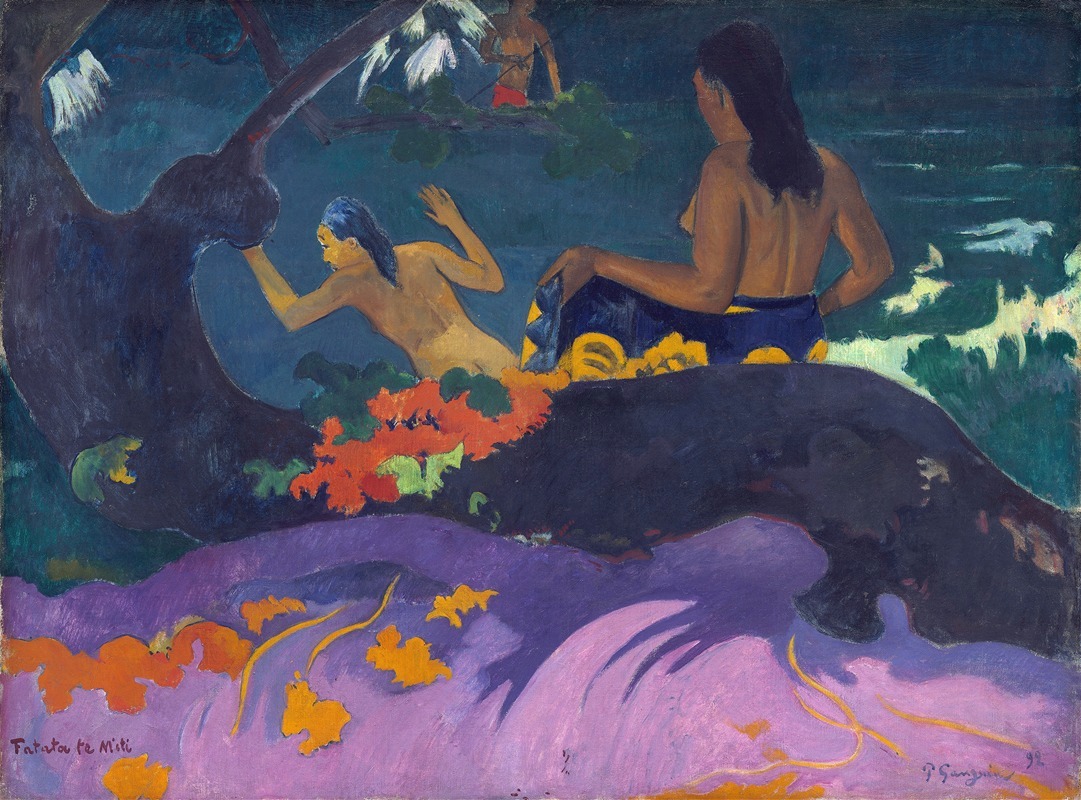
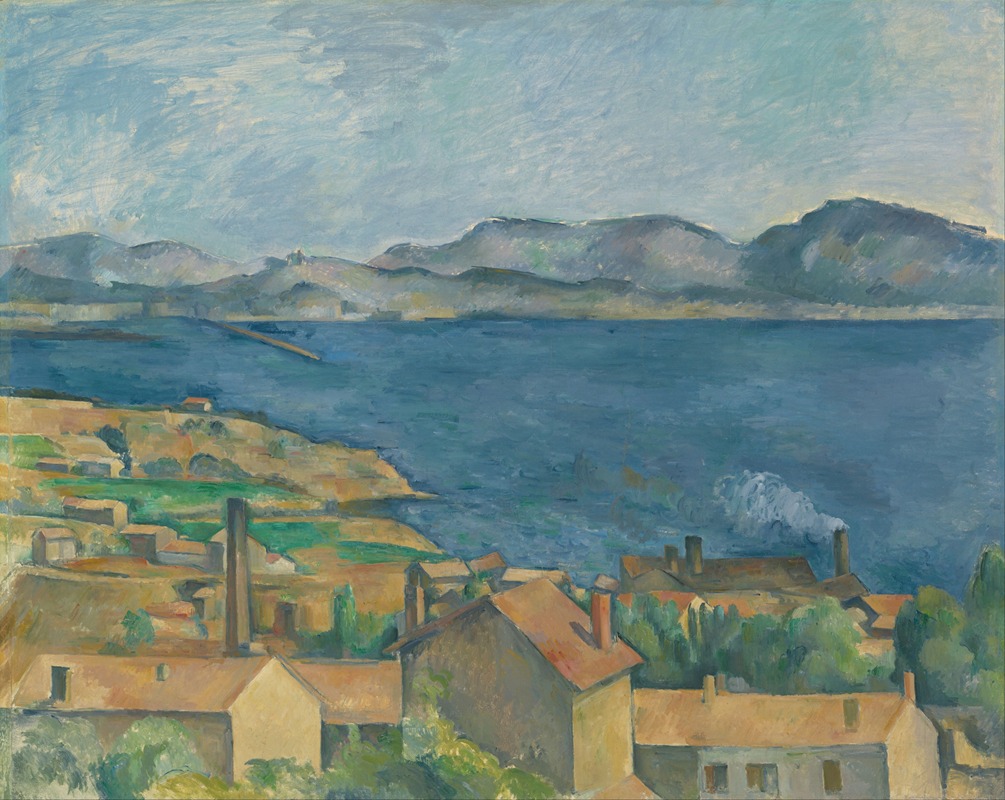
In The Lagoon, Henri Matisse presents a vibrant marine scene filled with bold colors. The painting features a serene lagoon surrounded by lush greenery and vivid blue waters. Matisse uses a palette of bright greens, blues, and yellows to create a lively atmosphere.
The composition is dynamic, with flowing lines and shapes that draw the viewer's eye throughout the canvas. The painting is executed in oil on canvas, a medium that allows for rich color application and texture. Matisse's brushwork is expressive, with visible strokes that enhance the sense of movement in the water. The dimensions of the artwork are approximately 100 x 81 cm, making it a substantial piece that commands attention.
The vibrant colors and forms exemplify the Fauvism style, characterized by its use of non-naturalistic colors. Henri Matisse created The Lagoon around 1907, during a period when he was exploring bold color and form. This work reflects his interest in capturing the essence of a scene rather than its realistic details. An interesting fact about this painting is that it showcases Matisse's departure from traditional representation, embracing a more expressive and emotional approach to art.
Today, it is housed in the Musée d'Orsay, where it continues to inspire viewers with its vibrant energy.
More Artworks by Henri Matisse
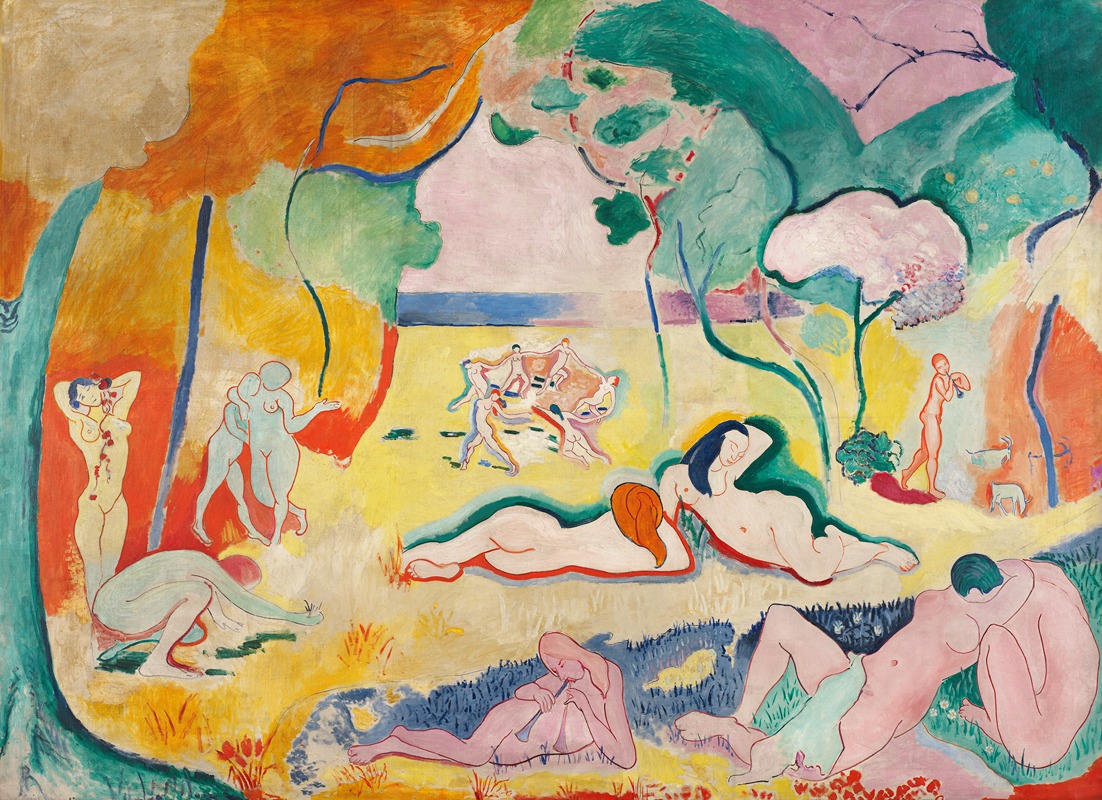
Le Bonheur de vivre, also called The Joy of Life
Henri Matisse
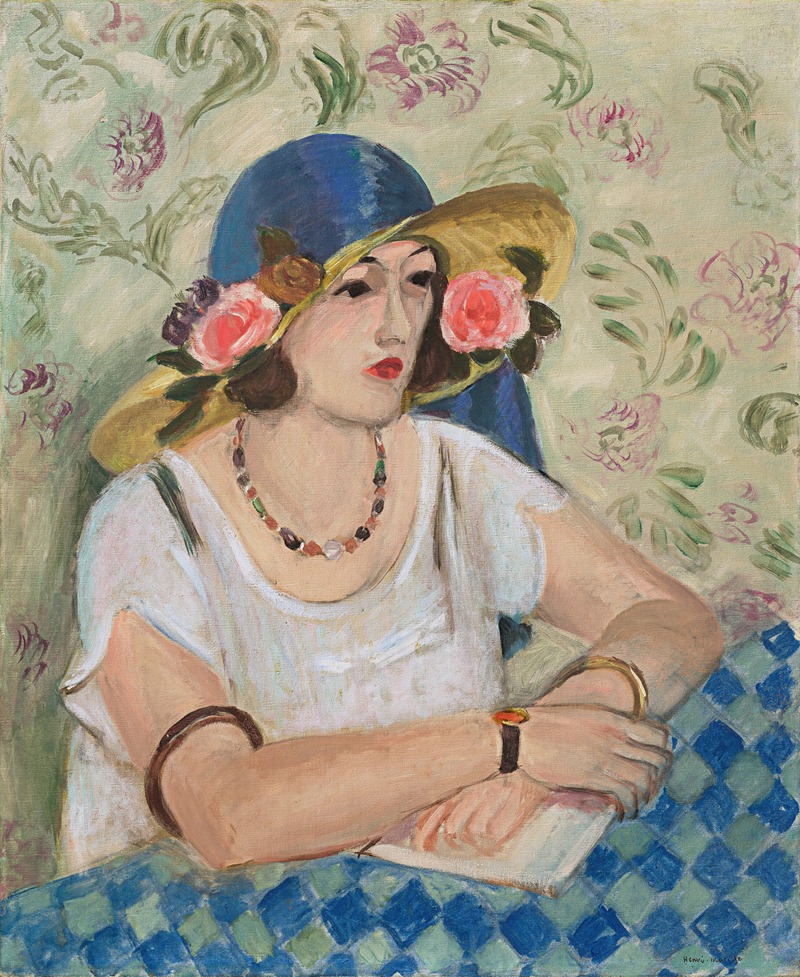
Femme au chapeau fleuri
Henri Matisse
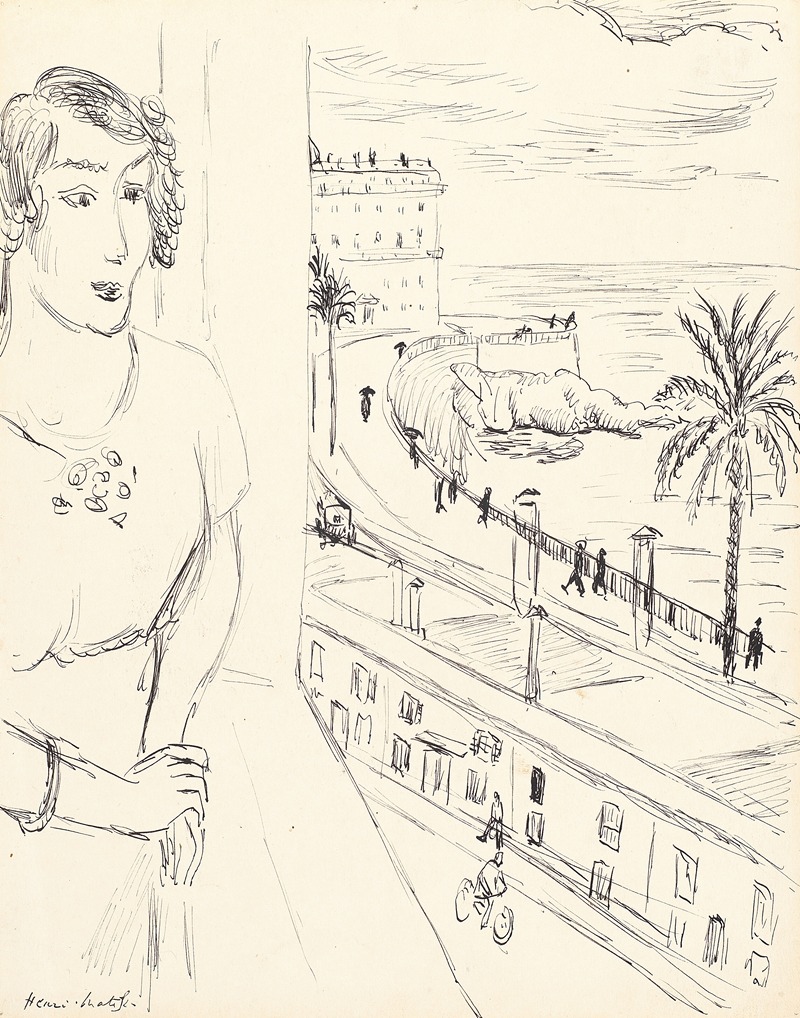
Femme près de la fenêtre, Nice
Henri Matisse
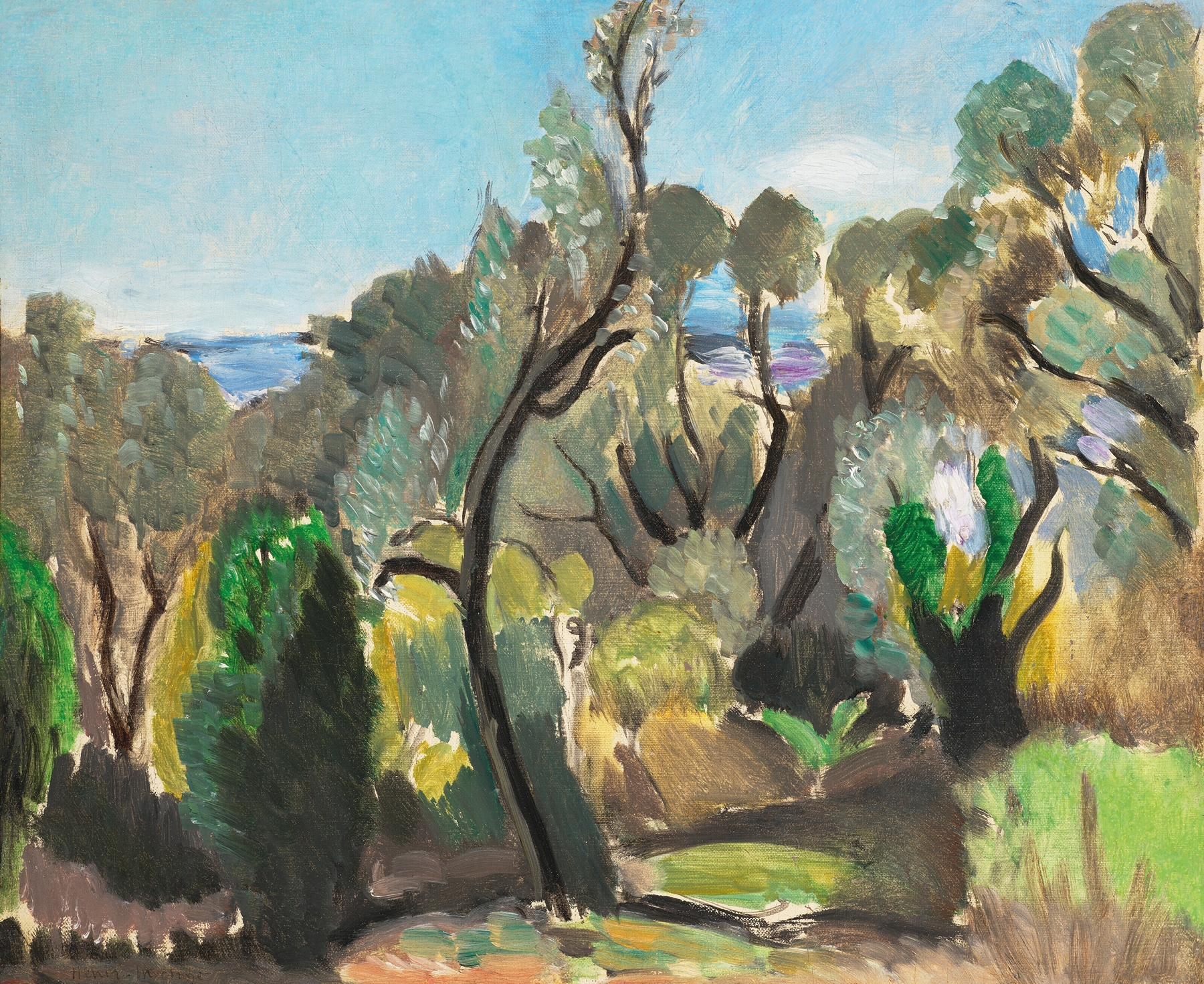
Paysage aux environs de Nice ou Les Oliviers ou Coin du Mont-Boron
Henri Matisse
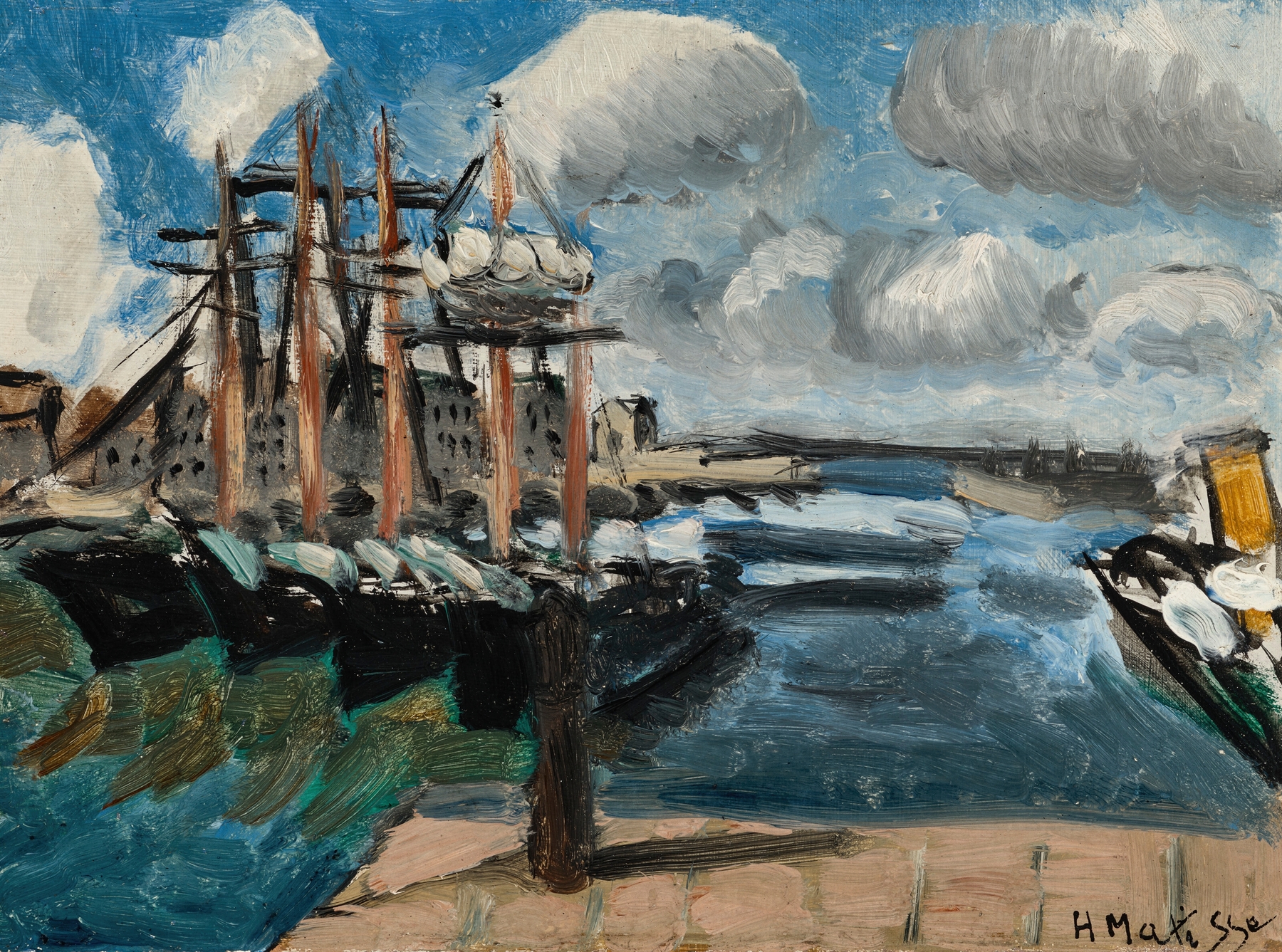
Port de Cherbourg
Henri Matisse
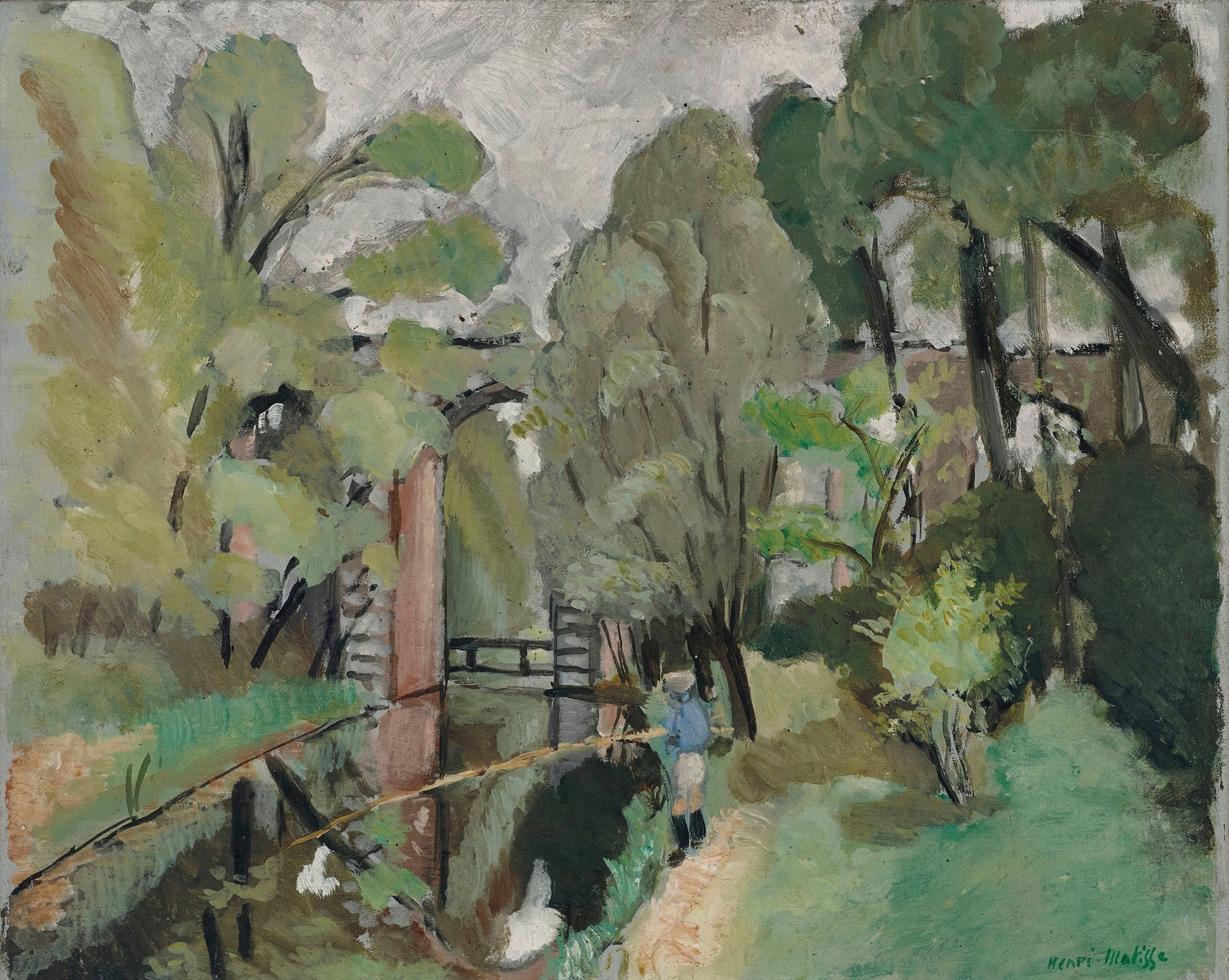
Le Petit pêcheur, Maintenon
Henri Matisse
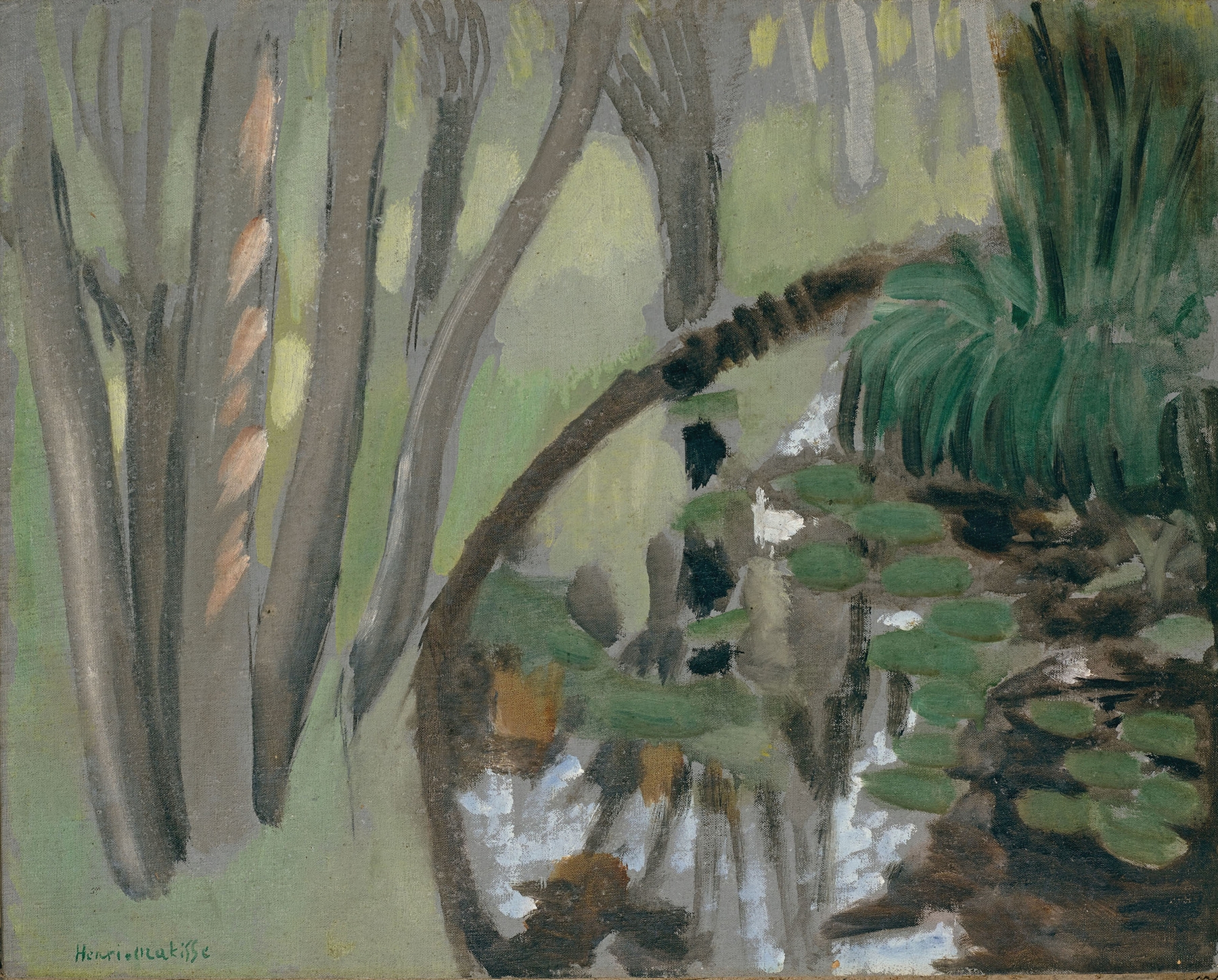
Le ruisseau, Maintenon
Henri Matisse
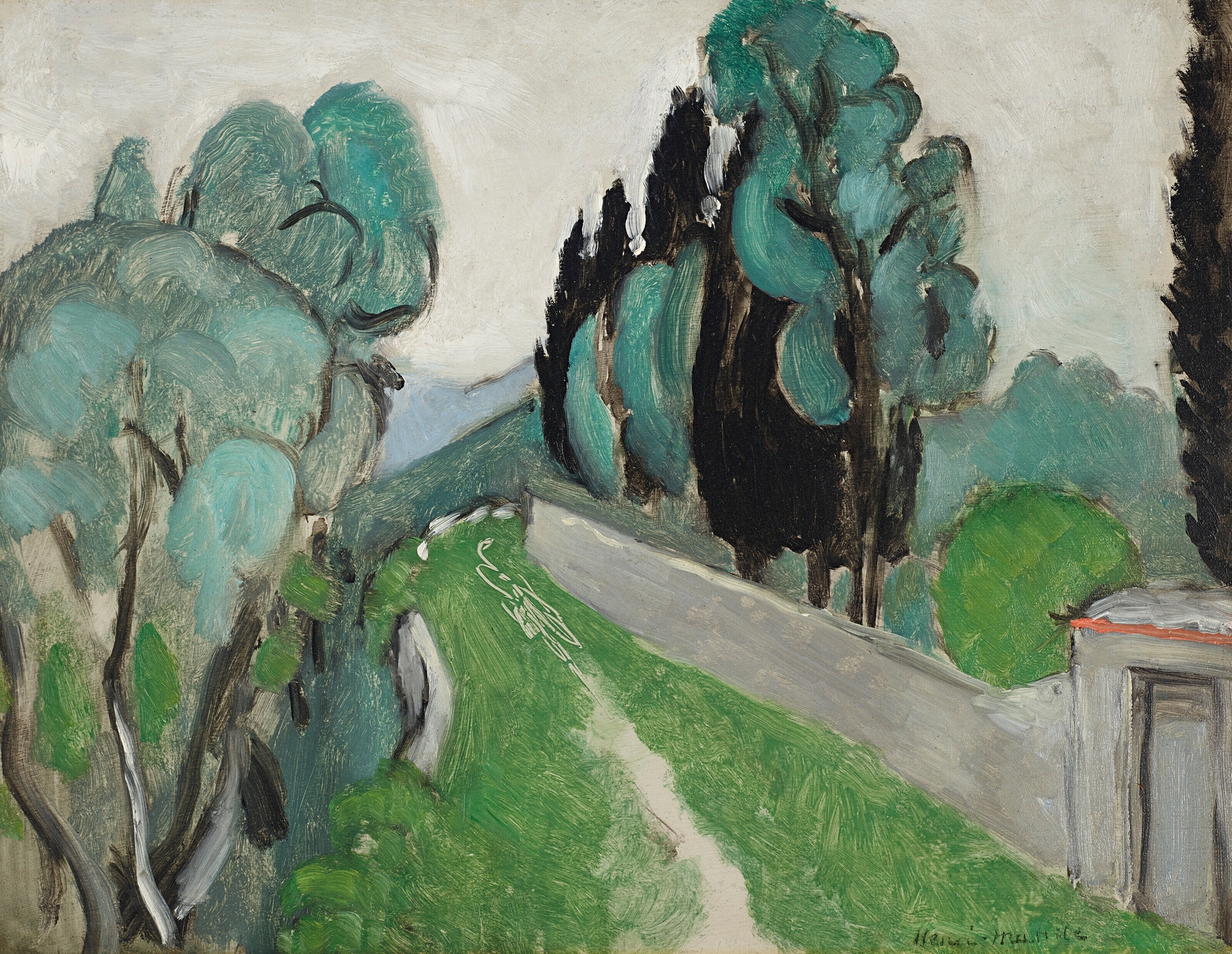
Paysage avec cyprès et oliviers aux environs de Nice
Henri Matisse
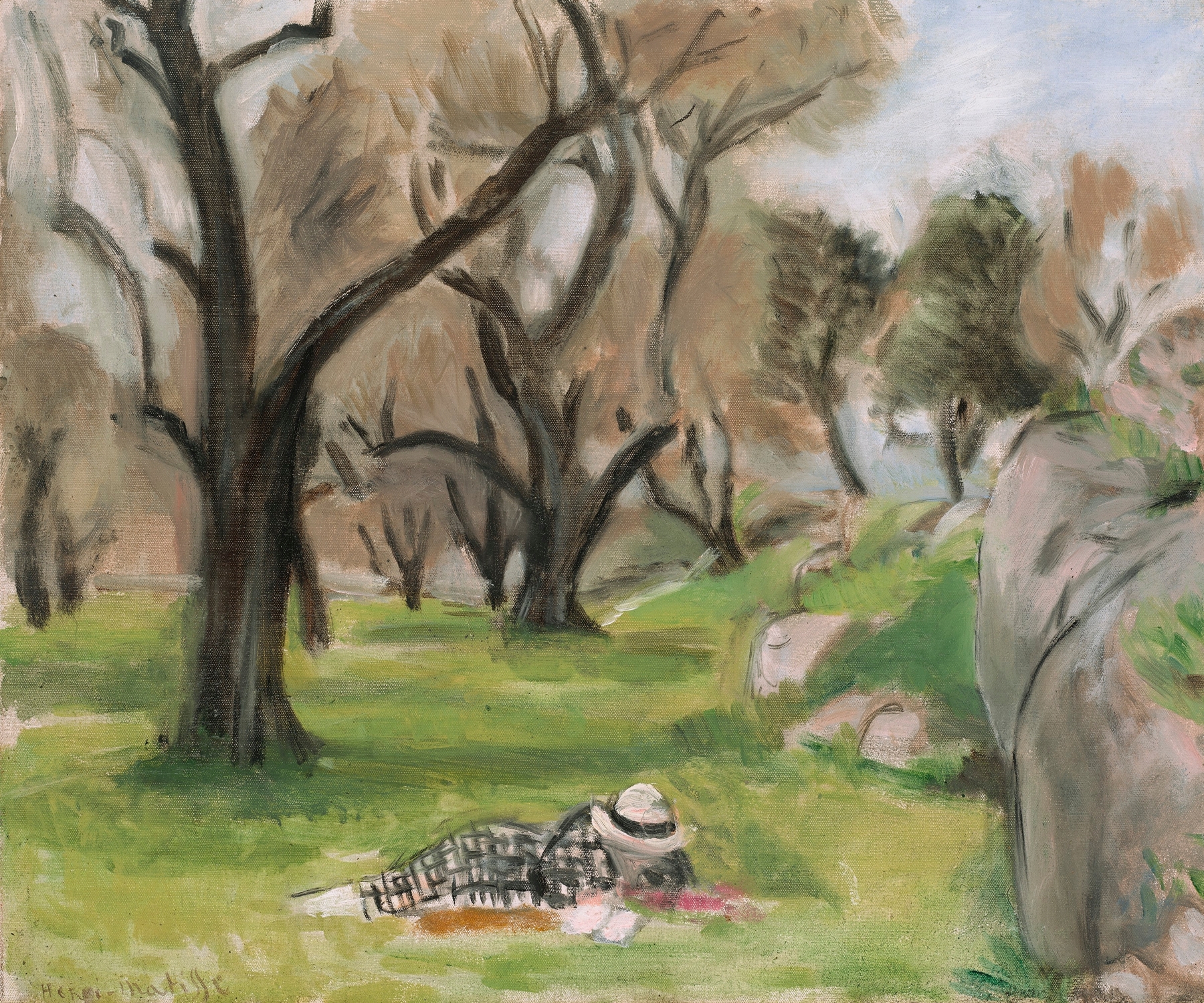
Paysage du Midi
Henri Matisse
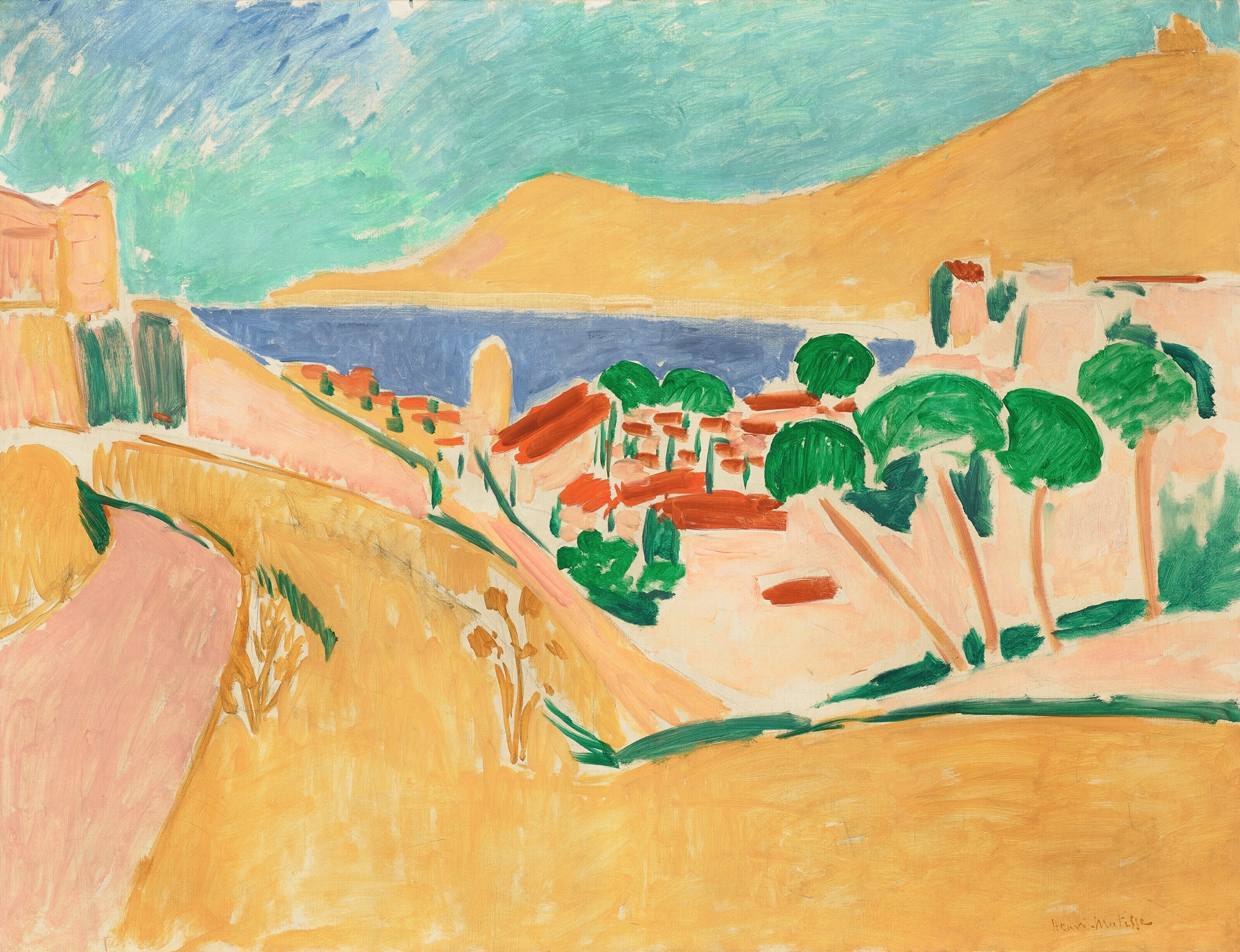
Collioure en août
Henri Matisse