
The lamentation over the dead Christ — History & Facts
In 1657, Nicolas Poussin painted The lamentation over the dead Christ, one of several treatments of this sorrowful scene by the artist, but this version stands out for its meditative stillness and restraint. Unlike the more theatrical interpretations by his Italian contemporaries, Poussin’s approach is marked by a quiet gravity that reflects the painter’s own philosophical temperament. The work was created during Poussin’s later years in Rome, a period when he was deeply engaged with the themes of mortality and faith.
The exact patron of this painting remains uncertain, a mystery that has intrigued scholars, as Poussin was then in high demand among both French and Italian collectors. The moment Poussin selects is after the Crucifixion: Christ’s lifeless body lies across the lap of the Virgin Mary, who bends over him in silent grief, while Mary Magdalene and St. John hover close, their gestures restrained but eloquent. The composition is tightly knit, the figures forming a mournful arc around Christ, whose pale torso is illuminated by a gentle, almost silvery light.
The Magdalene’s clasped hands and the Virgin’s bowed head express sorrow without excess, a stark contrast to the swirling drama of Caravaggio’s Entombment. Poussin’s use of color—cool blues and muted reds—underscores the somber mood, while the sparse landscape behind the group removes all distractions, focusing the viewer on the human cost of the Passion. The painting’s later history is less documented than some of Poussin’s other works, but it is typical of the religious commissions he received in his final years. While the medium is not definitively recorded, it is likely oil on canvas, consistent with his other works from this period.
Over time, The lamentation over the dead Christ has been admired for its clarity and emotional discipline, a hallmark of the Baroque classicism Poussin championed. Today, the painting is recognized as a testament to his mature style, balancing narrative intensity with compositional order, though its precise journey through collections remains partly shrouded in uncertainty.
More Artworks by Nicolas Poussin

Spring
Nicolas Poussin
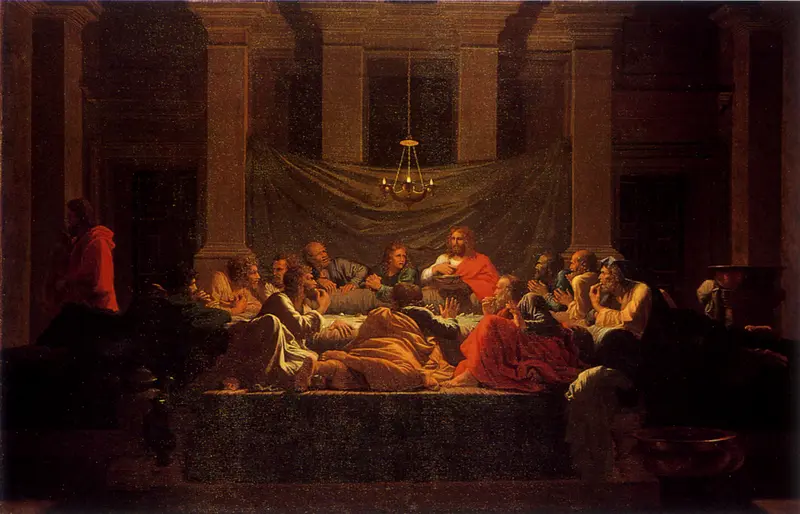
The Sacrament of the Holy Eucharist
Nicolas Poussin
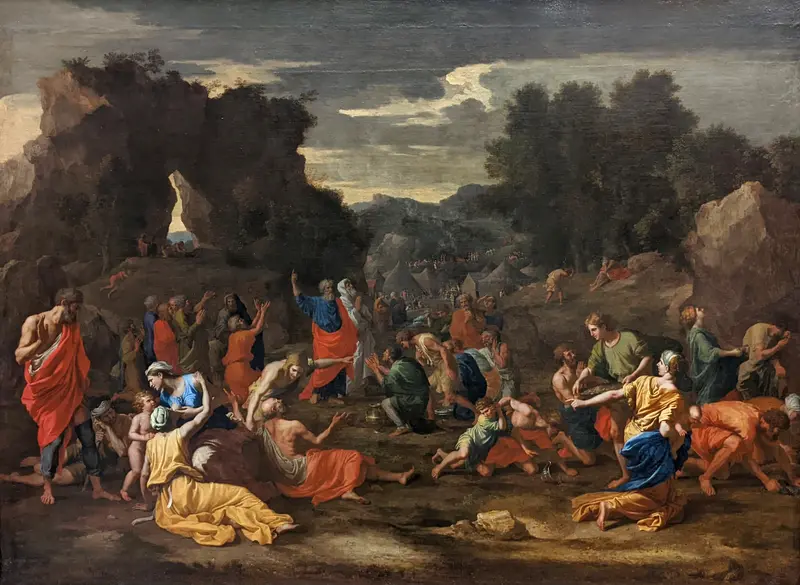
The Israelites gathering Manna in the Desert
Nicolas Poussin
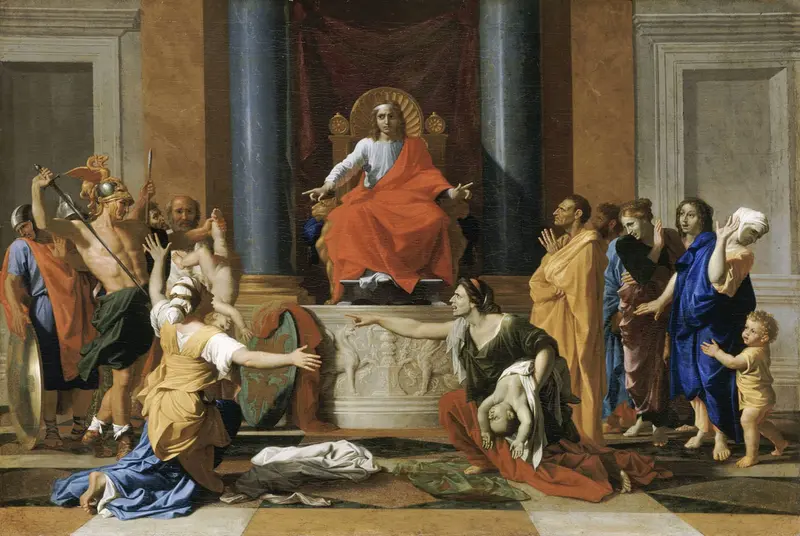
The Judgment of Solomon
Nicolas Poussin
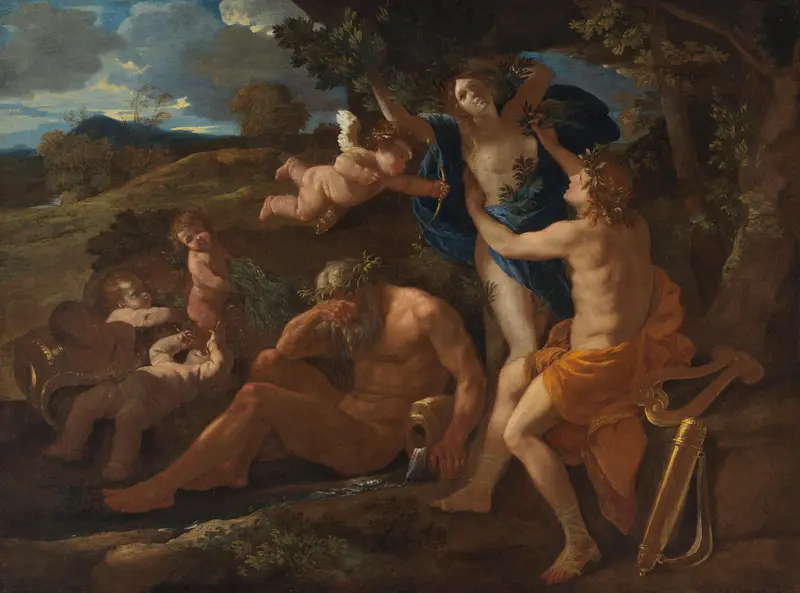
Apollo and Daphne
Nicolas Poussin

The Nurture of Jupiter
Nicolas Poussin

Ordination
Nicolas Poussin
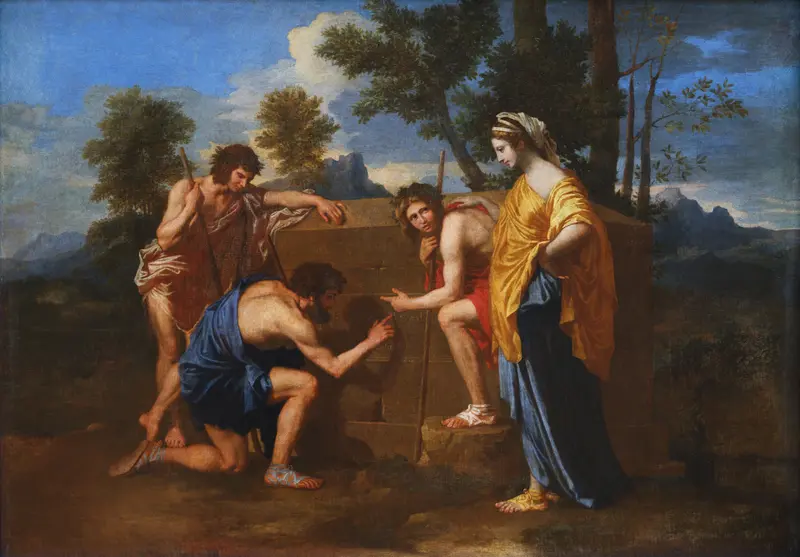
Et in Arcadia ego
Nicolas Poussin
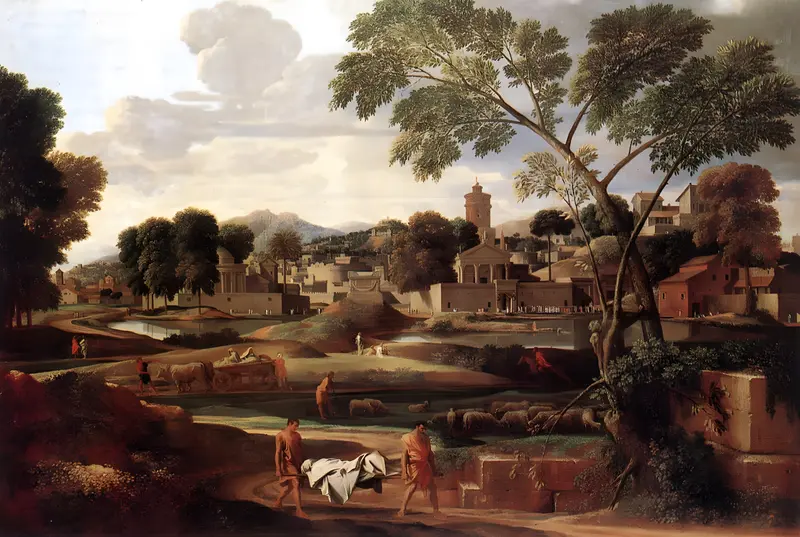
The Funeral of Phocion
Nicolas Poussin
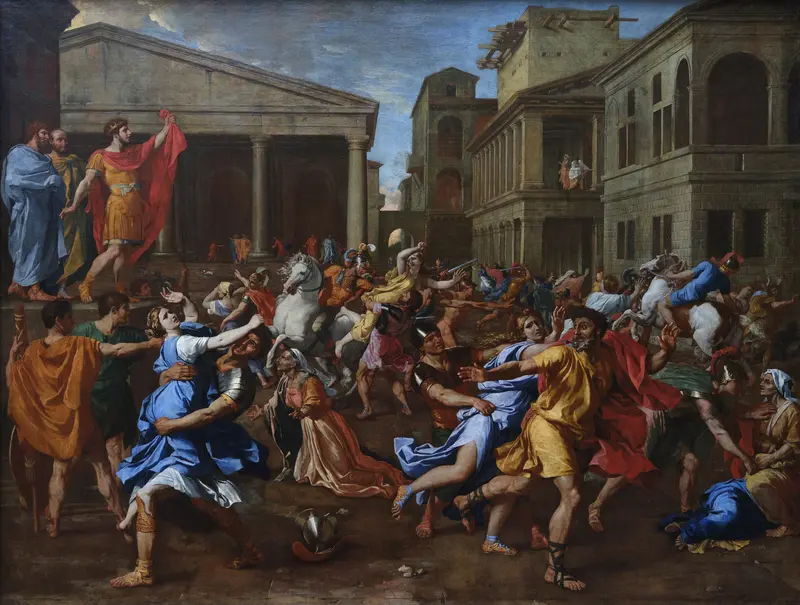
The Rape of the Sabine Women
Nicolas Poussin





