
The Last Judgment — History & Facts
When Fra Angelico painted The Last Judgment in 1431, he was not yet the celebrated friar-artist of San Marco, but a rising talent in Florence, chosen to decorate the church of Santa Maria degli Angeli. This panel is one of several versions he created of the same subject, each with subtle differences, and it is among the earliest surviving examples. Its fame spread quickly; by the late 15th century, it was already being copied by other artists and described by chroniclers as a model of clarity and grace.
The painting’s fate was shaped by the shifting tides of Florentine devotion, and its survival is a testament to the care with which it was preserved through centuries of religious and political upheaval. At the heart of the scene, Christ sits enthroned in a mandorla of radiant light, raising his right hand in blessing and lowering his left in judgment. Angels sound their trumpets, summoning the dead from their graves, while the blessed are led by angels toward a flowering paradise on the left, and the damned are driven by demons into a fiery abyss on the right. The golden chains binding the condemned, the gestures of intercession from the Virgin and saints, and the careful division of space all serve to guide the viewer’s eye and soul.
Unlike the tormented chaos of Michelangelo’s later The Last Judgment in the Sistine Chapel, Fra Angelico’s vision is orderly and suffused with hope, emphasizing mercy as much as justice. The original patron of this panel is not known with certainty, but its style and iconography link it closely to the Dominican order, to which Fra Angelico belonged. Over the centuries, the painting passed through various Florentine collections, at times misattributed or overshadowed by larger, more dramatic interpretations of the theme. Today, it is recognized as a key work in the early Renaissance, marking a turning point in the depiction of sacred narrative.
Its luminous colors and delicate figures reflect the artist’s deep faith and technical skill, qualities that would soon make Fra Angelico one of the most admired painters of his generation.
More Artworks by Fra Angelico

Condemnation of St Lawrence by the Emperor Valerian
Fra Angelico
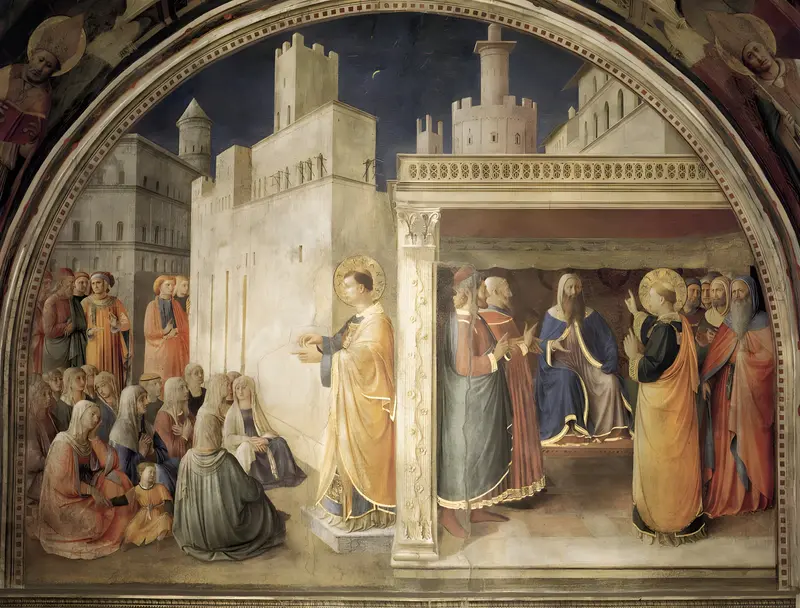
Lunette of the north wall
Fra Angelico
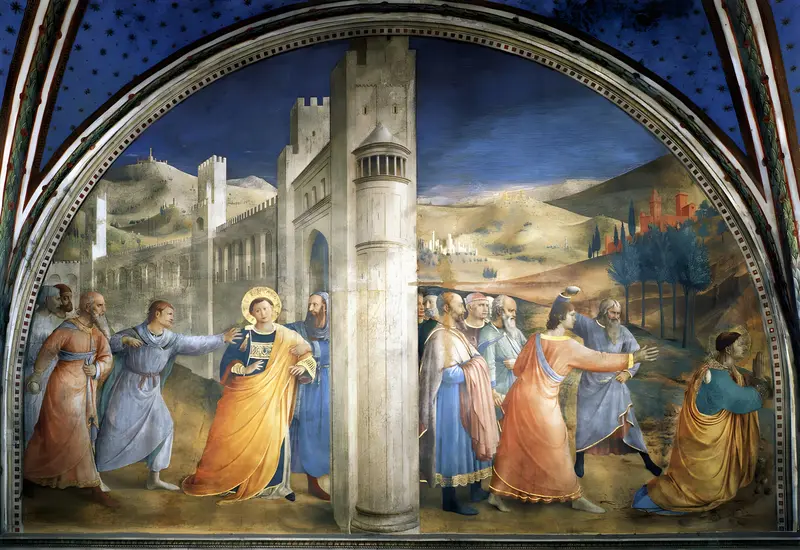
Lunette of the east wall in Niccoline Chapel
Fra Angelico
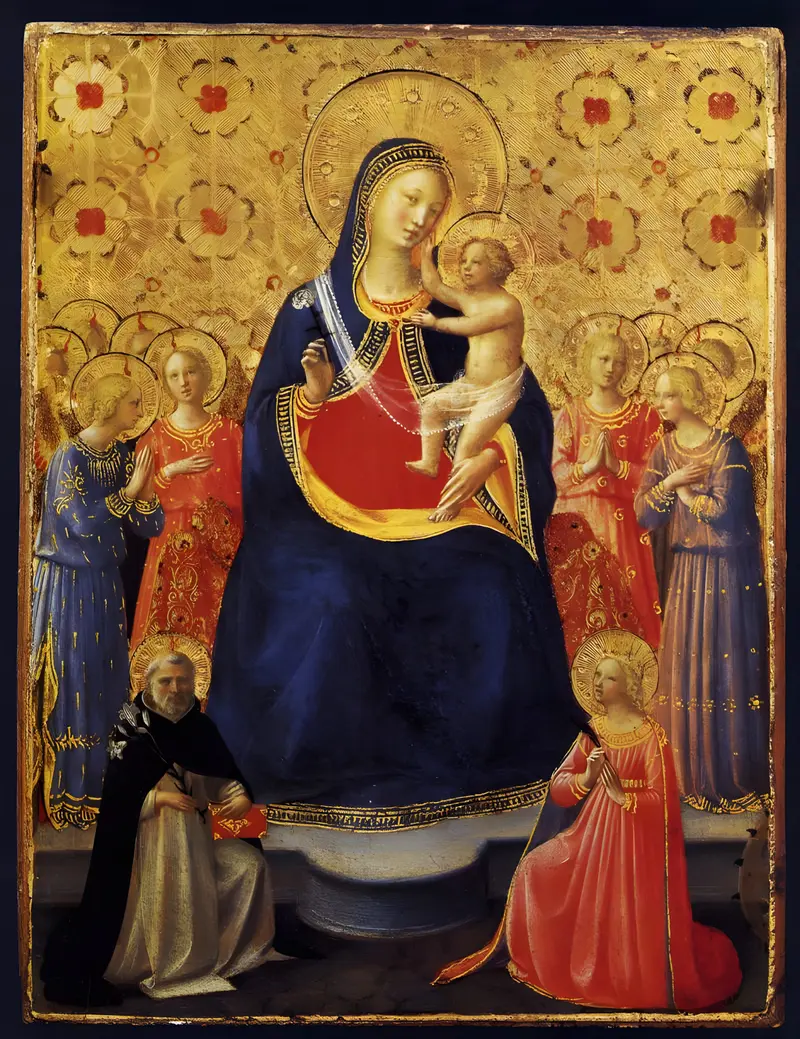
Madonna and Child Enthroned with Nine Angels and Saints Dominic and Catherine of Alexandria
Fra Angelico
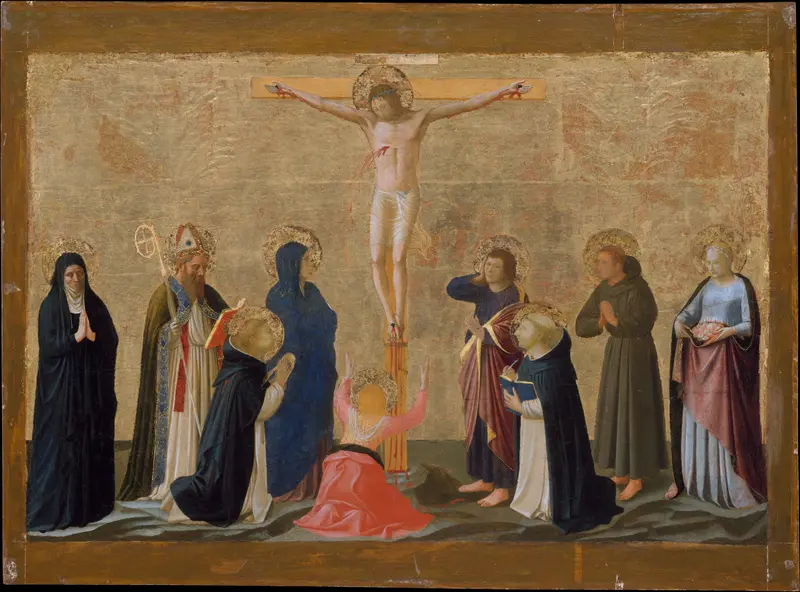
The Crucifixion
Fra Angelico
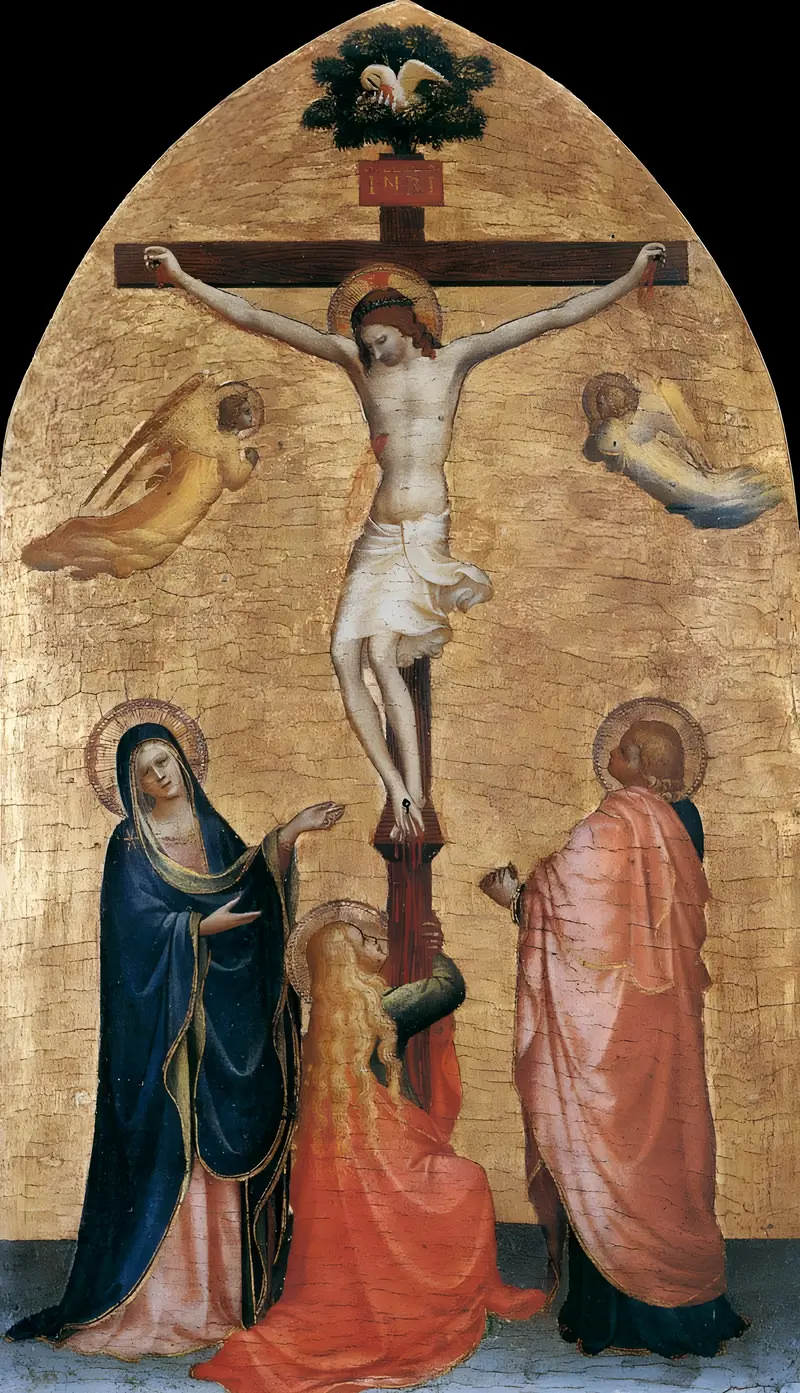
Crucifixion with the Virgin, John the Evangelist, and Mary Magdelene
Fra Angelico
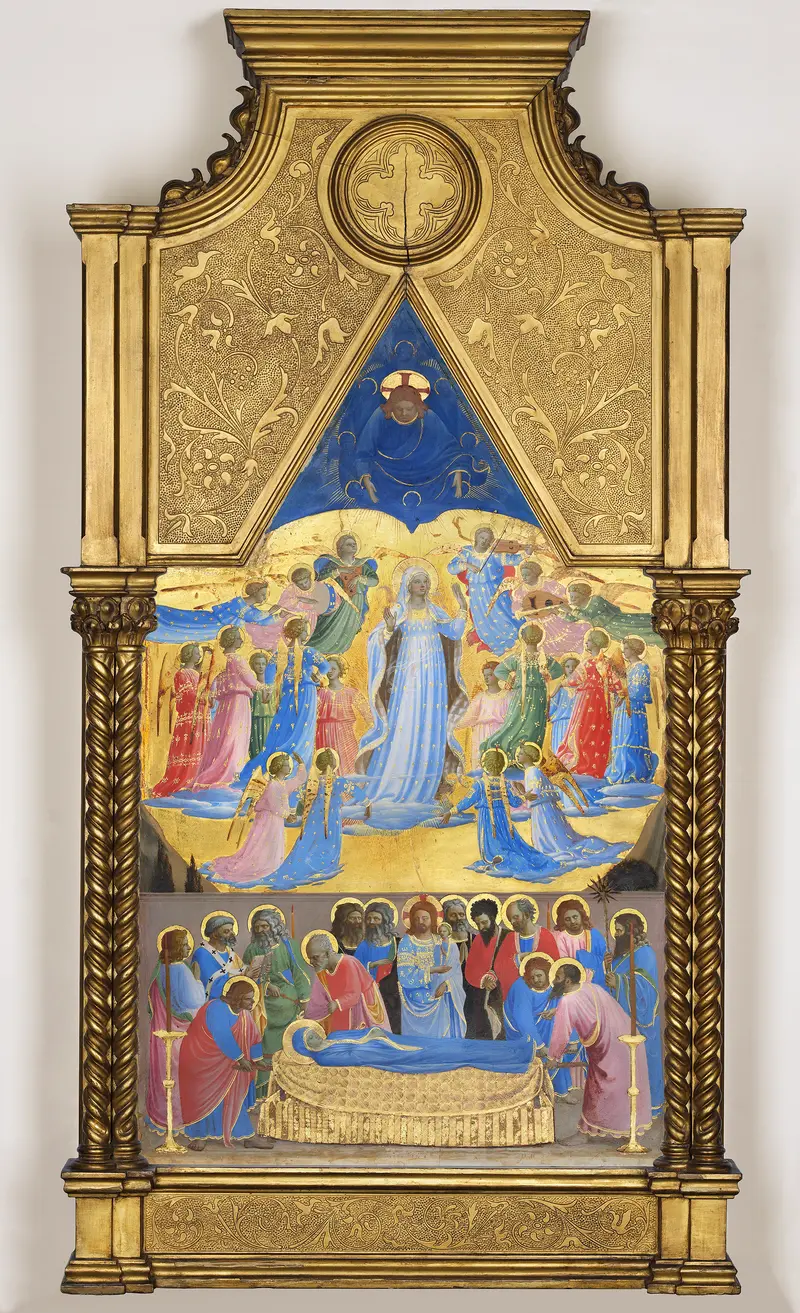
Dormition and Assumption of the Virgin
Fra Angelico
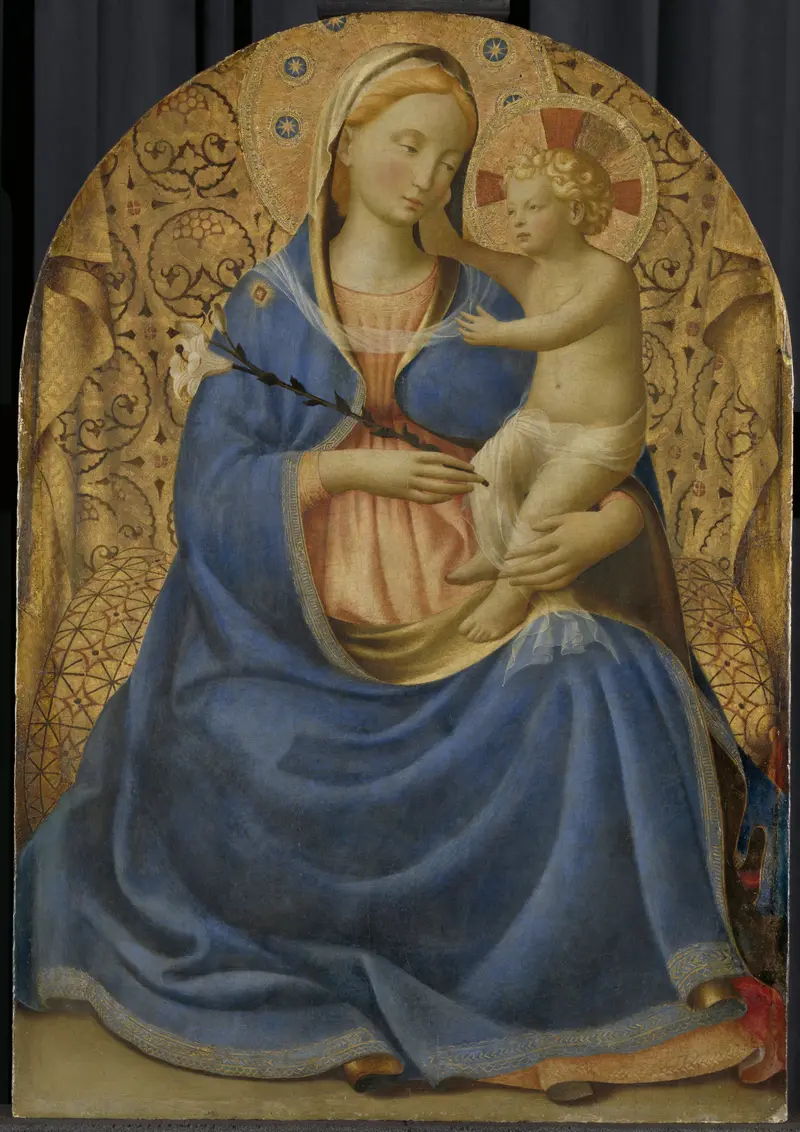
Madonna of Humility
Fra Angelico
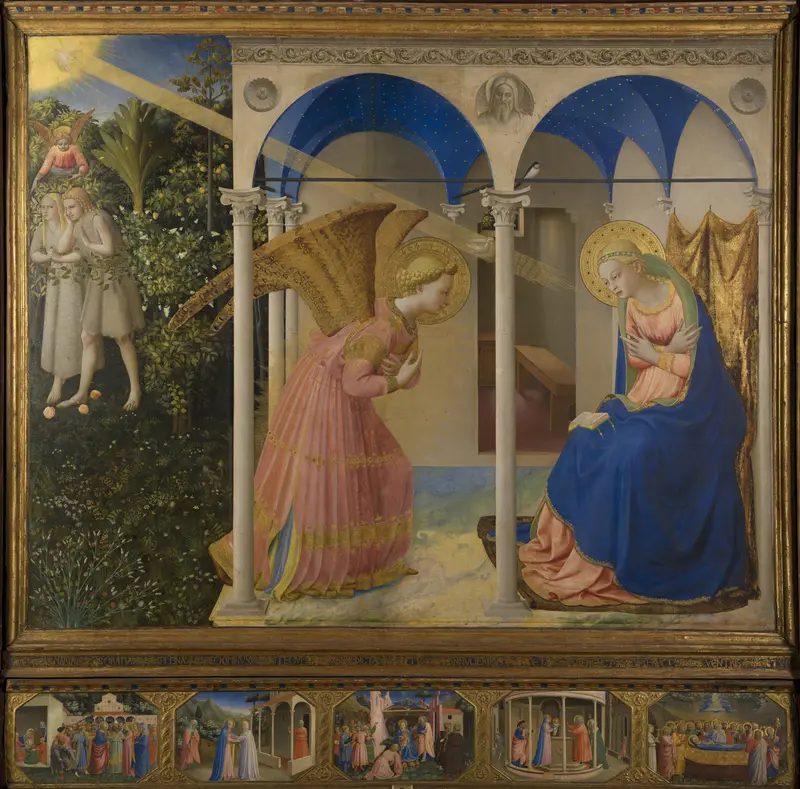
The Annunciation
Fra Angelico

Saint Anthony Abbot
Fra Angelico





