
The Lion Hunt — History & Facts
The first thing that seizes the viewer in The Lion Hunt is the sheer tumult at its center: a writhing knot of lions, hounds, and riders, all caught in a moment where survival and chaos are indistinguishable. The eye is drawn to the white horse rearing in alarm, its rider leaning perilously forward, spear poised, while another figure plunges his own weapon toward the mass of fur and muscle below. The swirl of bodies—animal and human—creates a vortex of energy, the lines of spears and limbs all converging on the primal struggle at the painting’s heart.
Sunlight cuts through the upper right, illuminating the drama and throwing the figures into sharp relief against the deep shadow of the forest behind, heightening the sense of danger and urgency. Painted in 1735, this work by Jean-François de Troy emerges from a period when European artists were fascinated by scenes of exotic hunts and distant lands, often imagined rather than observed firsthand. Such paintings were not merely about spectacle—they served as displays of power, bravado, and the allure of the unfamiliar, commissioned by patrons eager to associate themselves with both heroism and worldliness. The presence of turbans and flowing robes in the riders’ costumes hints at an imagined Orient, filtered through the lens of eighteenth-century France.
Now in the collection of the Los Angeles County Museum of Art, The Lion Hunt stands as a vivid relic of its era’s taste for drama and fantasy, inviting us to linger in its storm of bodies and brushwork.
More Artworks by Jean-François de Troy
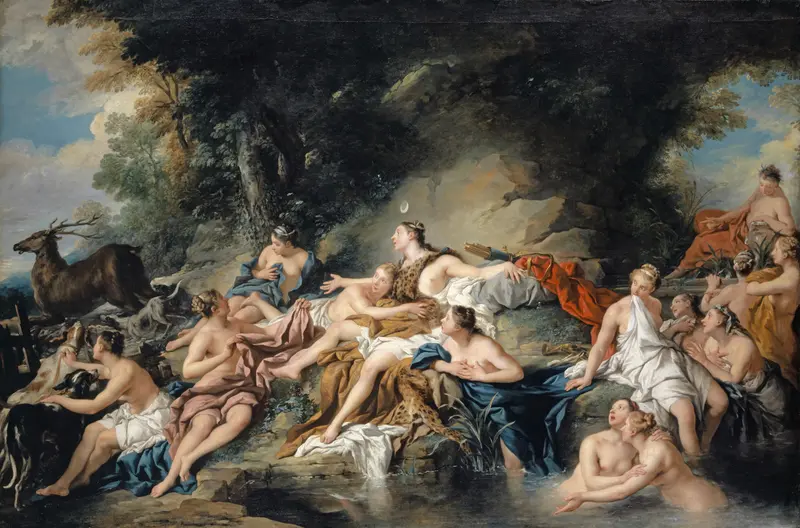
Diana and Actaeon
Jean-François de Troy
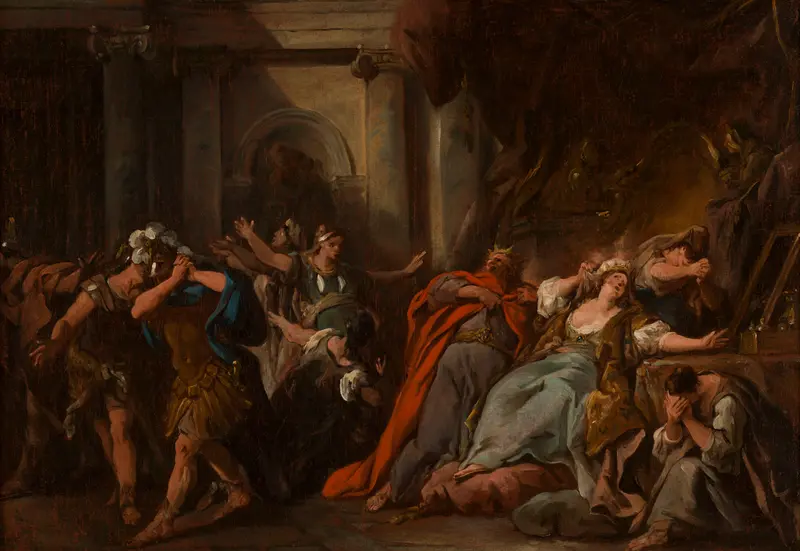
Créüse consumée par la robe empoisonnée
Jean-François de Troy
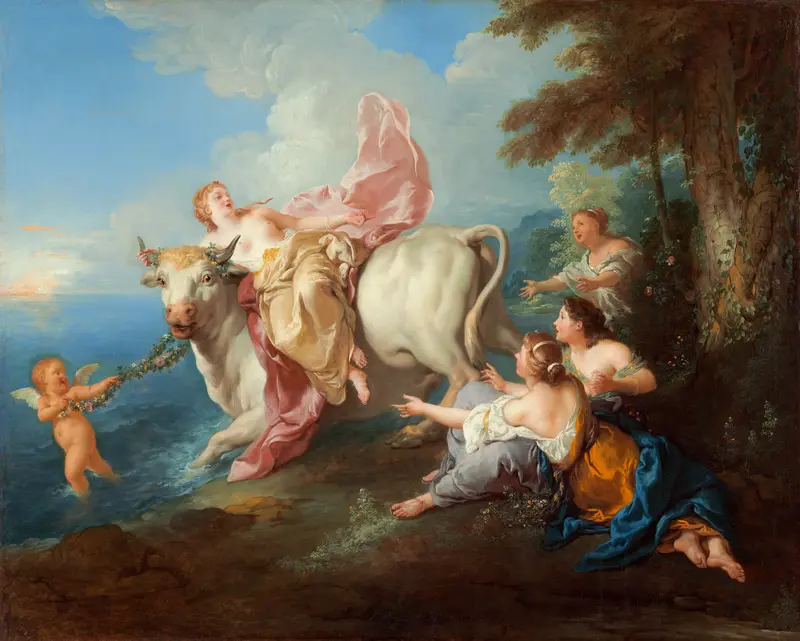
The Abduction of Europa
Jean-François de Troy
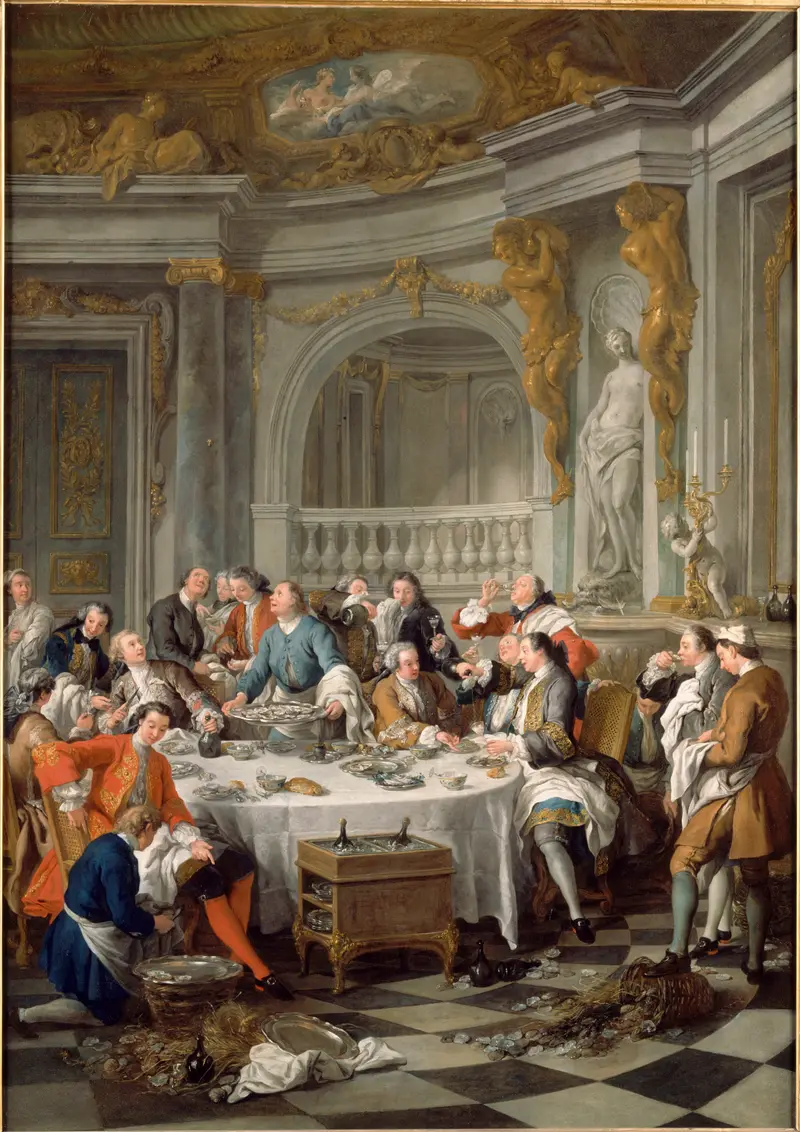
The Lunch of Oysters
Jean-François de Troy
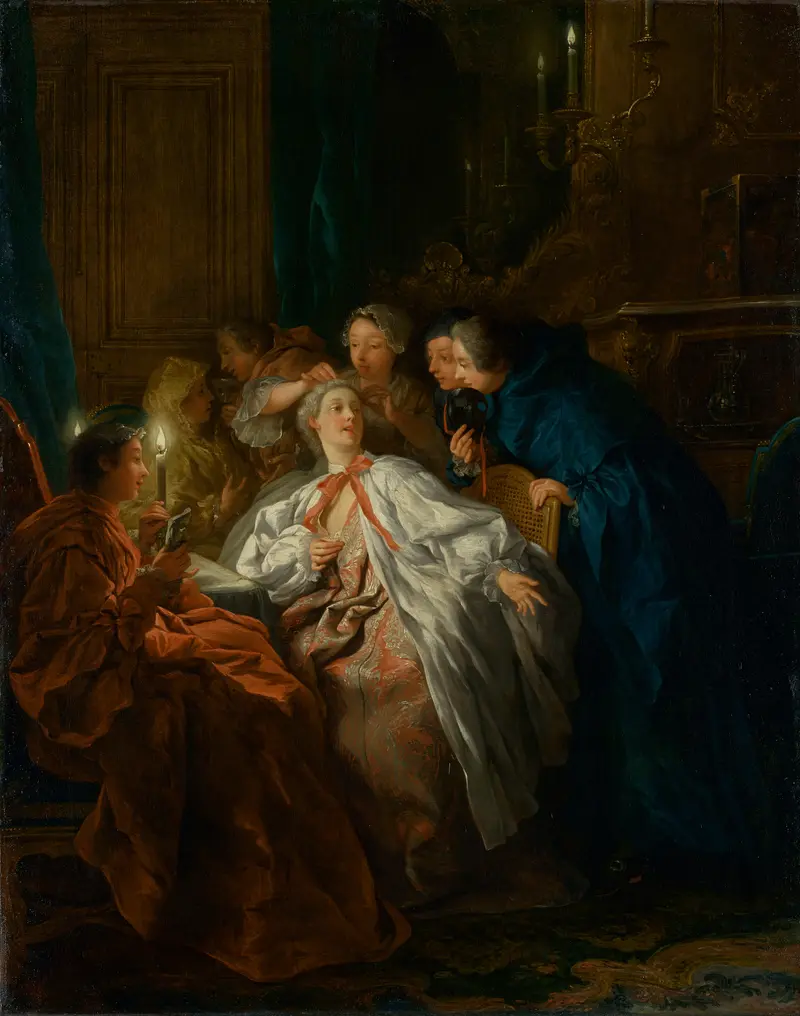
Before the Ball
Jean-François de Troy
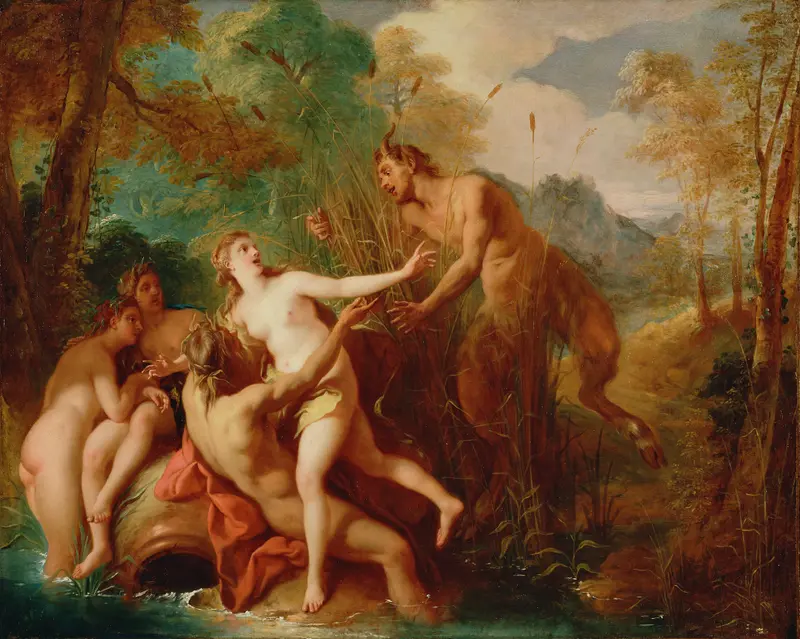
Pan and Syrinx
Jean-François de Troy

Le Combat des soldats nés des dents du serpent
Jean-François de Troy
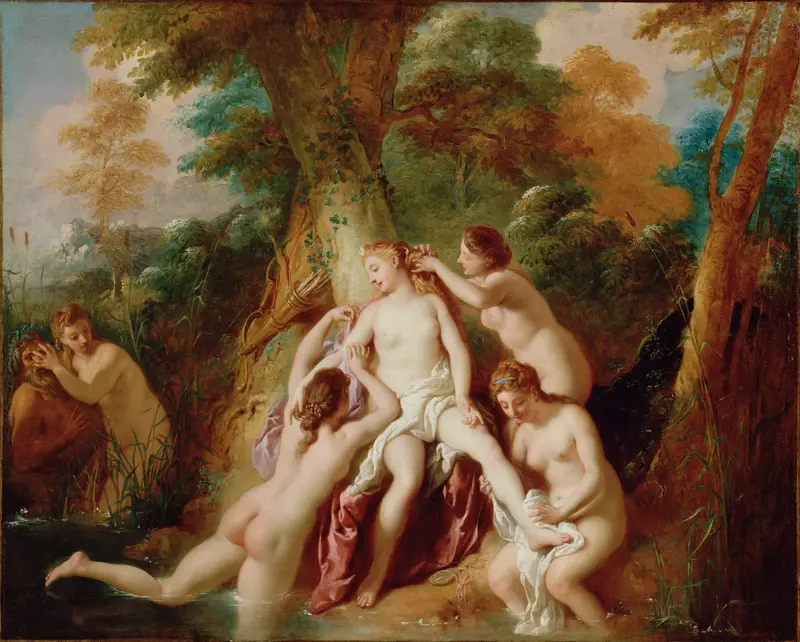
Diana and Her Nymphs Bathing
Jean-François de Troy
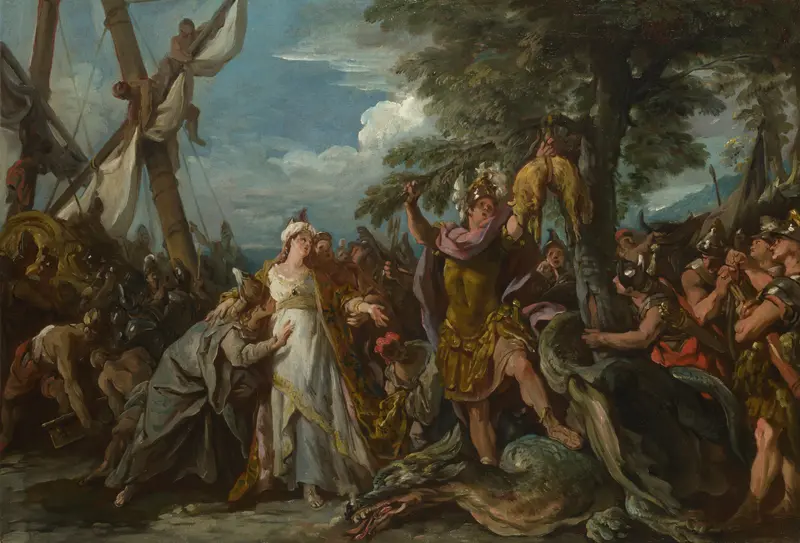
The Capture of the Golden Fleece
Jean-François de Troy
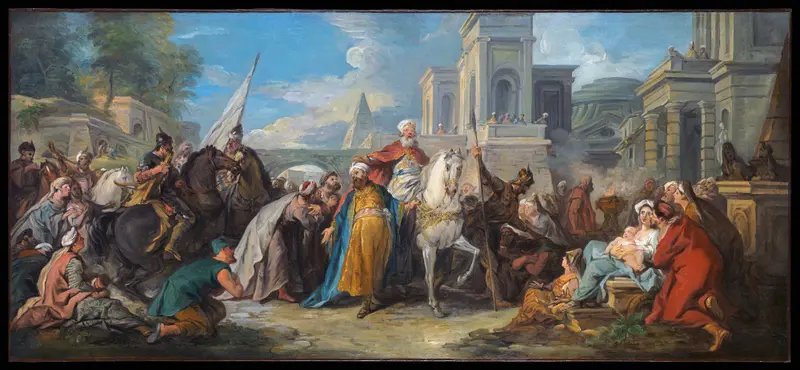
The Triumph of Mordecai
Jean-François de Troy





