
The Little Schoolboy — History & Facts
What draws the eye first in The Little Schoolboy is not the boy’s battered shoes or the patched knees of his trousers, but the faraway look in his eyes—a gaze that seems to drift beyond the drab classroom and out into some imagined world. His chin rests heavily on his hand, elbow propped on the scarred table, while a stack of books looms behind him like a silent challenge. The light, soft but insistent, falls across his pale face and tangled hair, catching the thoughtful slack of his mouth and the faint pink at his cheek.
The white cloth draped carelessly over the table’s edge feels almost like a flag of surrender, while the battered jug and iron stove at his feet root the scene in the hard reality of daily life. There is no teacher in sight, no lesson in progress—only the quiet drama of a child’s mind wandering far from the world of ink and discipline. Painted in 1876, this work by Antonio Mancini belongs to a moment in European art when painters turned their attention to the overlooked corners of ordinary existence. In Italy, where Mancini worked, artists of the late nineteenth century often found their subjects among the poor and working classes, capturing the dignity and hardship of everyday life.
Such pictures were rarely commissioned by the wealthy; instead, they were painted for exhibition, for sale to collectors interested in the new, unvarnished realism. Little is recorded about the journey of this particular painting, now in the Siren-Com collection, but its honest gaze and worn textures speak for a world where childhood was often shadowed by want. Look again at the boy’s expression, and you may see not only his daydream, but a quiet resilience shaped by the world around him.
More Artworks by Antonio Mancini

Portrait of a lady
Antonio Mancini
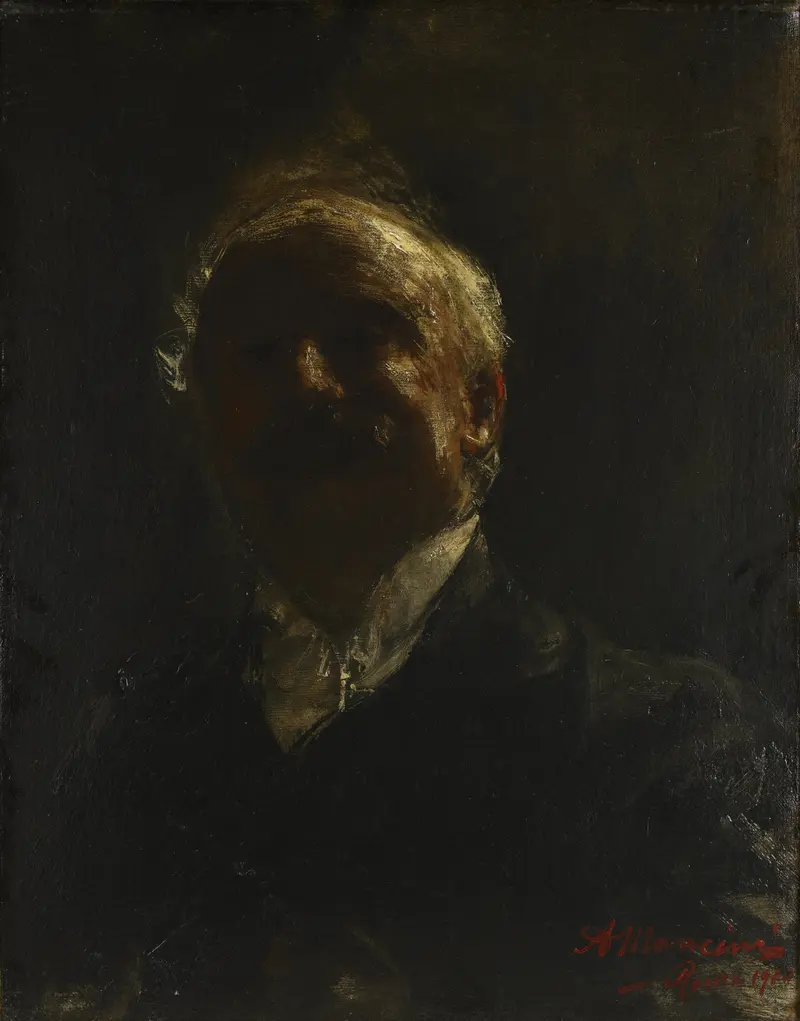
Self-Portrait
Antonio Mancini
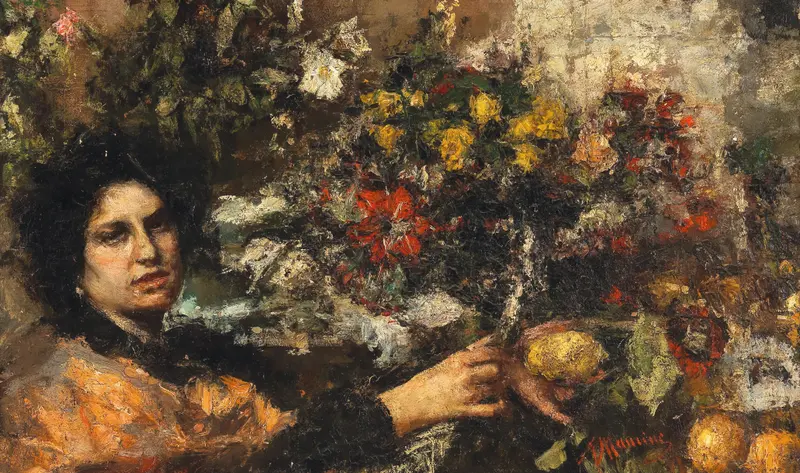
The Flower Seller
Antonio Mancini
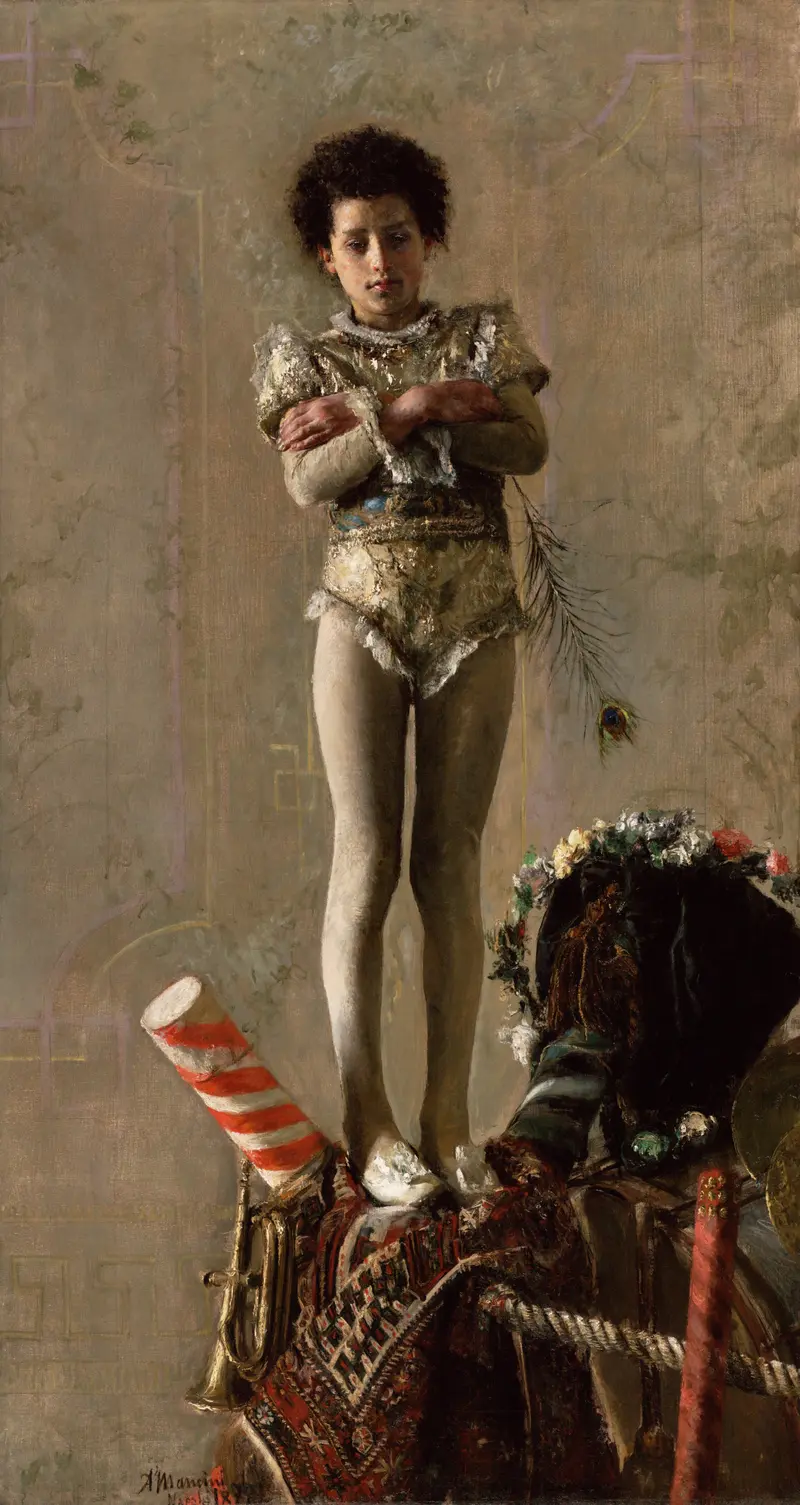
The Saltimbanco
Antonio Mancini
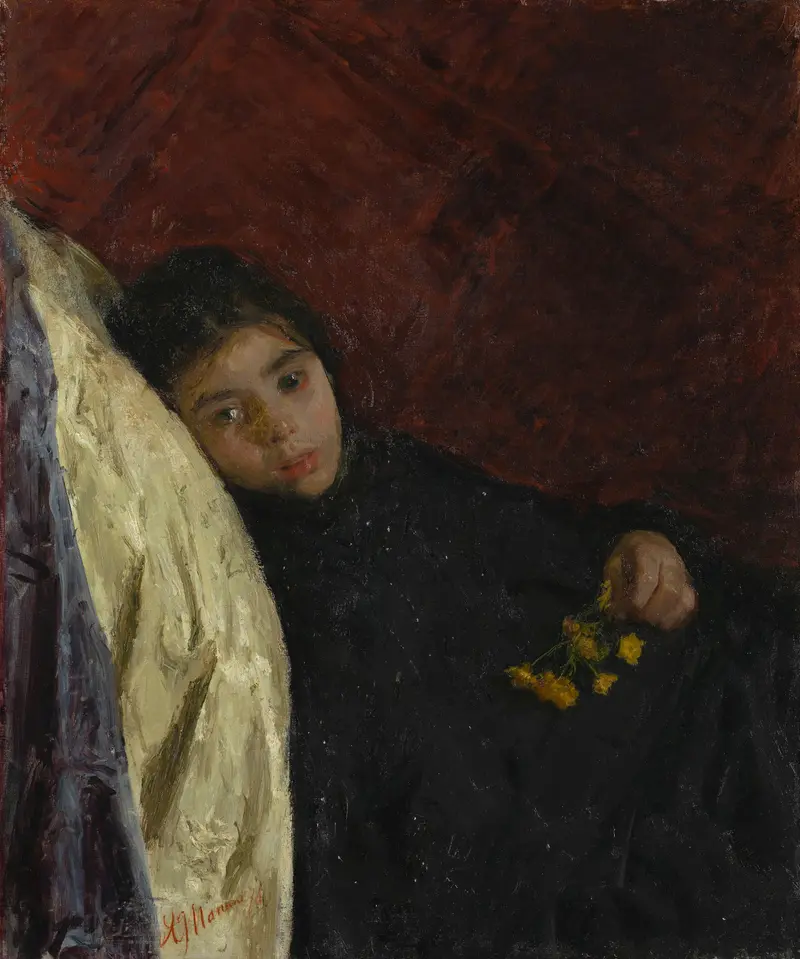
The sick child
Antonio Mancini
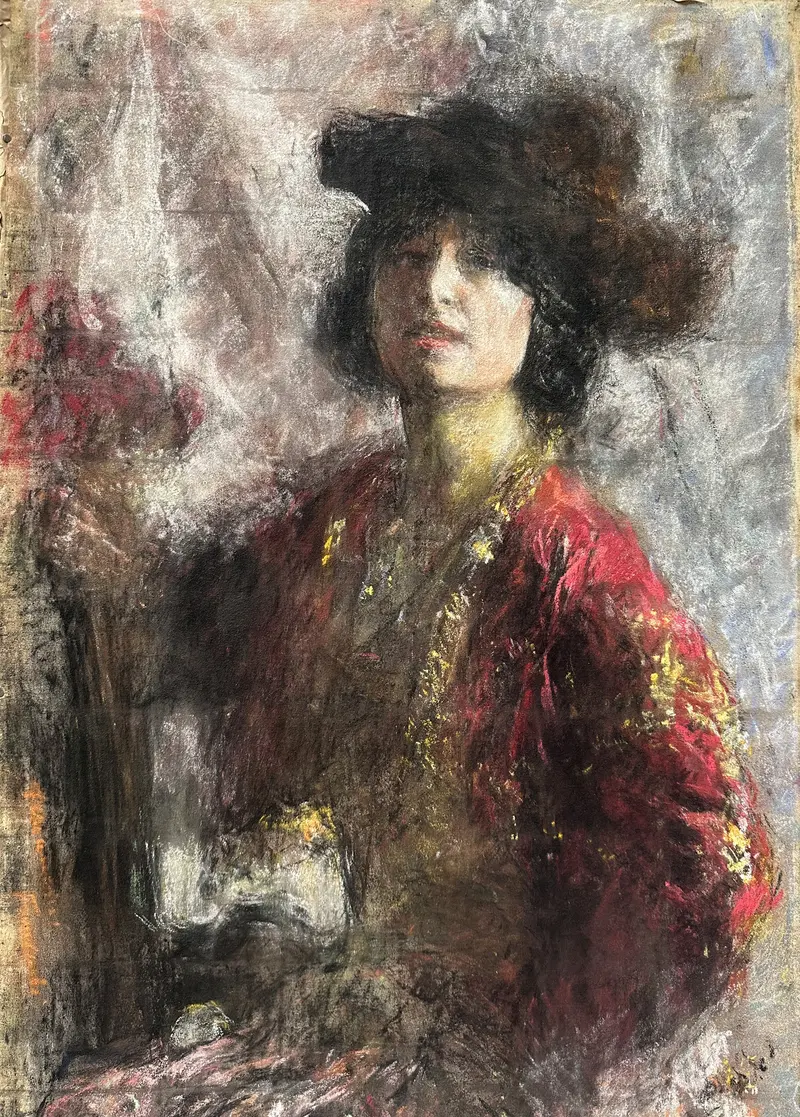
Bolero. Bullfighter
Antonio Mancini
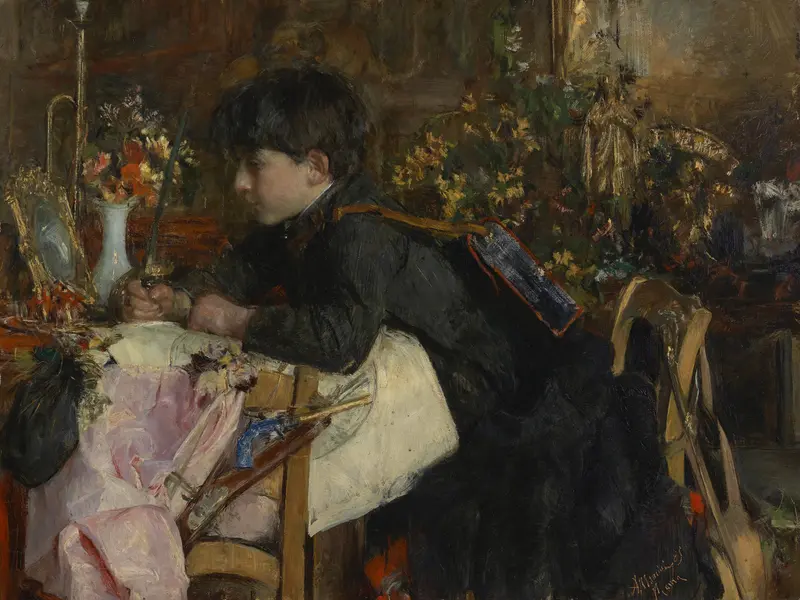
The birthday
Antonio Mancini
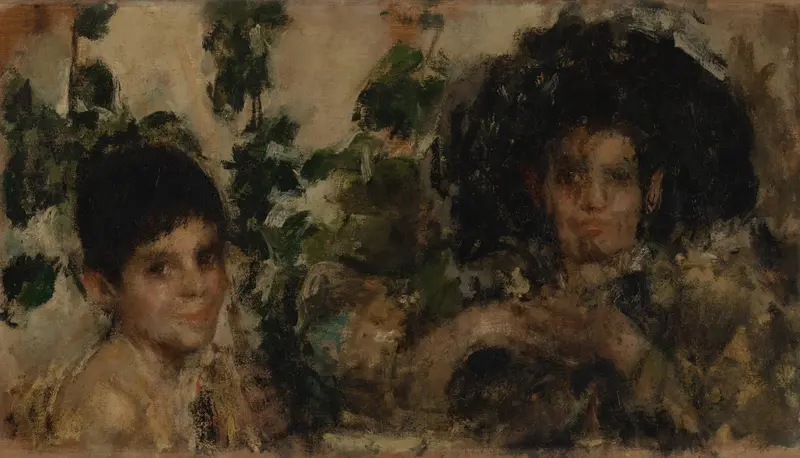
The brothers
Antonio Mancini
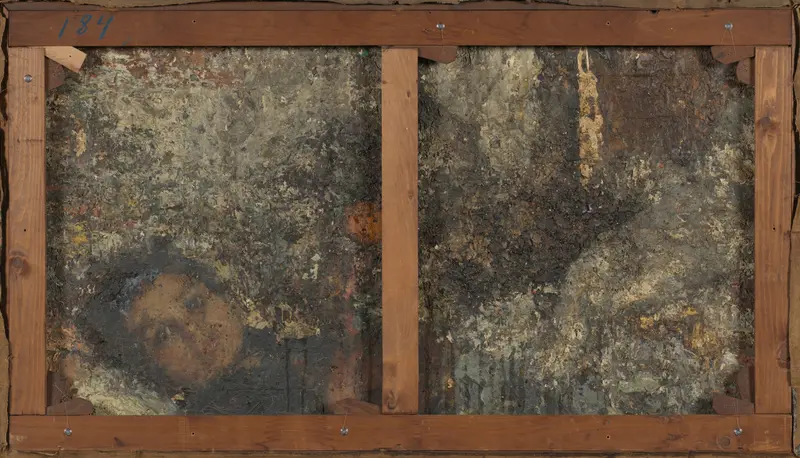
Liggend kind hwm0184v The Mesdag Collection
Antonio Mancini
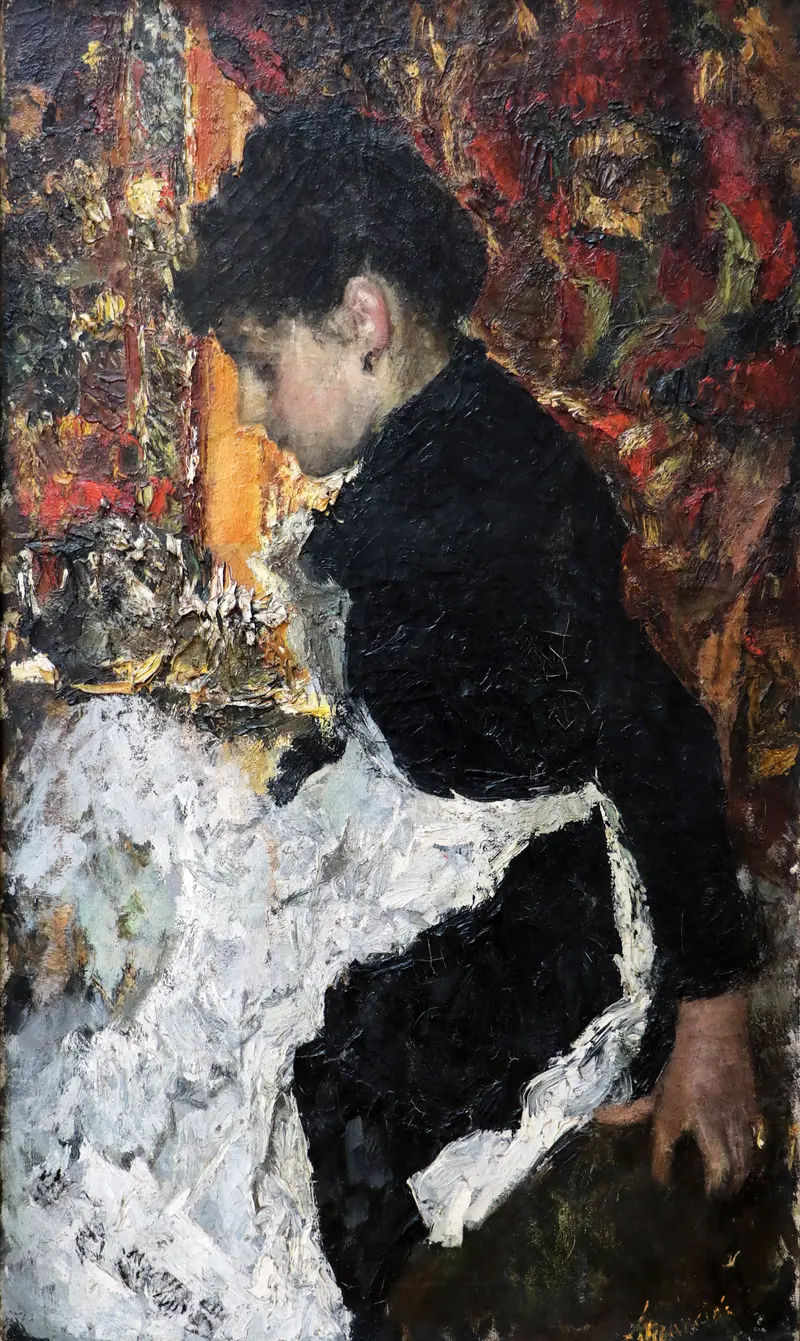
Servetta
Antonio Mancini
More Genre Scene Art

Banquet of the Officers of the St George Civic Guard
Frans Hals

Rembrandt and Saskia in the Scene of the Prodigal Son
Rembrandt van Rijn

Bal du moulin de la Galette
Pierre-Auguste Renoir

Quadrille at the Moulin Rouge
Henri de Toulouse-Lautrec

A Burial at Ornans
Gustave Courbet

When Will You Marry?
Paul Gauguin