
The Papacy Offered to Saint Gregory the Great [?] — History & Facts
The identity of the kneeling figure in The Papacy Offered to Saint Gregory the Great [?] has long sparked debate among art historians, who puzzle over whether Fra Angelico truly intended to depict Gregory the Great or another early pope. The uncertainty is heightened by the absence of clear papal insignia and the lack of contemporary documentation—no commission record or inventory entry survives from the 1430s. Yet, the painting’s subject matter is rare: few artists of the early Renaissance chose to show the dramatic moment when the papal tiara is offered to a reluctant saint, making this work a unique meditation on humility and divine calling. In the scene, a richly robed figure bows in humility as a group of cardinals and angels present the triple-crowned tiara, symbolizing the burden of spiritual authority.
The saint’s downcast gaze and clasped hands suggest his reluctance to accept such power, echoing the legend that Gregory, famed for his learning and piety, tried to flee Rome to avoid the papacy in 590. Fra Angelico’s gentle palette and delicate gold highlights draw the eye to the exchange between heaven and earth: the tiara hovers, almost weightless, above the saint’s head, while the gathered clergy look on with a mixture of awe and expectation. Unlike Raphael’s grand, theatrical Coronation of Charlemagne, Fra Angelico’s treatment is intimate, emphasizing the saint’s inner struggle rather than public triumph. The exact provenance of The Papacy Offered to Saint Gregory the Great [?] remains uncertain, as with many small devotional works from Fra Angelico’s early career in Florence.
Likely painted around 1435, it may have been intended for a private chapel or a Dominican institution, reflecting the artist’s own monastic ties. Over the centuries, the panel’s attribution has occasionally been questioned, but its luminous color and refined figures bear the unmistakable touch of Fra Angelico’s hand. Today, the painting is recognized as a key example of early Renaissance religious art, valued for its psychological insight and quiet beauty, and it now resides in the Museo del Prado, where it invites visitors to reflect on the burdens and blessings of leadership.
More Artworks by Fra Angelico

Condemnation of St Lawrence by the Emperor Valerian
Fra Angelico
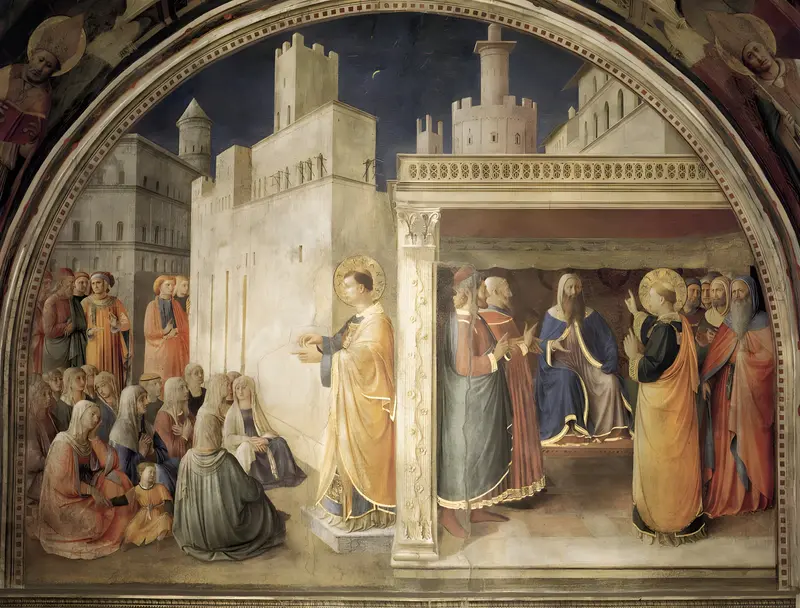
Lunette of the north wall
Fra Angelico
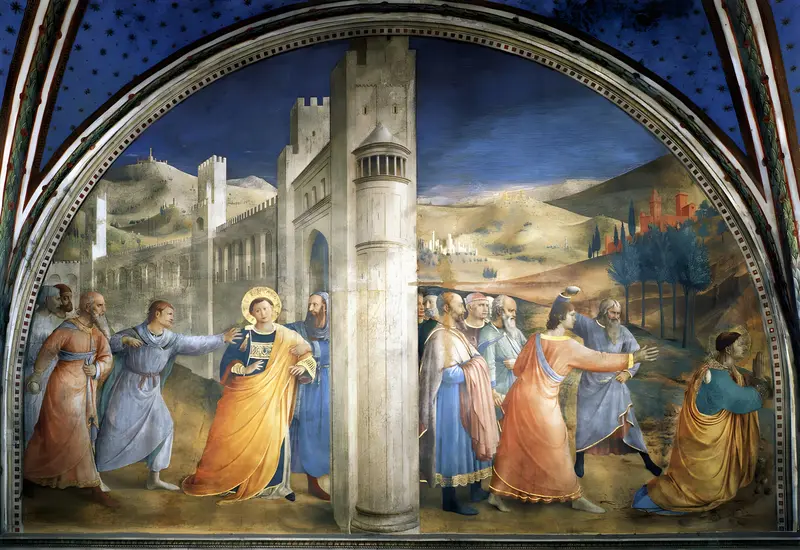
Lunette of the east wall in Niccoline Chapel
Fra Angelico
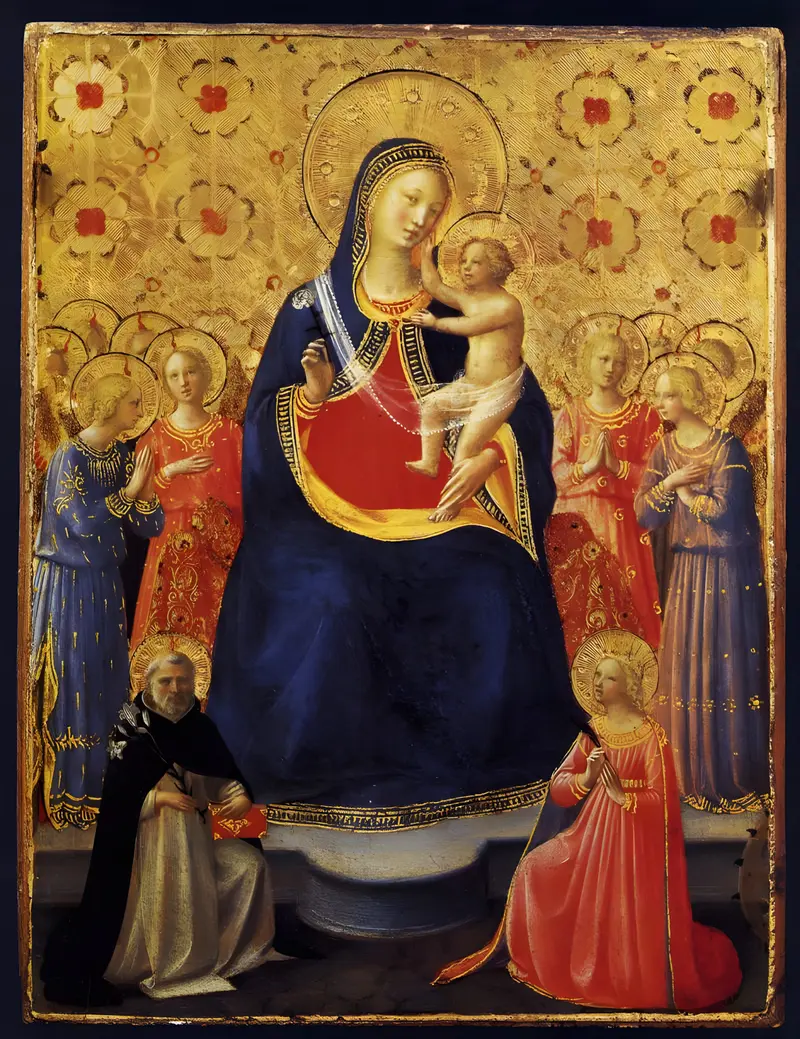
Madonna and Child Enthroned with Nine Angels and Saints Dominic and Catherine of Alexandria
Fra Angelico
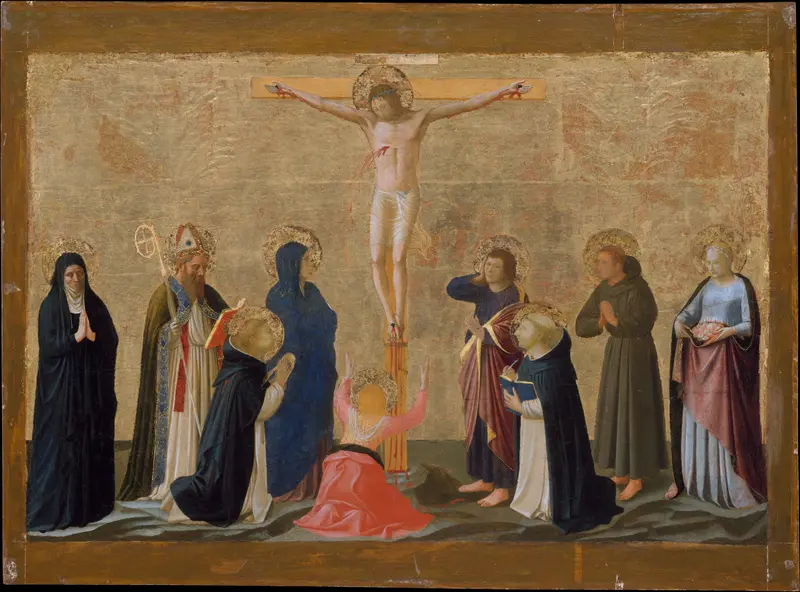
The Crucifixion
Fra Angelico
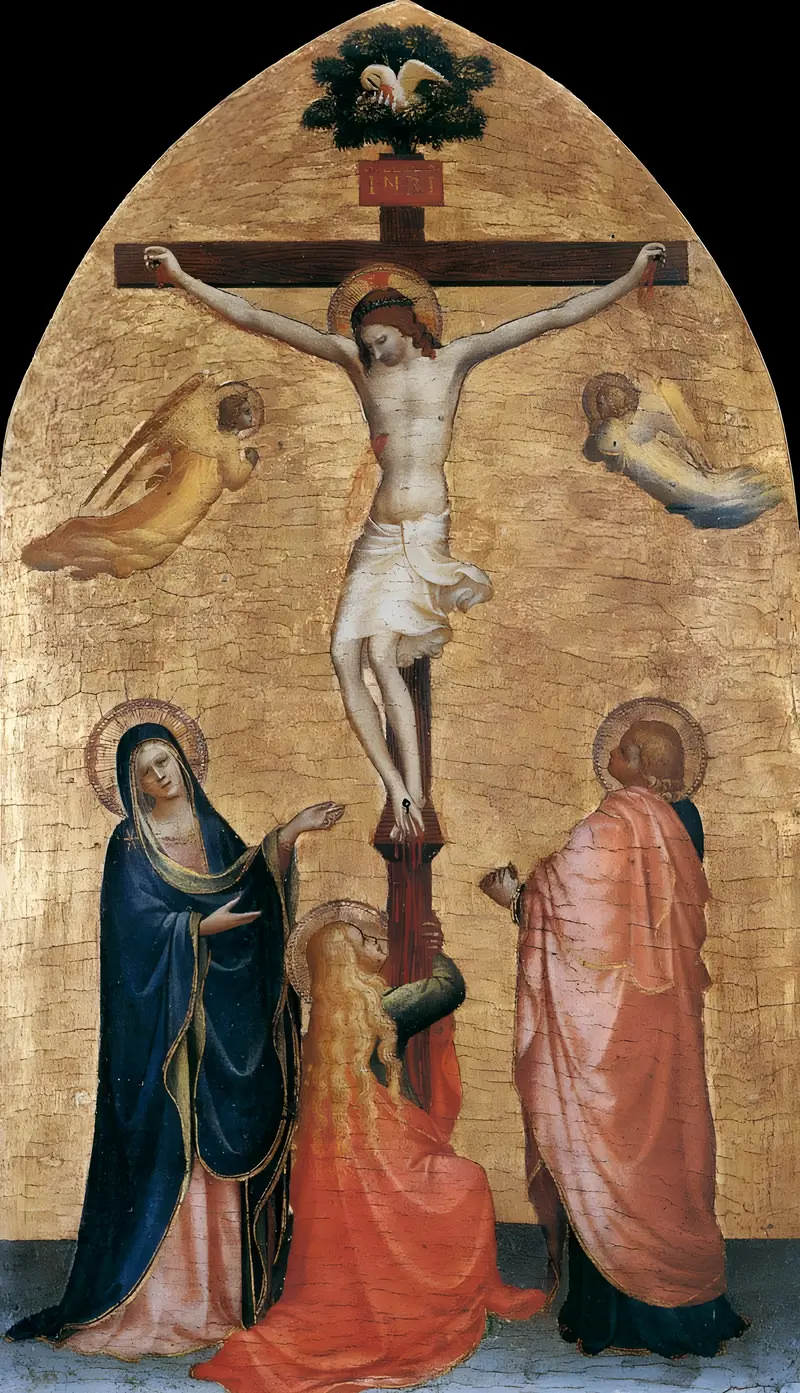
Crucifixion with the Virgin, John the Evangelist, and Mary Magdelene
Fra Angelico
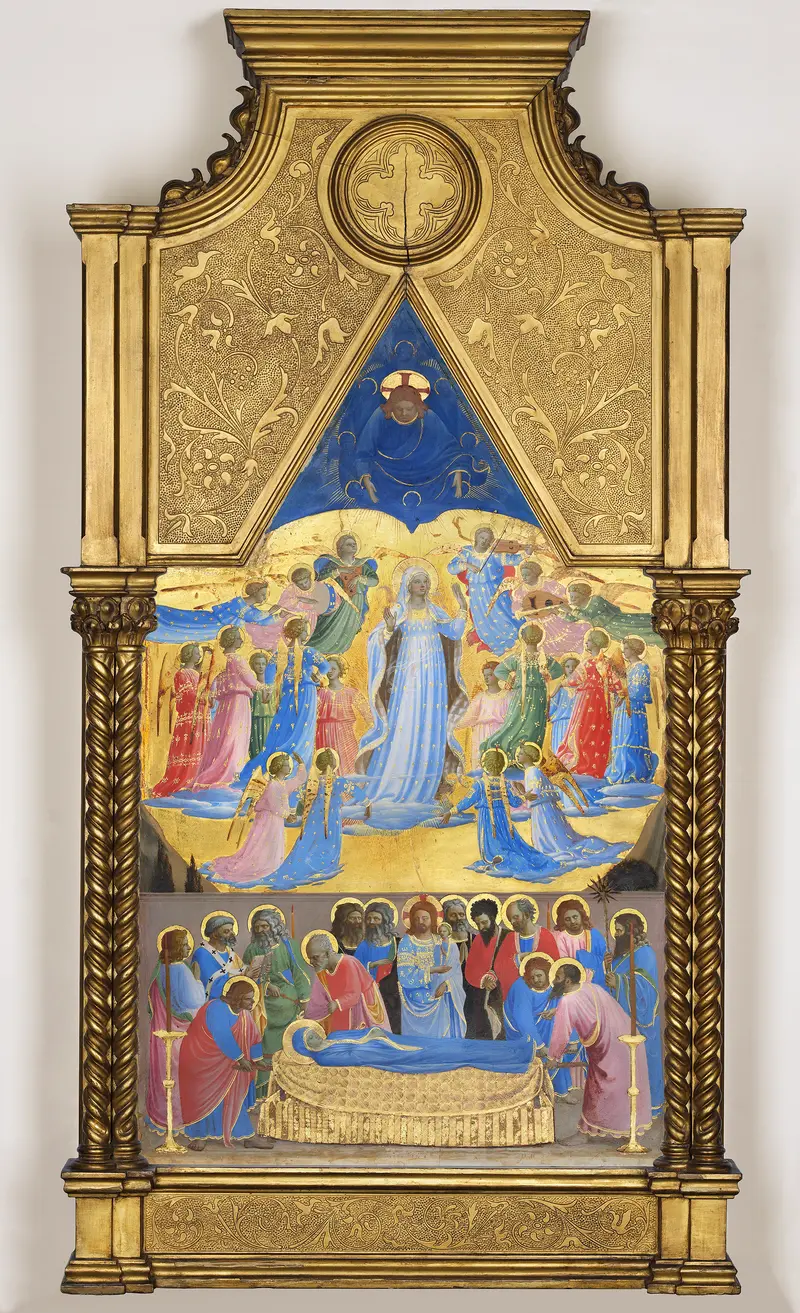
Dormition and Assumption of the Virgin
Fra Angelico
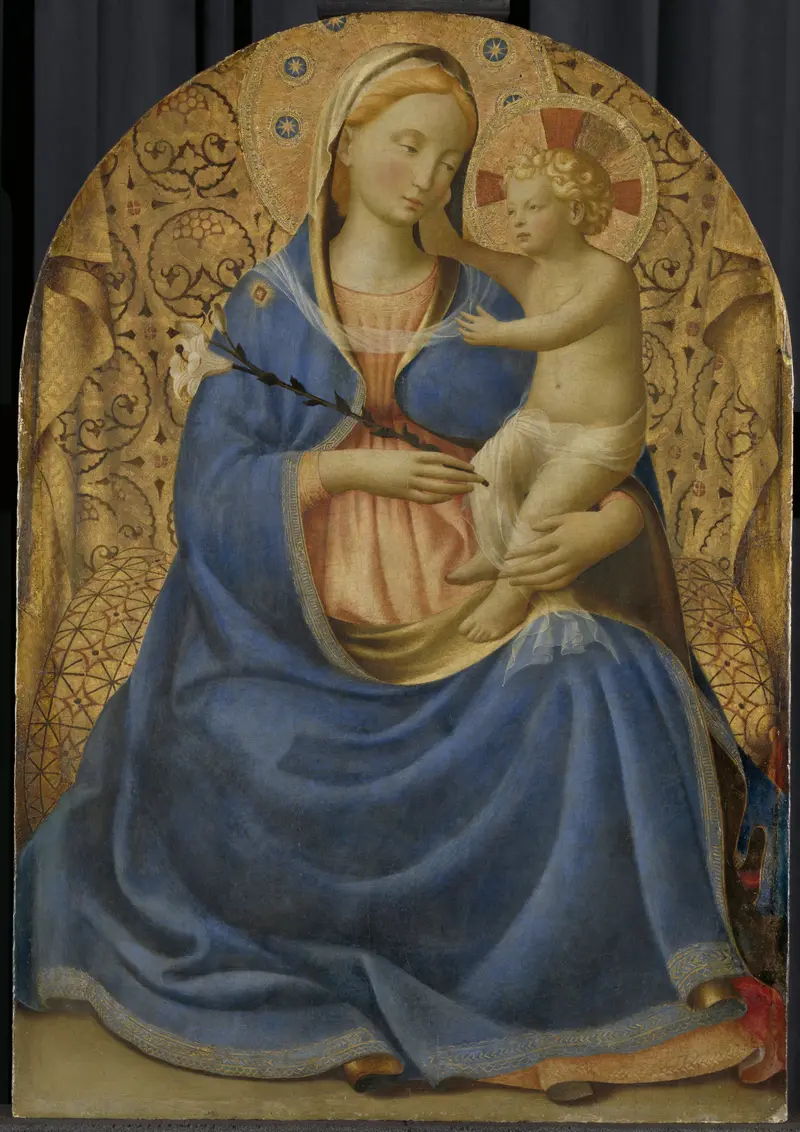
Madonna of Humility
Fra Angelico
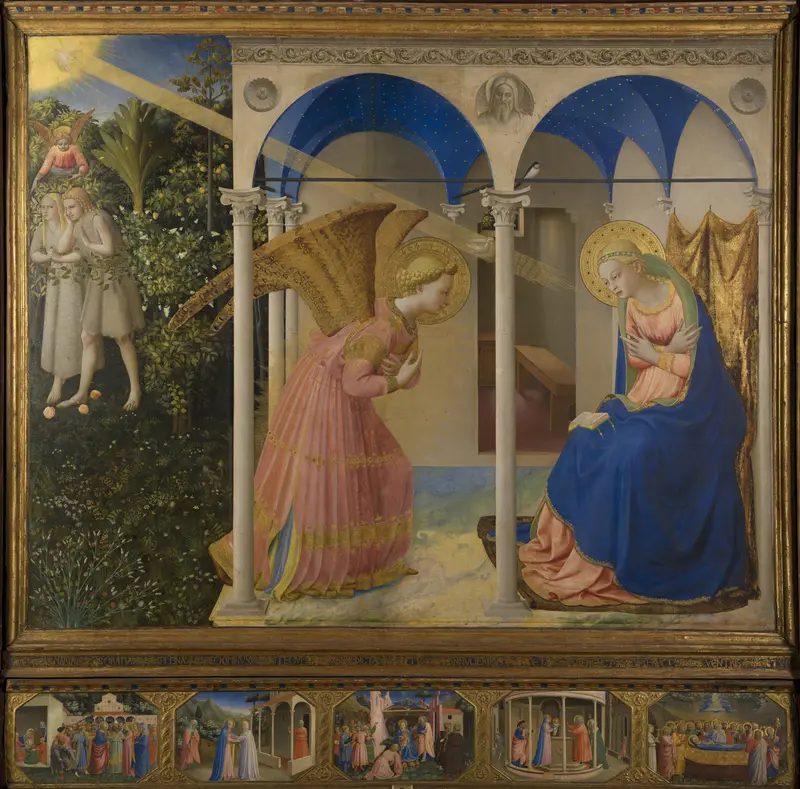
The Annunciation
Fra Angelico

Saint Anthony Abbot
Fra Angelico





